The Comprehensive Guide to the 25 Best Things to Do in Flagstaff Arizona for Year-Round Adventure and Historical Exploration.

Situated at an elevation of 7,000 feet on the southwestern edge of the Colorado Plateau, Flagstaff, Arizona, serves as a critical cultural, scientific, and recreational hub for the American Southwest. Often referred to by its 77,000 residents as "Flag," the city is defined by its proximity to the San Francisco Peaks—the highest mountain range in the state—and its status as the gateway to the Grand Canyon National Park. Beyond its geographical prominence, Flagstaff holds the distinction of being the world’s first International Dark Sky City, a title that underscores its commitment to astronomical research and environmental preservation. The city’s economy and social fabric are intricately tied to Northern Arizona University (NAU), a robust tourism sector, and a rich history rooted in the logging and railroad industries.
Historical Evolution and the High Country Timeline
The development of Flagstaff is a testament to the expansion of the American West. The city’s name originates from a flag-raising ceremony held on July 4, 1876, by a group of pioneers known as the "Boston Party," who stripped a tall Ponderosa pine to fly the American flag in honor of the nation’s centennial.
- 1882: The arrival of the Atlantic and Pacific Railroad transformed the settlement into a bustling center for the lumber and ranching industries.
- 1894: Percival Lowell established the Lowell Observatory, marking the beginning of the city’s identity as a center for scientific discovery.
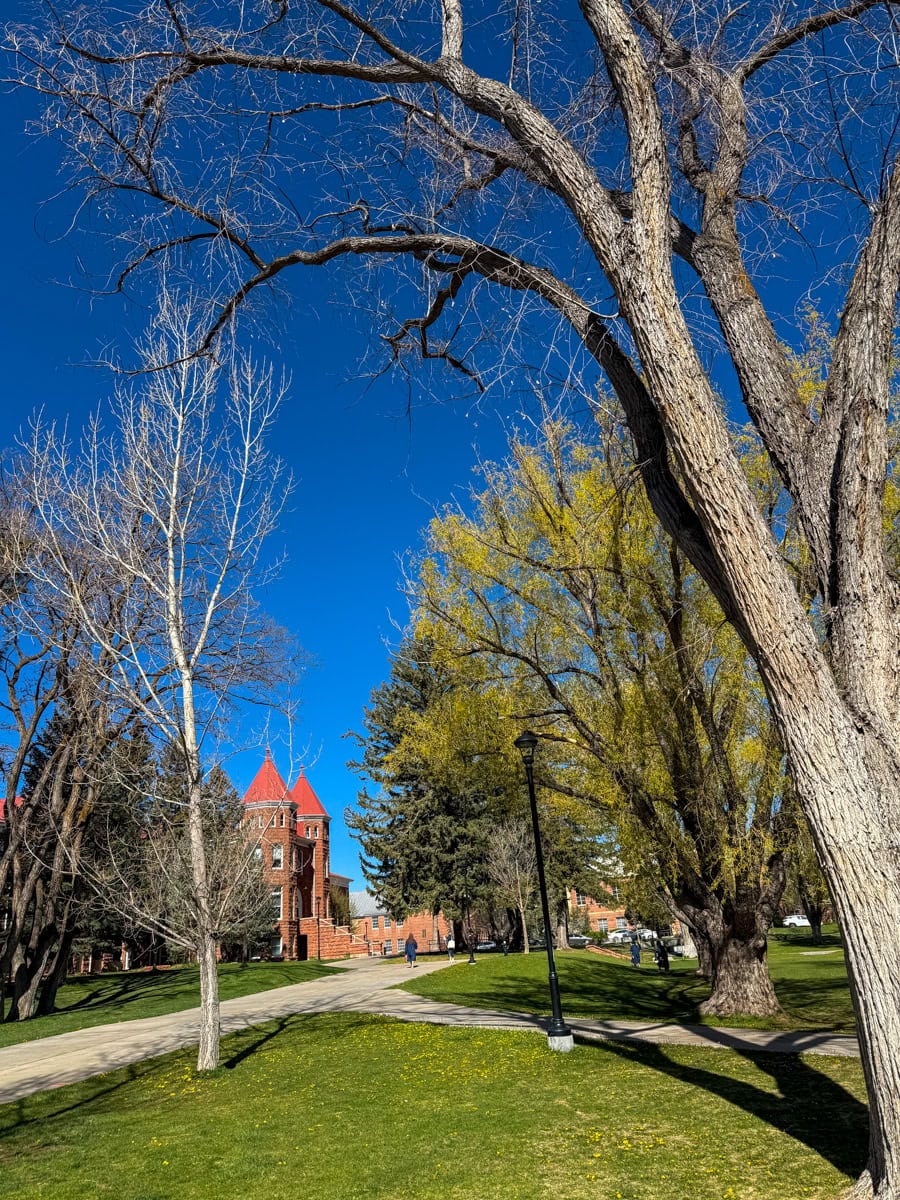
- 1899: Northern Arizona Normal School (now Northern Arizona University) was founded, establishing the city as an educational pillar.
- 1926: The iconic Route 66 was commissioned, running directly through downtown Flagstaff and fueling a mid-century tourism boom.
- 1930: Clyde Tombaugh discovered Pluto at Lowell Observatory, a landmark event in 20th-century astronomy.
- 2001: Flagstaff was officially designated as the first International Dark Sky City by the International Dark-Sky Association.
Scientific Excellence and Astronomical Heritage
Flagstaff’s contribution to space exploration is unparalleled for a city of its size. The Lowell Observatory remains one of the most significant astronomical research centers in the United States. Visitors to the observatory can engage with the 125-year-old Clark Refractor Telescope, which was instrumental in mapping the moon for the Apollo missions. Scientific data indicates that every astronaut who walked on the lunar surface during the NASA Apollo program conducted a portion of their geological training in the Flagstaff area, specifically at the Cinder Hills and the nearby Meteor Crater.
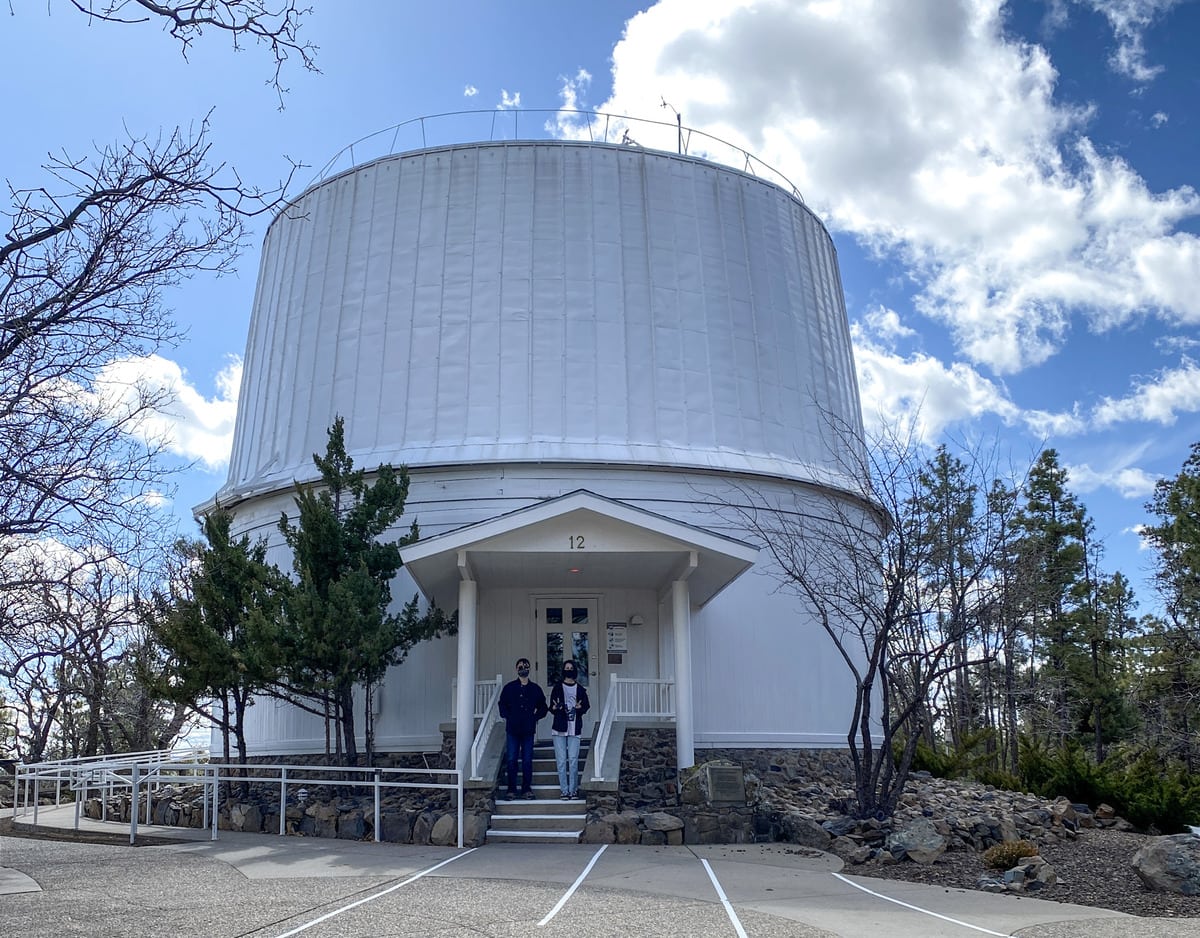
Stargazing is not merely a tourist activity but a protected municipal value. The city’s strict lighting ordinances ensure that the night sky remains visible for both researchers and the public. This commitment is highlighted during guided night tours where participants can observe distant nebulae and planetary bodies through state-of-the-art equipment at the Giovale Open Deck Observatory.
Outdoor Recreation and Environmental Management
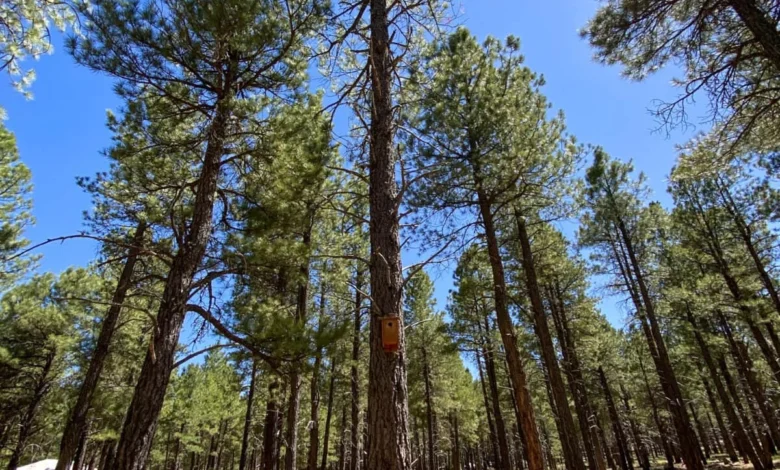
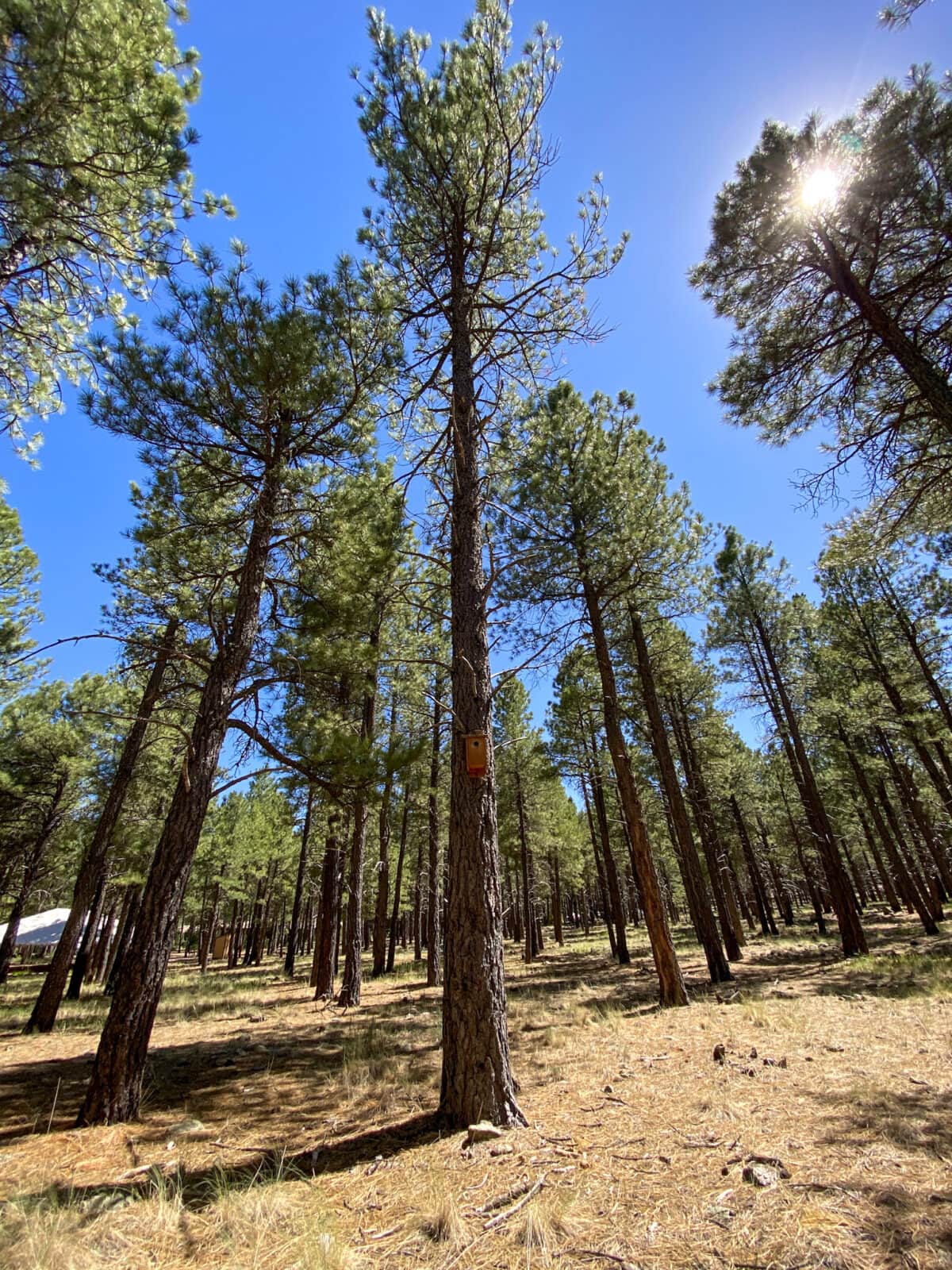
Flagstaff is surrounded by the Coconino National Forest, the largest contiguous Ponderosa pine forest in North America. This environment supports a diverse range of year-round outdoor activities.
Arizona Snowbowl and Winter Sports
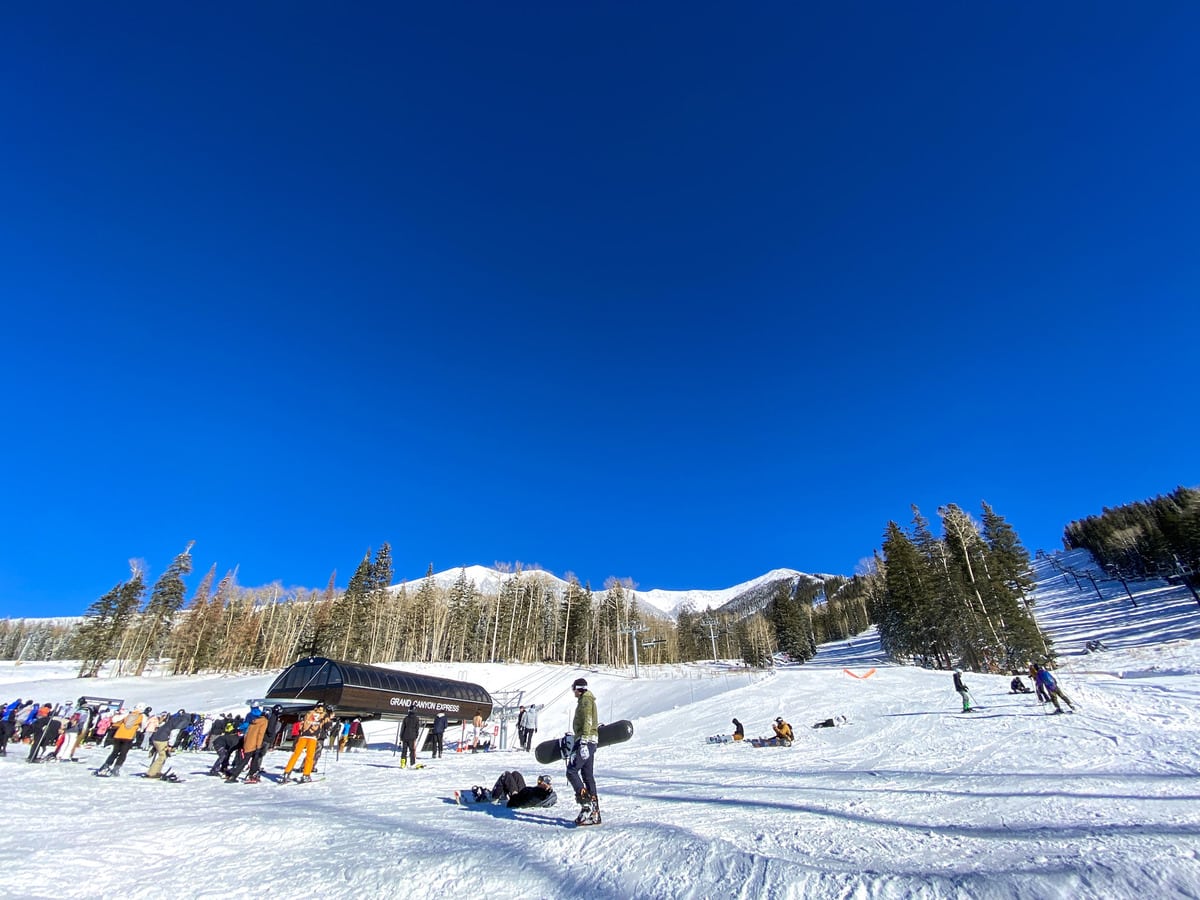
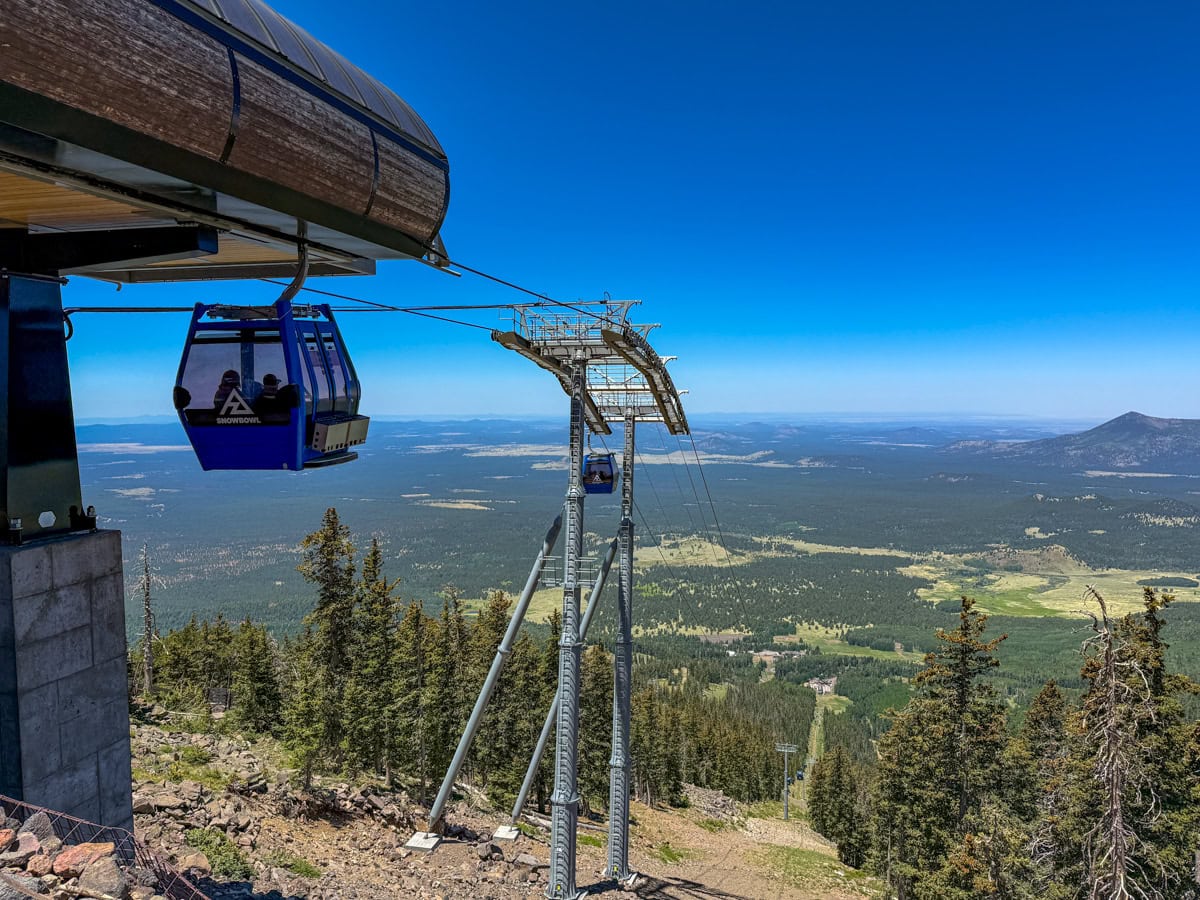
The Arizona Snowbowl, located on the western slope of Mount Humphreys, is a primary economic driver during the winter months. The resort features 777 skiable acres and an elevation that reaches 11,500 feet. In a state often associated with desert heat, Snowbowl provides a vital alpine experience, recording an average annual snowfall of over 260 inches. To maintain accessibility, the resort offers competitive pricing structures, including free access for children aged 12 and younger, a policy aimed at fostering long-term engagement with winter sports.
The Urban Trail System and High-Altitude Hiking
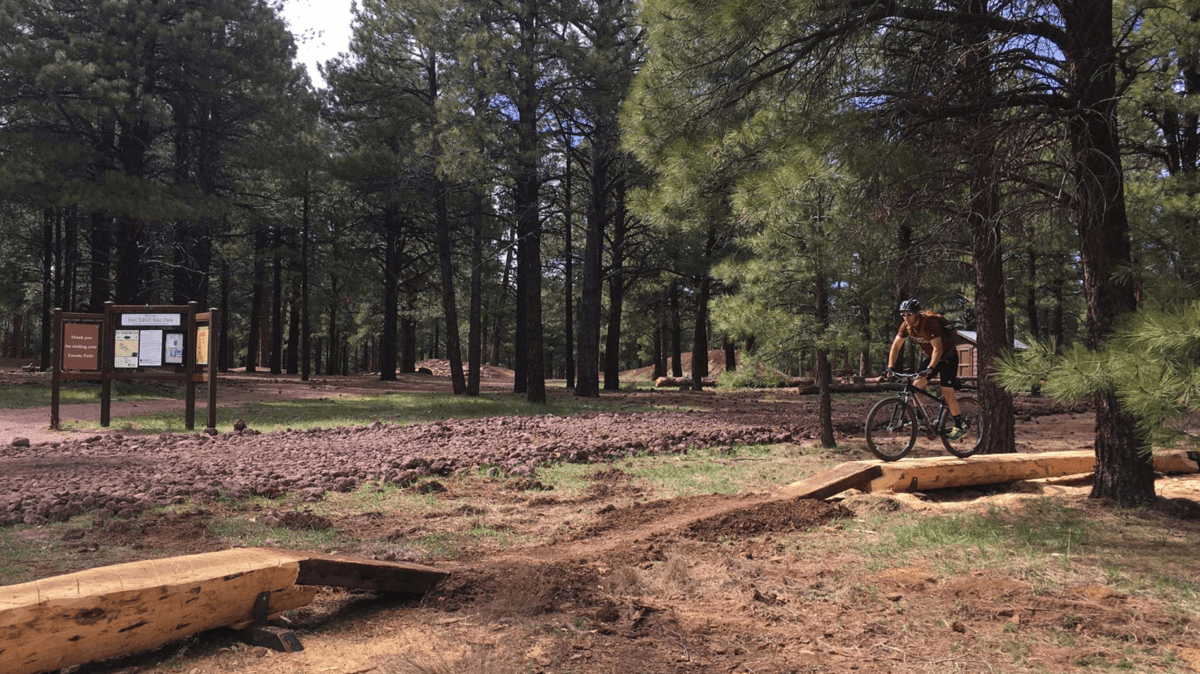
The Flagstaff Urban Trails System (FUTS) encompasses over 50 miles of non-motorized paths. Key recreational areas include:
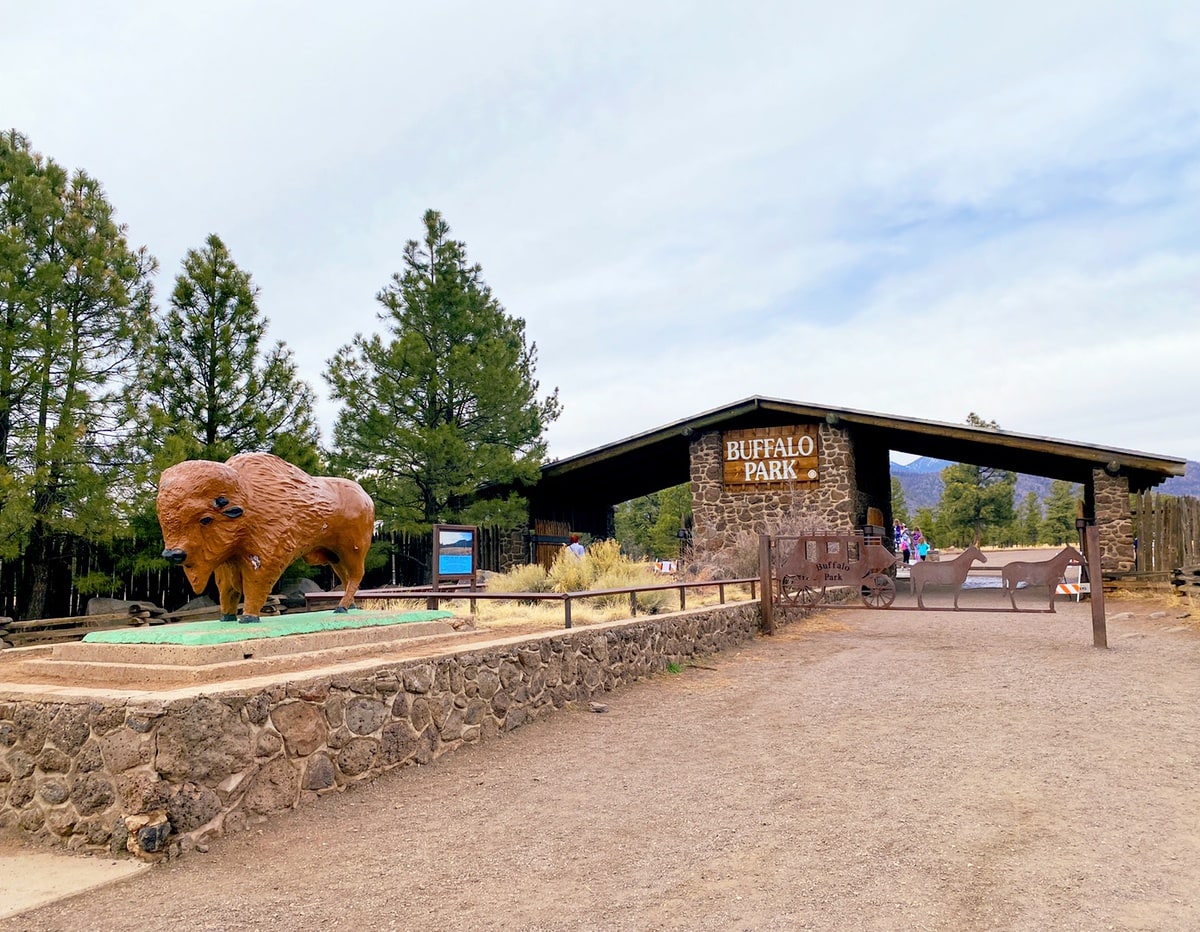
- Buffalo Park: A 215-acre park offering a 2.2-mile loop with panoramic views of the San Francisco Peaks.
- Fatmans Loop Trail: A moderate 2.5-mile hike that showcases the region’s unique volcanic rock formations and diverse flora, including juniper and white fir.
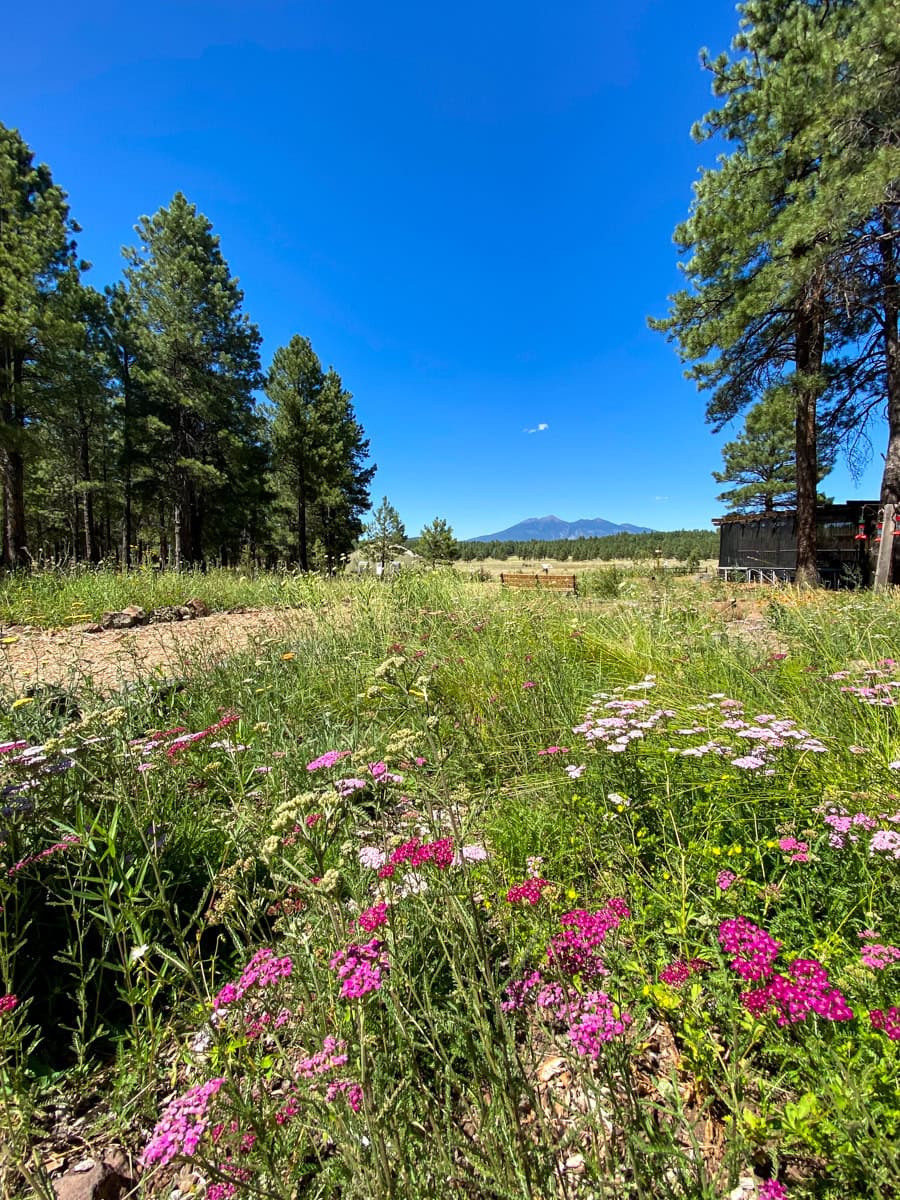
- The Arboretum at Flagstaff: Occupying 200 acres, this site focuses on the preservation of 750 species of plants native to the high-elevation Colorado Plateau.
Archaeological and Cultural Preservation
The region surrounding Flagstaff is a repository of human history, specifically regarding the Sinagua people, who inhabited the area from approximately 600 to 1400 AD.
Walnut Canyon National Monument
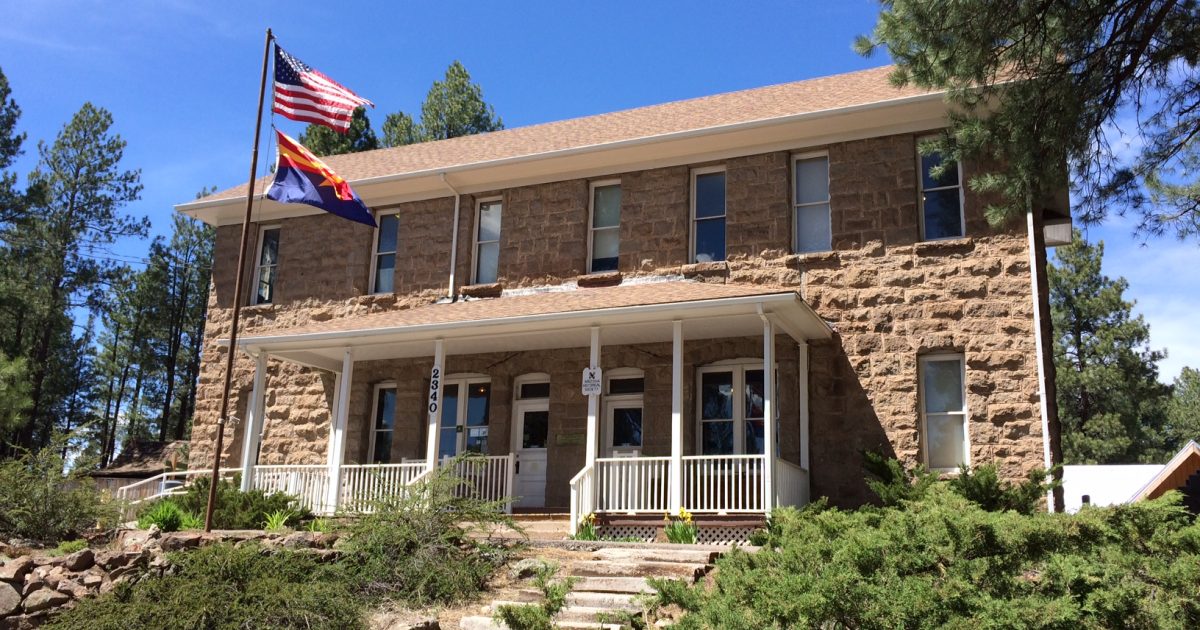
Located just 7.5 miles east of the city, Walnut Canyon contains 25 visible cliff dwellings carved into limestone alcoves. The Island Trail allows visitors to descend 185 feet into the canyon to witness these architectural feats. Archaeologists suggest the Sinagua were expert dry-farmers who utilized the canyon’s unique microclimates to sustain their population.
Wupatki and Sunset Crater
The eruption of Sunset Crater Volcano in 1085 AD significantly altered the landscape and human settlement patterns. Today, the Sunset Crater Volcano National Monument features the Lava Flow Trail, where visitors can traverse the jagged basalt landscapes. Nearby, Wupatki National Monument preserves a 100-room pueblo that served as a major regional trade center. The transition from the ponderosa forests of Flagstaff to the high-desert shrublands of Wupatki illustrates the dramatic ecological shifts within Coconino County.
Urban Culture, Gastronomy, and the Brewery Trail
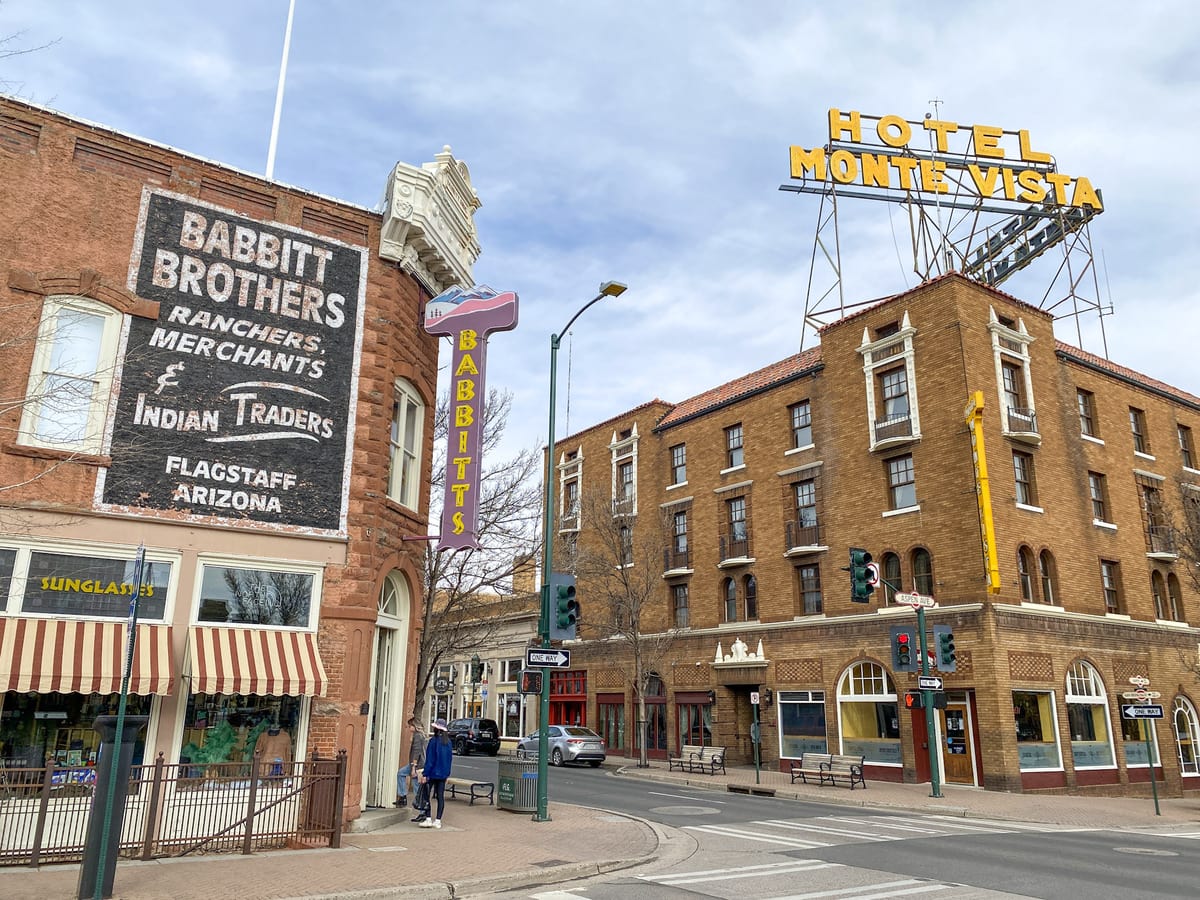
Flagstaff’s downtown area maintains its "Old West" charm while supporting a modern, youthful culture influenced by NAU’s student population, which makes up more than a quarter of the city’s inhabitants.
The Craft Beer Industry
Flagstaff has emerged as a leader in Arizona’s craft beer movement. The Flagstaff Brewery Trail encourages tourism through a "passport" system featuring eight local breweries, including:

- Lumberyard Brewing Co: Housed in a restored 19th-century lumber building, reflecting the city’s industrial roots.
- Dark Sky Brewing Co: A venue that integrates the city’s astronomical identity with innovative, gluten-reduced brewing techniques.
- Beaver Street Brewery: The city’s first brewpub, established in 1994.
Culinary and Entertainment Landmarks
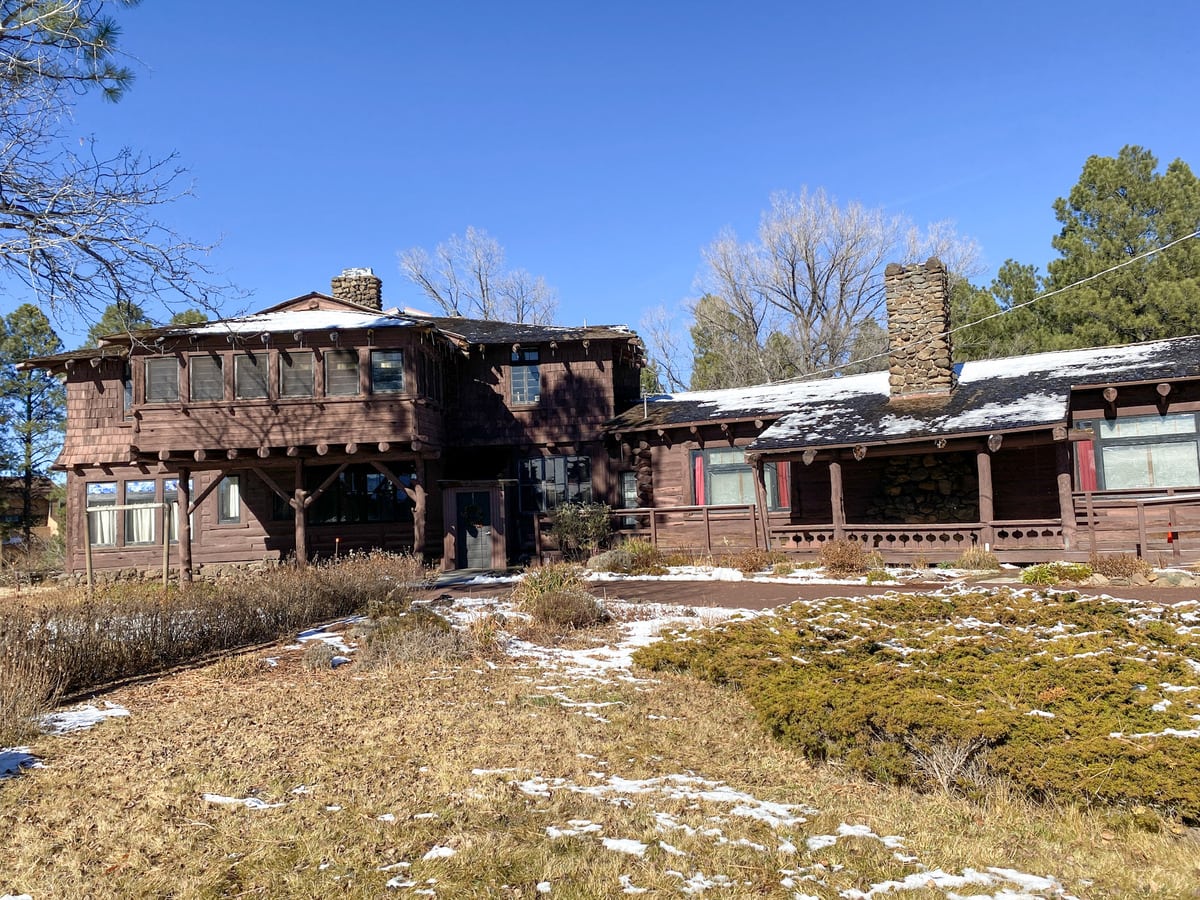
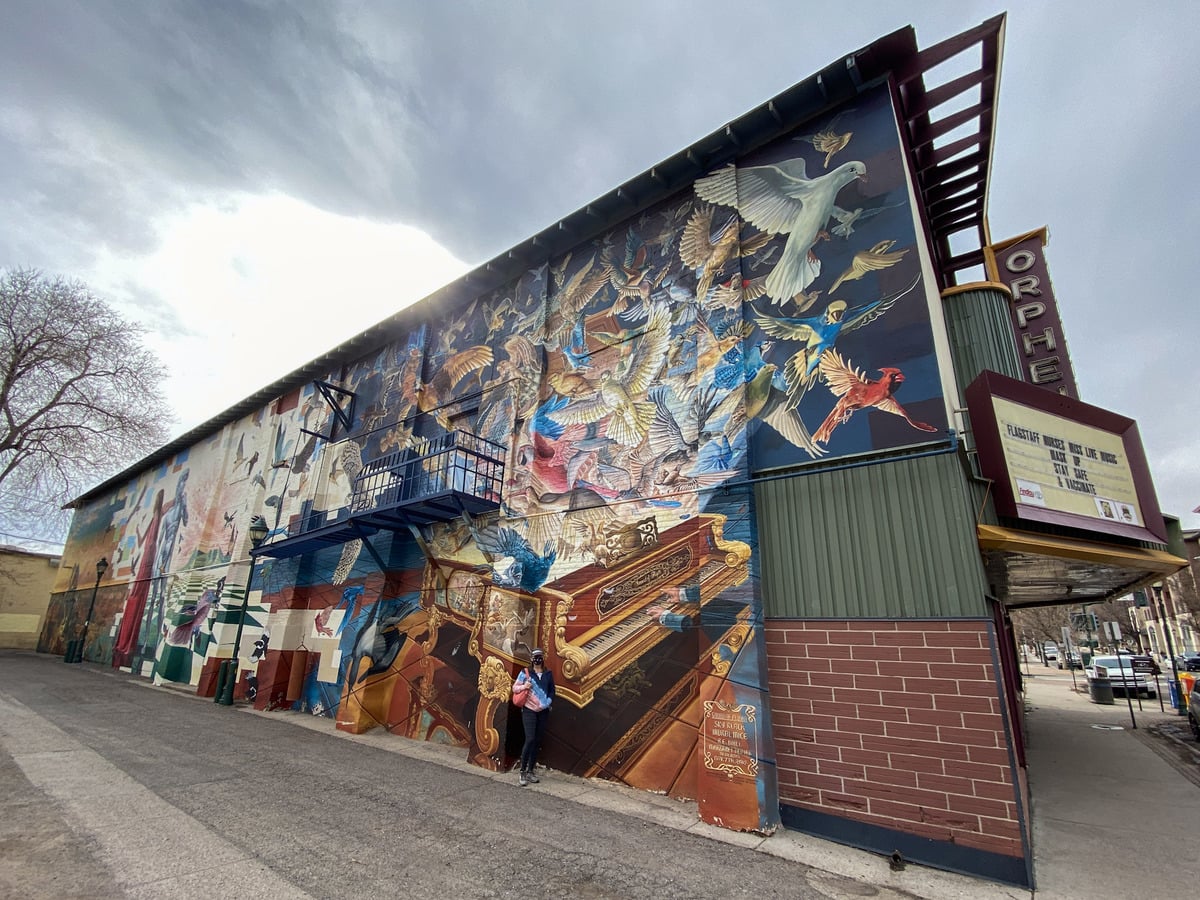
The city’s culinary scene ranges from the singing servers at Black Bart’s Steakhouse to the specialized fair-trade offerings at Macy’s Coffee House & Bakery. Cultural life is anchored by the Orpheum Theater, a former cinema and opera house that now serves as a premier live music venue. The Riordan Mansion State Historic Park provides an objective look at the lifestyle of the city’s early industrial elite, featuring two 1904 Arts and Crafts-style mansions that remain largely unchanged.
Regional Tourism Hub and Logistics
Flagstaff’s strategic location makes it a logical "base camp" for broader exploration of Northern Arizona.
- Grand Canyon National Park: Located 90 minutes north, the South Rim is accessible via Highway 180 or the Grand Canyon Railroad, which departs from nearby Williams.
- Sedona: A 45-minute drive south through the scenic Oak Creek Canyon leads to the red rock formations and vortex sites of Sedona.
- Bearizona Wildlife Park: Located 30 miles west, this drive-through safari park offers a controlled environment to view North American megafauna, including black bears and wolves, in naturalistic habitats.
Hospitality Infrastructure and Economic Impact
To accommodate the estimated 5 million visitors who pass through Flagstaff annually, the city has developed a robust hospitality infrastructure. Major players in the sector, such as IHG Hotels & Resorts, provide essential lodging through properties like the Holiday Inn Express Flagstaff. These establishments support the local economy by providing employment and serving as hubs for travelers visiting the nearby national monuments. The presence of international brands alongside historic boutique hotels ensures that Flagstaff can meet the demands of a diverse demographic, from budget-conscious families to research scientists.
Environmental Analysis and Altitude Considerations
Travelers to Flagstaff must account for the city’s unique environmental conditions. At 7,000 feet, the barometric pressure is lower, meaning there is less oxygen available per breath compared to sea level. Medical data suggests that visitors may experience mild altitude sickness, characterized by fatigue or shortness of breath, during their first 24 to 48 hours of acclimation. Furthermore, Flagstaff is one of the snowiest incorporated cities in the United States, often receiving significant winter storms that can impact travel on Interstate 40 and Interstate 17.
Implications for Future Growth
As Flagstaff continues to grow, city planners face the challenge of balancing urban development with environmental stewardship. The preservation of the Dark Sky status, the management of the Coconino National Forest, and the protection of archaeological sites remain top priorities for local government and community organizations. The city’s ability to maintain its "small-town" atmosphere while serving as a global center for science and tourism will dictate its trajectory in the coming decades. For now, Flagstaff remains a premier destination that offers a comprehensive blend of American history, scientific discovery, and rugged outdoor adventure.