Healthcare in the USA for Tourists: A Comprehensive Guide to Navigation, Costs, and Emergency Services


The United States remains one of the world’s premier travel destinations, attracting millions of international visitors annually to its diverse landscapes, ranging from the metropolitan density of New York City to the vast wilderness of the National Park System. However, for many international arrivals, the American healthcare system represents one of the most complex and potentially expensive aspects of their journey. Unlike many other developed nations that utilize a universal or single-payer healthcare model, the United States operates a predominantly private, market-based system. For the unprepared tourist, a minor injury or sudden illness can result in significant financial liability, making a comprehensive understanding of the system a prerequisite for any transcontinental trip.
The Structural Reality of the American Medical System
The United States healthcare system is characterized by high-quality clinical care and cutting-edge medical technology, yet it is also noted for having the highest costs per capita in the world. According to data from the Centers for Medicare & Medicaid Services (CMS), healthcare spending in the U.S. accounts for nearly 18% of the nation’s Gross Domestic Product (GDP). For a visitor, this translates to a "fee-for-service" environment where medical providers—including doctors, clinics, and hospitals—bill patients directly for every consultation, test, and procedure performed.
In many countries, healthcare is subsidized by the government, meaning citizens and visitors might pay a nominal fee or nothing at all at the point of service. In the U.S., there is no such federal safety net for international tourists. If a visitor requires medical attention, they are legally responsible for the costs incurred. Without a domestic social security link or a U.S.-based insurance policy, these costs are calculated at "chargemaster" rates, which are often the highest prices a hospital sets for its services.
Analyzing the Financial Implications for Uninsured Visitors
To understand the necessity of preparation, one must examine the average costs associated with American medical care. While prices vary by state and facility, national averages provide a sobering perspective for the uninsured traveler:

- Routine General Practitioner Visit: $150 to $300.
- Urgent Care Consultation: $200 to $500, excluding diagnostic tests.
- Emergency Room (ER) Visit: The average cost for an ER visit in the U.S. is approximately $2,200, though this can easily escalate to $10,000 or more if advanced imaging (like a CT scan) or specialized interventions are required.
- Ambulance Transport: $1,000 to $2,500 depending on the distance and level of life support provided.
- Hospitalization: An overnight stay in a U.S. hospital can cost between $5,000 and $15,000 per day, depending on the intensity of care.
Data from various medical advocacy groups indicates that medical debt is a leading cause of financial distress in the U.S., and this risk extends to visitors. While hospitals are legally required under the Emergency Medical Treatment and Labor Act (EMTALA) to stabilize anyone who comes to an emergency department regardless of their ability to pay, this law only covers stabilization. Once the patient is out of immediate danger, the billing process begins, and the debt remains legally enforceable.
Navigating the Triage System: Choosing the Right Level of Care
A critical component of managing health in the U.S. is knowing which facility to visit based on the severity of the condition. Utilizing the wrong facility can lead to unnecessary delays and exorbitant costs.
The Role of Pharmacies and Over-the-Counter Care
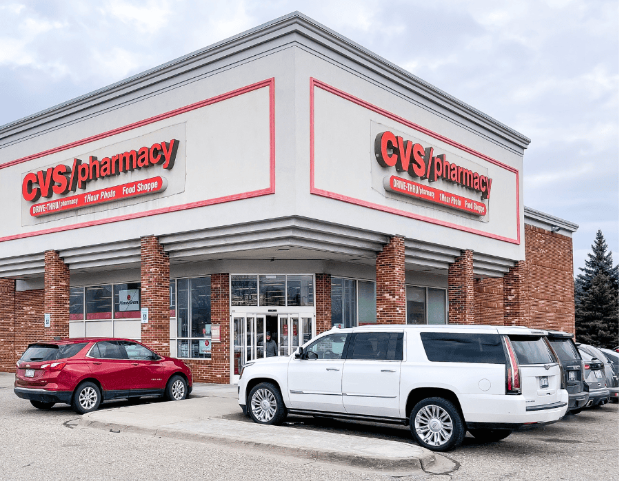
For minor ailments such as seasonal allergies, mild headaches, or superficial cuts, the first stop should be a retail pharmacy. Major chains such as CVS, Walgreens, and Rite Aid are ubiquitous. These locations employ licensed pharmacists who can provide advice on over-the-counter (OTC) medications. It is important to note that many medications available without a prescription in other countries—such as certain antibiotics or high-dose painkillers—are strictly "prescription only" in the United States.
Urgent Care Centers: The Middle Ground
Urgent care centers have become a cornerstone of the U.S. medical landscape. They are designed to treat conditions that require immediate attention but are not life-threatening. These include minor fractures, sprains, moderate fever, or infections. They are typically open outside of standard business hours and are significantly more affordable than hospital emergency rooms. For a tourist, the "walk-in" nature of these clinics makes them the most efficient choice for non-emergencies.
Emergency Departments and 911
The Emergency Room (ER) should be reserved for life-threatening situations, such as chest pain, difficulty breathing, severe trauma, or signs of a stroke. In a true emergency, dialing 911 will dispatch an ambulance and emergency medical technicians (EMTs). Visitors should be aware that 911 is a universal emergency number in the U.S. for police, fire, and medical services.

Strategic Insurance Planning for International Travelers
Given the high costs detailed above, comprehensive travel medical insurance is not merely a recommendation but a financial necessity. Many standard travel insurance policies focus on trip cancellations or lost luggage; however, for the U.S., the focus must be on the "medical" component of the policy.
Key Policy Components
When evaluating insurance, travelers should ensure the policy includes:
- High Coverage Limits: Due to U.S. costs, a policy should ideally offer at least $500,000 to $1,000,000 in medical coverage.
- Medical Evacuation: This covers the cost of transporting a patient back to their home country if they require long-term care or specialized surgery.
- Direct Billing: Some insurers require the patient to pay upfront and seek reimbursement later. Given that a U.S. hospital bill can exceed $50,000, travelers should look for insurers that offer "direct billing" to the hospital.
- Network Providers: Many insurance companies partner with specific U.S. healthcare networks (such as UnitedHealthcare or Blue Cross Blue Shield). Using a "preferred provider" often simplifies the billing process and reduces out-of-pocket deductibles.
Regulatory Framework for Prescription Medications
The U.S. Food and Drug Administration (FDA) and Customs and Border Protection (CBP) maintain strict regulations regarding the importation of medications. Tourists arriving with personal prescriptions must adhere to federal guidelines to avoid confiscation or legal complications.
Guidelines for Travelers
- Documentation: All medications should be in their original packaging with the pharmacy label clearly visible. A copy of the original prescription and a letter from a physician (in English) describing the condition and the necessity of the medication is highly recommended.
- Supply Limits: Generally, a 90-day supply is the maximum allowed for personal use.
- Controlled Substances: Medications containing narcotics or those with a high potential for abuse are subject to even stricter scrutiny. Travelers should verify the legality of their specific medication with the U.S. embassy or the CBP website prior to departure.
If a traveler runs out of medication while in the U.S., they cannot simply present a foreign prescription to a local pharmacy. U.S. law requires a prescription from a healthcare provider licensed to practice in the United States. This necessitates a visit to a local doctor or an urgent care center to have the prescription rewritten.
Technological Solutions and Digital Health Integration
The rise of digital health platforms has provided new avenues for tourists to access care. Services such as Air Doctor have become increasingly relevant, offering a bridge between international travelers and vetted local physicians. These platforms allow visitors to book appointments, access video consultations, and find doctors who speak their native language.

In a system as fragmented as the American one, these digital tools serve as a vital navigation layer. They can often prevent unnecessary ER visits by connecting a patient with a specialist or a general practitioner for a fraction of the cost of a hospital visit. Furthermore, many U.S. providers now offer "telehealth" services, which can be a cost-effective way to handle minor consultations from a hotel room.
Regional Health Considerations and Environmental Factors
The sheer geographic size of the United States means that health risks vary significantly by region.
- The Sun Belt: In states like Arizona, Nevada, and Florida, heat exhaustion and dehydration are major risks during the summer months.
- High Altitude: Visitors to the Rocky Mountains or high-altitude cities like Denver may experience altitude sickness, which requires rest and hydration.
- Vector-Borne Diseases: Certain areas are prone to specific risks, such as Lyme disease in the Northeast or West Nile virus in various parts of the country.
Journalistic analysis suggests that tourists often underestimate the physical toll of American travel. The "road trip" culture often involves long hours of sedentary driving followed by strenuous hiking, which can lead to deep vein thrombosis (DVT) or physical injury. Travelers are advised to maintain a pace that allows for adequate rest and acclimatization.
Conclusion and Final Preparedness Checklist
The American healthcare system is a study in contrasts, offering some of the world’s most advanced medical outcomes alongside a complex and expensive administrative structure. For the international tourist, the quality of care is rarely the issue; rather, it is the accessibility and the subsequent financial impact.
By shifting the perspective from "it won’t happen to me" to a proactive model of risk management, travelers can safeguard both their health and their finances. The essential checklist for any visitor to the USA includes:
- Comprehensive Insurance: Secured and verified before departure.
- Digital Copies of Records: Including vaccination history, current prescriptions, and insurance policy details stored on a secure cloud server.
- Physical Documentation: A list of emergency contacts and a summary of any chronic conditions kept in the traveler’s wallet.
- Medication Supply: More than enough for the duration of the trip, kept in carry-on luggage to avoid loss.
Through meticulous planning and an understanding of the triage system, visitors can navigate the United States with the confidence that they are prepared for any medical eventuality, allowing them to focus on the cultural and natural wonders the country has to offer.