Navigating the Wilderness: Unpacking the Complex Relationship Between Black Women and Outdoor Spaces

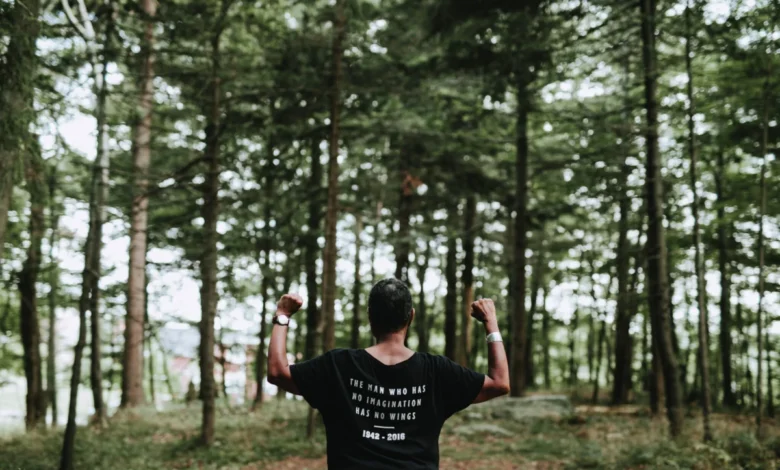
For many, the allure of the outdoors – the serene whisper of a forest, the rhythmic roar of the ocean, the invigorating splash of cool river water – represents an inherent right to peace and rejuvenation. Yet, for countless Black women, this seemingly universal experience is often overshadowed by an underlying current of fear, an intangible but ever-present apprehension that complicates their engagement with nature. This profound sentiment, articulated by one writer’s desire to embrace the wilderness while simultaneously being held back by an undefined dread, highlights a deeper, systemic issue concerning access, safety, and belonging for women of color in outdoor environments.
The writer’s revelation of her "troubled feelings about nature" became starkly apparent when she was invited to teach at a women’s writing workshop, "Flight of the Mind," held annually on the McKenzie River in the foothills of Oregon’s Cascade Mountains. Organized by committed feminists – a Seattle writer and a poet from England – the workshop aimed to foster creative expression, predicated on the belief in empowering diverse voices. This invitation served as a catalyst, bringing to the forefront a fear so pervasive that it had become an almost unconscious part of her existence, revealing the subtle yet profound barriers that can deter Black women from fully experiencing the therapeutic and empowering potential of the natural world.
Historical Context: The Roots of Discomfort and Disconnection
The apprehension experienced by Black women in natural spaces is not merely an individual sentiment but is deeply rooted in a complex historical and societal context. For centuries, the relationship between Black communities and the American wilderness has been fraught with trauma, fear, and systemic exclusion. During the era of slavery, natural landscapes were often places of forced labor, brutality, and the constant threat of violence. Escaping into the wilderness for freedom was perilous, and being caught meant severe punishment, often at the hands of those who patrolled these very landscapes. This historical period ingrained a collective memory where nature was not a sanctuary but a potential site of suffering or danger.
Following emancipation, the Jim Crow era further solidified this estrangement. Public spaces, including parks, beaches, and national forests, were either formally segregated or informally made unwelcoming and unsafe for Black individuals. Rural areas, often synonymous with "the wilderness," were frequently sites of racial violence, including lynchings, and the presence of "sundown towns" where Black people were not allowed after dark. This legacy created a legitimate and enduring fear of isolation and vulnerability in remote, predominantly white areas. Unlike white Americans, whose cultural narratives often romanticize exploration and conquest of the wilderness, Black Americans’ historical experience with these spaces was often one of exploitation, fear, and systemic denial of access.
Contemporary Barriers to Outdoor Participation
Even in the 21st century, these historical echoes manifest as significant barriers preventing Black women from fully embracing outdoor recreation. Recent studies and qualitative research highlight several key obstacles:
- Safety Concerns: While overt racial violence may be less common, microaggressions, racial profiling, and the fear of being perceived as an "outsider" or "uninvited guest" persist. Many Black women report feeling unsafe or unwelcome in predominantly white outdoor spaces, a concern amplified by media portrayals that often exclude or misrepresent them in such settings. The fear of being targeted or needing to constantly justify one’s presence detracts significantly from the intended peace and enjoyment of nature.
- Lack of Representation: The marketing and imagery of outdoor recreation industries have historically featured predominantly white individuals, creating a perception that the outdoors is not a space for people of color. This lack of visible representation contributes to feelings of alienation and discourages participation, as individuals often seek role models and communities where they see themselves reflected.
- Access and Resources: Socioeconomic disparities can create practical barriers. Outdoor gear can be expensive, and access to national parks or remote wilderness areas often requires transportation, which may be a challenge for communities with limited resources. Furthermore, a lack of familiarity or inherited knowledge about outdoor activities can be a barrier, as many outdoor skills are passed down through families and communities.
- Cultural Relevance: Traditional narratives around outdoor recreation often center on activities like mountaineering or extreme sports, which may not resonate with all communities. There’s a growing need to broaden the definition of "being outdoorsy" to include activities that are more culturally inclusive and accessible, such as gardening, urban park exploration, or communal walks.
The Rise of Inclusive Outdoor Movements
In response to these systemic challenges, a powerful movement has emerged, spearheaded by Black women and allies, dedicated to reclaiming and redefining outdoor spaces. Organizations and grassroots initiatives across the nation are actively working to dismantle barriers and foster a sense of belonging in nature. These groups focus on:
- Community Building: Creating safe, supportive spaces where Black women can connect with nature and each other without fear of judgment or prejudice. Group outings, shared experiences, and mentorship programs are central to these efforts.
- Skill Development and Education: Offering workshops on hiking, camping, kayaking, and other outdoor skills, often with culturally relevant instructors and peer support.
- Advocacy and Representation: Actively challenging the outdoor industry to be more inclusive in its marketing, product design, and leadership. They advocate for equitable access to public lands and for policies that address historical injustices.
- Challenging Stereotypes: By visibly and joyfully engaging with nature, these movements are redefining what it means to be an "outdoors person" and inspiring others to step outside their comfort zones.
The workshop on the McKenzie River, while a smaller, localized event, mirrors the broader intent of these movements: to create environments where women, particularly women of color, can explore their inner landscapes through writing, while simultaneously engaging with the physical landscape around them, thereby confronting and ultimately transcending fear.
The Transformative Power of Nature for Black Women
Despite the barriers, the profound benefits of engaging with nature remain undeniable. For Black women, reclaiming outdoor spaces offers unique opportunities for healing, empowerment, and well-being. Advocates emphasize that outdoor experiences can:
- Promote Mental and Emotional Health: Spending time in nature has been scientifically linked to reduced stress, anxiety, and depression. For individuals navigating systemic racism and daily microaggressions, nature can provide a crucial respite and a space for mindfulness and emotional regulation.
- Foster Physical Well-being: Outdoor activities offer opportunities for exercise, fresh air, and vitamin D exposure, contributing to overall physical health.
- Cultivate a Sense of Belonging and Empowerment: Participating in outdoor activities with a supportive community can build confidence, foster a sense of achievement, and create powerful bonds. It’s a way of asserting presence and ownership in spaces from which one has historically been excluded.
- Reconnect with Heritage: For some, reconnecting with land can also be a way of reclaiming ancestral ties and a deeper understanding of human-nature relationships that existed before the traumas of colonialism and slavery.
A leading voice in outdoor inclusivity movements, a sociologist by training, once remarked, "The historical trauma associated with land for Black communities runs deep. Reclaiming outdoor spaces is not just about recreation; it’s an act of resistance, healing, and self-determination. It’s about rewriting our narrative with nature." Similarly, a participant in one such community hiking group expressed, "Finally being able to walk through redwoods, or sit by the ocean, not with fear, but with a community of women who understand, it’s incredibly liberating. It’s a peace I never knew I could find."
Looking Forward: Cultivating a More Equitable Wilderness
The journey towards a truly equitable and inclusive outdoor landscape is ongoing. It requires sustained effort from individuals, communities, and institutions. Moving forward, key areas of focus include:
- Policy and Land Management: Advocating for policies that ensure equitable access to public lands, address historical injustices, and promote diversity within park services and land management agencies. This includes examining fee structures, transportation options, and the cultural relevance of interpretive programs.
- Industry Responsibility: Encouraging outdoor brands and media outlets to authentically represent diverse outdoor enthusiasts in their advertising and product development, investing in diverse talent, and supporting inclusive outdoor initiatives.
- Education and Awareness: Continuing to educate the broader public about the historical and ongoing barriers faced by Black women and other marginalized groups in the outdoors, fostering empathy and understanding.
- Community-Led Initiatives: Supporting and amplifying the work of grassroots organizations that are creating safe, welcoming, and culturally relevant outdoor experiences for Black women and other communities of color. These initiatives are often the most effective in addressing specific community needs and building trust.
The personal narrative of fear, once an isolating experience, is transforming into a collective call for change and a powerful movement for inclusion. The vision is one where the roar of the ocean, the grandeur of the redwoods, and the coolness of river water can be experienced by all, free from the shadow of historical trauma and present-day apprehension. It is a vision where every woman, regardless of her background, can find her peace in the wilderness, unburdened and truly free. The "Flight of the Mind" workshop, inviting voices to be heard and fears to be confronted within a natural setting, symbolizes this broader societal aspiration: to unlock the therapeutic and empowering potential of the outdoors for every individual.