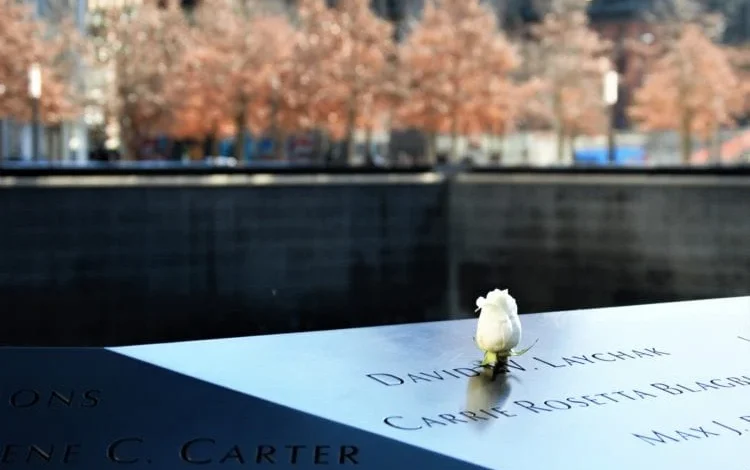
A quarter of a century has passed since the morning of September 11, 2001, a date that fundamentally altered the trajectory of modern history, geopolitical relations, and the collective consciousness of the United States. Nearly 3,000 lives were claimed in a coordinated series of terrorist attacks orchestrated by al-Qaeda, utilizing hijacked commercial airliners as guided missiles. The events of that day laid bare the vulnerabilities of the modern globalized world, reshaping domestic security, foreign policy, aviation standards, and the daily realities of citizens worldwide. As the year 2026 marks the 25th anniversary of the tragedy, the shadow of 9/11 remains deeply embedded in the American landscape, balancing an enduring legacy of profound national grief with a steadfast recognition of extraordinary human courage.
The Chronology of a Catastrophe
The sequence of events unfolded with terrifying speed on a clear late-summer Tuesday morning, paralyzing the nation in real-time as millions watched television broadcasts depict the unimaginable.
At 8:46 a.m. EDT, American Airlines Flight 11, a Boeing 767 hijacked after departing from Boston Logan International Airport, crashed into the northern facade of the World Trade Center’s North Tower (1 WTC) in New York City. Initially viewed by many as a catastrophic aviation accident, the grim reality of a deliberate attack became unmistakably clear at 9:03 a.m., when United Airlines Flight 175—also a hijacked Boeing 767 out of Boston—slammed into the South Tower (2 WTC).
The crisis escalated further at 9:37 a.m. when American Airlines Flight 77 struck the western wedge of the Pentagon, the headquarters of the United States Department of Defense, located just outside Washington, D.C. Amid the escalating chaos, a fourth hijacked aircraft, United Airlines Flight 93, experienced an onboard insurrection by passengers and crew who had learned of the earlier strikes via phone calls. Recognizing that their plane was destined to serve as a weapon against a high-value target in Washington, presumably the U.S. Capitol or the White House, the passengers fought back against the hijackers. At 10:03 a.m., Flight 93 crashed into an open field in Shanksville, Pennsylvania, preventing the terrorists from reaching their intended target at the cost of all 40 lives on board.
Back in New York City, the structural integrity of the Twin Towers could not withstand the kinetic impact and the intense, multi-floor jet fuel-fueled fires. The South Tower collapsed at 9:59 a.m. after burning for 56 minutes, followed by the collapse of the North Tower at 10:28 a.m., roughly 102 minutes after the initial strike. The collapses obliterated the core of the financial district, creating massive plumes of toxic debris and reducing iconic skyscrapers to mountainous piles of rubble.
Human Toll and Long-Term Health Consequences
The official death toll from the September 11 attacks stands at 2,977 victims, excluding the 19 al-Qaeda hijackers. This staggering figure includes 2,463 victims at the World Trade Center site, 189 people at the Pentagon, and 40 passengers and crew members on Flight 93. The victims represented citizens from over 90 countries, turning an American tragedy into a global loss.

The immediate casualties, however, represent only a fraction of the human cost. The rescue and recovery operations at Ground Zero, the Pentagon, and the Shanksville crash site exposed hundreds of thousands of first responders, construction workers, volunteers, and local residents to a toxic cocktail of pulverized concrete, asbestos, heavy metals, glass fibers, and burning jet fuel.
In the decades following the attacks, thousands of individuals who survived the initial catastrophe or labored in the rescue and recovery zones have developed debilitating, chronic illnesses. These include various forms of aggressive cancers, pulmonary fibrosis, severe asthma, and post-traumatic stress disorder (PTSD). Programs such as the World Trade Center Health Program and the September 11th Victim Compensation Fund have documented a rising death toll among first responders and cleanup workers—individuals whose delayed casualties are directly linked to their selfless heroism in the immediate aftermath of the disaster.
Geopolitical and Societal Transformations
The implications of September 11 triggered a massive restructuring of domestic governance and international relations. Domestically, the federal government enacted sweeping legislation, most notably the USA PATRIOT Act, which significantly expanded the surveillance and investigative powers of law enforcement and intelligence agencies in the name of national security.
The attacks also gave birth to the Department of Homeland Security in 2002, consolidating dozens of federal agencies into a unified department focused on counterterrorism and emergency response. Air travel was permanently transformed. The creation of the Transportation Security Administration (TSA) in late 2001 introduced rigorous screening protocols, standardized baggage checks, and heightened security checkpoints that remain a ubiquitous aspect of modern travel. Over two decades later, the ripple effects of these security shifts continue to manifest, including the implementation of enhanced domestic identification standards, such as the Real ID requirements that took full effect across the United States.
On the international stage, 9/11 served as the catalyst for the Global War on Terrorism. The United States, backed by a broad international coalition, launched military interventions in Afghanistan in October 2001 to dismantle al-Qaeda and depose the Taliban regime that harbored them. This was followed by the invasion of Iraq in 2003. These protracted military engagements spanned two decades, resulting in the loss of thousands of U.S. service members, hundreds of thousands of civilian casualties, trillions of dollars in expenditures, and profound geopolitical destabilization across the Middle East.
Architecture, Memory, and the Physical Landscape
The physical skyline of Lower Manhattan was permanently altered by the destruction of the World Trade Center complex. In the years following the tragedy, an extensive master-planning effort transformed the site into a space dedicated simultaneously to commerce, remembrance, and resilience.
The National September 11 Memorial & Museum, designed by architect Michael Arad and landscape architect Peter Walker, opened to the public in 2011 and 2014, respectively. Centered around two massive reflecting pools set within the footprints of the original Twin Towers, the memorial honors every person who died in the 2001 attacks, as well as the six victims of the 1993 World Trade Center bombing. Surrounding the memorial, a new complex featuring One World Trade Center—often referred to as the Freedom Tower—rose to a symbolic height of 1,776 feet, reasserting the resilience of New York City and the nation.
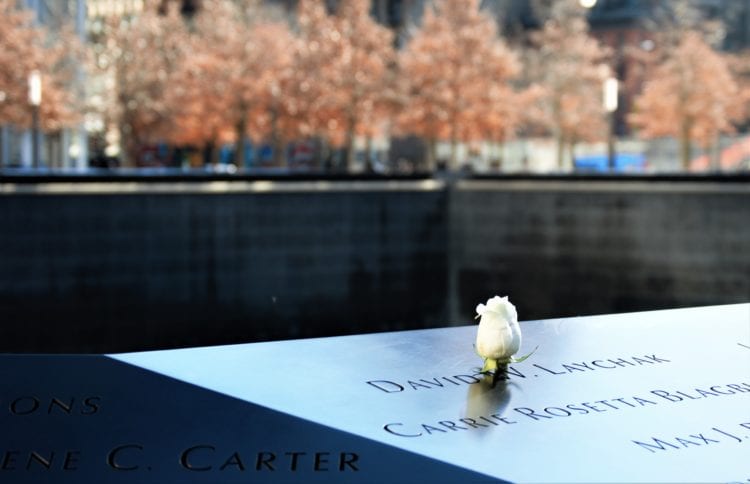
Similar memorials were established at the Pentagon and in Shanksville, Pennsylvania, ensuring that the sacrifice of those who died in defense of others is permanently etched into the American consciousness.
Legacies of Heroism and Selflessness
While the structural and political repercussions of 9/11 define the macro-level history of the era, the micro-level human stories of sacrifice remain the emotional core of the anniversary. The day brought forth extraordinary acts of bravery by ordinary citizens and professional emergency personnel alike.
Among them was Tom Burnett, who, alongside fellow passengers Todd Beamer, Jeremy Glick, and Mark Bingham, organized the revolt aboard United Flight 93. Recognizing the imminent danger to national monuments and civilian lives in Washington, D.C., Burnett famously told his wife on a phone call from the plane, "Don’t worry, we’re going to do something," paving the way for Beamer’s rallying cry, "Let’s roll." Their actions thwarted the hijackers’ objectives at the ultimate cost of their lives.
In the skies above, military personnel demonstrated split-second resolve. Air Force pilot Heather "Lucky" Penney and her commanding officer prepared to intercept United Flight 93 in unarmed F-16 fighter jets, understanding that stopping the hijacked aircraft would require a deliberate kamikaze mission. Their flight ultimately proved unnecessary due to the passengers’ intervention on Flight 93, but their willingness to trade their lives for unknown citizens exemplifies the highest standard of duty.
On the ground in New York, individuals like Rick Rescorla, head of security for financial firm Morgan Stanley in the South Tower, utilized his military background to defy initial building management instructions to stay put. Rescorla systematically evacuated over 2,700 company employees, singing through a bullhorn to maintain calm, before returning into the stairwells to search for stragglers. Rescorla was killed when the tower collapsed, but his leadership saved countless lives. Similarly, Captain Kathy Mazza, a Port Authority police commander, rushed into the North Tower to lead evacuation efforts, ultimately giving her life in the line of duty.
Conclusion: A Nation Shaped by Resilience
As the United States and the international community mark the 25th anniversary of September 11, the legacy of the tragedy is multifaceted. It remains a stark reminder of the persistent threat of asymmetric warfare and the profound cost of political conflict. Yet, it also endures as a testament to human endurance, solidarity, and altruism.
Twenty-five years later, the question of whether the country has fully recovered is complex. The world initiated by 9/11 is marked by heightened vigilance, geopolitical friction, and structural changes that govern daily life from airport terminals to government offices. However, the collective memory of the event is equally anchored in the legacy of those who responded to terror with unity and courage. In honoring the victims and celebrating the heroes—from the passengers of Flight 93 to the first responders who labored in the dust of Ground Zero—society reaffirms that the truest response to devastation is the persistent defense of human life and shared democratic values.
Related posts: