The Evolution of Modern Travel Gear and the Strategic Optimization of the Global Portable Equipment Market


The global travel accessories market, valued at approximately USD 48.2 billion in 2023, is undergoing a transformative shift as consumer preferences move away from traditional bulk luggage toward high-utility, minimalist, and technologically integrated equipment. As international tourism continues its post-pandemic recovery, reaching nearly 88% of pre-pandemic levels by the end of last year, the demand for specialized gear has shifted from mere convenience to essential survival and productivity tools. Industry experts and veteran travelers, some with over a decade of experience navigating more than 60 countries with single 40-liter backpacks, have identified a specific hierarchy of needs that defines the modern "essential" kit. This evolution reflects a broader socio-economic trend toward digital nomadism and sustainable tourism, where the utility of an item is measured by its weight-to-value ratio and its ability to mitigate the logistical friction of international movement.
Technological Integration and the Rise of the Digital Nomad Kit
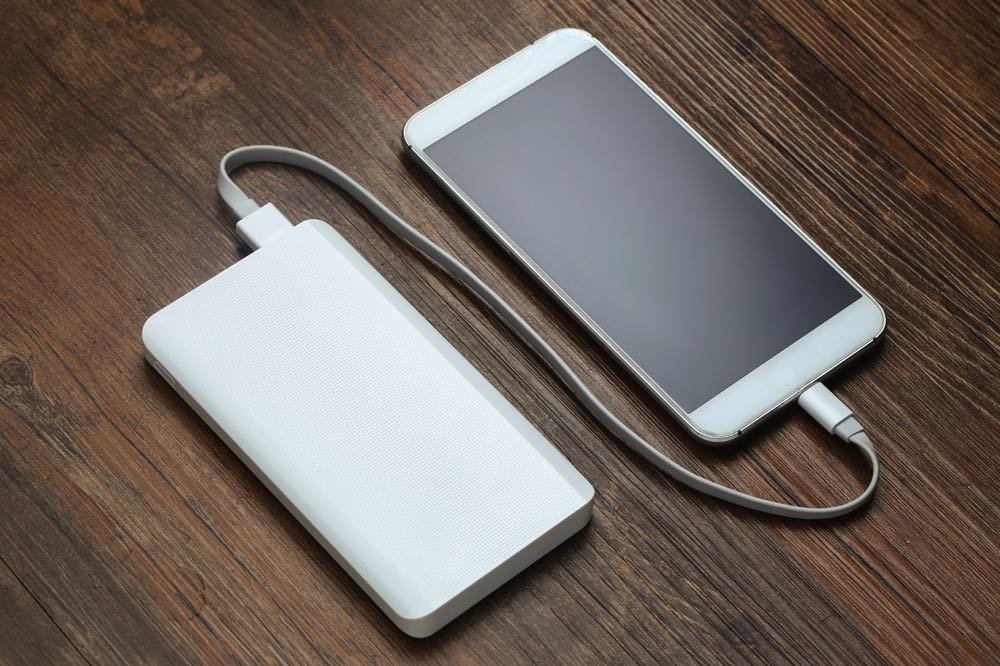
The intersection of consumer electronics and travel has birthed a new category of "must-have" items that prioritize connectivity and content creation. Market data indicates that the portable power bank industry alone is expected to reach USD 27.8 billion by 2030, driven by the increasing reliance on smartphones for navigation, translation, and digital payments. Professional travelers now advocate for a tiered charging strategy, utilizing multi-output power banks, such as those produced by RavPower or TP-Link, which can provide up to six full charges for a standard smartphone. This is supplemented by ultra-portable "card-sized" chargers for emergency boosts during city transit.
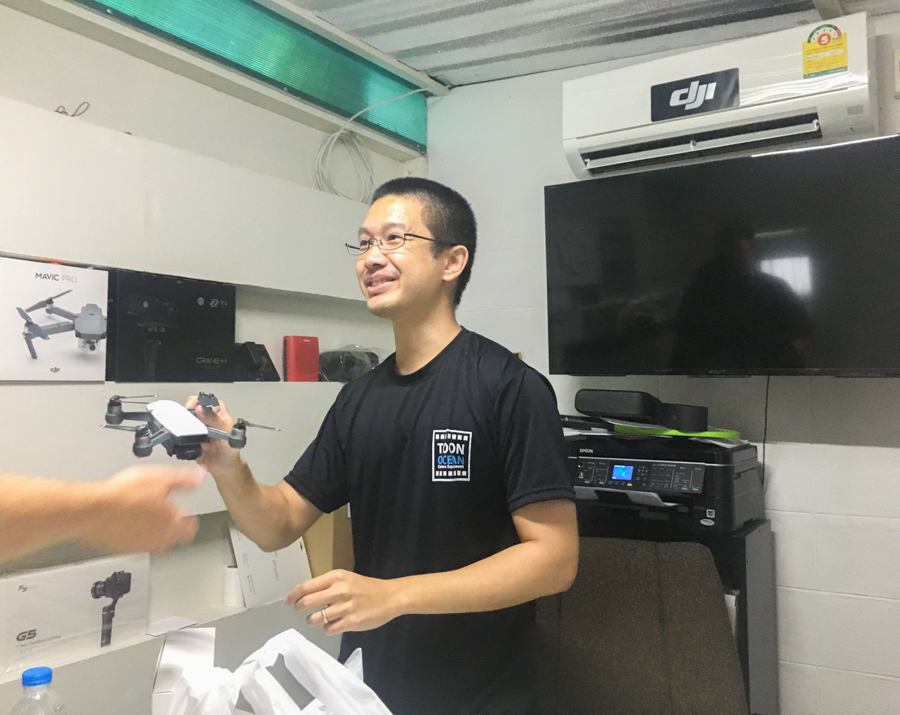
In the realm of content creation, the democratization of aerial photography has seen drones move from professional film sets to the backpacks of casual tourists. The development of sub-250-gram drones, such as the DJI Mavic Mini and its predecessors like the Spark, has bypassed many of the stringent registration requirements in various jurisdictions while offering 2.7K or 4K video capabilities. Similarly, the compact camera market remains resilient despite smartphone improvements; devices like the Sony RX100 VII and Canon G7X Mark II offer optical zoom and sensor sizes that mobile devices cannot yet replicate, which is crucial for the growing demographic of travel influencers and professional vloggers.
Audio Engineering and Personal Space Management
As travel becomes more accessible, the density of transit hubs and low-cost accommodations has increased, making noise pollution a primary concern for traveler well-being. Noise-canceling technology has transitioned from a luxury to a psychological necessity. Industry leaders such as Bose and Apple have pioneered active noise cancellation (ANC) in earbuds, which utilize internal microphones to scan ambient frequencies and emit anti-noise signals. This technology is particularly vital for long-haul flights, where cabin noise can exceed 80 decibels, contributing to fatigue and "jet lag" symptoms.
For environments where electronic ANC is impractical, the use of high-density foam earplugs, such as the Laser Lite series, remains the industry standard for passive noise reduction. These tools are essential for maintaining circadian rhythms in high-density urban environments or hostels, where external factors like traffic and social activity are beyond the traveler’s control.
The Sustainability Mandate: Waste Reduction and Resource Management
Environmental, Social, and Governance (ESG) trends in the tourism sector have led to a surge in products designed to eliminate single-use plastics. Data from environmental agencies suggest that travelers can consume upwards of 30 plastic bottles during a standard two-week trip in regions with non-potable tap water. To counter this, the adoption of UV-C sterilization pens (Steri-Pens) and high-quality reusable bottles has become a hallmark of the responsible traveler. These devices can neutralize 99.9% of bacteria and viruses in approximately 60 seconds, allowing for the safe consumption of local water sources and drastically reducing the carbon footprint of the journey.
This move toward sustainability extends to personal hygiene. The Diva Cup and other silicone menstrual products have gained significant traction among female travelers due to their eight-hour-plus wear time and the elimination of waste. In many developing regions where waste management infrastructure is lacking or cultural taboos limit the availability of traditional sanitary products, these reusable solutions provide both autonomy and environmental protection.
Logistics, Organization, and the Physics of Packing
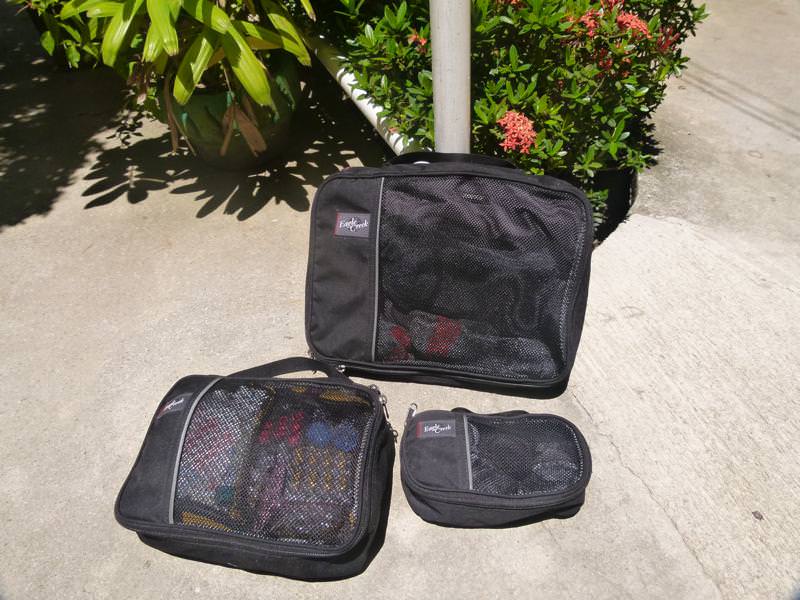
The "One Bag" movement—a philosophy of traveling with only carry-on luggage—has necessitated advancements in organizational gear. Compression technology, specifically zipper-based packing cubes like those from Eagle Creek, allows travelers to maximize the volume of a 40-liter backpack by removing excess air from clothing. This not only improves the weight distribution of the pack but also facilitates faster security screenings and transitions between accommodations.
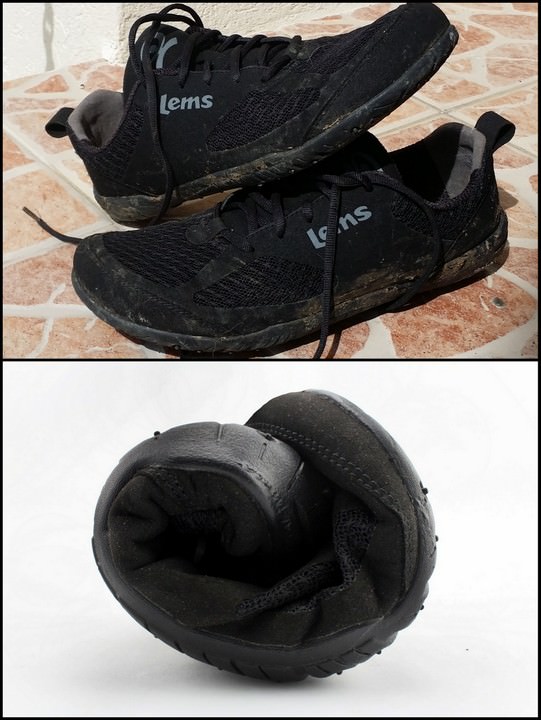
Furthermore, the textile industry has responded with specialized travel apparel. Brands like Prana have integrated recycled materials and organic cotton into high-performance gear that is moisture-wicking, wrinkle-resistant, and aesthetically versatile. The goal is "multi-use" clothing: items that are durable enough for a multi-day trek on the Inca Trail but stylish enough for urban dining. This versatility is mirrored in footwear; the rise of "packable" shoes, such as Lems, which can be rolled into a ball, allows travelers to carry secondary footwear without sacrificing significant volume.
Security Protocols in Unfamiliar Environments
Safety remains a paramount concern in the global travel market, particularly for solo travelers. The portable security industry has seen a rise in low-tech but high-impact solutions. Doorstop alarms, which emit a 120-decibel siren when pressure is applied to a door, provide an extra layer of security in budget accommodations that may lack modern deadbolts. Additionally, the use of TSA-approved locks remains a standard requirement. These locks allow security personnel to inspect luggage using master keys without destroying the locking mechanism, ensuring that the integrity of the traveler’s belongings is maintained throughout the transit process.
Specialized Equipment and Niche Requirements
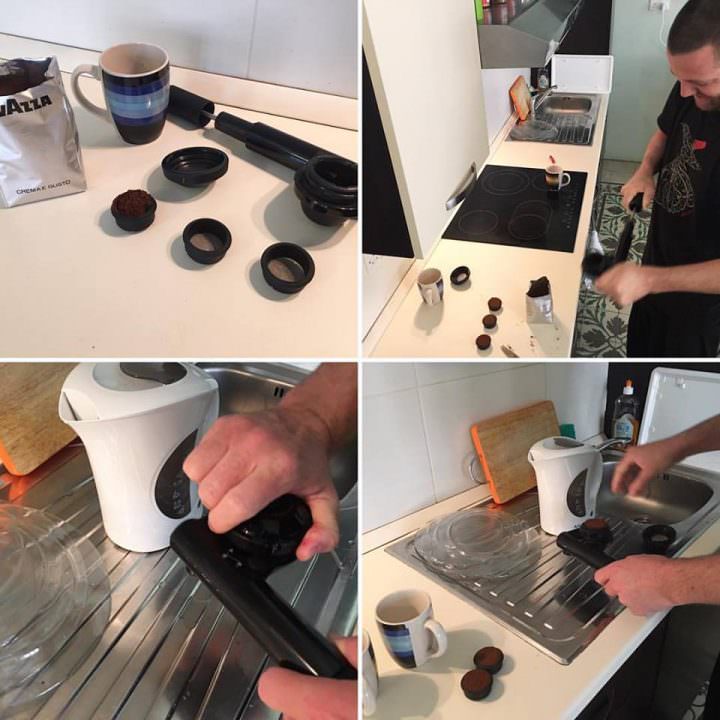
Beyond the standard kit, several specialized items have emerged as "luxury essentials." For coffee enthusiasts, portable hand-pump espresso machines like the Handpresso have gained a cult following. These devices allow for the preparation of high-quality espresso without electricity, offering a significant cost-saving measure in expensive urban centers like Rome or New York, where daily cafe visits can inflate a travel budget by 10-15%.
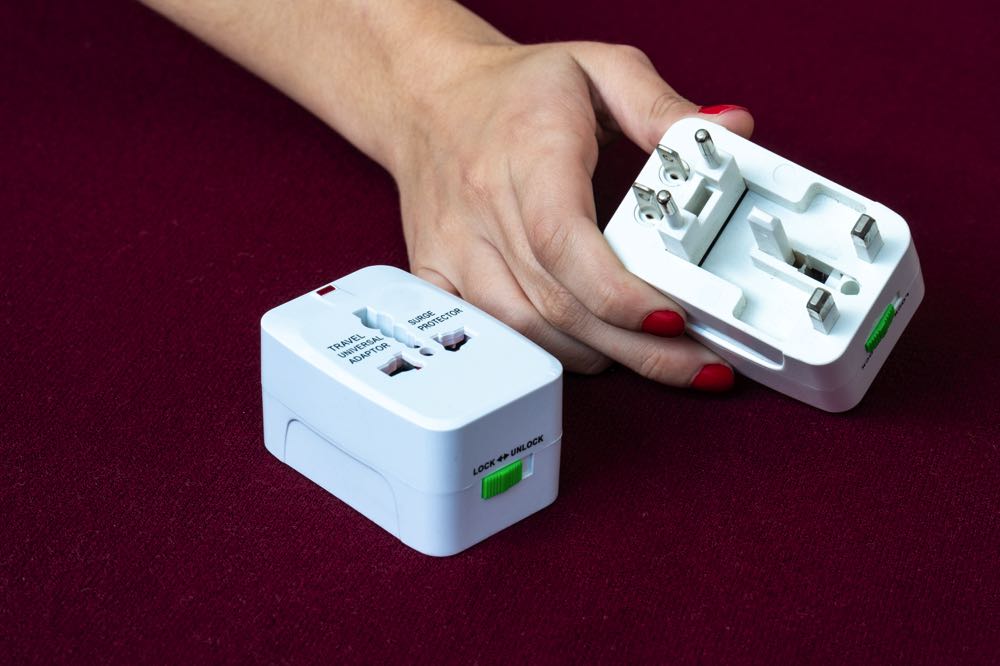
In the grooming sector, the development of cordless, rechargeable hair styling tools has solved the perennial issue of voltage incompatibility and the search for accessible power outlets in older European or Asian hotels. These tools, alongside microbial travel towels—which dry up to ten times faster than standard cotton—address the practical realities of moving frequently between climates and locations.
Chronology of Gear Evolution (2010–2024)
- 2010-2012: The mainstream adoption of packing cubes and the shift toward lightweight, "flashpacker" gear.
- 2014-2015: Drones enter the consumer market, and the first wave of portable water purification pens becomes widely available.
- 2017-2018: Power banks become ubiquitous as smartphone batteries fail to keep up with travel-app demands. Noise-canceling earbuds begin to replace over-ear headphones for portability.
- 2020-2022: A heightened focus on sanitization (wet wipes, UV sterilization) and the rise of "work-from-anywhere" gear.
- 2023-2024: The integration of AI in travel tech and a finalized push toward 100% sustainable, plastic-free travel kits.
Broader Impact and Industry Implications
The refinement of travel gear is not merely a matter of personal comfort; it has significant implications for the global travel economy. As travelers become more self-sufficient through the use of Steri-Pens, portable espresso makers, and high-quality gear, the traditional "tourist trap" economy is being challenged. Travelers are staying longer in remote locations, supported by digital nomad kits that allow them to work and live anywhere.
Furthermore, the pet travel sector is seeing a regulatory shift. Within the United States and abroad, the Air Carrier Access Act and similar international regulations are evolving to better accommodate service animals and pets, leading to a new market for travel crates, behavioral forms, and portable pet essentials.
In conclusion, the modern travel kit is a sophisticated ecosystem of electronics, textiles, and safety equipment. By prioritizing items that offer high durability and multiple functions, the global traveler can navigate increasingly complex international landscapes with greater efficiency and a reduced environmental impact. The shift toward minimalism, far from being a restrictive trend, has empowered a new generation of explorers to move more freely across the globe.