Navigating the Big Apple: The Definitive Neighborhood Guide and Strategic Lodging Analysis for First-Time Visitors to New York City

Planning a maiden voyage to New York City often induces a distinct sense of logistical vertigo. Encompassing five sprawling boroughs, hundreds of unique neighborhoods, thousands of lodging options, and an essentially infinite roster of cultural, historical, and culinary attractions, the metropolis demands deliberate strategic planning. For travelers preparing their inaugural itinerary, determining where to establish a temporary base camp is the single most critical decision affecting the overall quality, efficiency, and enjoyment of the journey.
While the outer boroughs present undeniable appeal through lower average nightly accommodation rates and distinct local character, travel analysts and hospitality experts overwhelmingly advise first-time visitors to secure lodging within the geographical heart of Manhattan. Specifically, Midtown Manhattan emerges as the optimal operational hub for travelers seeking maximum exposure to the city’s iconic landmarks within a compressed timeframe.

Navigating the Five Boroughs: A Comparative Analysis
To understand why location dictates the success of a New York City itinerary, one must examine the distinct topography and urban design of the city’s primary visitor-facing boroughs: Manhattan, Brooklyn, and Queens. Each jurisdiction offers a vastly different urban experience, cost structure, and logistical reality.
Manhattan: The Epicenter of Global Sightseeing
Manhattan functions as the quintessential visual and cultural representation of New York City exported globally through cinema, literature, and media. For travelers embarking on a short introductory trip—typically ranging from a long weekend to seven days—Manhattan delivers unmatched proximity to the global bucket-list items that define the destination.
The borough packs an extraordinary concentration of globally recognized landmarks into a relatively narrow landmass. From the architectural triumph of the Empire State Building and the verdant expanse of Central Park to the commercial energy of Fifth Avenue, the cultural prominence of Broadway, and the historical gravity of Wall Street and the World Trade Center site, Manhattan concentrates the primary tourist infrastructure. Furthermore, the grid system and immense walkability of the borough allow visitors to seamlessly transition between neighborhoods, absorbing the street-level architecture, local commerce, and spontaneous street performances that disappear entirely when navigating underground subway networks.

Within Manhattan, Midtown serves as the ultimate compromise between northern and southern attractions. Bounded roughly by 34th Street to the south and 59th Street to the north, Midtown positions visitors within walking distance of Grand Central Terminal, the New York Public Library, Bryant Park, Rockefeller Center, and the neon-saturated corridors of Times Square. Choosing a Midtown base—such as properties clustered around Madison Avenue—significantly reduces daily transit fatigue, allowing travelers to return to their rooms easily to deposit purchases, refresh before evening dining reservations, or rest between excursions.
Brooklyn: Creative Neighborhoods and Contemporary Culture
Shifting focus across the East River reveals Brooklyn, a borough that has evolved over the past two decades into a cultural destination in its own right. Characterized by leafy brownstone-lined streets, converted industrial warehouses, independent artisanal boutiques, and a celebrated culinary scene, Brooklyn attracts visitors seeking a more localized, contemporary urban atmosphere.
For first-time visitors determined to stay outside Manhattan, neighborhoods such as DUMBO (Down Under the Manhattan Bridge Overpass), Brooklyn Heights, and Williamsburg represent the most viable alternatives. DUMBO and Brooklyn Heights offer immediate proximity to the Brooklyn Bridge, Brooklyn Bridge Park, and celebrated panoramic vantages of the Lower Manhattan skyline. Meanwhile, Williamsburg caters to travelers prioritizing a vibrant nightlife, independent dining concepts, and a flourishing creative arts community.

However, lodging in Brooklyn carries distinct logistical implications. Because the vast majority of traditional tourist attractions remain anchored in Manhattan, visitors based in Brooklyn must routinely factor extended cross-river commutes into their daily schedules. Consequently, tourism boards and seasoned travel coordinators generally recommend Brooklyn as a secondary option reserved for repeat visitors or those embarking on extended stays exceeding one week.
Queens: Culinary Diversity and Local Immersion
Queens represents the most ethnically and culturally diverse urban area in the United States, making it a premier destination for culinary exploration. Representing global flavors ranging from authentic Greek and Colombian fare to traditional regional Chinese, Indian, Mexican, and Korean cuisines, Queens offers an unvarnished, authentic slice of New York residential life.
Neighborhoods like Long Island City have experienced a surge in hotel development, offering modern accommodations that frequently provide larger square footage and more competitive nightly rates compared to comparable properties in Midtown Manhattan. Situated directly across the East River from Midtown, Long Island City maintains rapid transit connectivity into the core of Manhattan.

Despite these advantages, anchoring an inaugural New York trip deep within Queens introduces unnecessary friction. Travelers whose primary itineraries focus on Manhattan landmarks will find themselves spending substantial portions of their vacation navigating subway lines to bridge the geographical gap. Industry analysts emphasize that initial financial savings realized on a Queens hotel room can quickly erode through increased transportation expenditures and lost time.
The Chronology of an Ideal Manhattan Exploration
Structuring a New York itinerary requires a methodical geographic approach to minimize cross-town transit and maximize experiential depth. Seasoned travel planners recommend breaking Manhattan down into distinct regional zones across a multi-day timeline.
Day One: Central and Midtown Manhattan
First-time visitors are best served by beginning their exploration in the immediate vicinity of Midtown. A logical initial day incorporates a walking tour starting at Grand Central Terminal, continuing past the Beaux-Arts architecture of the New York Public Library, and pausing to relax in the immaculately maintained Bryant Park. From there, visitors can ascend the Empire State Building or explore the retail flagships lining Fifth Avenue before concluding the evening amid the theatrical density of Broadway and the illuminated digital displays of Times Square.

Day Two: Chelsea, The High Line, and West Side Culture
A subsequent day transitions westward toward Chelsea and the Meatpacking District. A morning stroll through the sprawling indoor corridors of Chelsea Market provides immediate access to regional culinary vendors before ascending to the High Line. Transformed from an abandoned elevated freight rail line into an internationally acclaimed linear park, the High Line offers elevated gardens, curated public art installations, and unique architectural framing of the surrounding urban grid. The route naturally terminates near Hudson Yards and the Vessel, positioning visitors near the northern terminus of the Hudson River waterfront parks.
Day Three: Lower Manhattan and Financial District History
A dedicated excursion to Lower Manhattan uncovers the foundational layers of the city’s history. Beginning at Battery Park, travelers can observe distant vistas of the Statue of Liberty before proceeding northward along historic Broadway. Key waypoints include the iconic Charging Bull sculpture, Trinity Church, and the historic canyons of Wall Street. Continuing westward leads to the solemn reflection spaces of the 9/11 Memorial and Museum at the World Trade Center complex.
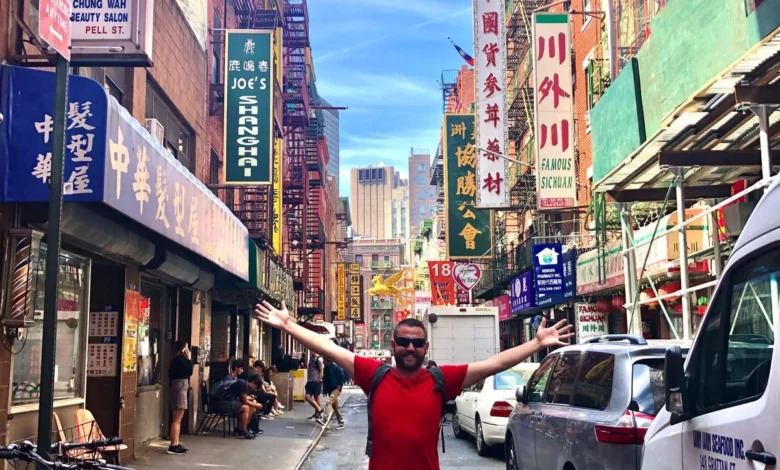
To conclude a Lower Manhattan itinerary, visitors frequently cross into the distinct cultural enclaves of Chinatown and Little Italy. Culinary historians and travel writers consistently highlight Chinatown as a mandatory gastronomic stop, with institutions such as Joe’s Shanghai offering world-renowned soup dumplings that anchor the neighborhood’s culinary reputation.

Strategic Lodging Considerations and Industry Analysis
Hospitality market data indicates that hotel occupancy rates in New York City consistently rank among the highest in North America, with average daily rates fluctuating significantly depending on seasonality, major corporate conventions, and holiday periods.
Choosing a central property, such as the historically significant NH Collection New York Madison Avenue—housed within a meticulously restored 1923 structure—exemplifies the strategic value of prime positioning. Properties situated within the transit corridors of Midtown grant guests immediate pedestrian access to multiple subway trunk lines, including the 4, 5, 6, 7, and S trains at Grand Central. This level of connectivity ensures that even if travelers wish to venture outward to Brooklyn or Queens for an evening dining reservation, the return journey remains swift and uncomplicated.
Ultimately, while secondary boroughs like Brooklyn and Queens offer exceptional neighborhood culture and culinary excellence, Manhattan remains the undisputed launchpad for first-time arrivals. By prioritizing geographical convenience over marginal accommodation savings, visitors can optimize their time, minimize transit fatigue, and fully immerse themselves in the kinetic energy that defines America’s most dynamic urban center.