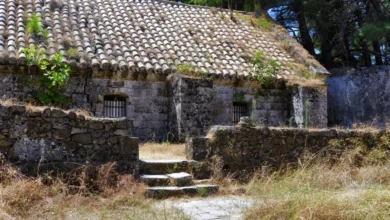
From Alpine Peaks to Ancient Caves: The Dual Landscape of Mount Erciyes and Cappadocia

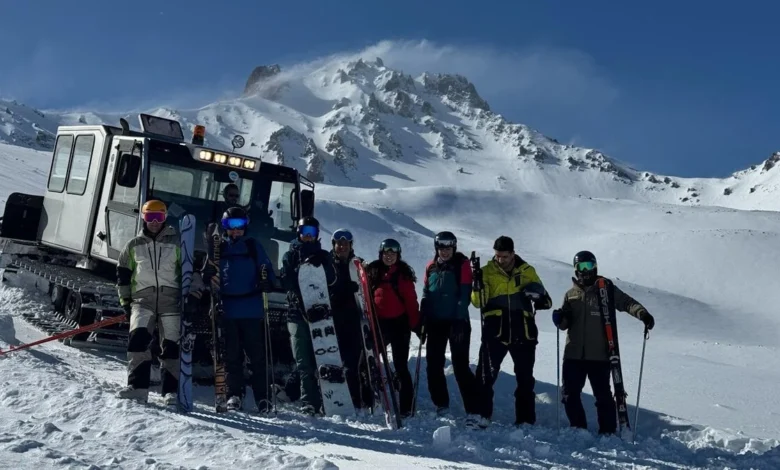
The snow-capped summit of Mount Erciyes, a dormant stratovolcano rising 3,917 meters above the Central Anatolian steppe, serves as the centerpiece for one of Turkey’s most ambitious winter tourism initiatives. While international travelers have long flocked to the region for the geological wonders of Cappadocia, the integration of high-altitude catskiing on the volcanic slopes of Erciyes has introduced a new dimension to the Turkish winter sports sector. This transition from high-altitude athletic performance to the historical depths of subterranean cities represents a unique convergence of extreme sports and cultural heritage.
The Geological and Climatic Foundation
Mount Erciyes is not merely a ski destination; it is the geological architect of the surrounding landscape. Millions of years of volcanic activity, specifically from Erciyes and the neighboring Hasan Dağ, deposited vast layers of ash and lava. Over geological time, this ash compacted into tuff, a soft, porous rock that enabled the inhabitants of Cappadocia to carve complex dwellings, churches, and entire underground cities into the earth.
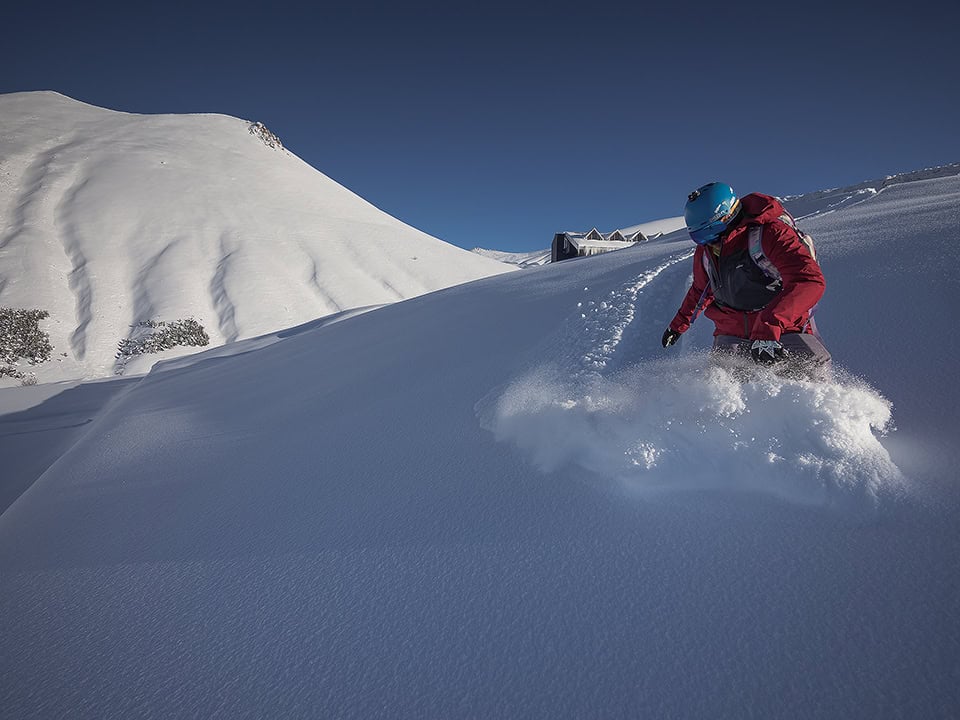
The symbiotic relationship between the mountain’s elevation and the region’s arid climate creates a specific snow profile. Because the surrounding mountain ranges strip moisture from incoming winter storm systems, the snow that accumulates on Erciyes is characteristically dry, light, and powdery. This “champagne powder,” found typically at altitudes above 3,000 meters, has become the primary draw for the nascent catskiing industry in the region.
A Chronology of a High-Altitude Day
A typical excursion begins at first light, as teams depart from alpine lodges at the base of the Erciyes Ski Resort. The logistics of this operation require precise timing, as the transition from the mountain to the subterranean historical sites involves a significant geographic shift.
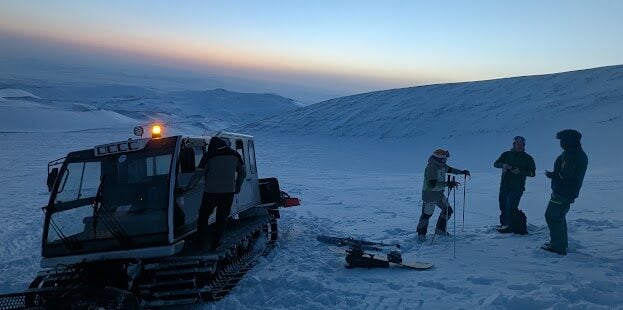
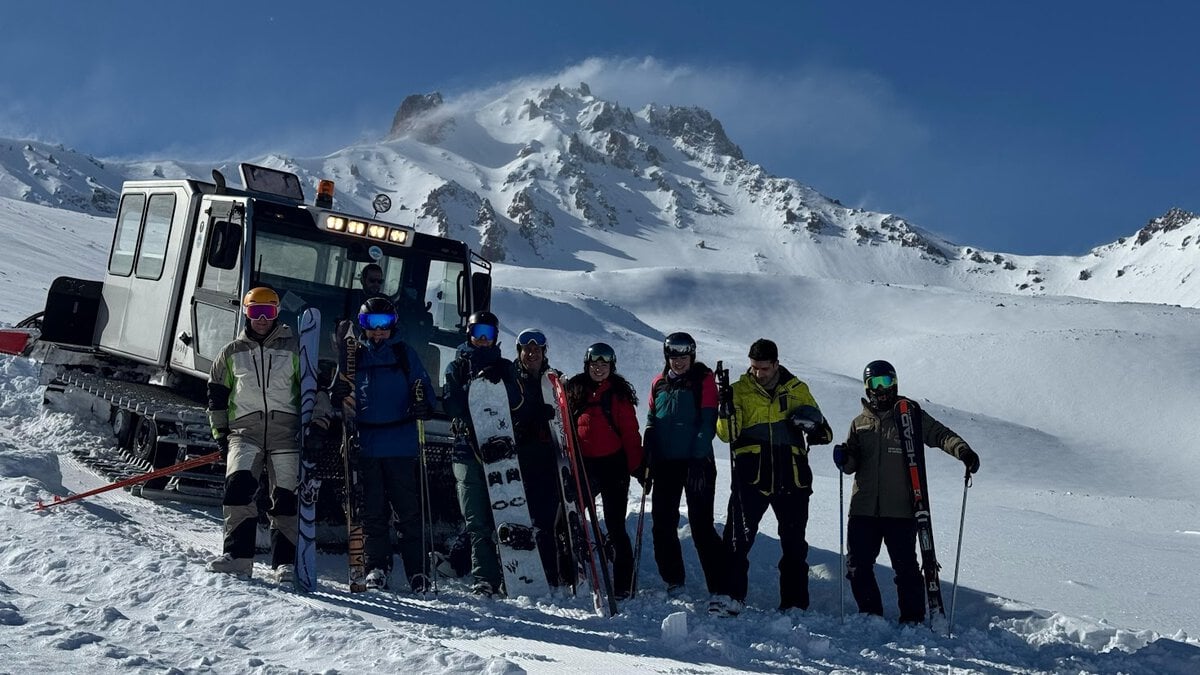
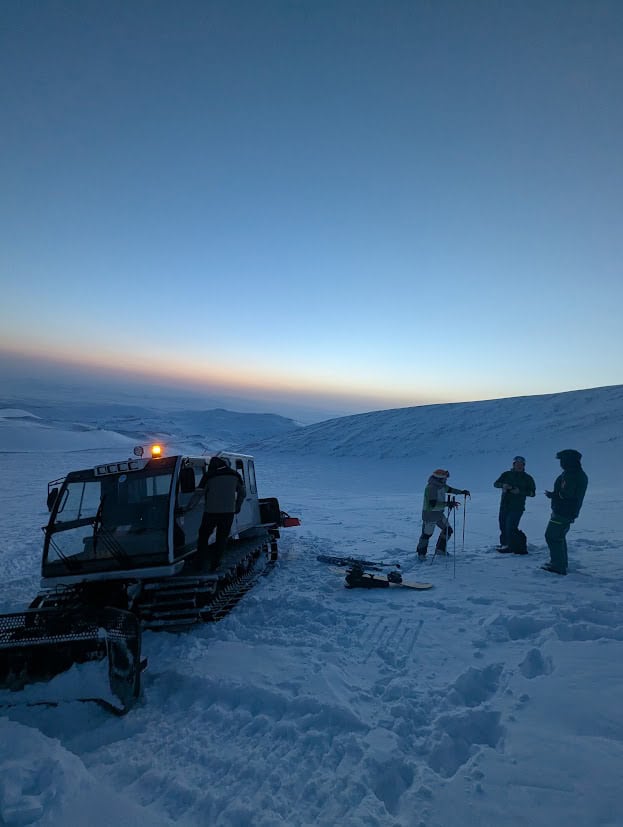
- 06:00 – 08:00: Departure from the lodge. Equipment is loaded onto specialized snowcats, which provide heated transport for small groups of approximately 10 individuals.
- 08:00 – 11:00: Ascent to the upper reaches of the volcano. The snowcats bypass the conventional lift-served terrain, which concludes at 3,350 meters, and deposit skiers at the 3,400-meter mark.
- 11:00 – 14:00: Descent of the "Devil’s Route" (Şeytan Rotası). This line offers a 1,400-meter vertical drop. In instances where wind conditions render the primary route hazardous, guides redirect groups to the "Shepherd’s Descent" (Çoban İni), ensuring continuous access to un-groomed, deep-powder terrain.
- 14:00 – 15:00: Transit. Guests descend from the alpine environment to the Cappadocia plateau, a one-hour drive that marks a shift in both elevation and historical context.
- 15:00 – 18:00: Exploration of rock-cut architecture. The itinerary includes visits to the Göreme Open-Air Museum and the underground city systems, providing a stark contrast to the morning’s activity.
Economic and Logistical Framework
The tourism model in Erciyes is increasingly shifting toward bundled, multi-day packages. Current market data for the 2026 winter season indicates that all-inclusive, seven-night packages—which cover half-board accommodation, five-day lift passes, equipment rentals, and the specialized Cappadocia excursion—begin at approximately $1,886 per person.
It is important to note for prospective travelers that the high-intensity catskiing component is frequently an optional add-on rather than a standard inclusion. Because catskiing requires specialized mechanical maintenance and experienced mountain guides, availability is limited. Industry experts suggest that travelers prioritize pre-booking these sessions to ensure access, as the demand for private or small-group cat access often outstrips supply during peak winter weeks.
Professional Perspectives and Safety Protocols
The inclusion of high-altitude, off-piste skiing in a non-traditional market like Turkey has necessitated a rigorous approach to safety and local knowledge. According to local mountaineering experts, the reliance on guides who were born and raised at the foot of the volcano is not merely a cultural amenity; it is a critical safety requirement. These guides possess an intimate understanding of the mountain’s microclimates and wind-loading patterns, which are the primary determinants of avalanche risk on a volcanic peak.
"The mountain is unpredictable," notes one senior guide who works with local tourism operators. "A bowl that is perfect at 9:00 a.m. can be compromised by wind-drift by 11:00 a.m. The ability to read the volcano’s behavior is what dictates the success and safety of the day."
The Socio-Economic Impact on Central Anatolia
The development of the Erciyes-Cappadocia corridor serves as a strategic attempt by the Turkish Ministry of Culture and Tourism to extend the tourism season. Historically, Cappadocia has functioned as a year-round destination, but the winter months traditionally saw a dip in occupancy. By anchoring winter sports at Erciyes—located only 40 minutes from the regional transit hub at Kayseri Erkilet Airport (ASR)—the region has successfully leveraged existing infrastructure to attract a new demographic of adventure tourists.
The economic implications are twofold. First, it diversifies the regional economy, moving beyond the summer-centric "sun and sand" model that dominates coastal Turkey. Second, it encourages longer stays, as international visitors often spend their first three days skiing before transitioning to cultural tours, a pattern that significantly increases the average daily spend per tourist.
Comparative Analysis: The Alps vs. The Anatolian Steppe
When compared to established European hubs such as Austria’s Ötztal Valley, Mount Erciyes presents a distinct profile. While the Alps offer a higher density of lift-serviced runs and established après-ski infrastructure, Erciyes provides a "frontier" experience. The ability to access 1,400 meters of vertical descent in a single run, followed by an evening in a 1,000-year-old underground city, offers a value proposition that is currently difficult to replicate in Western Europe.
However, the "honesty" of the destination lies in its limitations. For the casual skier looking for luxury amenities and high-speed chairlift networks, Erciyes may appear utilitarian. For the backcountry enthusiast, the lack of crowd density and the sheer scale of the terrain provide an experience that is closer to the wilderness-style skiing found in Canada or the Caucasus Mountains of Georgia.
Conclusion and Future Outlook
The fusion of high-altitude performance and subterranean history creates a travel experience that relies heavily on the stark contrast of the landscape. The psychological transition from the harsh, windswept volcanic summit to the quiet, stable temperatures of a hand-carved stone cellar is, for many, the highlight of the journey. As Turkey continues to refine its winter tourism offerings, the "White Route to Cappadocia" serves as a prototype for how countries can leverage natural geography—both above and below ground—to create high-value, niche tourism products.
For those planning a visit, the recommendation remains consistent: monitor weather conditions closely, ensure that off-piste gear is secured in advance, and prepare for the physiological demands of shifting from 3,400 meters of altitude to the deep, compressed air of the subterranean cities. As the saying among locals goes, "Erciyes is the architect of Cappadocia"—and witnessing both the structure and the foundation in a single day remains a singular experience in modern adventure travel.