A Comprehensive Health and Safety Guide for East African Safaris: Essential Preparations for Kenya, Tanzania, Uganda, and Zanzibar

The allure of an East African safari remains one of the most enduring draws in the global travel industry, attracting millions of visitors annually to the vast plains of the Serengeti, the dense forests of Uganda, and the white-sand coastlines of Zanzibar. According to data from the World Travel & Tourism Council (WTTC), the tourism sector in East Africa has seen a significant post-pandemic recovery, with Kenya and Tanzania leading as primary hubs for wildlife enthusiasts. However, the transition from a standard urban environment to the rugged, remote terrains of the African bush necessitates a rigorous approach to health and safety. Unlike a typical metropolitan vacation, a safari involves navigating rural landscapes, enduring long road transfers, and entering ecological zones where specific infectious diseases and environmental hazards are prevalent. Professional health preparation is not merely a recommendation but a foundational component of a successful expedition.
The Critical Importance of Early Medical Consultations
Medical experts and international health organizations, including the Centers for Disease Control and Prevention (CDC) and the World Health Organization (WHO), emphasize that travel health planning should begin a minimum of six to eight weeks prior to departure. This lead time is essential because several prophylactic treatments and vaccinations require multiple doses or specific windows of time to achieve maximum efficacy. For instance, the Hepatitis B series requires months to complete, while the Yellow Fever vaccine must be administered at least ten days before entering a country to be legally recognized and medically effective.
A specialized travel medicine consultation is the first step in this process. Unlike a general practitioner, a travel health specialist evaluates a traveler’s specific itinerary against current epidemiological data. A traveler spending three days in a high-end Nairobi hotel faces a vastly different risk profile than one trekking through Uganda’s Bwindi Impenetrable Forest to view mountain gorillas. Clinicians require a detailed itinerary to assess risks associated with altitude, local outbreaks, and the proximity of medical facilities. Travelers should be prepared to discuss their history of chronic conditions, such as asthma or cardiovascular issues, which may be exacerbated by the dust and physical exertion inherent in safari travel.
Vaccination Protocols and Legal Requirements
Navigating the vaccination landscape for East Africa requires a distinction between routine immunizations, recommended travel vaccines, and mandatory legal requirements. Routine vaccines, including Measles-Mumps-Rubella (MMR), Tetanus-Diphtheria-Pertussis, and Polio, should be updated regardless of the destination. For East Africa, the medical community frequently recommends vaccinations for Hepatitis A and Typhoid, both of which are transmitted through contaminated food and water.
Yellow Fever remains a primary concern for travelers moving between East African nations. Countries such as Kenya, Tanzania, and Uganda often require proof of vaccination—the International Certificate of Vaccination or Prophylaxis (ICVP)—especially if the traveler is arriving from or has transited through a country with a risk of Yellow Fever transmission. Border officials at points of entry, such as Kilimanjaro International Airport or the Namanga border crossing between Kenya and Tanzania, frequently audit these "yellow cards." Failure to produce a valid certificate can result in denied entry or mandatory vaccination at the border, which carries its own set of medical risks.
Furthermore, depending on the specific activities planned, such as caving or extended rural stays, vaccines for Rabies, Meningitis, and Cholera may be advised. The rise of "adventure tourism" has seen an increase in travelers seeking off-the-beaten-path experiences, making these secondary vaccinations more relevant than in previous decades.
Malaria Prevention and Vector-Borne Diseases
Malaria is arguably the most significant health risk for safari-goers in East Africa. The region is home to the Anopheles mosquito, which transmits Plasmodium falciparum, the most severe form of the malaria parasite. According to the WHO World Malaria Report, East Africa continues to bear a high burden of the disease, although risk levels vary significantly by altitude and season. High-altitude regions like the Ngorongoro Crater rim may have lower transmission rates than the humid lowlands of Zanzibar or the shores of Lake Victoria.
Prevention is based on a dual-layered strategy: chemoprophylaxis and bite avoidance. Travelers are typically prescribed one of three primary medications: Atovaquone-proguanil (Malarone), Doxycycline, or Mefloquine (Lariam). Each has a different dosage schedule and side-effect profile; for example, Malarone is taken daily and has fewer side effects for most, while Doxycycline increases sensitivity to the sun—a major factor under the equatorial sun.
Bite avoidance is equally critical, as mosquitoes also transmit other viruses for which there are no vaccines, such as Dengue and Chikungunya. A professional-grade repellent containing 30-50% DEET or Picaridin is the gold standard. Additionally, treating clothing with Permethrin—an insecticide that remains effective through multiple washes—provides an essential barrier. Most reputable safari lodges provide mosquito netting over beds and "turn-down" services that include spraying rooms with insecticide, but personal vigilance during the peak biting hours of dawn and dusk is indispensable.
Environmental Hazards: Heat, Dust, and the "African Massage"
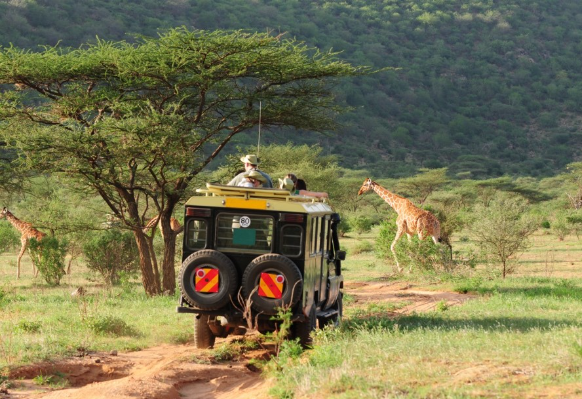
The physical demands of a safari are often underestimated. Travelers spend long hours in customized 4×4 vehicles navigating unpaved, corrugated roads—a phenomenon colloquially known as the "African massage." The combination of vibration, heat, and pervasive dust can lead to physical exhaustion, respiratory irritation, and dehydration.
The equatorial sun is significantly more intense than in temperate climates. Heat exhaustion and heatstroke are real threats, particularly during game drives in open-roof vehicles. Hydration protocols should involve drinking treated or bottled water consistently, even when thirst is not immediate. For those with respiratory sensitivities, the fine dust of the Serengeti or the Kalahari can trigger asthma or sinus issues; wearing a light scarf or "buff" over the face during dry-season drives is a common and effective mitigation strategy.
Moreover, the "Big Five" safari experience often involves early morning departures (5:00 AM) and late arrivals, which can disrupt sleep patterns and weaken the immune system. Integrating "buffer days" into an itinerary—periods of rest where no game drives are scheduled—is a strategy increasingly recommended by tour operators to ensure travelers remain healthy throughout their journey.
Food and Water Safety in Remote Regions
Gastrointestinal distress, often labeled "traveler’s diarrhea," is the most common ailment affecting international visitors. While luxury lodges maintain high standards of hygiene, the logistics of transporting fresh produce to remote areas like the Masai Mara or the Serengeti create inherent risks. The standard medical advice remains: "Boil it, cook it, peel it, or forget it."
Travelers should avoid tap water entirely, including for brushing teeth, unless the lodge explicitly states it has a sophisticated filtration system. Ice is a frequent culprit of contamination and should be avoided in informal settings. Furthermore, while the temptation to sample "street food" in cities like Stone Town, Zanzibar, is high, travelers should exercise extreme caution, selecting vendors where food is cooked fresh at high temperatures in front of the customer.
Emergency Logistics and Medical Evacuation
One of the most critical components of safari preparation is understanding the limitations of local healthcare. In remote parks, the nearest hospital capable of handling a major trauma or severe illness may be hundreds of miles away. Consequently, comprehensive travel insurance that includes emergency medical evacuation (medevac) is mandatory.
Organizations such as the AMREF Flying Doctors provide specialized air ambulance services across East Africa. Many high-end tour operators include AMREF membership in their packages, ensuring that if a client falls ill in a remote camp, a bush plane equipped with ICU facilities can be dispatched to the nearest airstrip. Travelers should verify these arrangements before departure and carry both digital and physical copies of their insurance policy and emergency contact numbers.
In recent years, the rise of digital health platforms has filled a vital gap for non-emergency care. Services like Air Doctor allow travelers to find vetted, English-speaking local doctors for clinic visits or video consultations. This is particularly useful for managing minor infections, skin rashes, or prescription refills without needing to navigate a foreign hospital system blindly.
Managing Chronic Conditions and Specialized Needs
For travelers with pre-existing conditions, a safari requires extra layers of logistics. Medications should be carried in original packaging with a copy of the prescription to avoid issues at customs. It is also advisable to carry a "doctor’s letter" summarizing the medical history and current treatment plan. For those with allergies, especially to insect stings or specific foods, carrying an EpiPen is essential, as access to emergency epinephrine in the bush is not guaranteed.
Demographic considerations are also vital. For older travelers, the bumpy terrain can be taxing on the spine and joints, necessitating the use of supportive cushions or more frequent breaks. For families traveling with young children, the risk of malaria and the intensity of the sun require even more stringent monitoring, as children can dehydrate much faster than adults.

The Broader Impact: Health-Conscious Tourism
The emphasis on traveler health has a broader implication for the region. By arriving prepared and vaccinated, tourists reduce the risk of introducing or spreading infectious diseases within local communities. Furthermore, the demand for high-quality medical support for tourists has spurred investment in private healthcare infrastructure in hubs like Nairobi and Dar es Salaam, which occasionally benefits local populations through improved facilities and emergency response capabilities.
A safari in East Africa is a transformative experience, offering a window into the world’s most spectacular ecosystems. However, the majesty of the landscape is matched by its biological and environmental complexity. The difference between a trip defined by wonder and one defined by medical crisis often comes down to the hour spent in a travel clinic weeks before departure. By treating health preparation as an integral part of the adventure, travelers ensure they are physically equipped to witness the Great Migration, the mountain gorillas of the mist, and the vibrant cultures of the East African interior with clarity and resilience.