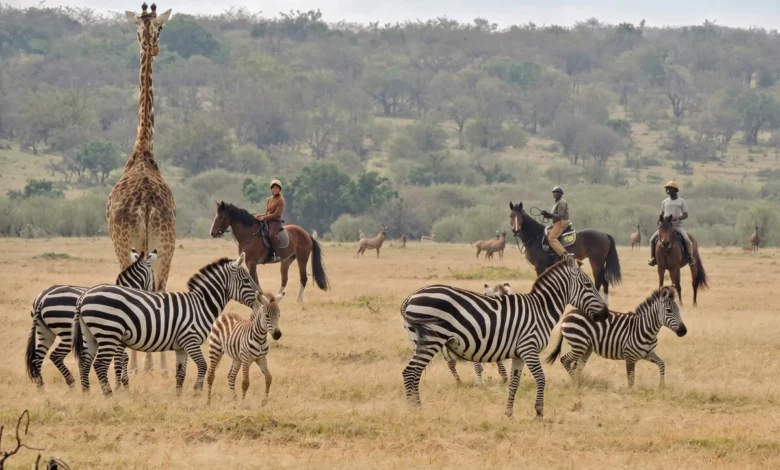
Tamara Britten’s journey from a four-year-old expatriate arriving in Nairobi to the founder of a regional travel network spanning five East African nations mirrors the rapid modernization of the continent. Her trajectory, marked by diverse global experiences in Bangkok, Hong Kong, and Namibia, eventually culminated in a return to East Africa, where she has leveraged her deep-seated familiarity with the region to establish Karibu Kenya and Exclusive Ethiopia. These ventures operate at the intersection of luxury tourism, conservation, and cultural integration, reflecting the broader evolution of the African travel sector over the last four decades.
A Historical Context of East African Tourism
The landscape of East African tourism has shifted significantly since the 1970s. In the mid-20th century, travel to Kenya and its neighbors was largely the preserve of intrepid adventurers and colonial-era expatriates. Britten’s early memories—defined by the red soil of the Kenyan savannah and the rudimentary infrastructure of the era—contrast sharply with the current reality of a digital-first, technologically advanced regional economy.
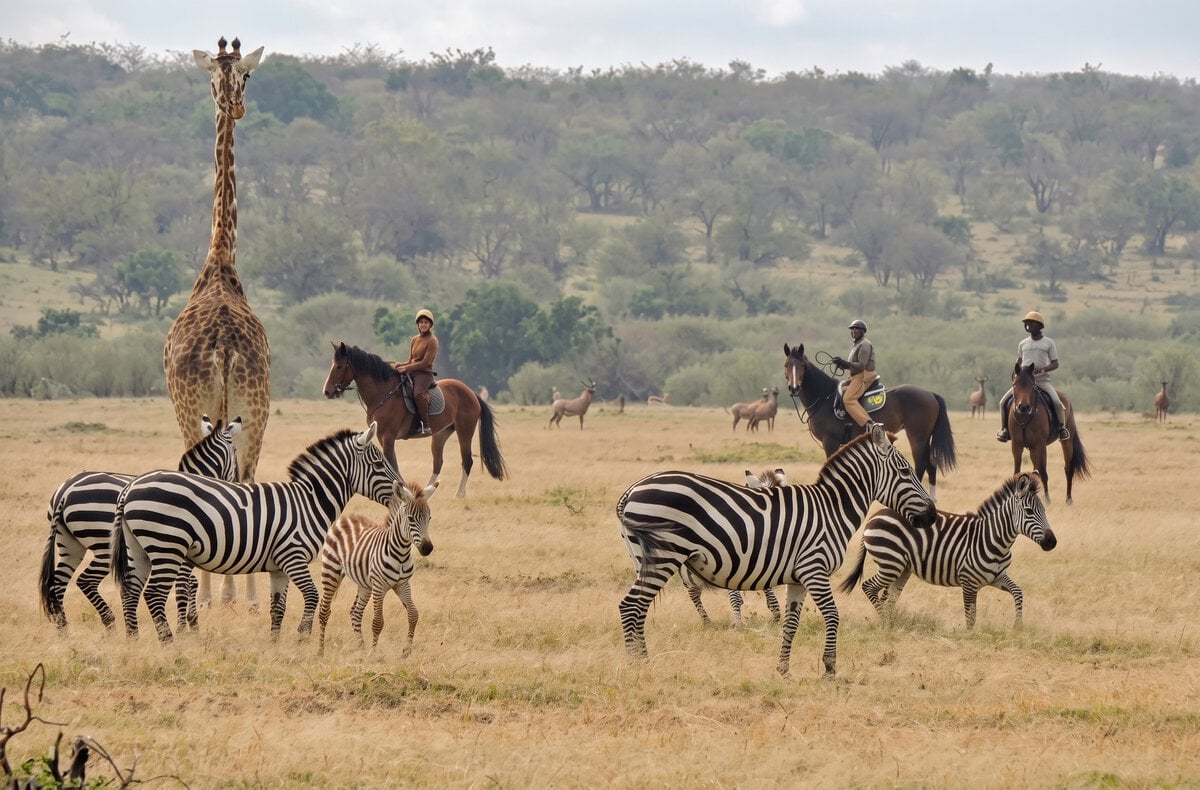
The region’s tourism infrastructure underwent a profound metamorphosis between 1990 and 2020. During this period, East Africa transitioned from a niche safari destination to a global leader in sustainable and experiential travel. Kenya, in particular, has seen its GDP increasingly bolstered by the service sector, with tourism contributing roughly 10% to the national GDP prior to the 2020 pandemic. The rise of "Silicon Savannah"—a term coined to describe Kenya’s tech-heavy economy—has provided a unique backdrop for travel operators to integrate mobile money, digital concierge services, and app-based conservation monitoring into the standard visitor experience.
Chronology of Development
The development of Britten’s professional career aligns with several key milestones in the East African tourism narrative:
- 1970s–1980s: Early exposure to the region, characterized by traditional safari experiences and the geopolitical volatility of the post-independence era.
- 2000s–2010s: A period of global professional development, including management roles in Namibian safari camps, which provided the operational framework for high-end hospitality.
- 2015–2017: The establishment of Karibu Kenya, following a three-year stint managing a luxury camp in the Masai Mara. This period saw the formalization of the business, including its integration with the Kenya Tourism Board.
- 2018–2019: Expansion into Ethiopia via Exclusive Ethiopia, a partnership designed to unlock the tourism potential of the country’s 12 UNESCO World Heritage sites.
- 2020–2021: The COVID-19 pandemic, which served as a catalyst for the pivot toward wellness-focused travel and the launch of the Kilifi Wellness Festival.
- 2022–Present: Further expansion into Uganda, Rwanda, and Tanzania, focusing on specialized experiences such as gorilla trekking and cross-border cultural immersion.
Data-Driven Growth and Conservation Impacts
The modern travel industry in East Africa is increasingly scrutinized for its ecological footprint. Britten’s business model reflects a shift toward "integrative tourism," where the commercial operator assumes the role of a stakeholder in conservation. Supporting data from the Ecotourism Kenya index indicates that tourists are increasingly willing to pay a premium for operators who can demonstrate a measurable impact on local ecosystems.

For instance, the partnership between travel providers and organizations like Wildlife Works has demonstrated that revenue from tourism can directly offset the costs of large-scale reforestation. In Tsavo, such programs have resulted in the planting of thousands of indigenous trees, a strategy that aligns with the Kenyan government’s national climate change action plan. Furthermore, the strict enforcement of the 2017 plastic bag ban—touted as one of the world’s most stringent environmental policies—has forced the tourism industry to innovate in waste management, further distinguishing East Africa as a leader in sustainable tourism.
The Ethiopia Expansion: A Cultural Corridor
The decision to expand into Ethiopia represents a strategic recognition of the country’s unique historical and geological status. With 12 UNESCO sites, Ethiopia offers a different value proposition than the wildlife-centric focus of Kenya. The development of Exclusive Ethiopia required a localized approach to logistics, specifically navigating the complex infrastructure of the Omo Valley and the mountainous terrain of the Tigray region.
Expert observers of the African travel market note that Ethiopia’s potential lies in its "cultural antiquity." By partnering with local experts like Mulugeta Ababu, operators have been able to bridge the gap between traditional tourism and the highly specific needs of international travelers interested in anthropology and ancient history. This model of localized expertise is widely regarded by industry analysts as the only sustainable way to manage sensitive cultural heritage sites.
Resilience and the Pandemic Pivot
The COVID-19 pandemic represented the most significant disruption to the East African tourism sector in history. With international borders closing, the industry was forced to reorient toward domestic and regional travelers. The creation of the Kilifi Wellness Festival during this period serves as a case study in market adaptation. By focusing on holistic health, art, and community, the festival provided a blueprint for how tourism stakeholders could survive a total cessation of international arrivals.
The festival’s growth—from 40 participants in its inaugural year to a multi-day annual event—suggests a change in consumer demand. Travelers are no longer seeking solely the "safari experience"; there is a growing market for immersive, transformative experiences that incorporate yoga, breathwork, and community service.
Impact and Future Outlook
The broader implications of Britten’s work reflect a shift in how the "African safari" is marketed and consumed. The transition from simple game viewing to complex, multi-country itineraries involving cultural interaction, conservation participation, and wellness education demonstrates a mature market.
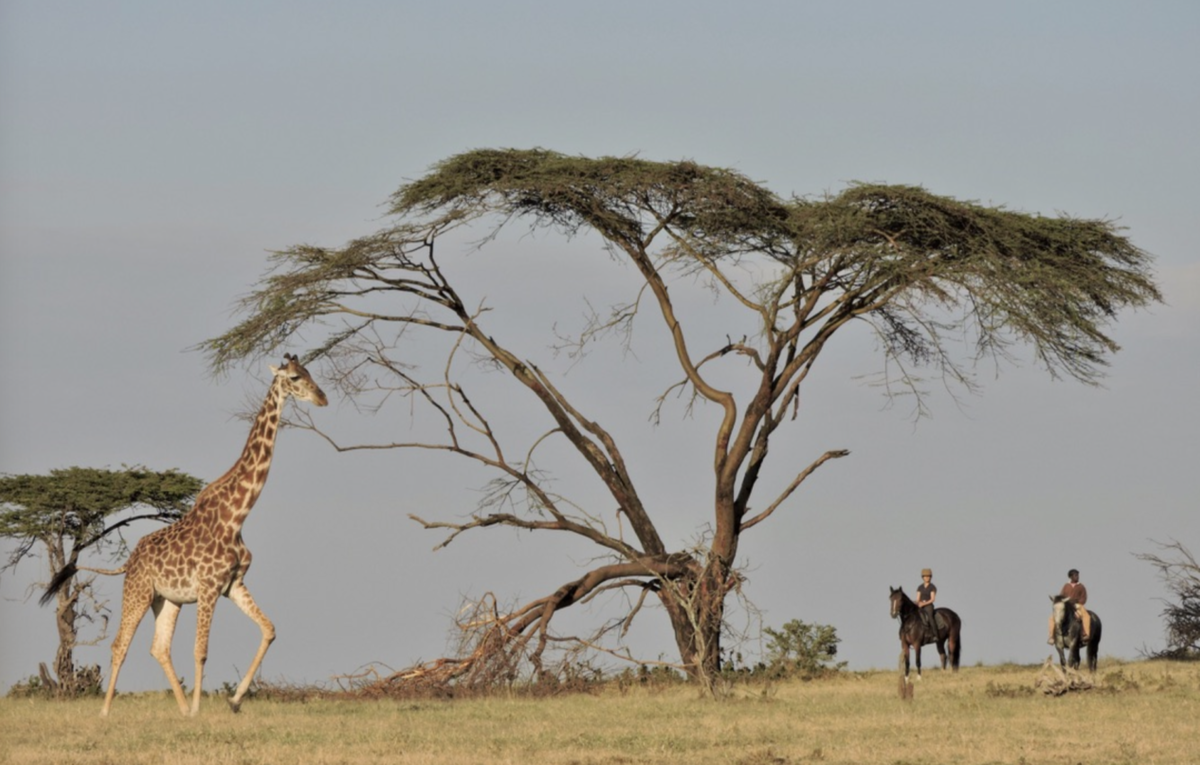
Industry reports suggest that the future of travel in the region will be defined by three pillars:
- Conservation Stewardship: Travelers now expect transparency regarding the carbon footprint and social impact of their trips.
- Digital Integration: The use of platforms for everything from real-time wildlife tracking to digital translation services is no longer optional but standard.
- Community Agency: Projects that directly support rural literacy, such as Kenya Connect, or provide vocational training to marginalized groups are becoming central to the brand identity of successful tour operators.
As Kenya and its neighboring nations continue to develop, the tourism sector remains a vital engine for economic growth. By moving beyond the colonial-era paradigms of "sightseeing" and into a model of "participatory engagement," regional operators are ensuring that the industry remains relevant to a new generation of travelers who prioritize ethics alongside adventure. The evolution of the Kenyan tourism industry is, in many ways, a microcosm of the country’s own growth—ambitious, technologically savvy, and increasingly focused on a sustainable future that honors its rich natural and cultural heritage.