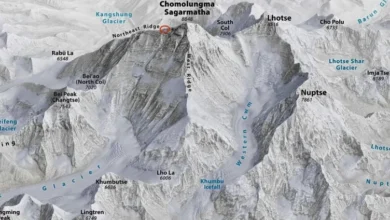
The Polish expedition team, led by Jacek Pawel Czech and including climbers Aleksandra Kita and Szymon Kita, has initiated its third and final attempt to summit Gasherbrum VI, one of the most elusive and significant unclimbed peaks in the Karakoram range. This high-stakes effort represents the culmination of weeks of strategic maneuvering, route testing, and physical endurance in one of the most remote corners of Pakistan’s high-altitude wilderness. As the team pushes toward the approximately 7,000-meter summit, the expedition serves as a stark reminder of the complexities inherent in modern alpine exploration, where unpredictable terrain and shifting weather patterns dictate the pace of progress.
A Strategic Pivot on the Southeast Face
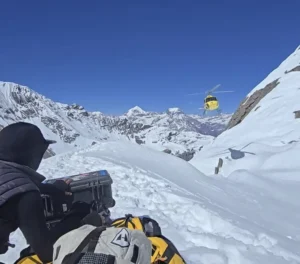
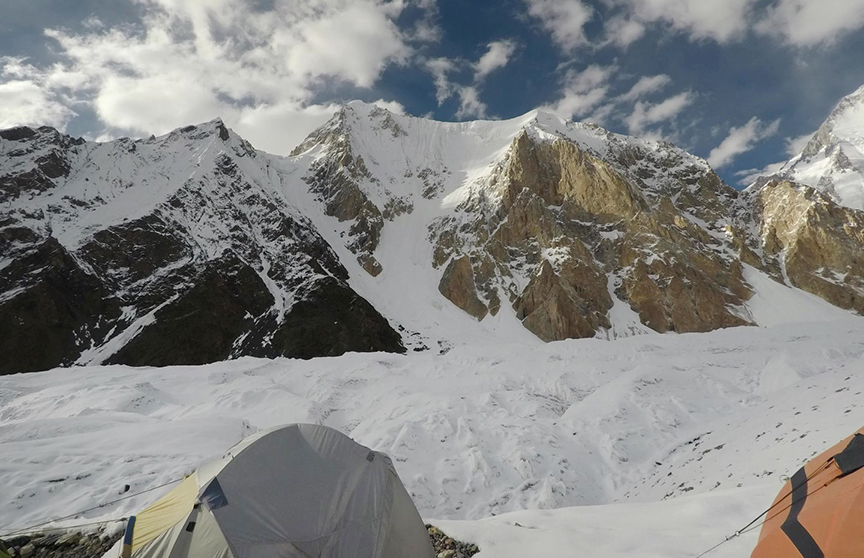
The current push follows two previous, rigorous attempts that served to calibrate the team’s approach to the massif’s formidable Southeast Face. The initial effort, aimed at establishing a viable path to the summit, encountered a technical dead end, forcing the team to re-evaluate their route. In their second attempt, the trio shifted their focus toward the left flank of the Southeast Face. This effort proved physically taxing, spanning a grueling 14-hour period. During this ascent, the team managed to gain 600 vertical meters of progress through moderately difficult, avalanche-prone terrain, before retreating to the safety of Base Camp.
The decision to retreat was not merely a reaction to fatigue but a calculated tactical move. By leaving a gear cache at a strategic point on the mountain, the team ensured that their subsequent attempt would be lighter and more efficient, allowing for a faster ascent speed—a critical factor when dealing with the high-risk environments of the Karakoram. Leader Jacek Pawel Czech, communicating through the Jerzy Kukuczka Foundation for the Support of Polish Mountaineering, characterized the terrain as demanding, noting the constant vigilance required to navigate around active avalanche paths.
The Logistics of the Final Ascent
Following a three-day recovery period at Base Camp, the Polish team departed for the final push earlier this week. The timeline established by the climbers is aggressive yet necessary, given the onset of seasonal shifts and physical depletion. Czech has indicated that the team has allotted exactly three days to complete the summit bid and return to the safety of the lower camps. The team is operating under a "now or never" mentality, with a hard deadline of Saturday for their descent, acknowledging that exhaustion is beginning to play a significant role in their decision-making process.
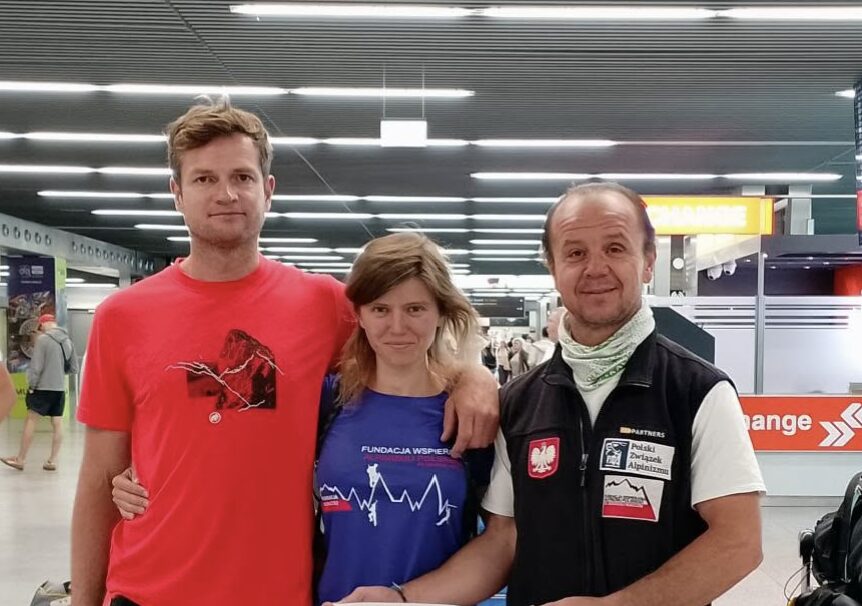
Lela Peak Expeditions, the local outfitter supporting the operation, confirmed that the trio is currently the only expedition on the mountain. Their isolation is absolute, a condition that brings both logistical challenges and a unique focus to their objective. While high-altitude mountaineering often involves large-scale logistical support, the Polish team has opted for a minimalist, fast-and-light style that emphasizes autonomy and technical proficiency.
Contextualizing Gasherbrum VI
Gasherbrum VI remains a curiosity among the peaks of the Karakoram. While the major 8,000-meter peaks of the Gasherbrum massif—such as Gasherbrum I and II—are well-documented and frequently visited, Gasherbrum VI occupies a more mysterious niche. With an altitude that often fluctuates in mountaineering literature—typically cited around the 7,000-meter mark—it stands as the last major unclimbed point within this prestigious massif.
The geography of the region is notoriously complex. To the southwest, in the Charakusa Valley near Masherbrum, a Slovenian team is currently conducting their own expedition on K7. These two teams represent the entirety of the high-altitude mountaineering activity in the immediate vicinity, highlighting the contrast between the highly commercialized routes of Everest or K2 and the solitary, exploratory nature of ascents on lesser-known, yet technically demanding, 7,000-meter peaks.
Challenges of Karakoram Alpinism
The Karakoram range is characterized by steep, jagged granite spires and heavy glacial systems that create a unique set of hazards. Unlike the Himalayas, where seasonal windows can be slightly more predictable, the Karakoram is often subjected to violent storms that move in rapidly from the north. The "moderate difficulty" noted by the Polish team is a relative term; at 7,000 meters, even moderate technical sections require significant oxygen consumption and place immense strain on the musculoskeletal system.
The use of a gear cache, as implemented by the team, is a traditional alpine tactic that minimizes the load carried on the final summit day. However, it also creates a dependency on the integrity of that cache. Should weather patterns shift or snow conditions alter the terrain, the ability to recover these supplies becomes a potential point of failure. The team’s commitment to a three-day turnaround is a testament to the high-pressure environment in which they operate, where the window of opportunity is often measured in hours rather than days.
Implications and Professional Analysis
The attempt on Gasherbrum VI is significant for the Polish mountaineering community, which has a long-standing history of "ice warrior" culture—a tradition of pushing the limits of winter and technical alpine climbing. By targeting an unclimbed peak, the team is engaging in pure exploration rather than the repetition of established routes.
From an analytical standpoint, the success or failure of this mission will provide valuable data for future expeditions to the region. Should the team reach the summit, they will fill a notable gap in the cartography and mountaineering records of the Gasherbrum massif. If they are forced to turn back, their detailed reports on the terrain, avalanche risks, and route viability will provide a foundation for subsequent attempts. The emphasis on transparency and communication with the Jerzy Kukuczka Foundation suggests a broader intent to contribute to the collective knowledge of the mountaineering community.
Conclusion: The Race Against Time
As the Saturday deadline approaches, the climbing world watches the Polish team’s progress with interest. The psychological pressure of a final attempt, combined with the physical degradation inherent in high-altitude life, creates a narrow margin for error. The team’s objective is clear: navigate the avalanche-prone slopes, push through the final technical sections, and ensure a safe return.
Whatever the outcome, the expedition serves as an important reminder of the human drive to explore the unknown. In an era where many of the world’s highest peaks have been mapped and climbed multiple times, the effort to summit Gasherbrum VI highlights that there is still significant work to be done in the high mountains. The success of Jacek Pawel Czech, Aleksandra Kita, and Szymon Kita will depend on their ability to synthesize their technical skill with the unpredictable realities of the Karakoram. For now, the mountain remains silent, and the team moves forward, driven by the hope that their third attempt will be the one that finally secures a place for Gasherbrum VI in the annals of mountaineering history.