From Nairobi Childhood to Pan-African Tourism Pioneer: The Evolution of Tamara Britten and the Karibu Kenya Brand


The trajectory of Tamara Britten’s career from a child arrival in 1970s Kenya to the founder of an expansive, multi-national travel consortium reflects both the personal maturation of an expatriate and the broader modernization of East African tourism. Britten, who spent her formative years navigating the shifting landscapes of Kenya, has successfully parlayed decades of international travel experience into a professional travel service covering Kenya, Ethiopia, Uganda, Rwanda, and Tanzania.
A Chronology of Discovery: From Nairobi to Global Citizenship
Britten’s introduction to East Africa began at age four, arriving at Nairobi’s airport with her family. Her early memories—characterized by the sensory details of the Kenyan highlands, the red soil, and the nascent Swahili vocabulary—were punctuated by the regional instability of the era. Notably, she recalls a 1976 evacuation from Nairobi, coinciding with the aftermath of the Entebbe raid, which serves as a stark reminder of the geopolitical volatility that defined the mid-1970s in East Africa.
Following her childhood, Britten engaged in a decades-long period of global professional development. Her itinerary included teaching English in Bangkok, adult education management in Hong Kong, and operations roles in Namibian safari camps. This period of "itinerant curiosity" allowed her to develop a comparative understanding of global tourism standards, which she eventually applied upon her return to Kenya.
The Modernization of the Kenyan Tourism Sector
Upon her return to Kenya, Britten observed a country undergoing a rapid digital and infrastructural transformation. Statistical evidence from the World Bank and the Kenya National Bureau of Statistics supports this, noting that Kenya’s service sector has become the primary driver of GDP, significantly boosted by the "Silicon Savannah" phenomenon. The emergence of the Sheng dialect and the proliferation of mobile-based financial technologies (such as M-Pesa) are emblematic of the innovation Britten witnessed.
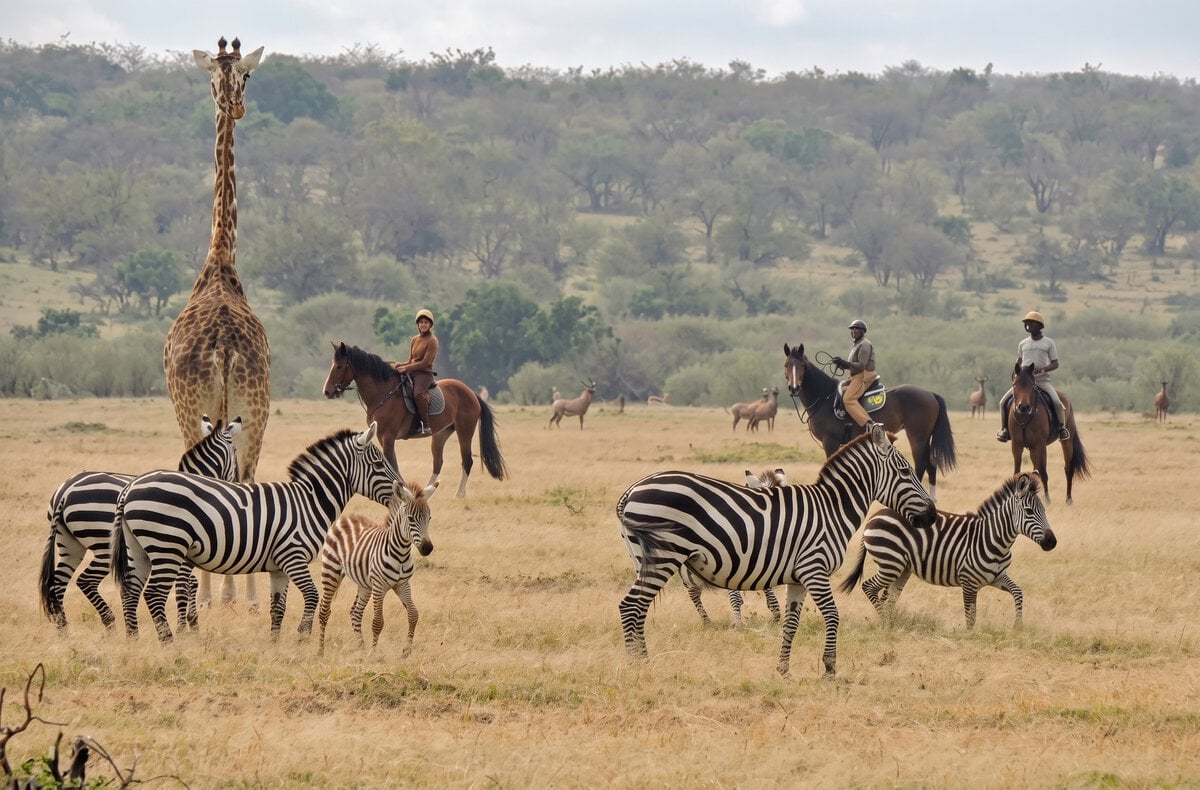
This modernization extended to the tourism industry, where the focus shifted from traditional game-viewing toward integrated, high-value, and conservation-focused experiences. Britten’s management tenure at a luxury camp in the Masai Mara during this period provided the operational blueprint for her future enterprise. Her experience managing the logistical complexities of the Great Migration—the annual movement of over 1.5 million wildebeest—offered a firsthand look at the intersection of wildlife conservation and hospitality management.

Strategic Expansion and the Creation of Karibu Kenya
The formalization of "Karibu Kenya" as a registered tour operator followed a period of informal consulting. The company’s growth strategy was predicated on the publication of a comprehensive, research-intensive guidebook of the same name. This project required two years of rigorous field research, covering the Lamu Archipelago, the tea plantations of Western Kenya, and the Rift Valley’s conservation zones.
The guidebook received endorsements from the Kenya Tourist Board and the Kenya Professional Safari Guide Association. Such institutional backing is crucial in the East African market, where professional accreditation serves as a primary trust signal for international travelers. By integrating with established local bodies, Britten’s firm aligned its operations with national sustainability goals, specifically regarding Kenya’s stringent plastic bag ban and anti-poaching initiatives.
Diversification: The Ethiopia and Great Lakes Strategy
Recognizing the unique cultural and historical depth of Ethiopia, Britten partnered with local expert Mulugeta Ababu to launch "Exclusive Ethiopia." This move was strategically significant; Ethiopia’s UNESCO World Heritage sites—ranging from the rock-hewn churches of Lalibela to the ancient city of Harar—represent a distinct tourism product compared to the wildlife-centric model of Kenya.

The expansion into Uganda and Rwanda further diversified the company’s offerings, focusing on high-value, low-impact tourism such as mountain gorilla trekking. This segment is particularly vital for the economic health of these nations, as gorilla tourism remains one of the most effective tools for incentivizing habitat protection in the Virunga Mountains.
Pandemic Resilience and the Kilifi Wellness Festival
The COVID-19 pandemic caused a contraction in global tourism that, according to UN Tourism data, saw international arrivals drop by over 70% in 2020. During this period of industry dormancy, Britten pivoted toward community-based initiatives, specifically the Kilifi Wellness Festival.
What began as a localized event for 40 participants has since evolved into an annual fixture on the Kenyan coastal calendar. By incorporating elements of art, yoga, and environmental advocacy, the festival reflects a shift in tourism trends toward "transformative travel." This niche has proven resilient, as post-pandemic travelers increasingly seek experiences that emphasize mental well-being and community engagement over passive consumption.
Impact Analysis: The Role of Boutique Tour Operators
The business model adopted by Britten’s firms—Karibu Kenya and Exclusive Ethiopia—highlights a broader industry shift toward hyper-personalized, boutique travel. By partnering with organizations such as Wildlife Works and the Mathari Children’s Fund, the company functions as an intermediary between international capital and local socio-economic development.
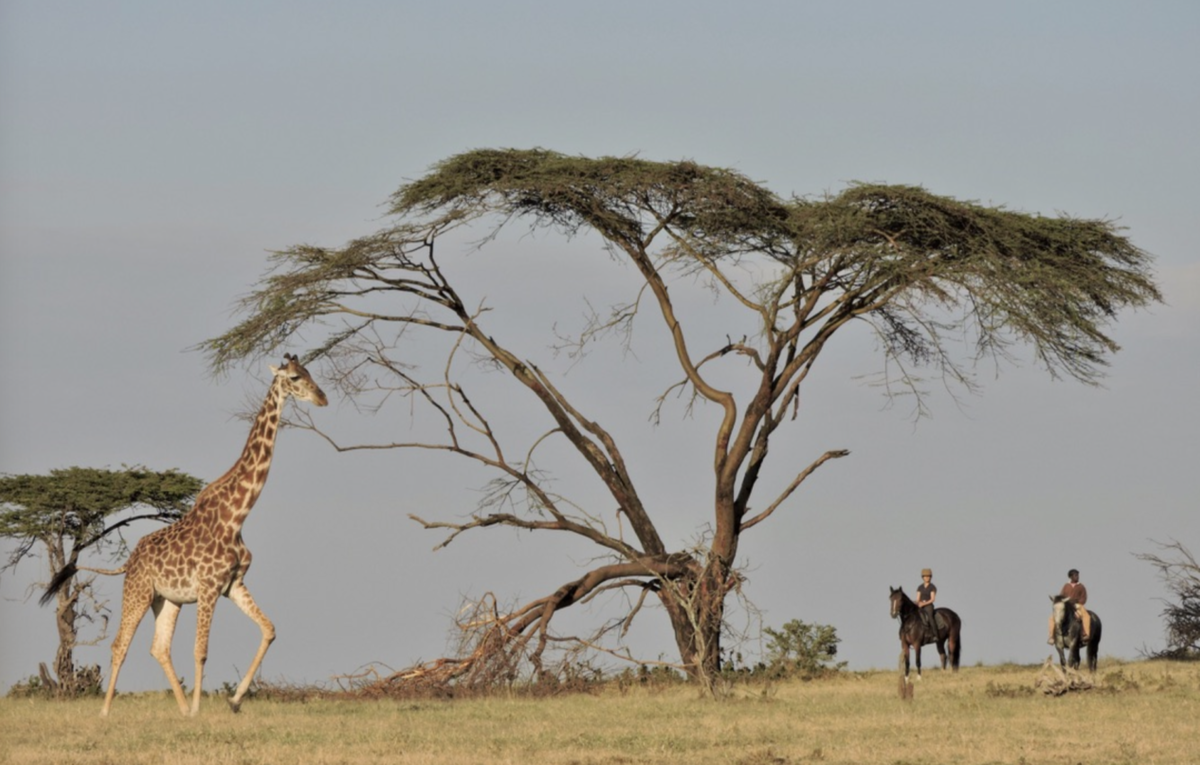
From an analytical standpoint, the success of these ventures underscores the importance of local knowledge in the post-colonial travel era. As travelers become more sophisticated, they increasingly eschew "package tour" archetypes in favor of curated, integrative experiences. Whether it is lion tracking with specialized rangers or participating in rural literacy campaigns, the value proposition has shifted from the destination itself to the quality of the interaction within that destination.
Challenges and Sustainability
Despite the growth in these sectors, the regional tourism industry continues to face significant challenges. Climate change impacts the reliability of the Great Migration, and the volatility of regional politics remains a constant risk factor for long-term investments. Furthermore, the reliance on international air travel means that the industry is susceptible to fuel price fluctuations and global health crises.
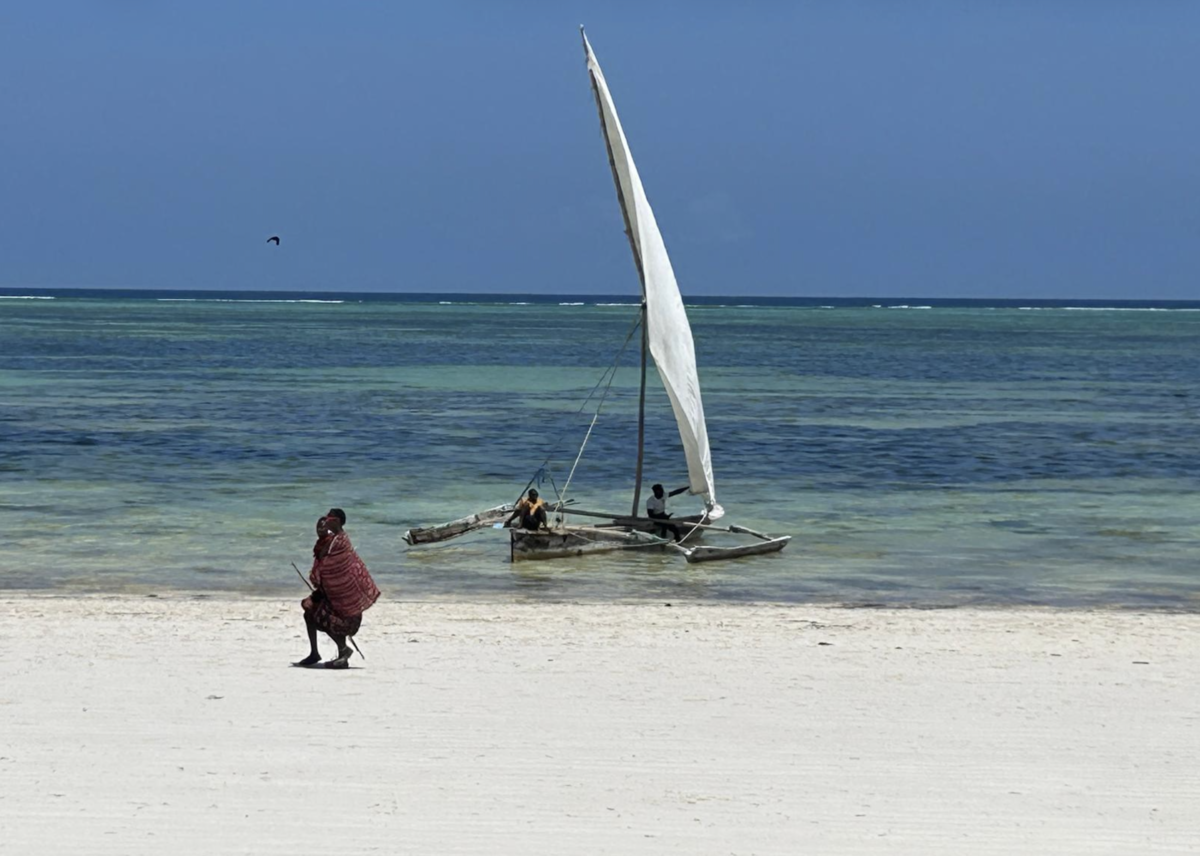
However, the professionalization of local tour operators and the integration of conservation-linked business models provide a degree of insulation. By formalizing logistics, adhering to international standards, and maintaining close ties with local conservation entities, companies like Britten’s are helping to shift the narrative of African tourism from extractive to regenerative.
Conclusion
The journey from a four-year-old child in 1970s Nairobi to the head of an influential travel group serves as a microcosm for the development of East Africa’s tourism sector. Through the synthesis of professional training, deep-rooted local connections, and an adaptive business strategy, Tamara Britten has successfully navigated the complexities of the regional market. As the sector continues to evolve, the emphasis on sustainability, cultural authenticity, and digital integration—principles that define the current iteration of her company—will likely remain the benchmark for success in the competitive landscape of African travel.
The story of her enterprise is not merely one of personal accomplishment, but a reflection of a region that has successfully transitioned from a colonial-era outpost to a sophisticated, modern hub of global tourism, conservation, and innovation. The future of East African travel, as seen through this lens, is one where the traveler is invited not just to observe the landscape, but to participate in the ongoing, dynamic history of the region.