The Legendary Culinary Heritage of Nasi Lemak Tanglin: A Staple of Malaysian Gastronomy in Kuala Lumpur

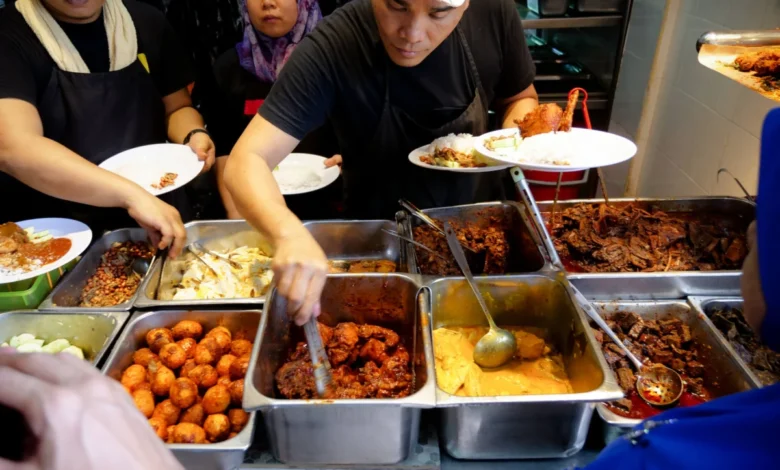
Nasi Lemak remains one of Southeast Asia’s most culturally significant and widely consumed culinary creations, holding an undisputed position as Malaysia’s national dish. Spanning from Southern Thailand through the Malay Peninsula to Singapore, this deceptively simple composition of coconut-infused rice and accompaniments commands a daily consumption of tens of millions of plates. Among the myriad establishments preparing this dish, Nasi Lemak Tanglin in Kuala Lumpur stands out as a historic institution, having served patrons since its establishment in 1948. Located within the Kompleks Makan Tanglin food complex, the venue exemplifies the enduring appeal of traditional Malaysian breakfast and midday fare, drawing substantial crowds daily despite operating in an increasingly modernized urban landscape.
Historical Origins and Cultural Significance
The genesis of Nasi Lemak dates back to agricultural communities in the Malay Peninsula, where farmers and fishermen relied on the dish for energy. The literal translation of the name, "fat rice," refers to the traditional preparation method wherein rice is soaked and cooked in rich coconut milk, often enhanced with the aromatic addition of screwpine (pandan) leaves. Historically a portable breakfast meal wrapped in banana leaves, Nasi Lemak has evolved over decades into a versatile comfort food consumed throughout the day.
Nasi Lemak Tanglin was founded in 1948, shortly after the conclusion of the Second World War, during a period of significant social and economic rebuilding in British Malaya. Over its more than seven decades of operation, the stall has witnessed the transition of Kuala Lumpur from a colonial administrative center to a bustling, modern metropolis. Despite widespread urban development, Tanglin has maintained its core culinary identity, relying on traditional recipes passed down through generations. Culinary historians note that establishments like Tanglin play a vital role in preserving intangible cultural heritage, serving as living archives of Malaysia’s multicultural culinary evolution.
Operational Dynamics and Daily Operations
Operating out of Kompleks Makan Tanglin, the stall is part of a communal food hub that houses various vendors specializing in traditional Malay breakfast and lunch items. Despite competing with numerous neighboring stalls, Nasi Lemak Tanglin consistently attracts long queues, requiring visitors to arrive well before the typical lunch hour. Industry analysts observing local food service trends note that high-demand traditional stalls typically sell out their entire inventory—often numbering in the hundreds of plates—by 11:30 AM daily.
The dining experience at Kompleks Makan Tanglin incorporates elements of communal Malaysian food culture. The venue features an open-air seating arrangement shielded by large protective awnings to accommodate patrons during sudden tropical downpours. Ambient entertainment is frequently provided by live musical performances, occasionally featuring genres such as "Pop Yeh Yeh," a localized style of 1960s psychedelic rock and pop music native to Malaysia and Singapore. This cultural integration provides an engaging environment for patrons enduring brief wait times during peak hours.

Anatomical Breakdown of the Dish
A standard plate of Nasi Lemak relies on a precise balance of foundational elements, each contributing distinct textures and flavor profiles:
- The Rice: Cooked with fresh coconut milk and pandan leaves, yielding a soft texture and a distinct, gentle fragrance.
- The Accompaniments: Traditional inclusions consist of protein and texture components, primarily crispy fried anchovy fillets (ikan bilis), roasted peanuts, and fresh cucumber slices.
- The Sambal: A complex, slow-cooked chili paste that incorporates shallots, garlic, and often dried shrimp or tamarind. Culinary experts emphasize that preparing authentic sambal is a time-consuming process requiring precise timing to achieve a balance of spicy, tangy, and subtly sweet notes.
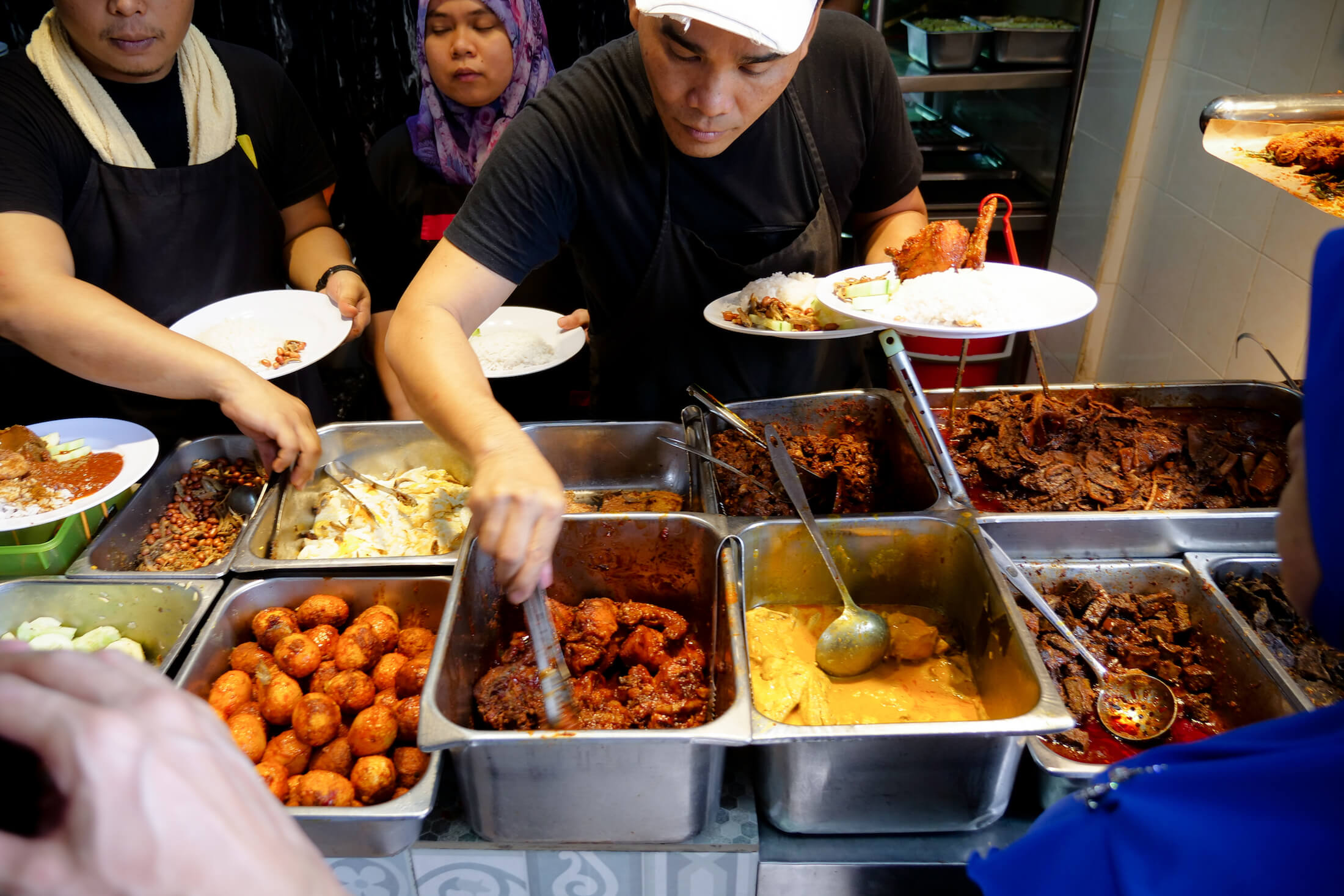
- Additional Proteins and Curries: Patrons can customize their plates with a variety of heavy-gravy dishes, including beef rendang, cockles (kerang), boiled or fried eggs, and specialized offal preparations such as beef spleen (limpa) and intestines (kolong).
Nutritional and culinary analyses of Nasi Lemak highlight its high caloric density, traditionally designed to sustain manual laborers throughout a demanding workday. Modern dietary perspectives often examine the dish through the lens of macronutrient balance, noting the combination of carbohydrates, healthy fats from coconut milk, and complete proteins from eggs and meats.
Ordering Protocols and Culinary Customization
The service model at Nasi Lemak Tanglin adheres to traditional Malaysian food court protocols. Customers queue at the primary service counter where the base of coconut rice is portioned onto reusable plates. Staff members then ladle requested curries, meats, and secondary toppings directly onto the rice. Payment is transacted on-site during the plating process.

Patrons frequently customize their orders with specialized items. A notable recommendation among regular visitors is the inclusion of beef spleen (limpa), prized for its rich, creamy texture when coated in a dark, spiced curry reduction. Additional elements such as beef rendang and standard fried eggs are common additions designed to enrich the overall flavor profile.
Local dining etiquette often encourages eating by hand rather than utilizing utensils, a practice believed by culinary traditionalists to enhance the tactile dining experience and ensure optimal mixing of the curry broth with individual grains of rice. However, modern accessibility and hygiene standards ensure that utensils remain readily available for all patrons.
Environmental and Sustainability Considerations
In recent years, the operational logistics of traditional food establishments in Malaysia have intersected with national environmental policies. Historically, Nasi Lemak was predominantly wrapped in biodegradable banana leaves. While this practice remains culturally resonant, many urban food complexes, including Kompleks Makan Tanglin, have transitioned toward reusable ceramic or melamine plates.

This shift aligns with broader governmental initiatives aimed at reducing single-use plastic waste across the nation. Furthermore, environmental advocacy groups have highlighted that shifting away from the commercial harvesting of wild banana leaves helps alleviate ecological pressure on protected jungle ecosystems, where excessive harvesting had previously raised conservation concerns. The adoption of reusable dishware at high-volume stalls like Tanglin represents a pragmatic balance between preserving culinary tradition and meeting contemporary urban sustainability standards.
Economic Impact and Urban Tourism
Food tourism constitutes a significant sector of Malaysia’s broader tourism economy, with Kuala Lumpur recognized globally as a premier destination for street food and hawker-style dining. Establishments like Nasi Lemak Tanglin contribute significantly to the local economy by driving foot traffic to traditional food complexes and supporting regional supply chains for rice, coconut, spices, and fresh produce.
Priced accessibly—with base plates starting at approximately 2 Malaysian Ringgit (MYR) and comprehensive customized plates ranging between 3 to 7 MYR—the dish remains economically viable for a broad demographic of local residents and budget-conscious travelers alike. Economists monitoring the hawker food sector note that maintaining accessible price points is essential for preserving the socio-cultural fabric of traditional food spaces amidst rising urban inflation.

Broader Implications and Future Outlook
As Kuala Lumpur continues to undergo rapid urbanization and commercial development, historic culinary landmarks face ongoing challenges related to generational succession, urban zoning, and rising operational costs. Despite these pressures, institutions such as Nasi Lemak Tanglin demonstrate the resilience of traditional food culture in contemporary Southeast Asia.
Future projections for the local food service industry indicate a continued emphasis on preserving authentic preparation methods while adapting to digital payment technologies and heightened hygiene standards. For scholars, tourists, and culinary historians alike, Nasi Lemak Tanglin serves as an enduring case study in how food heritage can be successfully maintained across generations, anchoring the cultural identity of Malaysia’s capital city.
Related posts: