Slothee Still Wants Coffee Expands Global Childrens Literacy and Cultural Education Series With New Worldwide Adventures

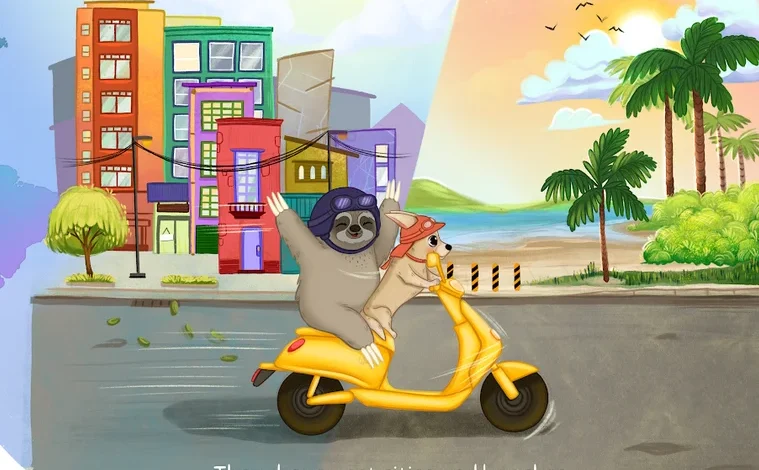
The children’s publishing landscape continues to experience a growing demand for literature that seamlessly blends entertainment with global education, a market sector recently expanded by the official release of Slothee Still Wants Coffee. Authored as the highly anticipated second installment in the Slothee and Friends series, this new volume follows the globetrotting journey of its titular protagonist, a gentle-natured sloth on a relentless quest to discover the finest cup of coffee on Earth. While framed as a lighthearted narrative for young readers, the publication serves a dual purpose as a sophisticated geographical and cultural introduction to some of the world’s most renowned coffee-producing regions. Spanning multiple continents, the book takes its audience from the lush rainforests of Central America to the highlands of East Africa and the bustling agricultural landscapes of Southeast Asia and Oceania. Industry analysts note that contemporary children’s literature is seeing an unprecedented shift toward diverse cultural integration, making the release of Slothee Still Wants Coffee a timely addition to global reading lists for both primary school children and adult readers who appreciate illustrated storytelling.
The Chronology of Slothee: From Concept to Global Expansion
The developmental timeline of the Slothee and Friends franchise reflects a calculated approach to building an educational entertainment brand focused on international geography and social connection. The genesis of the series began with extensive research into how children conceptualize foreign cultures and geographic distances. The creators recognized that traditional educational tools often struggled to engage young learners in subjects related to global agriculture, international trade, and regional traditions.
The first milestone in the chronology was established with the release of the inaugural book in the series, which introduced readers to Slothee and laid the foundational lore of his culinary and geographic curiosities. Following the positive reception of the introductory volume, planning for the second book commenced with an expanded scope. The creators mapped out a rigorous travel itinerary for the protagonist, ensuring that each destination accurately reflected the unique agricultural practices, local customs, and cultural heritage of the host country.
By the time production finalized for Slothee Still Wants Coffee, the narrative framework had evolved to encompass seven distinct countries across four continents: Costa Rica, Peru, Mexico, Jamaica, Uganda, Vietnam, and Australia. This meticulous structural planning ensured that the book could function not only as a narrative story but also as a sequential geography lesson. As readers turn the pages, they follow a chronological path of exploration, mirroring the logistical pathways of international coffee trade while maintaining a child-friendly narrative pace.
Plot Mechanics and Geographic Itinerary
At the core of the narrative is a deceptively simple premise: a sloth who refuses to settle for an ordinary morning brew. However, the execution of this plot serves as an elaborate vehicle for cultural immersion. In Slothee Still Wants Coffee, the protagonist departs from his initial base in Costa Rica—known for its meticulous bean processing and high-altitude shade-grown varieties—and embarks on a transcontinental expedition.
The journey takes readers next to the historic agricultural landscapes of Peru, where ancient farming traditions meet modern sustainable practices. From there, Slothee traverses the border regions of Mexico to explore rich regional roasting traditions before heading to the Caribbean island of Jamaica, celebrated for its unique microclimates and globally prized mountain-grown yields.
The itinerary then extends beyond the Western Hemisphere, introducing young audiences to the rich agricultural heartbeat of Uganda in East Africa, a region playing an increasingly vital role in the global coffee economy. Continuing eastward, the narrative explores the vibrant, high-volume production landscapes of Vietnam, offering insight into unique regional preparation methods and local agrarian life. Finally, the expedition concludes in Australia, a nation renowned for its sophisticated cafe culture and modern urban coffee innovations.
Throughout this extensive itinerary, Slothee encounters a diverse array of animal characters who act as local guides, teaching him about indigenous farming techniques, local ecosystems, and the social traditions surrounding community gatherings. These interactions are carefully crafted to emphasize themes of friendship, empathy, and cross-cultural appreciation.
Supporting Data and Market Context in Childrens Literature
The release of Slothee Still Wants Coffee arrives at a time of significant evolution within the global publishing industry, particularly regarding children’s educational media. Market data from recent literary trade reports indicate a sustained consumer preference for interactive, multi-layered books that offer educational value beyond simple vocabulary acquisition. Educational psychologists and literacy experts have long advocated for the integration of social-emotional learning and global awareness into early childhood development curricula.
According to publishing sector statistics, illustrated books that incorporate geography, environmental science, and cultural diversity experience higher longevity in library acquisitions and institutional educational settings. The global specialty coffee market itself, valued at tens of billions of dollars annually, provides a rich backdrop that adults can use to bridge the gap between fiction and real-world economics. By anchoring the narrative around a globally traded commodity, the book introduces foundational concepts of international commerce, agricultural labor, and environmental stewardship in a manner digestible for early readers.
Furthermore, demographic studies on family literacy programs highlight the growing importance of co-reading experiences—books designed to captivate both the primary child reader and the supervising adult. The Slothee and Friends series specifically targets this dual demographic, utilizing sophisticated visual layouts, subtle humor, and globally relevant themes that resonate across multiple age groups.
Publisher and Creator Statements on Educational Objectives
While the commercial strategy of the franchise focuses on expanding its footprint in the international children’s book market, the underlying philosophy emphasized by the creators centers on fostering empathy and global curiosity. In background statements regarding the conceptualization of the series, the editorial and creative teams underscored the necessity of teaching children to look beyond their immediate local environments.
"The objective from the very beginning was not merely to tell a story about a beverage, but to use that beverage as a universal connector," noted a representative close to the production of the series. "Coffee is harvested, roasted, and enjoyed by millions of people across vastly different cultures, languages, and economic backgrounds. By following Slothee on his travels, children are naturally exposed to the idea that the world is vast, wonderfully diverse, and full of potential friends who live differently than they do."
Educational consultants who have reviewed the manuscript have praised its ability to address complex global topics—such as agricultural diversity and international geography—without overwhelming the reader. The emphasis on respectful cross-cultural interaction aligns with modern pedagogical standards, which prioritize global citizenship and cultural literacy from an early age in primary education frameworks.
Broader Impact and Future Implications for the Franchise
The publication of Slothee Still Wants Coffee carries significant implications for the future trajectory of the Slothee and Friends brand, setting a high standard for subsequent releases. Industry watchers anticipate that the demonstrated success of this multi-country narrative model will pave the way for expanded multimedia adaptations, including translated editions for international markets, interactive digital learning tools, and localized educational workshops.
As the series looks toward future installments—which creators have hinted will explore additional beverage explorations, including tea traditions and broader world adventures—the economic and cultural footprint of the brand is expected to grow. Educational institutions and public libraries are increasingly adopting thematic reading series that support curriculum goals in social studies and geography. By positioning itself at the intersection of entertainment, agricultural awareness, and cultural education, Slothee Still Wants Coffee successfully establishes a durable model for modern children’s publishing.
Ultimately, the book transcends its simple premise of a sloth searching for a caffeine fix. It operates as a comprehensive, beautifully illustrated passport for young readers, encouraging them to ask questions about the world around them, appreciate the cultural richness of distant lands, and value the interpersonal connections that bridge global divides. As Slothee continues his quest, he invites a generation of young minds to embark on a lifelong journey of curiosity, education, and global friendship.
Related posts: