The Rise of the Local Tourist: How Urban Explorers Are Rediscovering Their Own Backyard


The concept of travel has traditionally been anchored in distance. For decades, the tourism industry has defined a holiday by the number of miles traveled, the borders crossed, and the stamps collected in a passport. However, a growing trend among urban residents and travel operators points toward a significant shift in perspective: the rise of the local tourist. By activating an adventure mindset within their home cities, residents are increasingly turning to guided urban excursions to uncover the hidden layers, forgotten histories, and nuanced subcultures of the metropolitan areas they thought they knew best.
This phenomenon recently prompted a group of travel professionals from the global tour operator Intrepid Travel to test a simple hypothesis: Can everyday residents genuinely learn something new about their home turf by booking a professional day tour? Participating staff members embedded themselves as tourists in cities including Melbourne, Delhi, Seattle, Denver, and Toronto. Their experiences, ranging from underground historical revelations to community-led culinary walks, demonstrate that the familiar often conceals extraordinary narratives.
Unearthing Hidden Layers in Melbourne
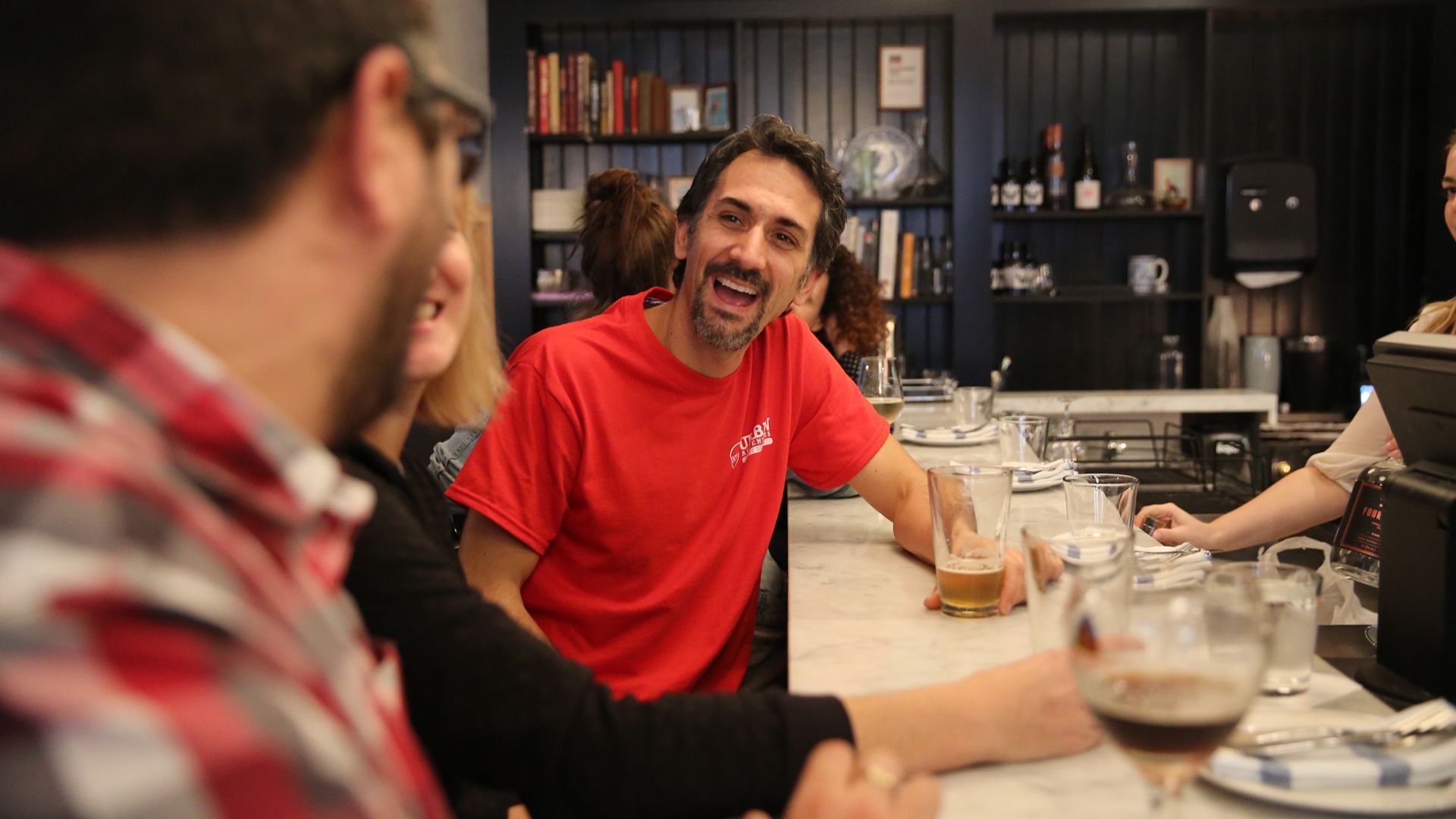
In Melbourne, Australia, staff members tested local tour itineraries to examine how industrial transformation and cultural heritage intersect in the modern cityscape. Dyan Mckie, head of specialist experiences, participated in a historic booze and heritage tour that navigated hidden alleyways, rooftop bars, and subterranean speakeasies.
Mckie’s journey highlighted the complex layers of Melbourne’s past, weaving together the heritage of the traditional custodians of the land, the Wurundjeri Woi Wurrung people, with the chaotic boom of the 1850s gold rush and the city’s historical red-light districts. Among the notable stops was the Little Lon Distilling Co., operating out of a preserved 1850s cottage. The site immortalizes the legacy of a historical resident known as Yokohama—a Chinese woman who settled in the area and worked as a sex worker—inspiring a contemporary micro-batch gin named "Miss Yoko."

In the adjacent inner-city suburbs of Fitzroy and Collingwood, adventure consultant Shirlee Hermocilla explored an urban landscape shaped by post-war migration, Aboriginal civil rights movements, and rapid gentrification. Hermocilla’s tour underscored how public art serves as a socio-political barometer. Notable landmarks included a towering mural by artist Matt Adnate on a 20-storey public housing tower—the tallest in the Southern Hemisphere—celebrating the suburb’s multicultural identity, alongside a heritage-listed Keith Haring mural on Johnston Street. The tour also touched upon grassroots political activism, passing The Tote Hotel, whose threatened closure in 2010 catalyzed the landmark Save Live Music (SLAM) rally that permanently altered Victoria’s licensing and entertainment legislation.
Navigating Historical Shadows in Denver
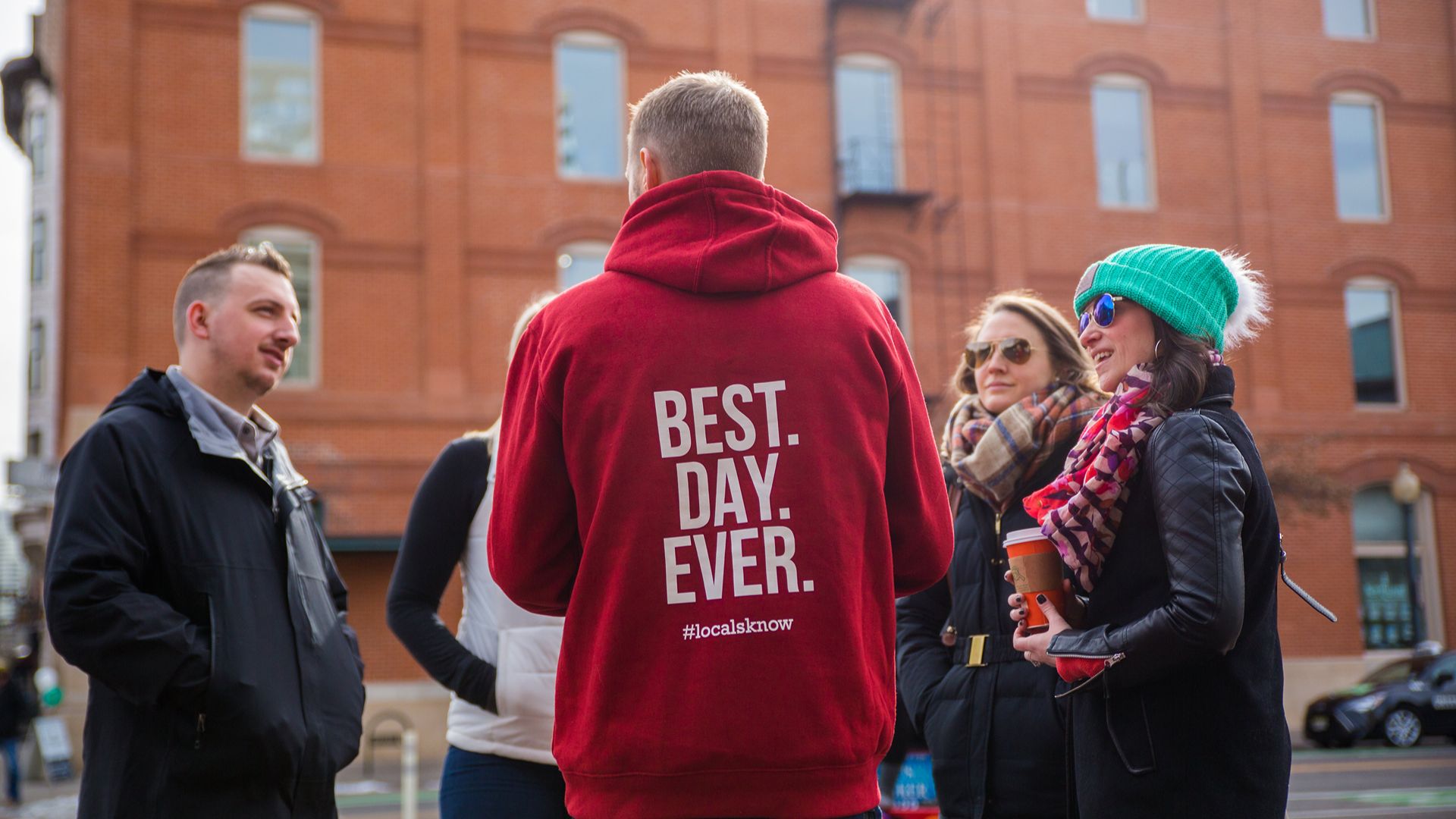
While some urban tours focus on cultural vibrancy and artistic expression, others confront difficult historical truths that have been systematically obscured by mainstream municipal narratives. Peter O’Donnell, an adventure consultant who has resided in Denver, Colorado, for two decades, partook in a historical highlights tour of the Mile High City that revealed an unsettling chapter of the 1920s.
O’Donnell discovered that during the Prohibition era, the Ku Klux Klan exerted profound influence over nearly every level of Denver’s municipal government. A prominent local geographic feature, a flat-topped mesa that O’Donnell routinely passed on his daily commute, served as a primary gathering site for cross-burnings orchestrated by the hate group. Furthermore, the city’s longest-serving mayor, Benjamin Franklin Stapleton, maintained high-ranking ties to the organization. Urban historians note that such revelations underscore a broader imperative for municipalities to reconcile with systemic historical abuses, moving past sanitized civic boosterism to provide accurate, comprehensive public education regarding local governance and civil rights.
Activism and Community Identity in Seattle and Toronto
In Seattle, Washington, marketing specialist Madison McConnell utilized Pride month as an opportunity to explore the historical roots of the Capitol Hill neighborhood, long considered the epicenter of the Pacific Northwest’s LGBTQIA+ civil rights movement. Accompanied by local guides, McConnell visited institutional community spaces, including the Elliott Bay Book Company, noted as one of the largest queer- and woman-owned bookstores in the United States.

The tour contextualized the physical infrastructure of the neighborhood, revealing that Cal Anderson Park was named in honor of Washington State’s first openly elected gay lawmaker, who took office in 1987. Additionally, the itinerary highlighted Seattle’s pioneering role during the height of the 1980s public health crisis, noting the city’s early municipal advocacy for aggressive AIDS research and comprehensive patient care systems. These findings illustrate how localized historical walking tours function as vital archives for preserving marginalized histories that might otherwise be lost to rapid urban redevelopment.
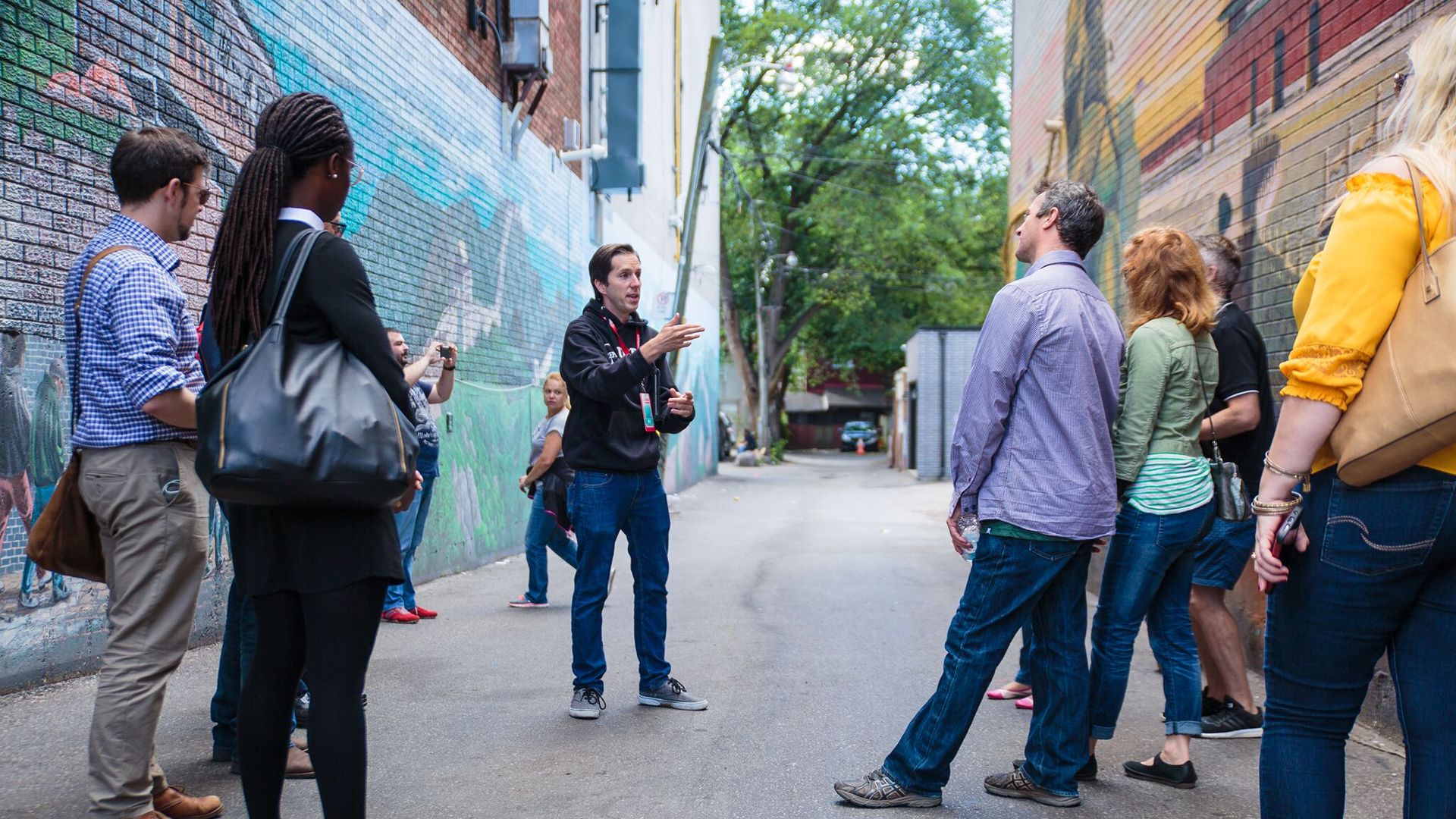
A similar convergence of commerce, migration, and community identity was observed in Toronto, Canada. Chelsea Cay, a marketing specialist, explored the intersecting corridors of Kensington Market and Chinatown, a district colloquially referred to by local guides as "Toronto’s kitchen." Cay examined how multi-generational immigrant entrepreneurship has defined the architectural and cultural layout of the downtown core. Stops included Moon Bean coffee, a 30-year-old independent roaster operating on fair-trade principles, and Mashion, a traditional Hong Kong-style bakery situated on Spadina Avenue. These visits highlighted the economic resilience of small businesses operating within intensely gentrified urban centers.
Gastronomy and Heritage Preservation in Delhi
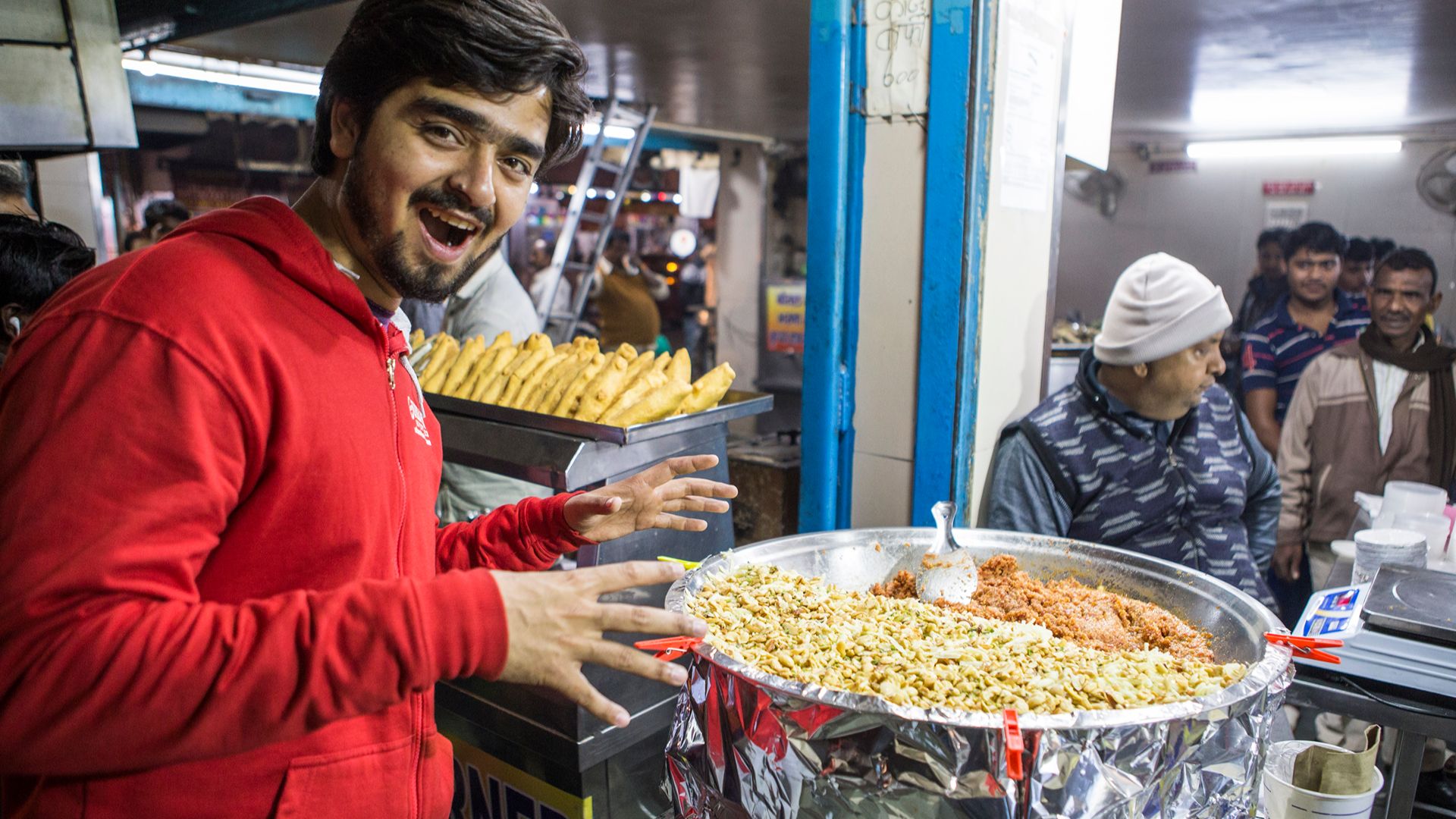
In South Asia, the capital of India offered a dual perspective on urban exploration through the lens of ecological restoration and culinary heritage. Kajal Chaudhary, a reservations executive based in Delhi, undertook back-to-back excursions focusing on historical preservation and street food culture.
The itinerary began at Sunder Nursery, a 90-acre heritage park containing Mughal-era monuments embedded within a contemporary ecological landscape, before moving through the Lodhi Art District to observe contemporary muralism. Chaudhary subsequently explored the Mehrauli Archaeological Park, which houses centuries of architectural relics from successive Delhi sultanates and ruling dynasties.
In the evening, Chaudhary transitioned to a localized food walk, sampling street delicacies such as momos, shawarma, and gol gappas. For urban planners and tourism economists, these multi-faceted itineraries demonstrate how food tourism and heritage conservation can be integrated to extend visitor stays, support micro-entrepreneurs in the informal economy, and foster a deeper appreciation for municipal biodiversity and historical preservation.
Implications of the Local Tourism Trend
The growing popularity of urban exploration among local residents carries significant implications for the travel sector and municipal policy. Travel industry analysts suggest that encouraging domestic and local travel reduces the carbon footprint typically associated with long-haul tourism while simultaneously building civic pride and economic resilience for small, community-based enterprises.
By engaging with professional urban guides, residents transition from passive consumers of city space to active participants in urban preservation. As metropolitan areas worldwide continue to grapple with the pressures of globalization, housing affordability, and cultural homogenization, the local tour movement offers a viable framework for citizens to reclaim, understand, and fiercely protect the complex narratives embedded in their own backyards.