As the 2026 holiday season approaches, thousands of international travelers are finalizing plans for one of Europe’s most iconic winter traditions: the Christmas market. From the historic stalls of Nuremberg and Strasbourg to the modern festive hubs in London and Vienna, these markets serve as significant economic and cultural drivers for European tourism during the shoulder season. Preparing for these excursions requires a strategic approach to luggage and apparel, as the European winter presents a unique set of challenges, including fluctuating temperatures, high humidity, and the necessity of navigating dense, historic urban centers on foot.

The Evolution of European Christmas Markets
The tradition of the Christkindlmarkt dates back to the Late Middle Ages in German-speaking territories. Originally designed as a way to provide food and winter supplies for local populations during the harsh months of December, these markets have evolved into global tourist attractions. Today, they generate millions of euros in revenue for local artisans and regional economies.

In 2026, market organizers are emphasizing sustainability and accessibility, leading to a surge in foot traffic that demands comfortable and functional attire. With many markets operating from late November through December 24, travelers must contend with temperatures often dipping near or below freezing, accompanied by frequent rain or snow.

Strategic Packing: The Carry-On Philosophy
For the modern traveler, the "carry-on only" approach has become the gold standard for navigating European transport hubs. Airlines operating within Europe often impose strict weight and dimension limits, and the efficiency of moving through cobblestone-laden city centers—where rolling luggage can be a significant liability—makes a hybrid travel bag essential.

Industry experts recommend a high-capacity, rolling backpack hybrid that meets standard carry-on dimensions. This dual-functionality allows for ease of transport through airports while providing the mobility of a backpack when navigating the stairs and uneven terrain of historic European districts. A well-organized carry-on should prioritize versatility, ensuring that every garment serves multiple purposes to maintain a lightweight profile.

The Science of Thermal Layering
The key to maintaining comfort during extended periods of outdoor exposure is the principle of thermal layering. Professional outdoor gear guides and seasoned travelers agree that a three-layer system is the most effective way to regulate body temperature against the European winter chill:
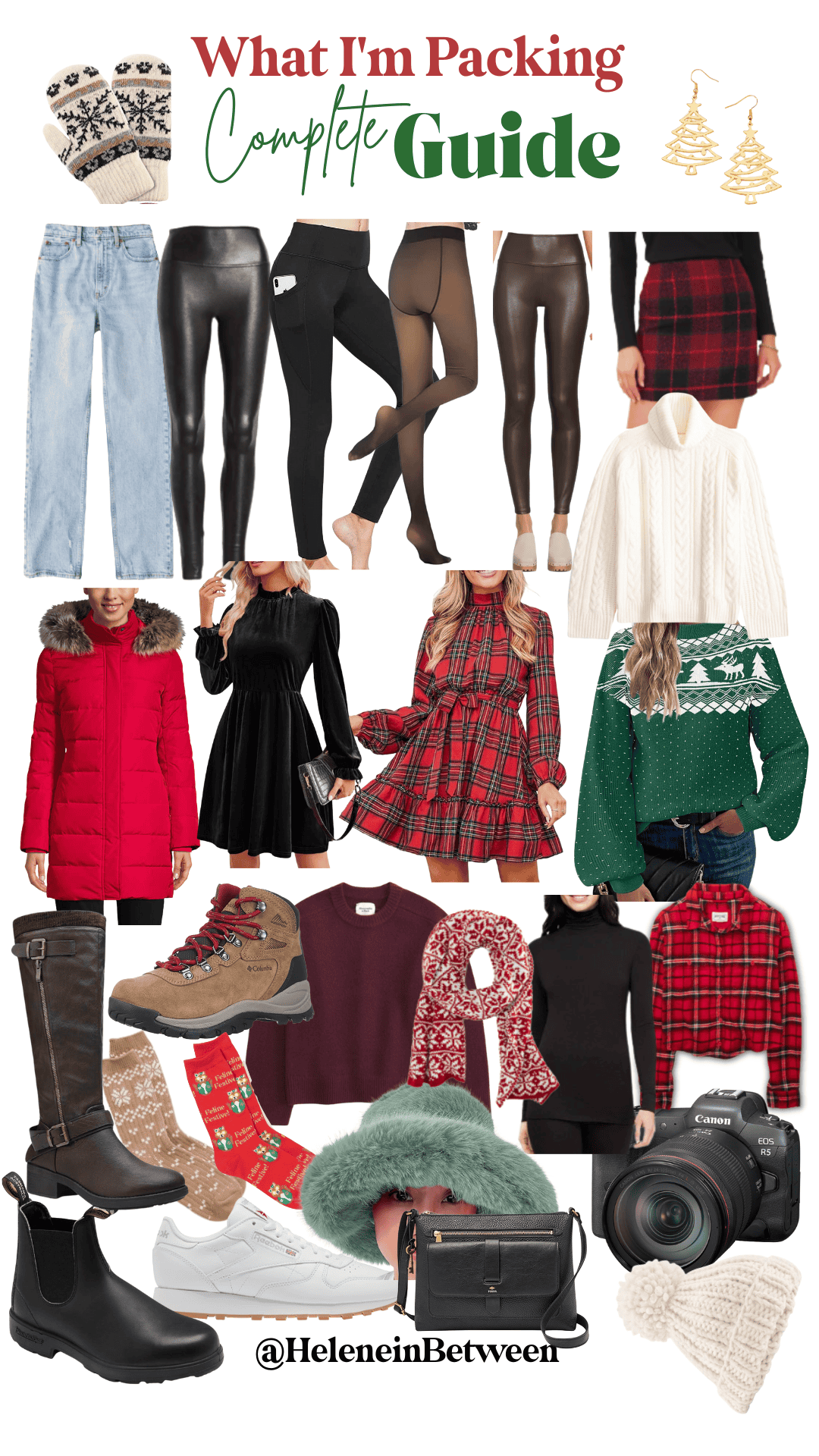
- The Base Layer: A moisture-wicking, thermal turtleneck or long-sleeve top is essential. Materials such as merino wool or advanced synthetic blends are preferred over cotton, which retains moisture and can cause rapid cooling.
- The Insulation Layer: A mid-weight sweater, ideally made of wool or fleece, provides the necessary heat retention. A cable-knit or cashmere sweater offers both warmth and a classic aesthetic suitable for festive environments.
- The Protective Shell: A high-quality, windproof, and water-resistant coat is the most critical investment. Given that Christmas markets are almost exclusively outdoor events, a coat with a deep hood and sufficient length is necessary to withstand wind gusts and freezing precipitation.
For those requiring extra warmth, fleece-lined leggings or tights are a highly effective, space-saving solution. When worn under trousers or skirts, they provide a significant thermal buffer without adding the bulk of traditional thermal long johns.
Footwear and Urban Mobility
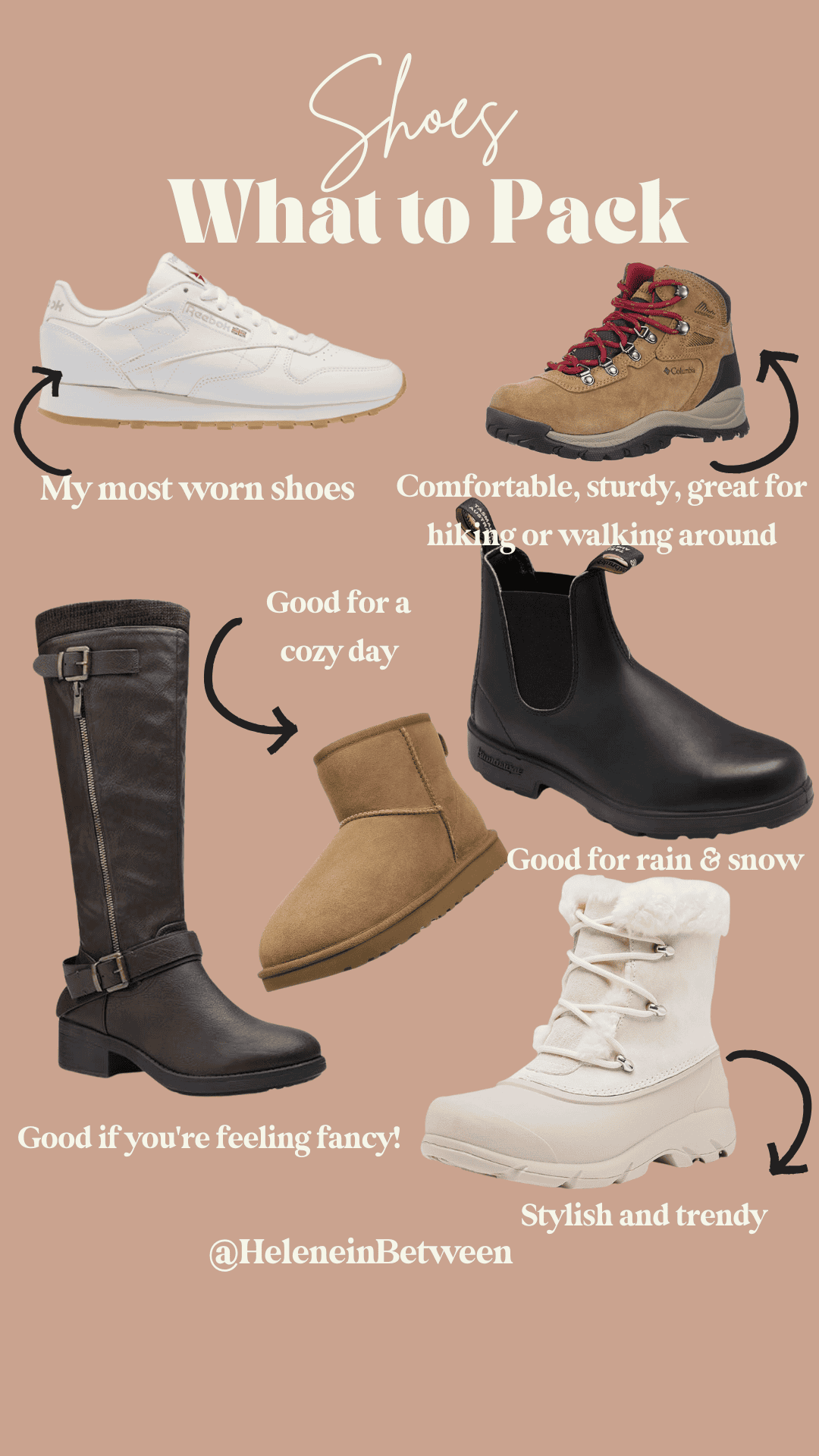
Navigating European Christmas markets typically involves walking several miles a day. Historic city centers are often paved with cobblestones, which can be slippery when wet or icy. Consequently, footwear choices must balance aesthetic appeal with orthopedic support and traction.

High heels are universally discouraged by travel planners due to the risk of injury on uneven streets. Instead, durable leather boots with rubber soles, or high-performance walking shoes that have been treated for water resistance, are recommended. If opting for sneakers, ensure they are constructed from thicker, synthetic materials rather than breathable mesh to prevent moisture penetration during snowy conditions.

Essential Gear and Accessories
Beyond apparel, the inclusion of specific accessories can significantly enhance the visitor experience. As the sun sets early in European winters—often by 4:00 PM—the temperature drops rapidly. Essential items for any packing list include:

- Touchscreen-compatible gloves: These allow for photography and navigation without exposing hands to the elements.
- Insulated headwear: A classic beanie or wool hat is essential, as a significant amount of body heat is lost through the scalp.
- Portable power banks: Cold weather is known to deplete smartphone batteries rapidly. Given that navigation apps and digital ticketing are standard for modern travel, a high-capacity portable charger is a non-negotiable item.
- Compact umbrellas or rain ponchos: While some markets provide cover, many are open-air. A small, wind-resistant umbrella is a prudent addition to any day bag.
Economic and Logistical Implications
The surge in demand for European holiday travel has led to increased pressure on infrastructure. Local authorities in major cities such as Cologne, Strasbourg, and Prague have implemented stricter crowd control measures to ensure safety. For the visitor, this means that mobility is even more critical. Carrying a bulky, oversized suitcase not only incurs additional airline fees but also creates significant logistical hurdles when navigating crowded transit systems or entering high-security zones near popular market squares.

By consolidating belongings into a single, high-quality carry-on, travelers can bypass the risks of lost baggage and the inconvenience of waiting at carousels. This efficiency allows for more spontaneous travel between neighboring cities, which is a hallmark of the European Christmas market experience.

Expert Recommendations for 2026
Data-driven analysis of travel trends for the 2026 season suggests that "slow travel" is becoming more popular. Instead of attempting to visit five markets in three days, tourists are opting for longer stays in fewer locations. This trend influences packing lists: travelers can afford to bring fewer, higher-quality items that can be laundered or re-worn, rather than packing a unique outfit for every day of the trip.

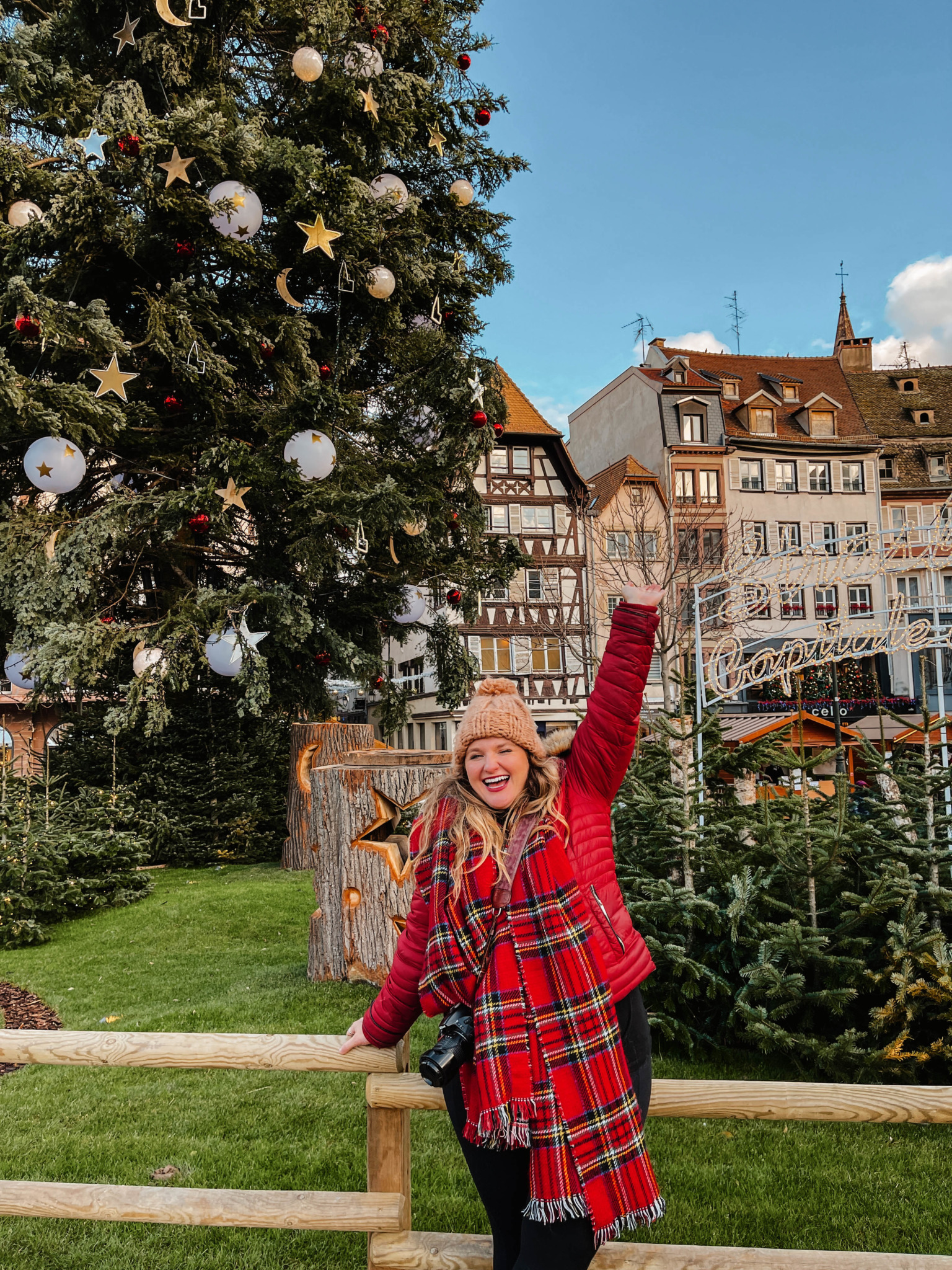
Furthermore, it is important to remember the cultural context of the events. While markets are festive, they are also community spaces. Dressing in layers that allow for a transition from outdoor markets to indoor museums, restaurants, or cathedrals is vital. A versatile pea coat or a stylish, neutral-colored puffer jacket will suit almost any setting.
Conclusion
Preparation for a 2026 European Christmas market tour should focus on quality over quantity. By selecting versatile, high-performance layers, prioritizing comfortable and durable footwear, and utilizing a hybrid carry-on, travelers can ensure their comfort in the unpredictable winter climate. The goal is to remain warm, mobile, and prepared, allowing the traveler to fully immerse themselves in the history, culinary delights, and festive spirit that define the European Christmas season. As the markets continue to grow in popularity, the traveler who packs with foresight and precision will undoubtedly have a more seamless and enjoyable holiday experience.