Montenegro Travel Costs: A Comprehensive Financial Breakdown of Visiting the Balkans in 2026

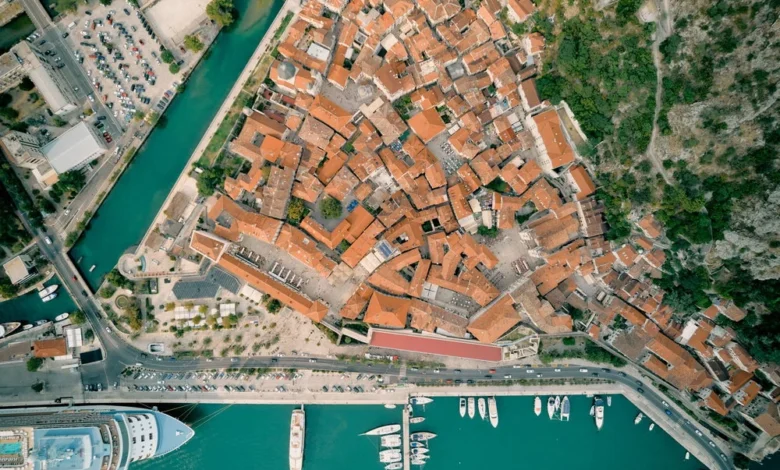
When travelers return from neighboring Croatia with depleted bank accounts, assumptions are often made about Montenegro. Sharing the same dramatic coastline, historic Venetian stone architecture, and the euro as its currency, visitors frequently anticipate identical travel expenses. However, an empirical review of official operator price lists, crowdsourced economic metrics, and localized data reveals a starkly different financial reality. While lodging and select coastal amenities remain comparable to regional hotspots, Montenegro introduces a vastly divergent pricing structure regarding access to its premier natural and cultural attractions.
Operating outside the formal Eurozone while utilizing the euro as its legal tender, the country presents a unique economic landscape where cards are widely accepted in urban centers and hotels, yet cash remains essential for smaller municipalities, tourist taxes, and localized transport fees.
Accommodation Dynamics and Regional Disparities
As is standard throughout the Adriatic corridor, accommodation serves as the primary driver of overall travel expenditure. The geographic location selected by the traveler dictates daily costs far more than seasonal timing alone, though peak summer months profoundly influence resort availability.

Hostel dormitories in prominent hubs reflect baseline rates established in late 2026. Kotor, heavily impacted by cruise ship tourism entering its bay, commands the highest floor prices, with typical multi-bed dormitories ranging from €20 to €30 per night, compared to absolute minimums starting at €10. Conversely, coastal resort cities like Budva and mountain outposts like Žabljak in the Durmitor region offer slightly lower entry points, with standard dorm beds averaging between €12 and €20.
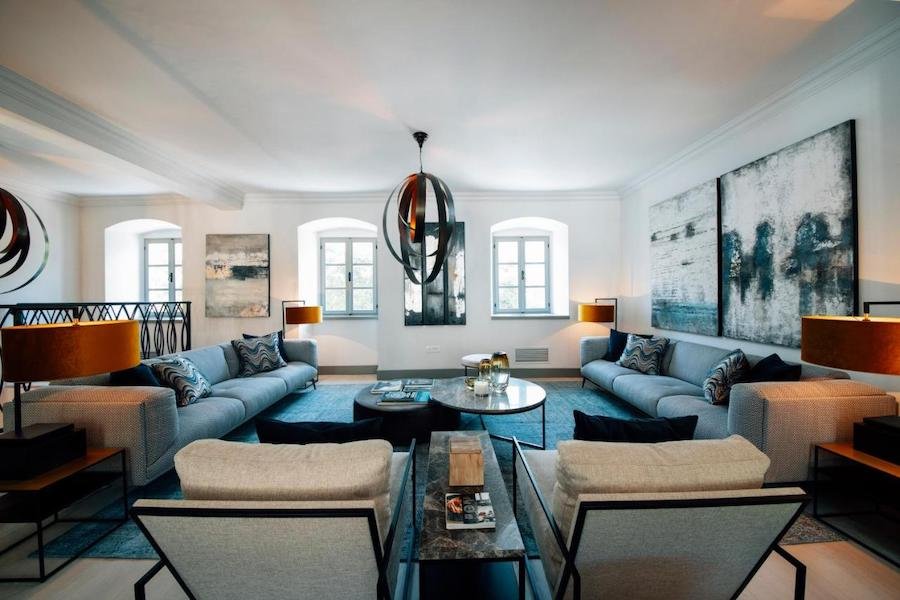
Private accommodations, family-run guesthouses, and mid-tier hotels exhibit broader variations. Family-run guesthouses typically range from €30 to €60 nightly for double occupancy, while three- and four-star establishments command between €60 and €120. Front-row seafront addresses during high season frequently exceed €150 per night.
Compounding lodging costs is Montenegro’s mandatory tourist tax. Assessed at €1 per adult per night—with a 50 percent reduction for minors aged 12 to 18 and exemptions for younger children—this statutory fee must typically be paid in cash upon check-in at smaller properties.
Budva remains the nation’s preeminent mass-market resort destination, possessing the largest inventory of rooms and the widest price fluctuations. Travel analysts consistently advise scheduling visits to Budva in June or September to avoid peak July and August pricing surges, or alternatively, utilizing quieter towns such as Kotor or Petrovac as a primary base while taking day trips to the coast.
Gastronomic Expenditures: Dining Out Across Urban Centers
Dining costs in Montenegro demonstrate high uniformity with neighboring Croatia, particularly regarding basic provisions. According to recent economic datasets compiled from Numbeo, a modest meal for one person at an inexpensive restaurant averages €10 in the capital city of Podgorica, €10 in Kotor, and €13 in Budva.
Mid-tier establishments offering a three-course meal for two range from approximately €52.50 in Kotor to €60 in Budva. Significant price divergence occurs primarily within the beverage sector, driven heavily by terrace locations rather than intrinsic product value. A 0.5-liter draft beer averages €2.50 in Kotor and Podgorica, while scaling to €4.25 in Budva’s prime tourist zones. Over an extended itinerary, this hospitality markup on terrace drinks can equal the cost of an additional night’s lodging.
Locals and budget-conscious travelers frequently look to Podgorica as an authentic baseline for domestic pricing. Unaffected by heavy tourist demand, the capital maintains average everyday costs such as €1.95 for a cappuccino, illustrating the baseline cost of living outside seasonal economic bubbles.
Transportation Logistics and Infrastructure Tariffs
Navigating Montenegro requires an understanding of localized transport networks, ranging from coastal ferry crossings to regional bus connections.

The Kamenari-to-Lepetane ferry across the Bay of Kotor provides an essential shortcut for motorists, reducing transit times around the water by roughly forty minutes. Official operator pricing sets the car tariff at €5, motorcycles at €2.50, and pedestrians or cyclists at zero cost. For travelers with flexible schedules, the perimeter road offers an alternative panoramic route free of tolls.
Regional bus services link major hubs efficiently, though ticketing platforms often reflect base rates that may exclude station surcharges. Typical routes include:
- Kotor to Budva: €2 to €4
- Podgorica to Budva: €7 to €10
- Podgorica to Žabljak: €10 to €12
A standard operational practice across Montenegrin bus lines involves luggage storage fees. Bags placed in the vehicle hold generally incur a €1 charge per item, payable in cash directly to the driver—a policy that frequently catches travelers off guard who have pre-purchased tickets online.
National Park Tariffs and Cultural Preservation Fees
The most significant financial revelation for visitors to Montenegro involves public conservation areas. Unlike neighboring Croatia, where flagship natural reserves like Plitvice Lakes and Krka command peak summer adult entry fees of €40, Montenegro’s National Parks administration enforces a unified, highly accessible national tariff structure.
Official park admission fees include:
- Durmitor National Park (Black Lake, Tara Canyon viewpoints): €5 per day
- Lake Skadar National Park: €5 per day
- Biogradska Gora National Park: €4 per day
- Lovćen National Park (Mausoleum access road): €3 per day
- Comprehensive Annual Pass (All five national parks): €13.50
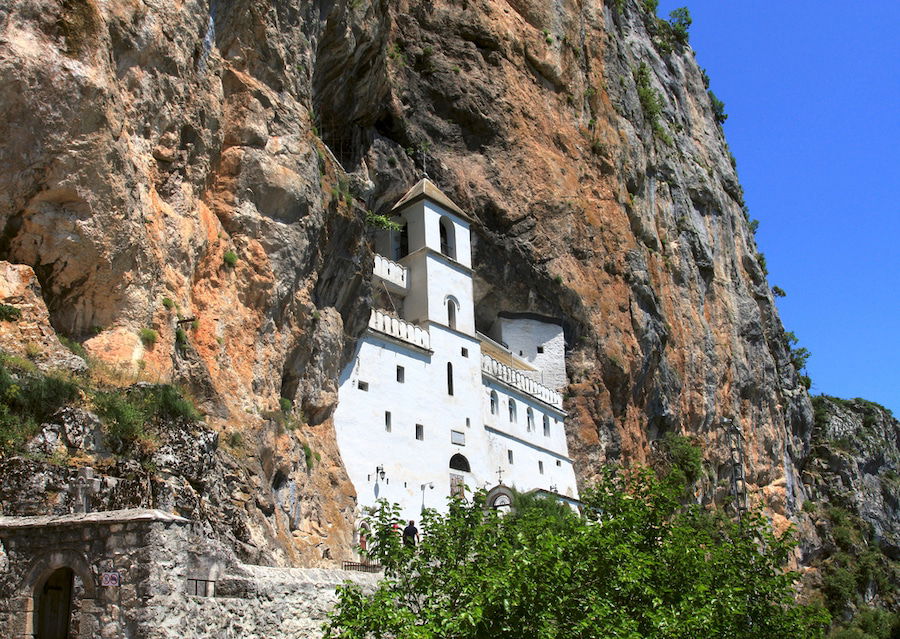
Activities within these parks remain similarly modest; rowing boat rentals on alpine lakes average €10 per hour, and designated tent pitches cost approximately €3 per night. Cultural and religious sites adhere to similar philosophies. The cliffside Ostrog Monastery operates on a voluntary donation basis with no mandatory admission fee.
The primary exception to this low-cost cultural access is found within the historic fortifications of Kotor. The steep climb to St. John’s Fortress carries a €15 per person municipal tariff, enforced annually from March 1 through November 30. Children under 12 enter free, and because ticket booths remain unstaffed between December and February, winter ascents are free of charge. Additional site-specific costs include the Njegoš Mausoleum atop Lovćen (€8 entry in addition to the park fee) and private boat transfers to Our Lady of the Rocks off Perast (€5 return fare plus a €2 church museum charge).
Aggregate Trip Cost Analysis for a Standard Ten-Day Loop
A standard ten-day Montenegrin itinerary typically encompasses three days along the Bay of Kotor, transit through Lovćen and Ostrog, two nights in Žabljak for Durmitor exploration, a descent to Lake Skadar, and a concluding stay near Sveti Stefan and Budva.
Compiling mandatory admission tariffs, conservation fees, and infrastructural tolls for this entire route yields minimal overall expenses:
- Kotor Town Walls (In-season): €15
- Our Lady of the Rocks (Boat & Museum): €7
- Lovćen Park & Njegoš Mausoleum: €11
- Ostrog Monastery: €0
- Durmitor National Park (Two days): €10
- Lake Skadar Park Entry: €5
- Bay Ferry Crossing (Car): €5
- Tourist Tax (Nine nights): €9
- Total Statutory Sightseeing Expenditures: €62
When factoring in optional activities—such as a €50 full-day Tara River rafting excursion or a €20 boat tour on Lake Skadar from Virpazar—total activity costs rarely surpass €140 for an entire trip. Consequently, sightseeing does not dictate a traveler’s primary budget; accommodation, dining, and beverage consumption remain the defining financial variables.
Travel Styles and Projected Daily Budgets
- Backpacker Style: Utilizing hostel dormitories (€10 to €20 per night), consuming one inexpensive meal out daily (€10 to €13), and relying exclusively on public regional buses keeps overall expenditure efficient. Estimated daily outlays range from €40 to €50, closely aligning with broader Balkan budget-tracking metrics due to nominal park and attraction fees.
- Mid-Range Style: Incorporating private guesthouse rooms (€30 to €60 per night), standard dining experiences (€50 to €60 for a multi-course dinner for two), car rentals, and ferry tolls brings estimated daily expenditures to approximately €100 to €130 per person, heavily weighted toward lodging and culinary choices rather than sightseeing overhead.
- Comfort and Luxury Style: Securing premium seafront hotels exceeding €150 nightly, high-end seafood dining, private lake charters, and private transportation services aligns pricing with broader European luxury standards, rendering baseline entry fees statistically negligible.
Strategic Timing for Cost-Conscious Travelers
While seasonal timing drastically alters accommodation rates across coastal hubs, natural attraction fees remain constant year-round. National park entries, ferry tariffs, and infrastructure costs do not experience high-season inflation.
Travelers seeking an optimal balance of favorable weather, open alpine trekking routes, and moderate accommodation pricing are consistently advised to target the shoulder months of September and early October. During this window, the Adriatic Sea retains comfortable swimming temperatures, mountain trails remain accessible, and hospitality pricing recedes from the peaks of August.
Ultimately, financial experts emphasize that Montenegro should not be selected solely on the premise of being a budget-discount alternative to Croatia, but rather for its exceptional return on investment regarding natural preservation—allowing travelers to allocate resources toward higher-quality lodgings while exploring vast canyons and alpine peaks at a fraction of regional norms.