The renaissance of rail travel in the United States has transitioned from a nostalgic pursuit into a sophisticated sector of the luxury tourism industry. While the American rail network was historically defined by the necessity of transcontinental migration and industrial commerce, the modern landscape is increasingly dominated by operators focusing on experiential travel. Today, luxury train travel represents a fusion of historic preservation, fine dining, and landscape immersion, offering travelers a vantage point into the nation’s most rugged terrains that remains inaccessible by traditional highway infrastructure.
The Evolution of American Rail Tourism
The shift toward luxury rail began in earnest during the late 20th century as regional railroads sought to diversify their revenue streams beyond freight. By retrofitting vintage rolling stock and investing in high-end culinary programs, these operators successfully repositioned the train journey as the primary destination rather than a mere mode of transport. Data from the Association of American Railroads suggests that scenic rail tourism contributes significantly to local economies, particularly in regions like the Mountain West and the Pacific Northwest, where accessibility to wilderness areas is highly prized by high-net-worth travelers.
The Mountain West: Setting the Gold Standard
The Rocky Mountaineer’s Rockies to the Red Rocks route, launched in 2021, currently stands as the definitive benchmark for luxury rail in the United States. Connecting Denver, Colorado, to Moab, Utah, this two-day excursion is designed to showcase the geological transitions of the American Southwest. Unlike European sleeper trains, the Rocky Mountaineer utilizes a "land-cruise" model. Passengers travel exclusively during daylight hours, disembarking in Glenwood Springs for overnight stays in premium hotel accommodations. This model maximizes the viewing potential of the dramatic canyons and high-desert plateaus.
In SilverLeaf Plus service, guests receive an elevated experience featuring sommelier-curated wine pairings and access to an exclusive lounge car. The operational philosophy here is "extreme comfort," a term used by industry analysts to describe the prioritization of space and service ratios. By limiting the passenger-to-staff ratio, the operator ensures a level of hospitality that competes directly with five-star boutique hotels.
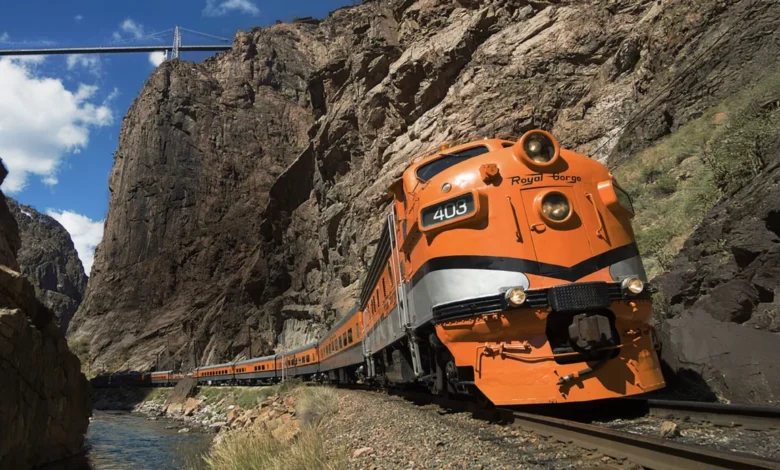
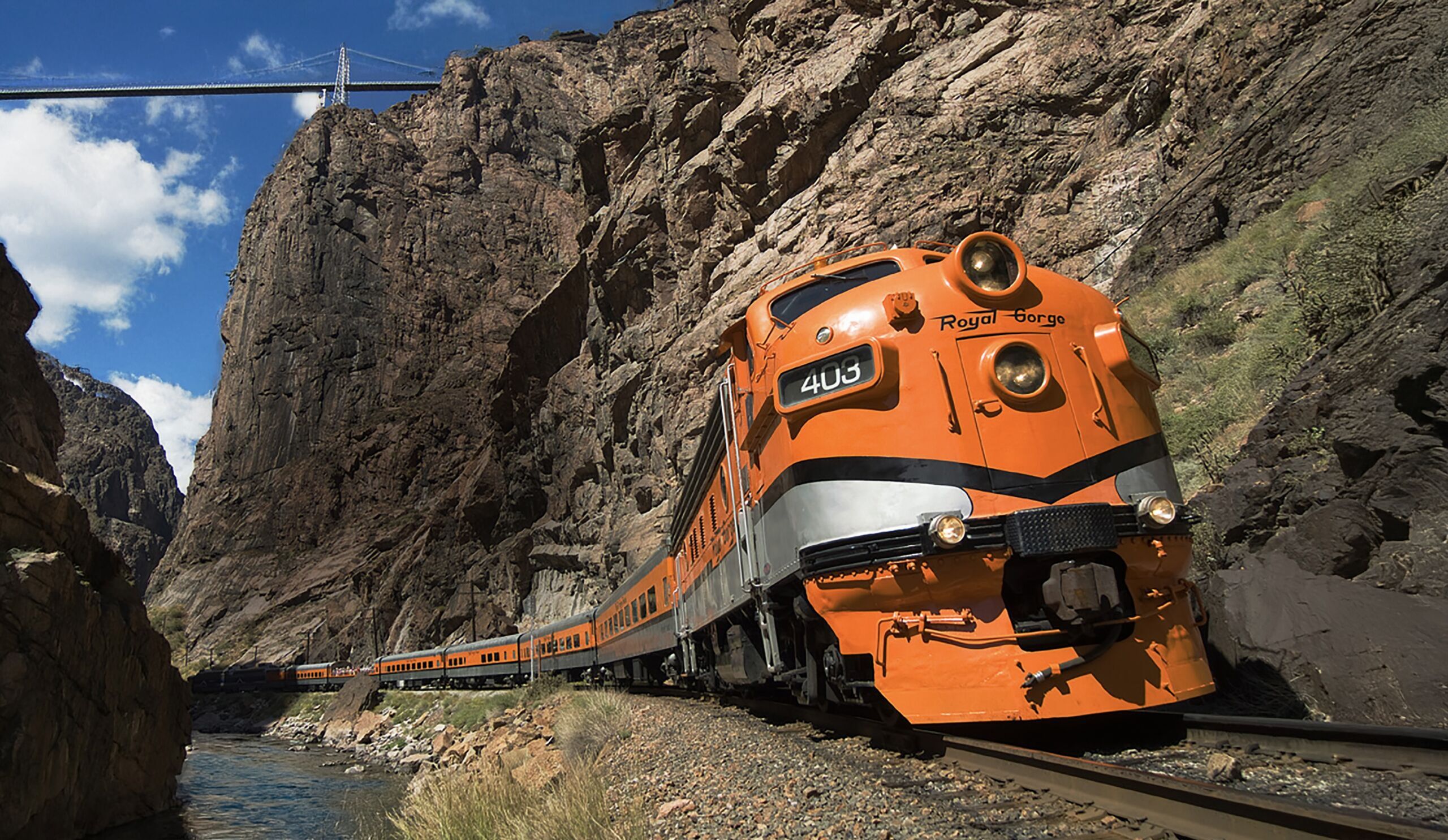
In Southern Colorado, the Royal Gorge Route Railroad offers a more concentrated, high-intensity scenic experience. Traversing the Arkansas River along a 1,200-foot-deep canyon, the route is a masterclass in civil engineering history. The First Class Dinner Train, which utilizes the Vista Dome car, serves award-winning three-course meals. The implications for the local tourism economy are substantial; the railroad acts as a primary economic anchor for the town of Cañon City, drawing thousands of visitors who prioritize fine dining and historical architecture.

Historic Preservation and the Steam Era
The Cumbres and Toltec Scenic Railroad serves as the primary example of the preservationist approach to luxury travel. Operating between Chama, New Mexico, and Antonito, Colorado, this historic steam railway operates on a schedule dictated by the seasonal availability of the high-altitude mountain passes (May through October). The inclusion of an adult-only Parlor Car represents a strategic shift to cater to travelers seeking a refined, quiet atmosphere amidst the roar of the Baldwin steam locomotives.
The preservation of these 19th-century routes provides an essential service to the tourism sector: the maintenance of rail heritage. These railroads are not merely for transport; they are mobile museums that allow for the study of industrial evolution.
Coastal and Northeastern Rail Experiences
In the Northeast, the luxury rail market focuses heavily on culinary experiences. The Cape Cod Central Railroad’s Dinner Train operates out of Massachusetts, utilizing a 1917 lounge car for its Platinum Class passengers. The service is highly localized, emphasizing regional produce and the quintessential aesthetic of the New England coastline. Similarly, Vermont’s Green Mountain Railroad (Vermont Rail System) has successfully implemented a "Cocktails on the Rails" model. By capping attendance at 18 passengers per session, the operator creates an intimate environment that appeals to a demographic seeking exclusivity over mass-market experiences.
National Parks and the Infrastructure of Access
The intersection of rail travel and the National Park Service (NPS) represents one of the most stable segments of the industry. Amtrak’s Empire Builder, while a transcontinental line, offers a unique value proposition for visitors to Glacier National Park. The ability to disembark directly at the East Glacier Park station, adjacent to the historic Glacier Park Lodge, eliminates the need for rental vehicles, which is a major draw for international tourists and environmental-conscious travelers.
The Grand Canyon Railway remains the most integrated rail-to-park experience in the U.S. Departing from Williams, Arizona, the line provides a two-hour transit to the South Rim. The Luxury Dome Class, restricted to passengers 16 and older, serves as an example of tiered market segmentation, allowing the operator to serve both families and luxury-seeking adults on the same trainset.
Alaska: The Final Frontier of Rail Luxury
The Alaska Railroad operates the Denali Star and the Coastal Classic, two routes that rely heavily on the "Goldstar Service" tier. In Alaska, the environment is the primary amenity; the use of double-decker glass-dome cars is a functional necessity for viewing the sub-arctic wilderness and wildlife. Market analysts note that Alaska’s rail tourism is highly sensitive to cruise ship schedules, with the railroad functioning as a critical logistical link for visitors moving between the port cities and the interior parks.
Operational Realities and Future Outlook
Despite the growth in luxury offerings, the domestic industry remains bifurcated between private, regional tourist railroads and the national network operated by Amtrak. While private operators focus on short-duration, high-margin dining and sightseeing experiences, Amtrak provides the only legitimate long-distance sleeper network.
The current state of U.S. sleeper trains is defined by the "Bedroom Suite" concept, which combines two bedrooms to create an all-inclusive, private environment for four travelers. This is the closest the U.S. market currently gets to the ultra-luxury sleeper trains seen in Europe or Asia. However, the limitation of this model is the underlying rail infrastructure, which is largely shared with freight trains, leading to scheduling delays that luxury operators must account for in their service guarantees.
Broader Economic and Environmental Implications
The rise of luxury rail travel has significant implications for sustainable tourism. As travelers increasingly seek alternatives to short-haul aviation, the carbon footprint of rail travel—even when operated by historic steam locomotives—is often lower than that of road-based travel in congested park zones. Furthermore, by concentrating tourists on rail lines, operators assist in mitigating the traffic congestion that plagues major national parks like the Grand Canyon and Glacier.
Looking toward the future, the industry is expected to see continued investment in the renovation of mid-20th-century rolling stock, such as the 1948 Budd Company dome cars recently introduced by the Virginia Scenic Railway. The successful integration of these vintage assets into modern service models suggests that the "luxury rail" designation will continue to evolve, blending the aesthetic of the golden age of travel with the convenience and technological demands of the 21st-century passenger. As long as the market for experiential, slow-travel persists, these railroads will remain vital components of the American tourism infrastructure.