Unlocking Lazio: How Sustainable E-Bike Itineraries and Community Tourism Are Reshaping Central Italy

The Lazio region of central Italy, historically overshadowed by the global tourism gravity of its regional capital, Rome, is undergoing a strategic shift in how it presents its archaeological, natural, and culinary assets to international travelers. Long viewed merely as a transit corridor or a gateway to the Eternal City, Lazio is emerging as a distinct, uncrowded destination driven by slow-travel initiatives, regional funding, and community-led ecotourism.
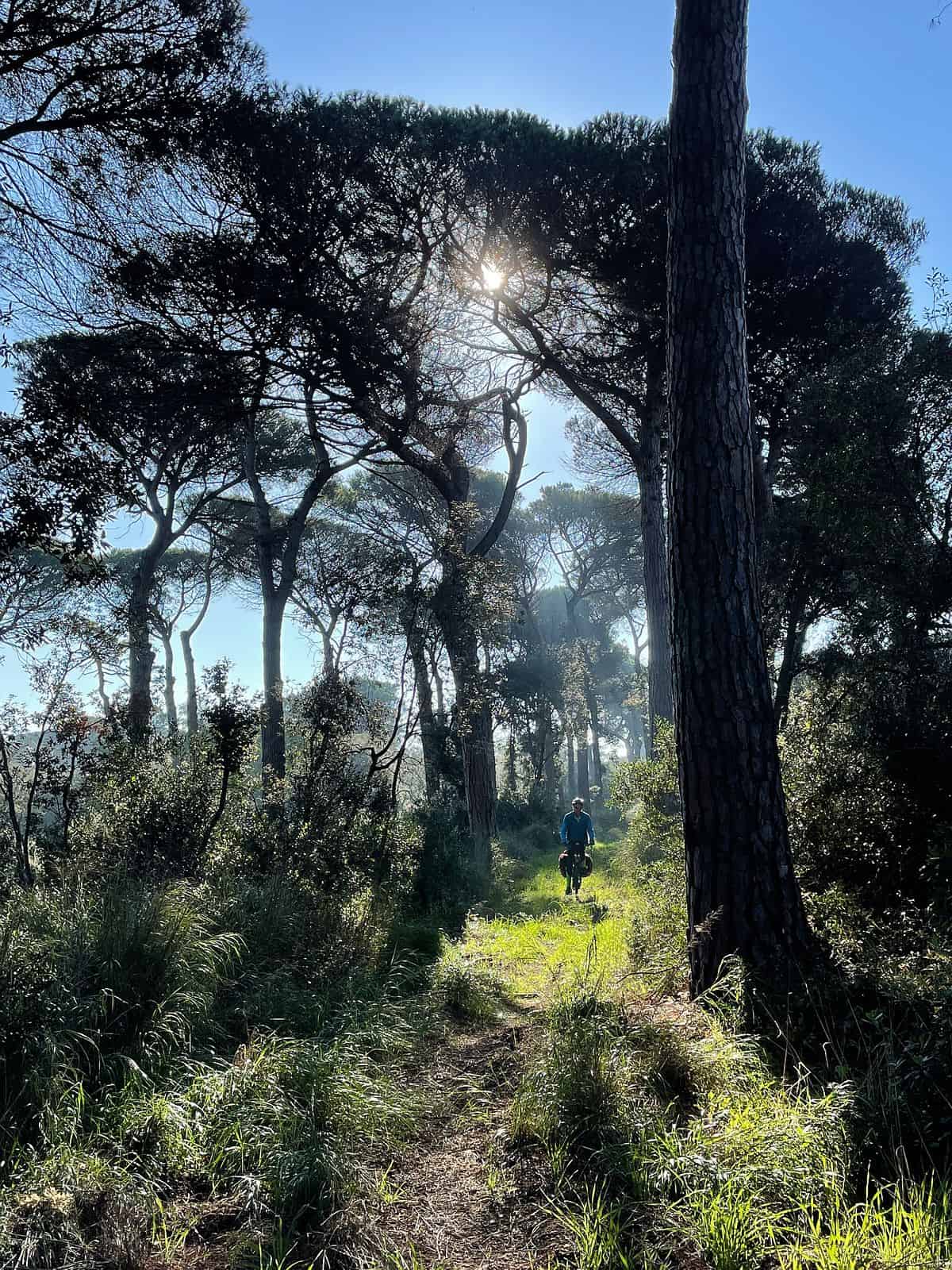
This transformation is the result of targeted regional investment and collaborative destination-development initiatives. Projects spearheaded by local organizations such as the Thybris River Experience, with financial backing from the Lazio Region, have focused on establishing multi-day, guided e-bike and outdoor itineraries along the Tiber River corridor. By connecting rural hill towns, protected nature reserves, and lesser-known historical sites via sustainable transit networks, regional authorities aim to disperse tourism revenue beyond Rome’s historic center while minimizing environmental impact.
Geographically situated between the Etruscan strongholds of Tuscany to the north and the historically distinct provinces of southern Italy, Lazio—whose name derives from the Latin latus, meaning "wide"—encompasses a diverse topography. The newly curated itineraries span three distinct zones, all accessible within an hour’s train ride from Rome: the northern Tuscia and Teverina districts, the Tevere-Farfa Natural Reserve, and the coastal wetlands and ancient ports stretching from Ostia Antica to Fiumicino.

Hill Town and Villa Life in Tuscia and Teverina
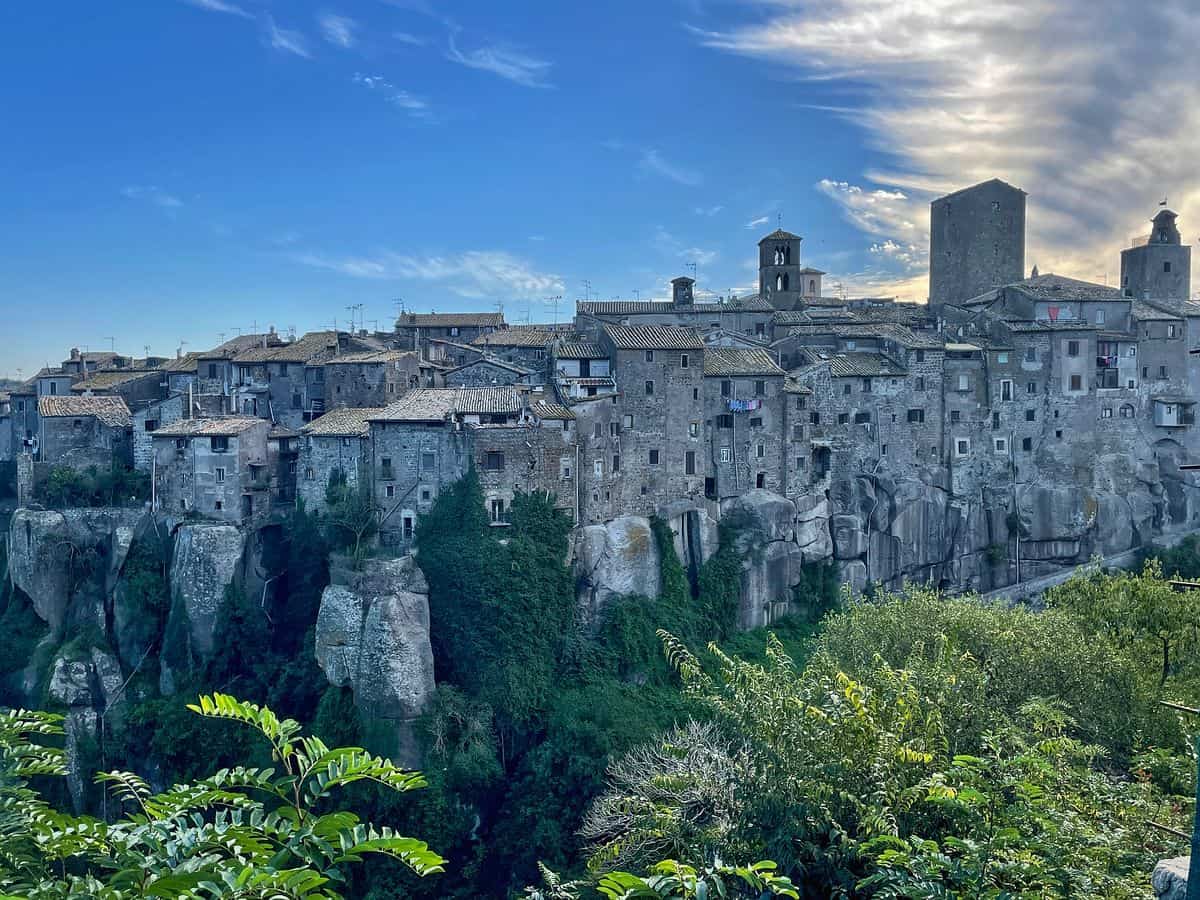
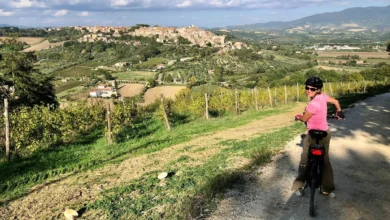
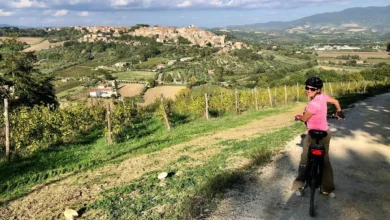
The northern districts of Tuscia and Teverina present a landscape defined by rolling volcanic hills, terraced vineyards, and medieval settlements perched above river valleys. Unlike their counterparts in neighboring Tuscany, towns such as Civitella d’Agliano, Celleno, Roccalvecce, and Vitorchiano currently experience minimal mass tourism, offering visitors an intimate engagement with rural Italian heritage.

Sustainable agricultural practices form a cornerstone of the regional tourism framework. Notable enterprises, such as the family-run Trebotti winery in the Tuscia hills, have operated entirely organically for over two decades. Emphasizing closed-loop resource management, the winery utilizes ancient Etruscan subterranean cellars for temperature control, cultivates indigenous grape varieties suited to local volcanic soils, employs lightweight glass packaging, and incorporates self-regulating air circulation systems to reduce energy consumption.

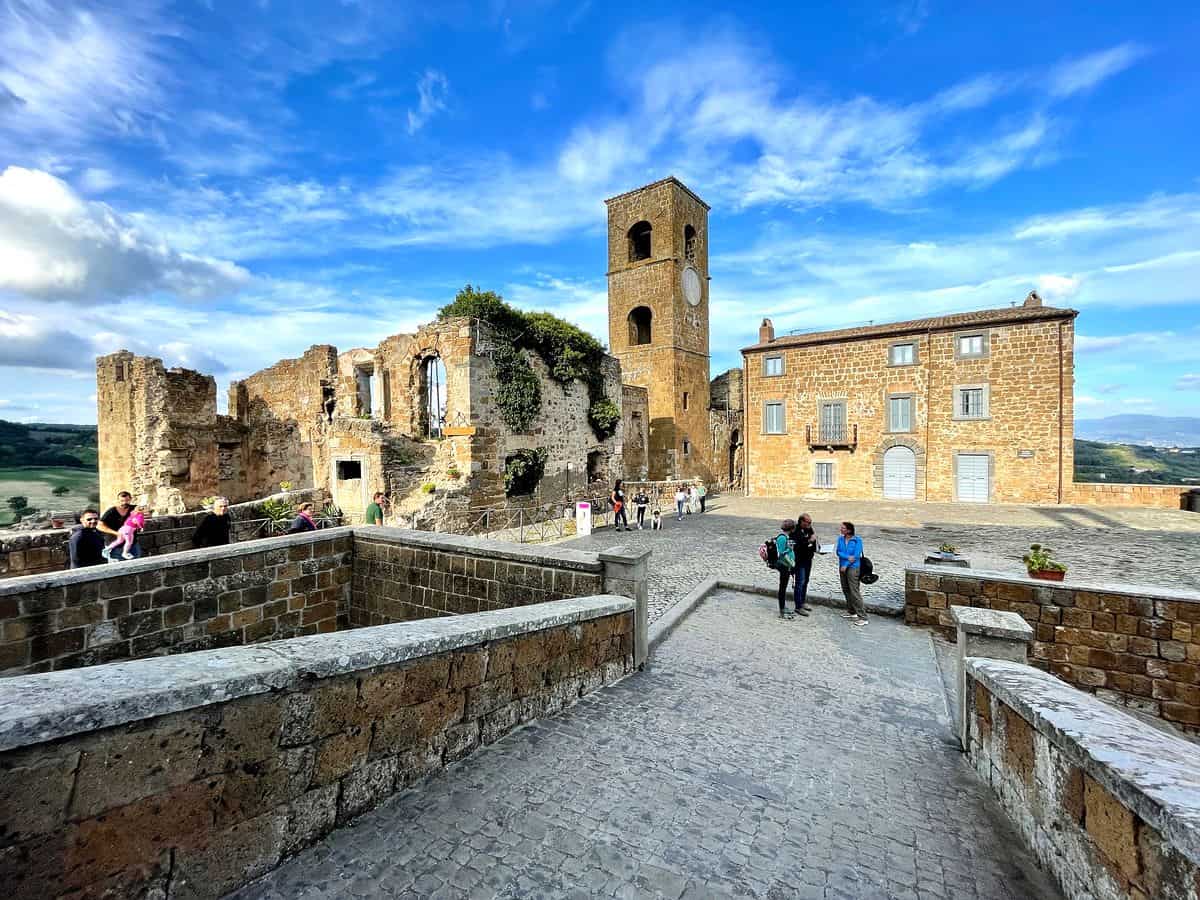
Cultural preservation is equally integrated into the local tourism product. At Il Mulino dei Mestieri in Civitella d’Agliano, founders Alessia and Daniele maintain a private collection of restored 20th-century artisan bicycles, detailing an era when mobile tradesmen—from knife sharpeners to medical practitioners—relied on customized two-wheeled transport. Meanwhile, the historical preservation of Celleno, locally known as Il Borgo Fantasma (the Ghost Town), highlights the region’s complex seismic history. Abandoned following mid-20th-century earthquakes and landslides, the ruins have been partially adapted into an open-air museum and historical exhibition space, safeguarding local memory against total erasure.

Nature Conservation and Twentieth-Century History in the Tiber Valley

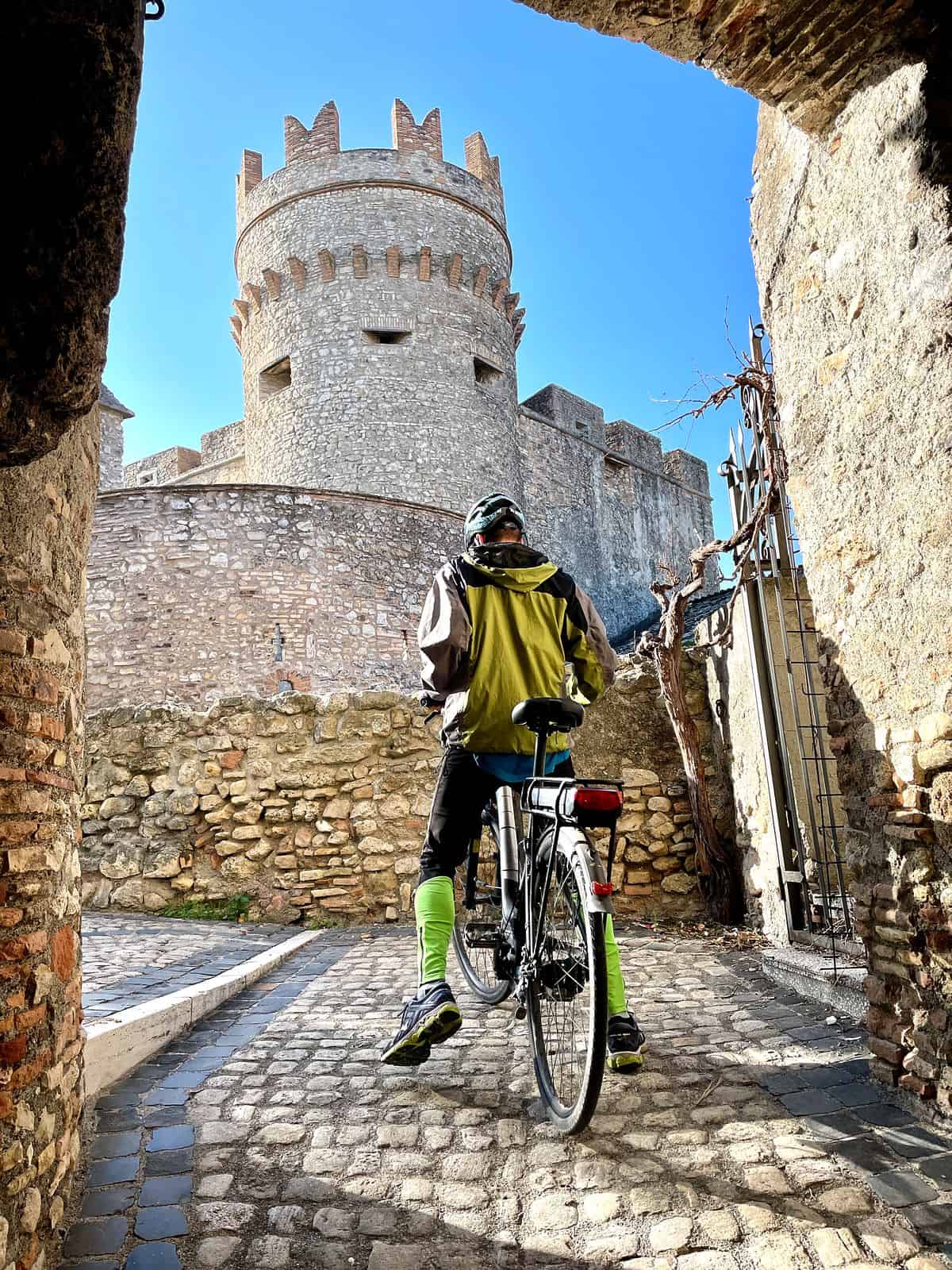
Further south, the Tevere-Farfa Natural Reserve—established as Lazio’s first protected natural area—shifts the tourism focus toward river ecosystems, biodiversity, and modern geopolitical history. The reserve, flanked by volcanic tufa cliffs and medieval fortresses such as Nazzano Castle, supports a resurgence of native wildlife, including migrating grey herons, egrets, and wild boar populations.

Accommodation and dining within the reserve prioritize ecological integration, exemplified by Ecoturismo Tevere Farfa, an educational and community gathering hub operating on the site of a former organic farming cooperative. Culinary offerings across the valley rely strictly on short supply chains, featuring farm-to-table menus sourced from organic gardens and local producers.

Beyond natural landscapes, the Tiber corridor intersects with significant 20th-century European history. Near Sant’Oreste, Bunker Soratte represents a monumental civil-engineering project initiated by the Italian government in 1937. Originally constructed as a massive underground shelter system under Benito Mussolini, the four-kilometer tunnel network was subsequently occupied by Nazi German forces under Field Marshal Albert Kesselring during World War II, before serving as a nuclear fallout shelter for Italian government officials during the Cold War. Today, the site functions as a preserved historical memorial, drawing researchers and history enthusiasts to examine the multi-layered military infrastructure.

Coastal Antiquities and Regenerative Tourism Near Rome

The final geographic tier of Lazio’s tourism expansion centers on Rome’s western periphery, encompassing Ostia Antica, Portus, Fiumicino, and Isola Sacra. These sites offer profound archaeological records of the Roman Empire’s maritime trade network without the intense congestion typical of central Rome’s primary monuments.

Ostia Antica, considered one of Rome’s earliest colonies, features remarkably preserved multi-story residential buildings, commercial spaces, and mosaic-floored bathhouses. Adjacent to it lies Portus—the imperial harbor established by Emperors Claudius and Trajan—which served as Rome’s primary maritime gateway for provisioning the capital. Though now situated inland due to centuries of alluvial silt accumulation, the vast footprint of the ancient port underscores the geopolitical and logistical scale of the Roman economy.
In Isola Sacra, the Necropolis of Portus provides sociological insight into the stratified burial practices of ancient Romans, contrasting elaborate mausoleums of wealthy merchants with the compact columbaria of laborers and tradesmen.

Modern ecological restoration efforts mirror these ancient foundations along the coast. At the LIPU Oasis in Ostia (Centro Habitat Mediterraneo), conservationists have spent two decades transforming a former municipal waste site into a thriving wetland reserve. By planting thousands of indigenous trees and establishing controlled observation hides, the initiative has successfully rehabilitated local biodiversity, attracting flamingos, rare European waterfowl, and migratory bird species.

Implications and Future Outlook

The systematic development of guided e-bike routes and eco-itineraries across Lazio reflects a broader European trend toward decentralized, low-impact tourism. By distributing visitor flows away from saturated urban centers like Rome and into rural municipalities, regional planners aim to bolster local economies, preserve artisanal trades, and incentivize environmental conservation.

Local authorities and tourism stakeholders emphasize that the long-term success of these initiatives depends on maintaining a balance between infrastructure expansion and community preservation. As these lesser-known itineraries gain international visibility, Lazio offers a scalable model for regional destination management, demonstrating how historical heritage and environmental stewardship can successfully intersect in contemporary European travel.