Inspire Inclusion: Transforming the Global Tourism Sector for Gender Equality

The 2024 International Women’s Day campaign, centered on the theme "Inspire Inclusion," serves as a definitive call to action for industries worldwide to dismantle systemic barriers, challenge deep-seated gender stereotypes, and foster environments where women are not merely present but are valued and respected as equals. While significant strides in gender parity have been made over the last several decades, a comprehensive analysis of the global labor market reveals that the goal of equitable opportunity remains elusive. In the tourism sector—an industry that serves as a primary economic engine for many developing nations—the necessity for deliberate, structural change is particularly acute.
The Evolution of International Women’s Day
International Women’s Day, observed annually on March 8, traces its origins to the early 20th-century labor movements in North America and Europe. In 1908, 15,000 women marched through New York City demanding shorter hours, better pay, and voting rights. By 1911, the first official International Women’s Day was marked in Austria, Denmark, Germany, and Switzerland. Over the past century, the day has evolved from a grassroots political demonstration into a global platform for addressing contemporary socio-economic disparities. The 2024 theme, "Inspire Inclusion," specifically addresses the intersectional nature of modern inequality, urging stakeholders to ensure that women of all backgrounds, ethnicities, and socio-economic statuses are granted the resources necessary for success.
Employment Paradox in the Tourism Industry
Data from the World Travel & Tourism Council (WTTC) indicates that prior to the 2020 pandemic, women represented approximately 54% of the global tourism workforce. While this high percentage is frequently cited as a success story regarding accessibility, a deeper examination by the World Tourism Organization (UNWTO) paints a more complex picture. The vast majority of these roles are concentrated in low-skilled, low-wage positions, often within the informal economy.

This concentration leaves women disproportionately vulnerable to economic volatility. When global crises strike—such as the COVID-19 pandemic, which saw travel demand plummet by over 70% in 2020—these workers are often the first to be displaced, lacking the institutional safety nets or seniority associated with management-level roles. Current industry statistics suggest that only 19% to 25% of leadership and C-suite positions within the tourism sector are held by women. This "glass ceiling" effect ensures that while women are the backbone of the industry’s service delivery, they have little influence over its strategic direction or financial governance.
The Multiplier Effect: Why Investing in Women Matters
The economic case for gender parity in tourism extends far beyond corporate social responsibility; it is an engine for sustainable development. Research conducted by international financial institutions, including the World Bank and the United Nations, consistently demonstrates that women are more likely to reinvest their earnings back into their families and communities.
Microfinance data from organizations like Kiva indicates that women entrepreneurs frequently reinvest up to 80% of their income into child nutrition, education, and healthcare. When the tourism sector prioritizes the economic empowerment of women—through fair wages, business grants, and mentorship programs—it triggers a "multiplier effect." This phenomenon results in improved community health outcomes, higher literacy rates for girls, and greater long-term economic resilience for the destination.
Bridging the Gap: Strategic Mechanisms for Change
To move beyond the performative gestures often associated with annual observances, the tourism industry must adopt structural, long-term policies. Industry experts suggest several key mechanisms for achieving this:

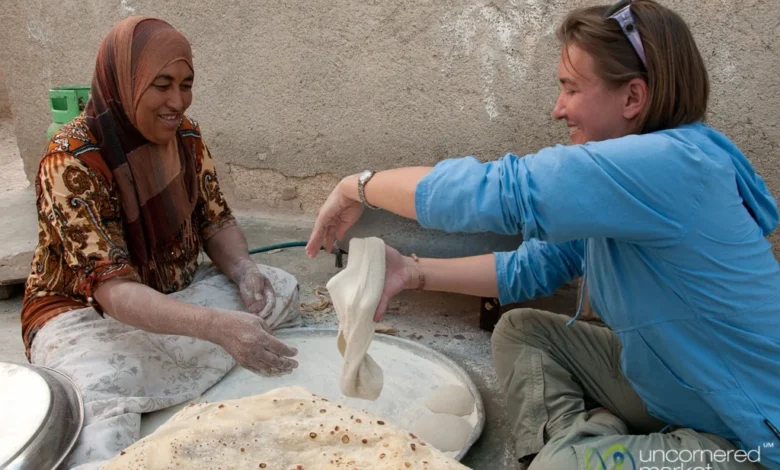
- Formalization of Informal Labor: Many women in tourism operate as independent artisans, street vendors, or home-stay operators. By integrating these individuals into formal tourism supply chains, companies can provide them with access to banking, health benefits, and professional training.
- Executive Pipeline Development: Companies should implement transparent hiring and promotion policies that mandate gender parity in middle and senior management. Mentorship programs connecting women in junior roles with female executive sponsors can help bridge the current leadership gap.
- Supply Chain Diversity: Large tour operators and hotel chains have the leverage to influence their supply chains. By mandating that a percentage of procurement—from food sourcing to laundry services—comes from women-owned small and medium enterprises (SMEs), they can foster local economic independence.
- Digital Literacy and Market Access: Many women-led tourism enterprises lack the digital infrastructure to compete in the global marketplace. Investing in training that covers digital marketing, online booking systems, and sustainable business management is essential for long-term growth.
The Business Case for Inclusion
Beyond the moral imperative, there is a clear business rationale for fostering an inclusive workforce. Comprehensive research by McKinsey & Company has consistently found that companies with higher levels of gender diversity in executive leadership are significantly more likely to report above-average profitability. This is largely attributed to the concept of "collective intelligence," where diverse teams bring a broader range of problem-solving perspectives to the table.
Furthermore, the consumer landscape of travel is heavily influenced by women. Market analysis from Skift and other industry observers indicates that women make approximately 70% to 80% of all consumer travel decisions. For a business to effectively cater to its primary customer base, its internal leadership should reflect that demographic. A company that fails to integrate women into its decision-making processes risks losing touch with the needs and preferences of the very individuals driving the market.
Challenges to Implementation and Future Outlook
Despite the clear benefits, the path toward full inclusion is fraught with challenges. Deeply ingrained cultural norms in certain regions, a lack of access to formal credit, and the enduring burden of unpaid care work continue to limit women’s professional mobility.
Official statements from organizations like the UNWTO have emphasized that recovery from the post-pandemic landscape must be "gender-sensitive." This means that policies aimed at revitalizing tourism—such as government subsidies for travel startups or international development grants—must include specific clauses requiring the support of women-led businesses.

As the industry navigates a future defined by climate change and rapid technological advancement, the role of women as leaders and innovators is more critical than ever. Women are frequently at the forefront of community-based tourism projects that prioritize environmental sustainability and cultural preservation. By providing these women with the resources to scale their operations, the global tourism industry can shift from a model of extraction to one of regeneration.
Conclusion: Moving from Awareness to Action
The theme "Inspire Inclusion" serves as a reminder that equality is a continuous process, not a destination. For the tourism sector, the mission is clear: it must transition from being an industry that simply employs women to one that empowers them.
The successful integration of women into all facets of the travel economy—from guiding and hospitality to boardroom leadership and venture investment—will determine the resilience of the sector in the coming decades. By dismantling barriers and ensuring that women have a seat at the table, the global tourism industry can move toward an equitable future where success is defined not just by profit margins, but by the tangible, positive impact on the lives of local populations and the next generation of women leaders. The transformation of the industry requires a departure from short-term advocacy toward the implementation of rigorous, data-driven, and inclusive labor policies. Only through such commitment can the travel sector truly claim to be an engine for global development and a pioneer for social change.