How Global Hikers Carried the Lebanon Mountain Trail Across Borders When War Forced Its Closure

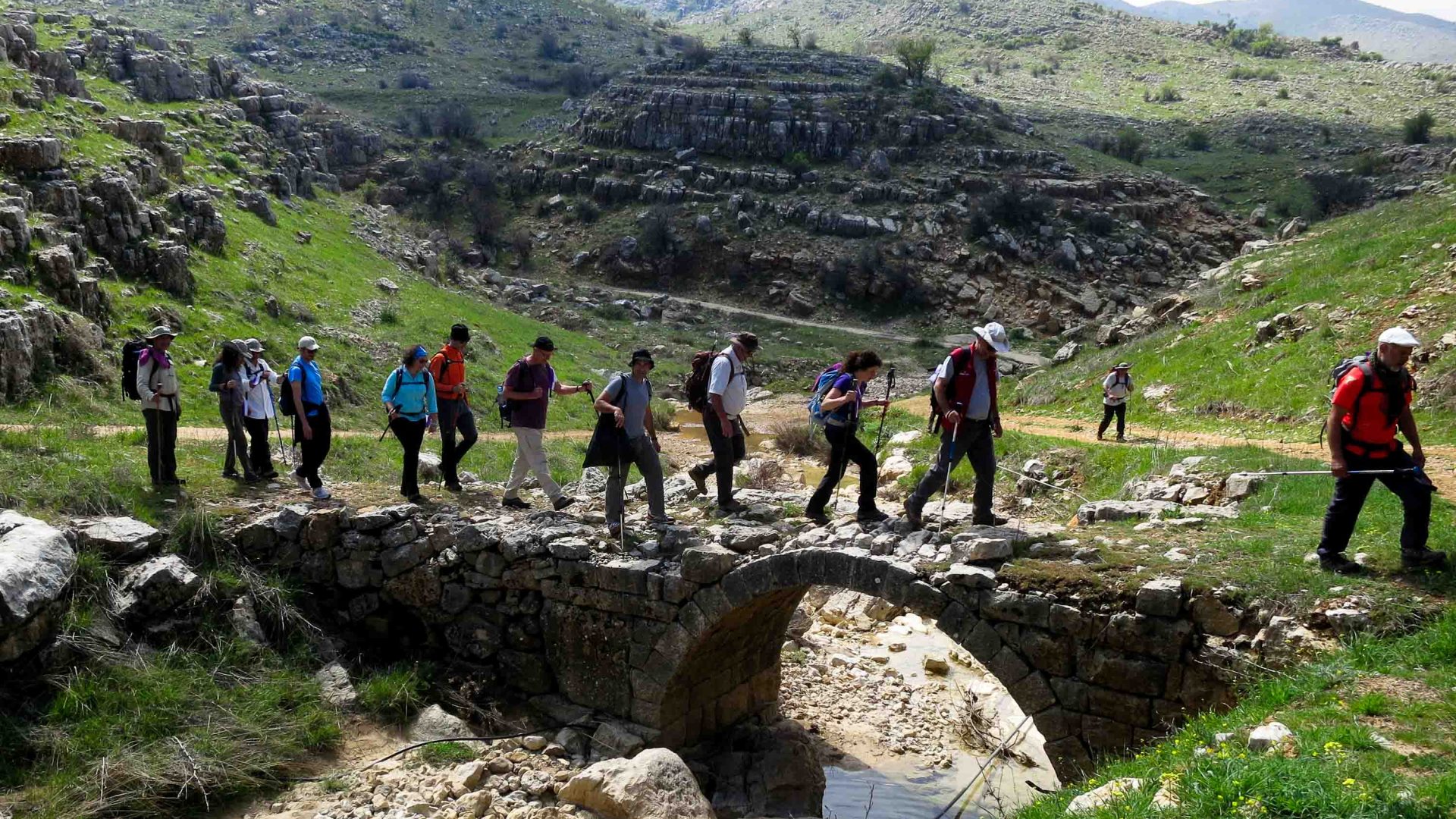
When escalating geopolitical conflict forced the cancellation of the Lebanon Mountain Trail Association’s (LMTA) highly anticipated April 2026 Thru Hike, a profound sense of loss rippled through conservationist, artist, and hiking communities worldwide. The 279-mile (450-kilometer) path, stretching along Lebanon’s geographical spine from Andqet in the north to Marjeyoun in the south, is far more than a recreational route. It serves as an economic lifeline for over 80 rural towns and villages, a conduit for eco-tourism, and a vital symbol of national unity. Refusing to let the trail fall silent, the British silk design company Kinetika spearheaded an international solidarity initiative titled Walk with Lebanon. The campaign transformed localized trail closures into a global movement, mobilizing hikers across 25 countries to walk in tandem and proving that the shared appreciation for nature and humanity can transcend physical borders and active conflict zones.
Origins of the Project and Artistic Collaboration
The genesis of Walk with Lebanon lies in a collaborative artistic venture launched in 2024 between Kinetika—a London-based arts organization renowned for community-driven batik silk painting—and the LMTA. The original framework, dubbed Mountains of Hope, was conceived by Kinetika founder Ali Pretty following her interaction with Takla Khoueiry, an artist and the LMTA’s environmental and education officer, at the World Trails Network Conference in Ottawa. Khoueiry had been inspired by Kinetika’s previous ecological art projects, such as Beach of Dreams in the United Kingdom and El Sendero Pacifico trail initiative in Costa Rica.

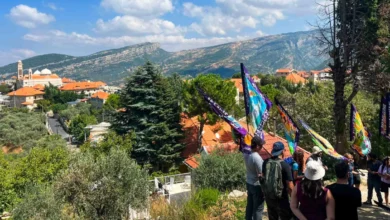
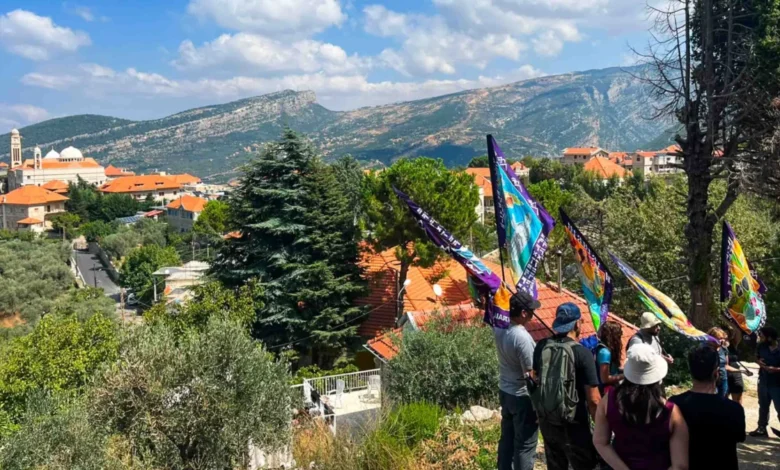
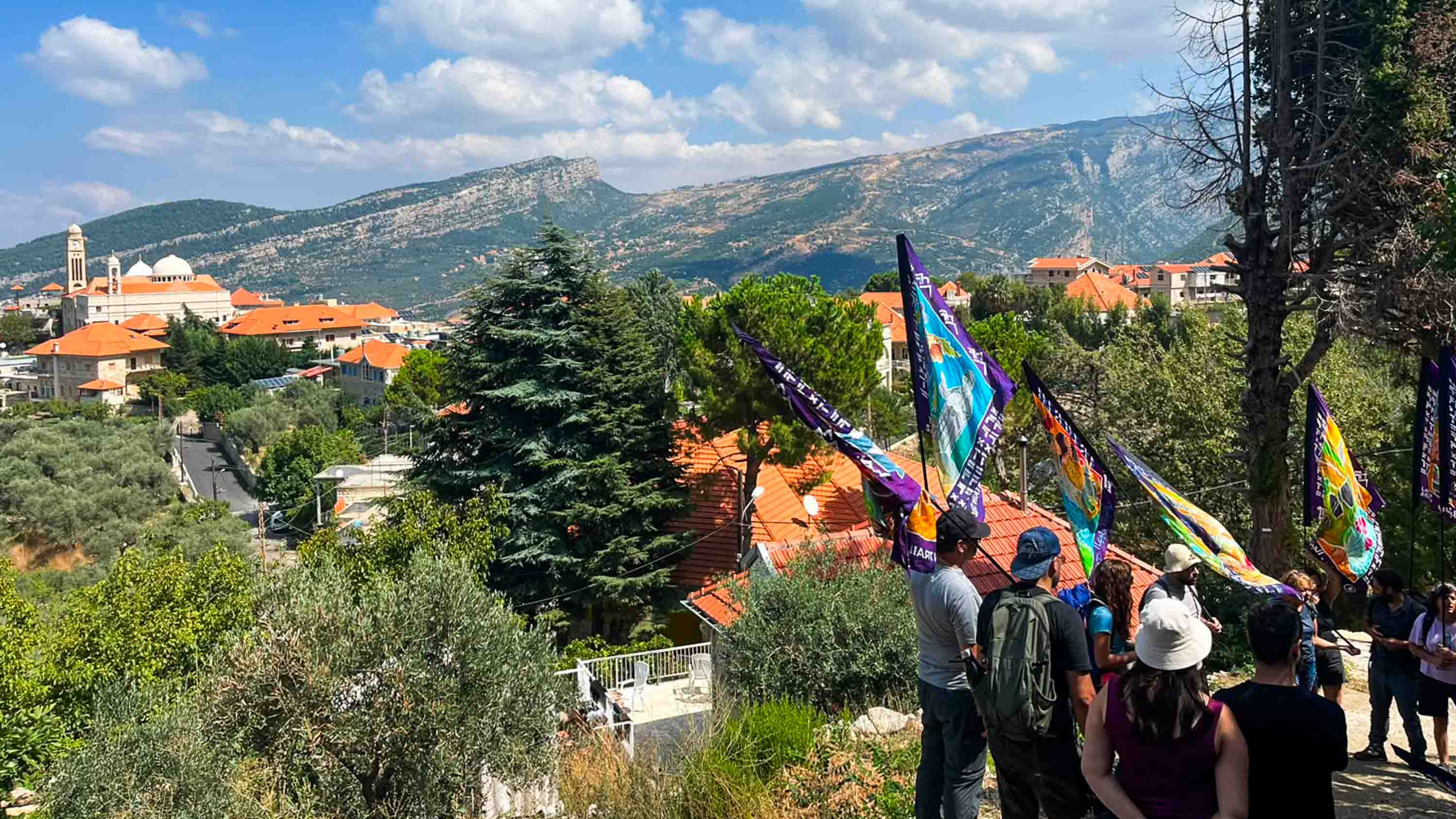
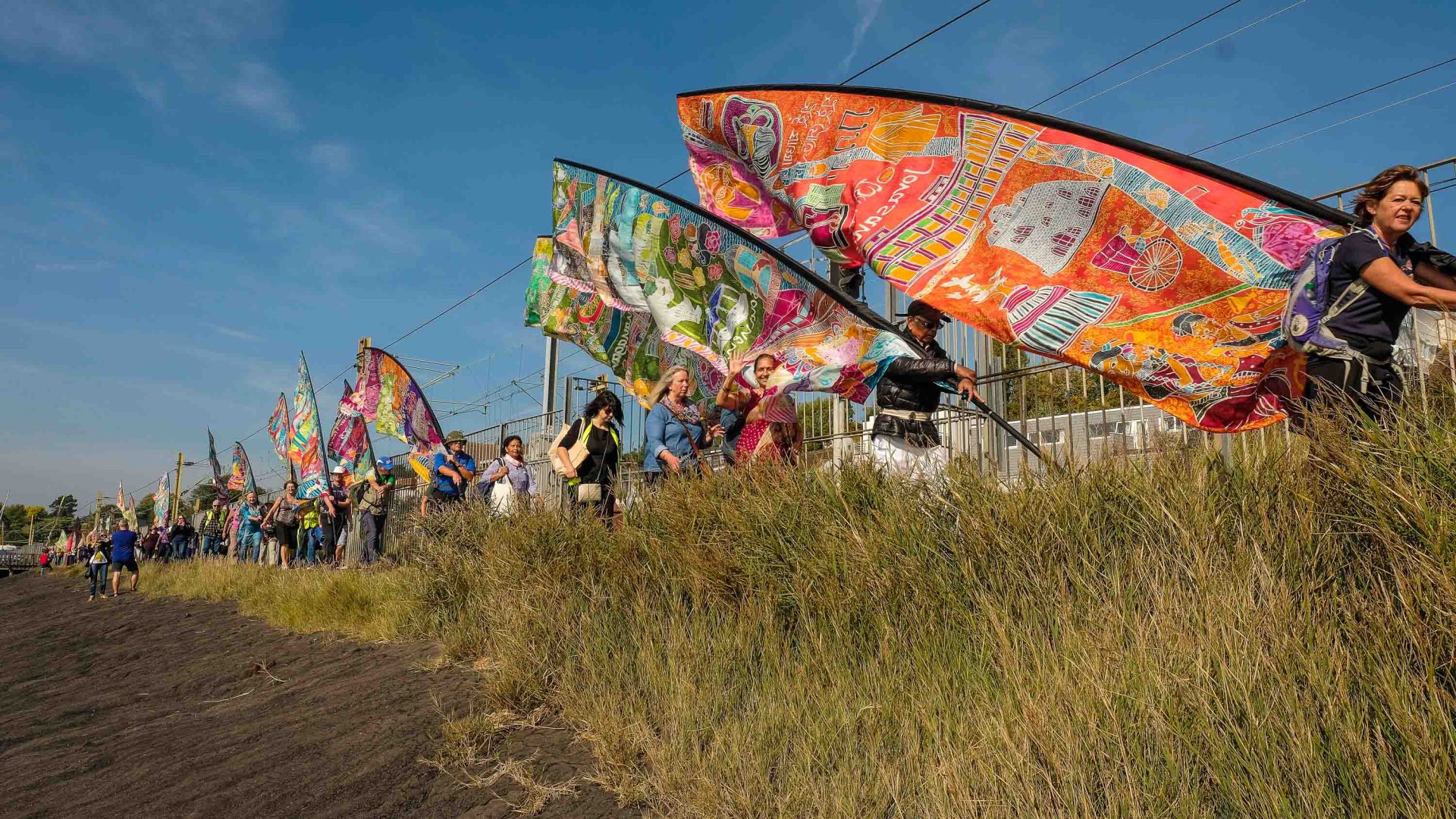
Working closely with rural communities along the Lebanon Mountain Trail, Khoueiry spent months collecting local stories, oral histories, and detailed drawings reflecting regional identity, biodiversity, and cultural heritage. These narratives were subsequently translated into striking, large-scale batik designs on 3.9-square-foot (1.2-square-meter) silk flags. For instance, a flag representing the northern Akkar region prominently features local cedar, fir, and juniper trees, the rare Lebanese hyena, a shepherd’s tent, and traditional water wells. Another flag, dedicated to the Rachaya-to-Hasbaya section, depicts the local citadel, a historic mosque, an olive press, and the flowing waters of the Hasbani River. These flags were meticulously crafted to serve as permanent gifts to each respective community, slated for public unveiling during the scheduled April 2026 Thru Hike.
The Escalation of Conflict and the Pivot to Global Solidarity
In early March 2026, the protracted Israel-Lebanon conflict sharply escalated, leaving organizers with no safe alternative but to cancel the spring Thru Hike. Rather than abandoning the project, Ali Pretty and her colleagues chose to adapt. Recognizing that global audiences often feel helpless when witnessing distant humanitarian and ecological crises, Kinetika pivoted the initiative into Walk with Lebanon.
The campaign invited international participants to walk in their own local landscapes between April 3 and May 3, aligning their daily mileage with the exact itinerary of the canceled Lebanese Thru Hike. Each day of the global walk corresponded to a specific section of the LMT, allowing international participants to read the dedicated story of that region’s silk flag and reflect upon five foundational questions posed by philosopher Bertrand Russell: Who are we? Where did we come from? Where are we going? How should we live? What is sacred?
Chronology and Global Scale of the Solidarity Walks
The international response surpassed all initial expectations, registering 67 organized hikes across 32 distinct groups and organizations in over 25 countries between April and May 2026.
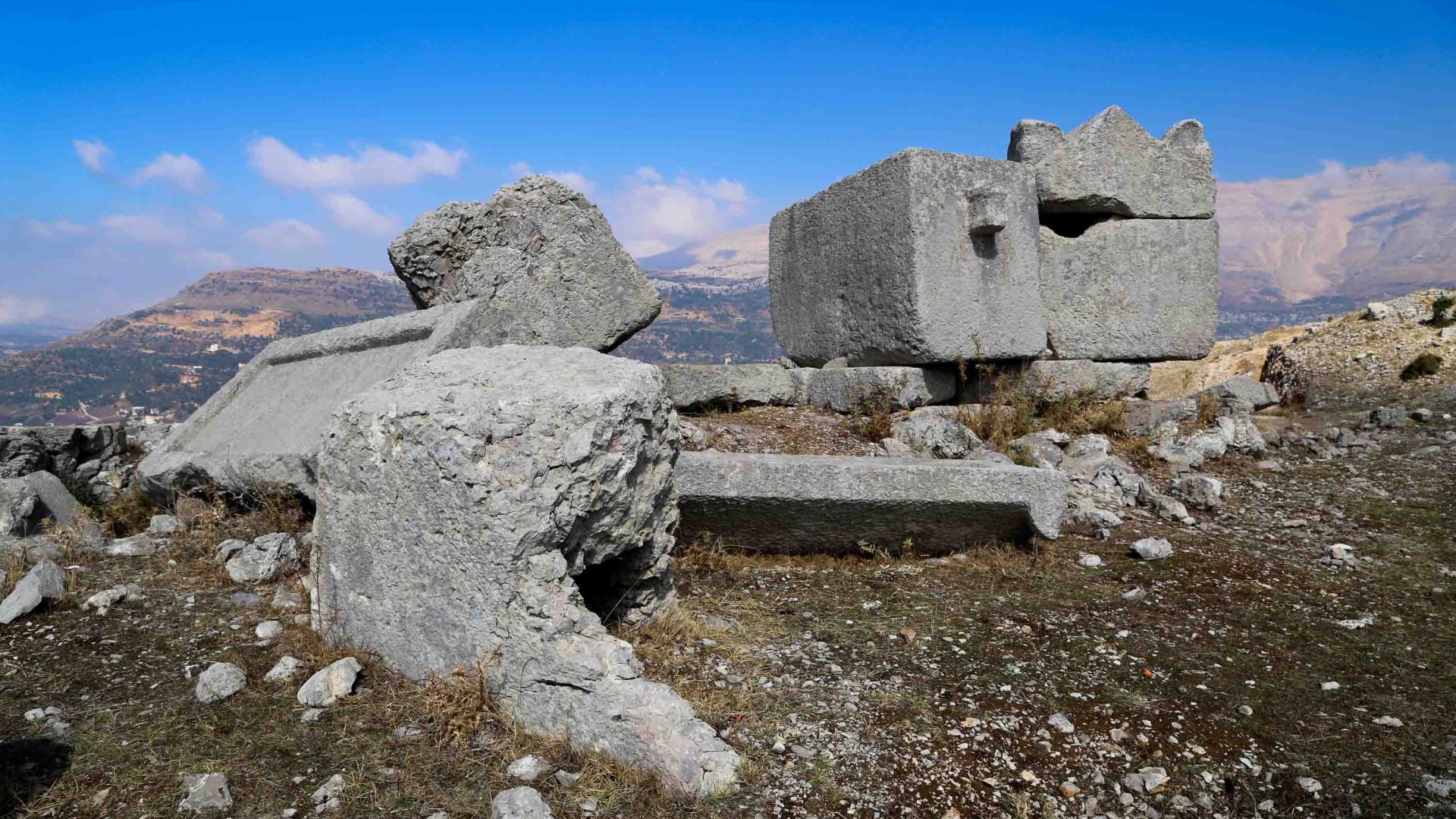
- April 3, 2026: The global initiative commenced simultaneously with Section 1A of the trail, running from Andqet to El Qoubayat. Ali Pretty inaugurated the physical solidarity walks along the coast-hugging trails of Türkiye’s Lycian Way and the Carian Trail, carrying several of the handmade silk flags and inviting curious local hikers to join her.
- Mid-April 2026: Scottish artist Donna Campbell, who had originally planned to participate in the Lebanon Thru Hike, joined Pretty in Türkiye before traveling to Nepal for a volunteer assignment. In Nepal, Campbell organized an additional three-day trek along the Chisapani Nagarkot Trail, carrying a hand-embroidered mandala silk flag to emphasize global interconnectedness.
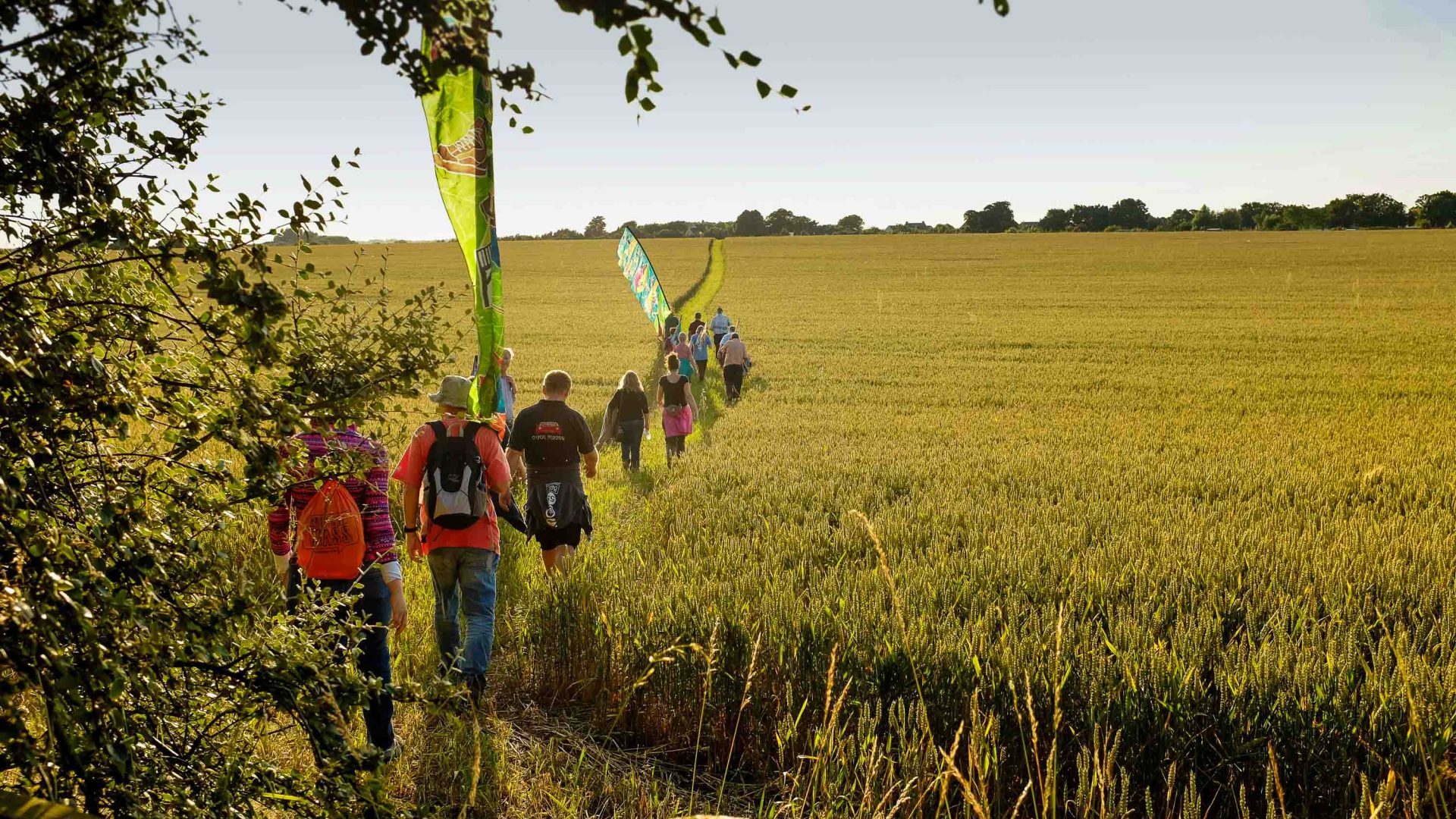
- April 25, 2026: In southeast France, French-Lebanese walker Azul Thome organized an 11-mile (18-kilometer) hike starting from her village of Chatillon-en-Diois. Identifying seven migratory bird species that travel between France and Lebanon, Thome led community workshops to create upcycled fabric flags representing the birds. Approximately 50 participants—ranging from families with strollers to a 90-year-old resident—participated in the march.
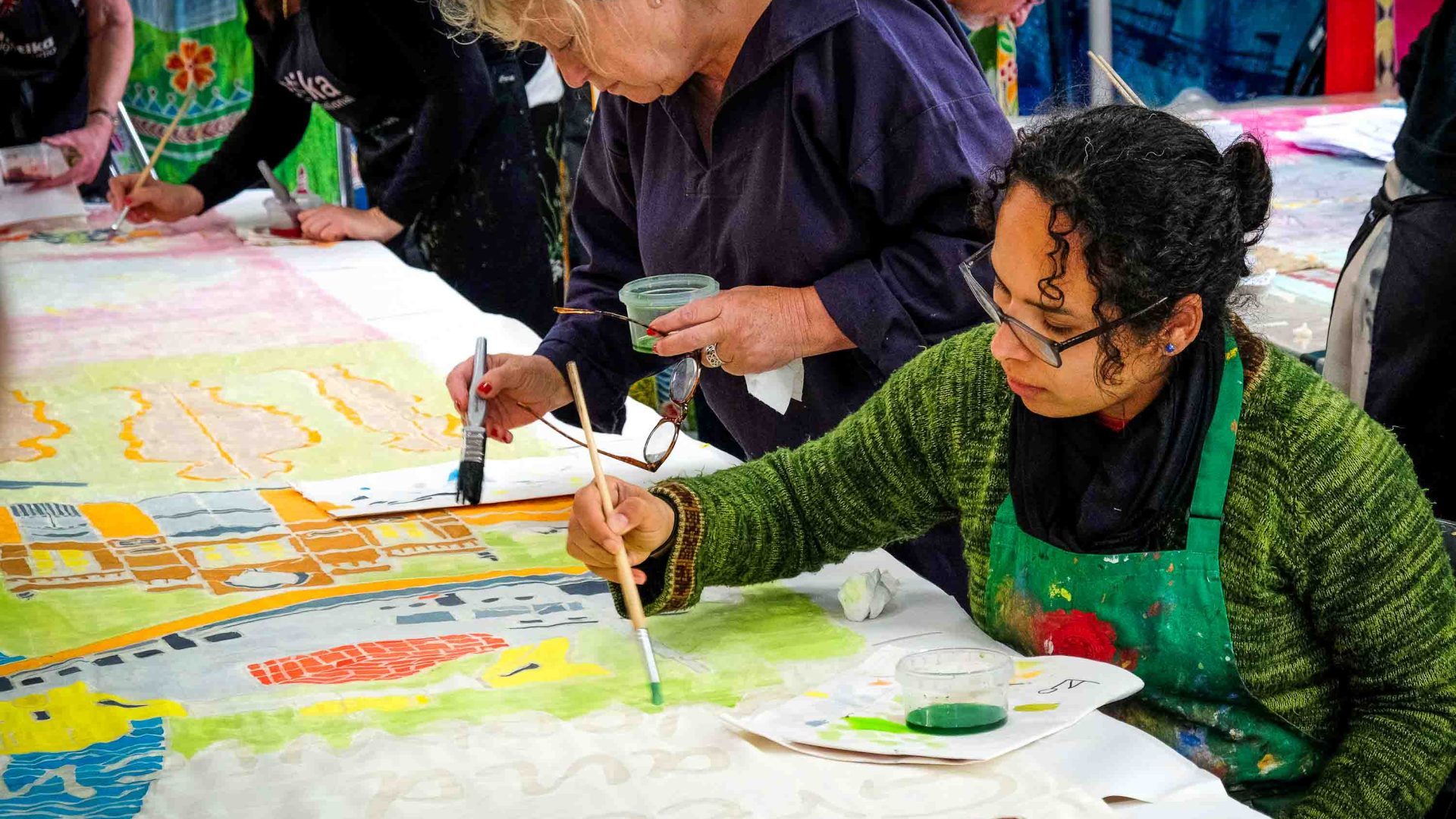
- September 2026: Following a partial stabilization in the region, Ali Pretty traveled to Lebanon. Alongside Takla Khoueiry, she led advanced batik workshops that engaged local community members directly in painting 11 additional flags designated for the LMT’s side trails.
Economic and Cultural Implications for Local Communities
While the June 2026 ceasefire brought a temporary reduction in active hostilities, the ongoing economic and security fallout continues to weigh heavily on Lebanon, particularly in southern regions. Despite these persistent challenges, organizations like the LMTA view outdoor recreation and eco-tourism as critical pillars for post-conflict recovery and rural resilience.
The LMTA, which celebrates its 19th anniversary in November 2026, oversees the preservation of a trail network that spans 80 towns and villages. The path sits at altitudes ranging from 1,870 to 6,797 feet (570 to 2,072 meters), traversing vital nature reserves, UNESCO heritage sites, and traditional agricultural lands. Omar Sakr, the executive director of the LMTA who has championed the trail since the organization’s inception in 2007, emphasizes that community-based tourism directly underpins rural livelihoods, supporting local guesthouses, small-scale farmers, and artisanal producers.
"When you realize the richness, the beauty of what you have… you feel like you’re responsible to do everything possible to protect it, to manage it, and to promote it," Sakr noted, reflecting on his childhood in the mountains north of Beirut.
Outlook for the 2027 Hiking Season
Buoyed by the immense international exposure generated by Walk with Lebanon, the LMTA has confirmed plans to host its full Thru Hike in April 2027. While the autumn 2026 events were scaled back to weekend hikes due to lingering security precautions, organizers report robust advance interest and high projected occupancy rates for rural guesthouses next spring.
All 38 hand-painted silk flags—representing the 27 main trail sections and 11 side trails—will finally be formally unveiled and permanently gifted to their respective communities during the April 2027 event. According to project organizers, the global solidarity campaign did more than simply maintain morale; it injected vital psychological resilience into remote mountain communities, reminding residents that their natural heritage and cultural identity remain valued on the world stage.