In an era defined by hyper-efficient algorithms, real-time translation apps, and meticulously curated itineraries, the contemporary travel industry has largely engineered the element of surprise out of exploration. Global tourism data indicates that upwards of 75% of international travelers now book major components of their trips—ranging from accommodations and transit to timed-entry museum tickets—months in advance. While this unprecedented level of preparation offers undeniable logistical advantages, mitigating the risk of sold-out attractions and stranded arrivals, a growing body of sociological and travel research suggests a paradoxical outcome: as trips become more predictable, the depth of truly memorable experiences diminishes.
Main facts emerging from long-term travel observations indicate that the most enduring travel memories rarely stem from months of meticulous scheduling. Instead, they originate from spontaneous deviations—unplanned road trips, unlisted neighborhood markets, and local recommendations gathered over casual conversations at cafés. Rather than viewing inefficiency as a logistical failure, a growing segment of travel analysts and cultural geographers are examining how structural flexibility serves as a catalyst for authentic cultural engagement.

The Evolution of Travel Planning and the Hyper-Prepared Itinerary
The transformation of travel from an exploratory endeavor into a streamlined consumer experience accelerated dramatically over the past two decades. Driven by the proliferation of smartphones, global positioning systems, and predictive travel software, tourists now possess the capability to virtually preview destinations down to street-view granularity before ever boarding a flight.
Industry analysts trace this shift to the rise of experience-economy platforms that prioritize optimization. According to a 2023 study by travel analytics firm Phocuswright, digital planning tools have reduced the average window of uncertainty for leisure travelers by nearly 60% compared to pre-smartphone eras. Travelers routinely map out every hour of their day, booking high-demand attractions weeks ahead to avoid capacity caps.
However, behavioral psychologists note that overplanning can induce cognitive fatigue. When an itinerary accounts for every minute, the traveler enters a state of perpetual execution rather than observation. The psychological space required for curiosity—often defined by downtime and undirected wandering—collapses under the weight of a rigid schedule. Consequently, travelers frequently return home with checklist fatigue, having seen every major landmark while missing the nuanced cultural fabric of the destination itself.

Chronology of a Shift: From Analog Exploration to Algorithmic Efficiency
To understand how modern travel reached its current hyper-planned state, it is helpful to examine the evolution of navigation and documentation over the past half-century:
- Pre-1990s (The Analog Era): Navigation relied heavily on physical paper maps, printed guidebooks (such as Michelin or Lonely Planet), and localized word-of-mouth recommendations. Spontaneous detours were frequently mandatory due to incomplete map data, road closures, or missing signage.
- 1990s–2000s (The Digital Transition): The advent of consumer GPS devices and early online travel agencies (OTAs) allowed travelers to book flights and hotels independently. While this decentralized trip planning, navigation remained relatively constrained, leaving room for physical disorientation and serendipitous discoveries.
- 2010s (The App Economy): Smartphones integrated mapping, reviews, and instant booking into a single pocket-sized device. Real-time traffic routing algorithms began directing drivers away from secondary roads and onto highways designed strictly for speed rather than scenic value.
- 2020s (The Algorithmic Integration): Artificial intelligence, predictive itineraries, and automated booking systems now dominate the travel landscape. Platforms utilize user data to suggest hyper-personalized schedules, virtually eliminating the unknown variables that historically forced travelers to interact directly with local populations for guidance.
Reclaiming the Route: The Economic and Cultural Value of the Scenic Detour
One of the most direct methods for injecting spontaneity back into a journey involves rethinking transportation. Modern navigation software prioritizes the shortest distance between two points, automatically routing users past scenic corridors in favor of congested toll roads and interstate freeways.
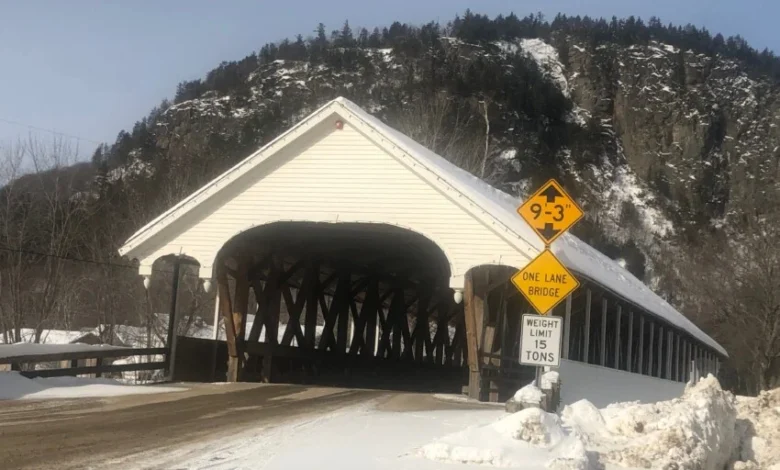
Transport economists point out that while this focus on efficiency benefits commercial freight and commuter logistics, it strips leisure travel of its exploratory value. By deliberately choosing secondary roads—such as California’s coastal Highway 1, rural routes through New England covered bridges, or agricultural toll-free byways in France—travelers reengage with regional landscapes.

Economic data compiled by rural tourism boards indicates that towns bypassed by major highways experience significantly lower visitor spending compared to those situated along traditional regional routes. When travelers abandon GPS-mandated efficiency to explore unmarked villages or roadside farm stands, they directly support micro-economies that rely on foot traffic rather than mass-market tour bus arrivals.
Culinary Anthropology: Markets and Unlisted Eateries
Beyond transportation, culinary exploration serves as a primary vehicle for cultural immersion. Food anthropologists emphasize that local markets and family-run establishments situated blocks away from major tourist districts offer a more accurate reflection of regional heritage than heavily reviewed fine-dining establishments.
In urban centers like Barcelona, municipal markets function as living archives of Mediterranean marine life and agricultural traditions. Similarly, morning markets across Southeast Asia act as community forums where commercial exchange intersects with social ritual.

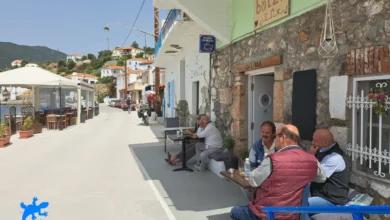
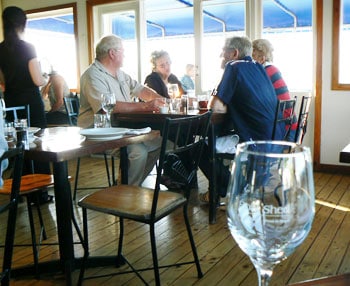
Industry insights from hospitality associations suggest that when travelers bypass standardized menus in favor of local recommendations, they accept a degree of linguistic and cultural friction. This friction—asking for a dish by pointing at a chalkboard, accepting a chef’s daily special without translation, or sharing a communal table in a rural French square—fosters interpersonal connections that cannot be replicated through pre-booked culinary tours.
Technological Integration: Weighing Convenience Against Presence
While spontaneity is vital, modern travel technology cannot be dismissed entirely. The proliferation of wearable technology, such as camera glasses and AI-integrated frames from brands like Oakley and Meta, represents a new frontier in travel documentation. These devices allow users to capture hands-free photos and videos while hiking remote trails or navigating crowded urban centers, theoretically reducing the distraction of holding a smartphone or DSLR camera.
However, usability experts and privacy advocates urge caution regarding the unchecked adoption of always-on documentation tools. The Federal Trade Commission (FTC) regularly issues consumer guidance regarding photo safety and privacy, reminding the public that geotagged images uploaded in real-time can inadvertently broadcast precise location data, daily routines, and personal security vulnerabilities to broad online audiences.

Furthermore, observational studies on tourist behavior reveal that the act of framing an experience through a lens can distance the traveler from the actual moment. Travelers who spend extended periods adjusting digital settings often process their environment through a screen rather than direct sensory engagement. Balancing the utility of compact gear—whether lightweight luggage, essential navigation apps, or discreet camera glasses—with intentional periods of technological disconnection remains a key challenge for the modern adventurer.
Policy and Preparation: The Balance of Essentials and Openness
Travel authorities emphasize that embracing spontaneity does not require abandoning basic safety preparations. Organizations such as the National Park Service (NPS) publish extensive trip-planning guidelines designed to prevent wilderness accidents, hypothermia, and search-and-rescue incidents in remote regions.
Government and safety analysts agree that effective preparation serves a specific, limited purpose: establishing a baseline of logistical security so that travelers can handle emergencies calmly. Packing for the actual environment rather than imaginary worst-case scenarios—prioritizing appropriate footwear, weather-resistant layers, and manageable luggage weight—prevents physical strain and ensures mobility.
The fundamental objective of preparation, therefore, is not to control every minute of an overseas journey, but rather to absorb the administrative friction of travel so that genuine opportunities can be embraced when they appear.
Broader Implications for the Future of Tourism
As global tourism numbers continue to rebound toward pre-pandemic highs, destination management organizations (DMOs) are increasingly grappling with overcrowding at premier heritage sites. Overtourism at landmarks like Venice, Machu Picchu, and Kyoto has forced local governments to implement strict ticketing quotas, reservation windows, and entry fees.
These systemic constraints make rigid planning increasingly mandatory for accessing world-class cultural sites. Yet, this very friction provides an unintended silver lining: it forces travelers away from congested focal points and pushes them toward secondary destinations, regional towns, and unscripted explorations.

The broader cultural implication is clear. While algorithms will continue to optimize travel logistics, the human desire for discovery remains fundamentally unprogrammable. By consciously leaving scheduling gaps, selecting alternative routes, and engaging in unscripted local interactions, travelers preserve the essence of exploration. The most resonant moments of a journey will continue to belong not to those who mapped every mile, but to those who left room for the unexpected.