10 Best Beaches in and Around Kalamata: A Comprehensive Guide to the Peloponnese Coastline

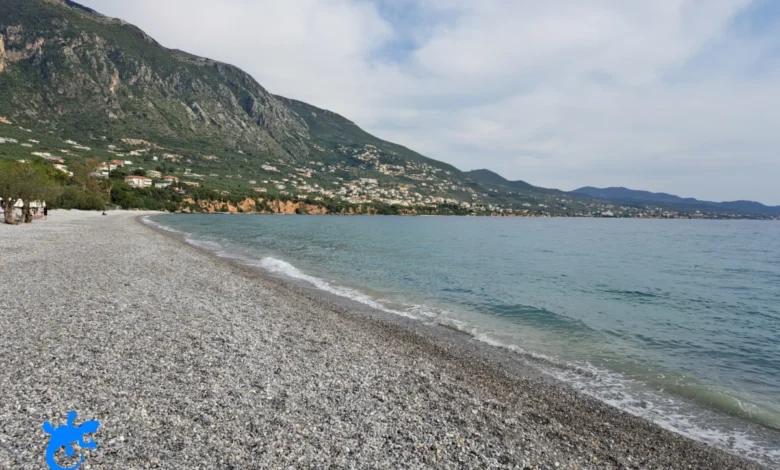
The Peloponnese peninsula represents one of the most geographically diverse and historically significant regions in Greece, offering a coastal experience that rivals the popularity of the Cycladic islands while maintaining a more authentic, rugged appeal. Anchored by the major port city of Kalamata, the southern coast of the Messinia and Mani regions features a Mediterranean landscape defined by the towering Taygetus mountain range, extensive olive groves, and a coastline characterized by cerulean waters and Blue Flag environmental certifications. As tourism patterns shift toward the mainland, interest in the Messinian coastline has surged, providing travelers with a blend of archaeological depth, natural conservation, and maritime infrastructure.
The Geography of Messinian Tourism
Kalamata serves as the administrative and economic hub of the Messinia region. Beyond its fame for agricultural exports—most notably the Kalamata olive—the city has developed a robust tourism sector. Data from the Hellenic Statistical Authority (ELSTAT) indicates that the Peloponnese has seen a consistent uptick in domestic and international arrivals over the last decade, with coastal infrastructure improvements facilitating better access to previously remote shorelines. The region’s geography is marked by a unique intersection of tectonic activity and ancient history, where dramatic cliffs and deep-water bays are punctuated by ruins dating back to the Mycenaean and Byzantine eras.

Chronology of Coastal Development
Historically, the coastal settlements of the Peloponnese remained largely agricultural, focusing on olive oil production and fishing. It was not until the late 20th century, and specifically the early 2000s, that significant infrastructure—including the expansion of the Kalamata International Airport and the construction of the Moreas Motorway—transformed the region into a accessible travel destination.
The development of the coastline has followed a three-tiered model: the urbanized city beaches, the family-oriented resort areas in Stoupa and Mikri Mantinia, and the protected ecological zones, such as the Gialova Lagoon near Voidokilia. This evolution has balanced modern amenities with the preservation of natural landscapes, a requirement strictly enforced by the EU Habitats and Birds Directives.
Detailed Analysis of Primary Coastal Locations
1. Kalamata Beach: The Urban Benchmark
Located at the heart of the city, Kalamata Beach is a quintessential urban seaside destination. Stretching for several kilometers, it maintains a Blue Flag status, an international eco-label awarded to beaches meeting high standards of water quality, safety, and environmental management. The beach is supported by a comprehensive boardwalk that serves as the city’s primary social artery. Analysis of regional tourism trends suggests that the beach acts as a "gateway" for visitors; its proximity to the city center allows for a high density of services, including hospitality, retail, and maritime recreation, making it a critical asset for the local economy.

2. Voidokilia: A Case Study in Conservation
Voidokilia Beach represents the intersection of historical significance and environmental protection. Situated within the Gialova Lagoon, the area is a Natura 2000 protected site. Archaeological surveys in the region have identified the site as a significant location of Mycenaean history, with the nearby Nestor’s Cave and the ruins of the Old Navarino Castle providing a physical record of the region’s strategic importance in the ancient Mediterranean. The area’s status as a protected wetland prevents large-scale commercial development, ensuring the site remains a rare example of preserved Greek coastline.
3. Mavrovouni: Navigating Environmental Challenges
Located on the eastern coast of the Mani Peninsula, Mavrovouni is characterized by its 6-kilometer span. It is a critical site for environmental monitoring, specifically concerning the Caretta caretta (Loggerhead sea turtle). Local conservation groups, in coordination with the Hellenic Ministry of Environment and Energy, implement seasonal restrictions to protect nesting sites. The beach’s topography, which is susceptible to the "Meltemi" seasonal winds, has established it as a premier destination for windsurfing, demonstrating how specific geographical features can foster specialized tourism niches.
4. Stoupa and Mikri Mantinia: Residential and Family Tourism
Stoupa and Mikri Mantinia represent the successful integration of residential tourism and family-friendly infrastructure. These areas have seen the highest density of small-to-medium-sized hotel investments. The demographic of these locations is largely families, attracted by the shallow, sheltered bays. Economic data from local municipal councils suggests that the stability of these areas is driven by repeat visitors, who value the consistent, year-over-year availability of local tavernas and recreational facilities.

5. Foneous and Kitries: The Niche Coastal Economy
Foneous and Kitries offer a contrast to the larger, resort-heavy beaches. Foneous, located near Kardamili, is a site of geological interest, characterized by pebble shores and sea caves. Its lack of extensive facilities appeals to a demographic of travelers seeking "off-the-beaten-path" experiences. Conversely, Kitries, a small fishing village, demonstrates the economic importance of the "sea-to-table" culinary model. The town’s economy is intrinsically linked to the daily catch, proving that small-scale maritime commerce can be a significant draw for culinary tourism.
Comparative Data on Beach Facilities
| Beach | Primary Feature | Primary User Demographic | Infrastructure Level |
|---|---|---|---|
| Kalamata | Blue Flag / Accessibility | General / Families | High |
| Voidokilia | Ecological / Historical | Nature / History Enthusiasts | Minimal (Protected) |
| Mavrovouni | Wind/Water Sports | Sports Enthusiasts | Moderate |
| Stoupa | Shallow Water / Calm | Families | High |
| Foneous | Geology / Hiking | Adventure Travelers | Low |
Broader Impact and Regional Implications
The diversification of the Messinian coastline has mitigated the risk of "over-tourism" that has impacted other regions of Greece. By offering a variety of beach experiences—ranging from the high-infrastructure urban settings of Kalamata to the strictly protected ecological sites at Gialova—the region captures a broader spectrum of the tourism market.
Regional planners have noted that the maintenance of these beaches requires ongoing inter-agency cooperation. The Ministry of Tourism and local regional governments have increasingly focused on sustainable development, ensuring that the "mythical" appeal of the Peloponnese is not degraded by unsustainable growth. The presence of international environmental designations, such as the Blue Flag and Natura 2000 status, serves as a safeguard, forcing local operators to adhere to strict waste management and water quality protocols.

Official Responses and Future Outlook
In recent statements, local tourism boards in the Peloponnese have emphasized the importance of the "Slow Travel" movement. This initiative aims to encourage visitors to spend more time exploring the interior of the peninsula—visiting the olive groves, mountain villages, and archaeological sites—rather than restricting their stay to the shoreline.
Furthermore, the regional government has allocated funding for the restoration of historical paths near the coast, such as those connecting the beaches of the Mani Peninsula. These projects are intended to boost the "shoulder season"—the months of May, June, September, and October—to ensure that the local economy remains resilient beyond the peak summer months.
As the Peloponnese continues to develop, the challenge remains to balance the demands of a growing international visitor base with the ecological sensitivity of the coastline. The current trajectory suggests that by emphasizing the region’s historical narrative and environmental integrity, the Peloponnese can secure its position as a sustainable, high-value alternative to the saturated island destinations of the Aegean. The integration of technology, such as real-time water quality monitoring and digital tourism guides, will likely be the next phase in the maturation of the Messinian coastal experience.