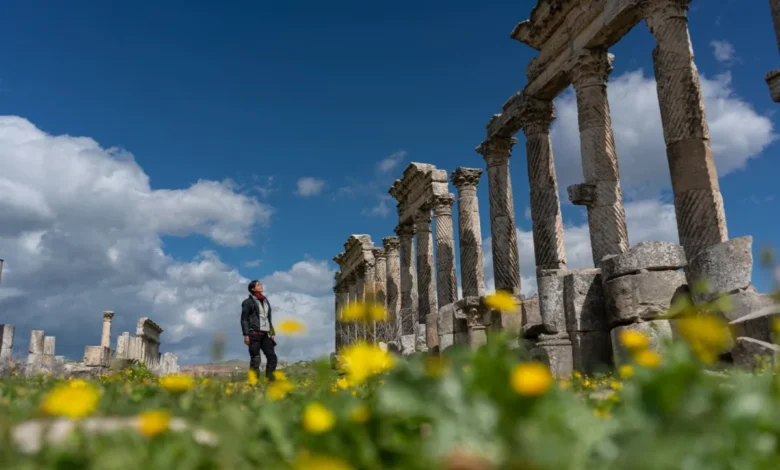
The Syrian Arab Republic, once a vibrant hub of the Middle Eastern tourism circuit, is currently experiencing a tentative and highly controversial resurgence in international travel. Following over a decade of civil war that fundamentally altered the nation’s socioeconomic and physical landscape, the country is navigating a delicate path toward reintegration into the global tourism market. While the conflict—which began in 2011—led to the destruction of significant cultural heritage and a massive exodus of the population, a small but steady stream of foreign visitors is now returning to explore the country’s ancient history and modern reality.
A Chronology of Conflict and Cultural Preservation
The trajectory of Syrian tourism is inextricably linked to the broader political and military timeline of the country. Prior to 2011, Syria was a cornerstone of the Levant’s cultural tourism, attracting millions of visitors annually to sites like the Roman ruins of Palmyra, the Umayyad Mosque in Damascus, and the ancient souqs of Aleppo. The outbreak of the Syrian civil war, fueled by internal dissent and escalating into a multifaceted proxy conflict involving regional and global powers, effectively brought this industry to a standstill.
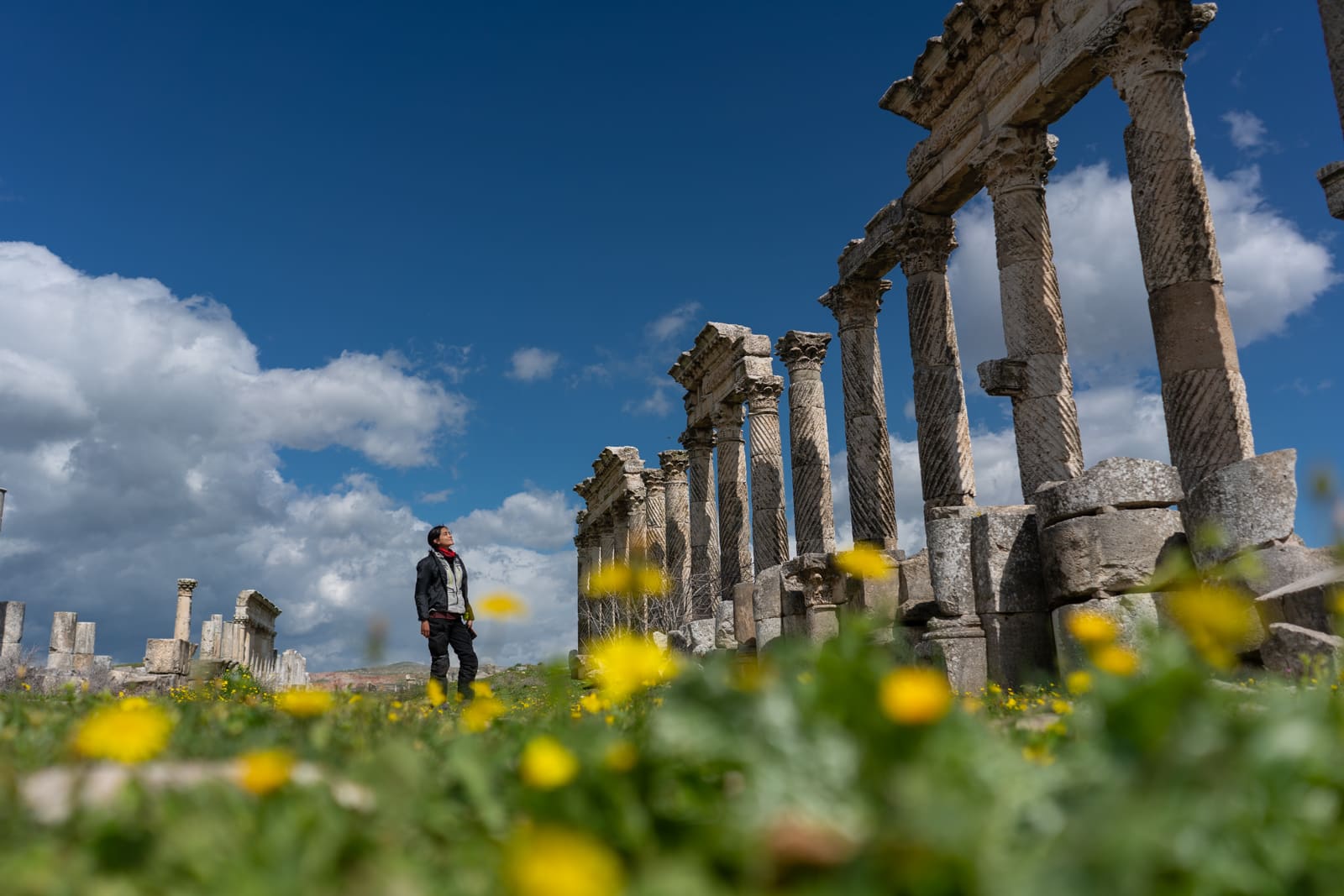
Between 2011 and 2017, large swaths of the country, including major historic centers, became active battlegrounds. Palmyra was captured and partially damaged by militant groups, while the historic heart of Aleppo suffered catastrophic structural loss. By 2018, as the Syrian government regained control over significant urban centers, the focus shifted from active combat to humanitarian crises and economic instability. Today, the nation faces the dual challenge of post-conflict reconstruction and a severe economic downturn, characterized by hyperinflation and energy shortages, which directly impact the operational capacity of the tourism sector.
The Current Regulatory Framework for Foreign Visitors
Traveling to Syria today is a highly regulated endeavor. The government mandates that all foreign tourists must be accompanied by a government-approved guide or be part of an organized tour group to obtain a visa. This policy is designed to maintain state oversight over foreign movement within the country.
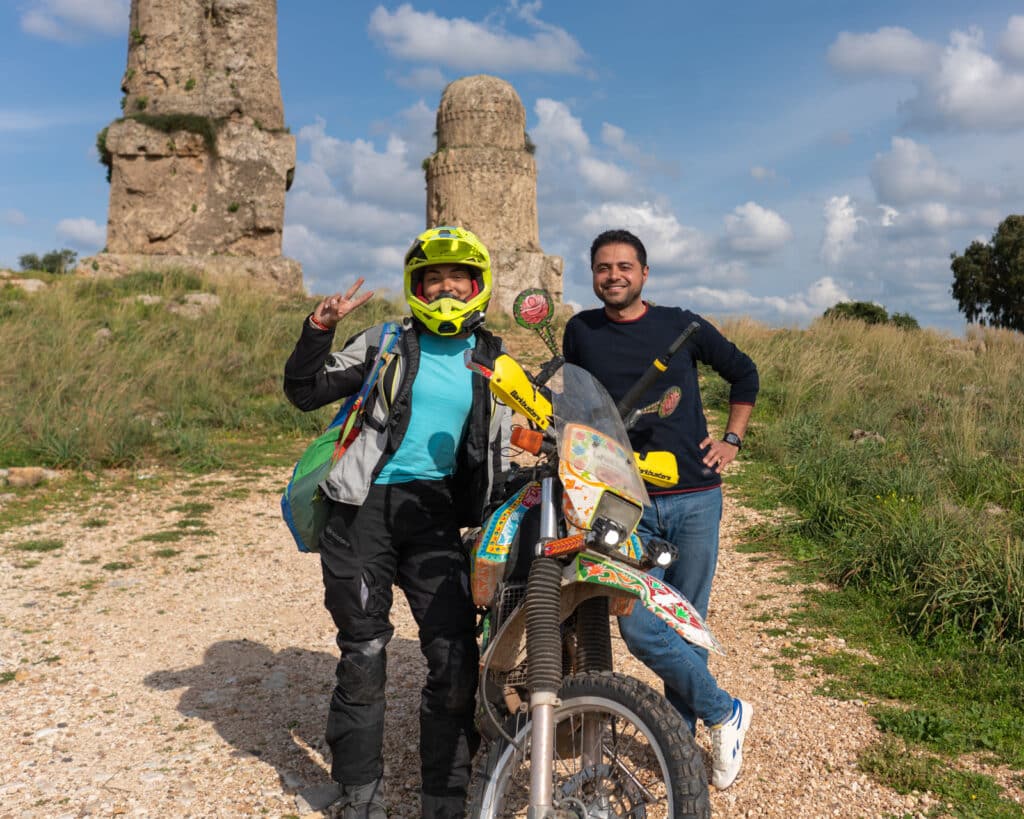
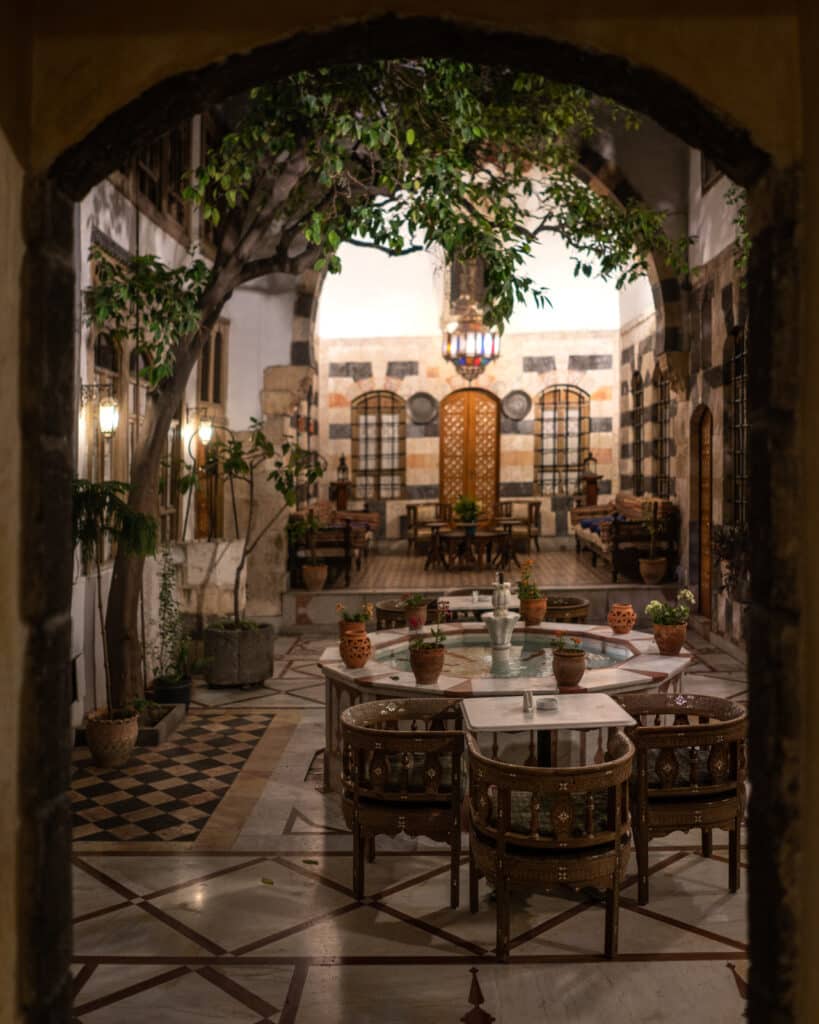
Travel companies operating in the region, such as those facilitating motorcycle excursions and guided heritage tours, emphasize that the infrastructure for tourism—while diminished—remains functional. These organizations argue that the resumption of tourism is a vital component of the country’s economic recovery. However, the requirement for state-sanctioned chaperones means that the narrative presented to tourists is often curated. For the independent traveler, the experience is defined by a stark juxtaposition: modern, functional urban cafes and traditional hospitality exist in the same space as the physical, unvarnished scars of the conflict, such as bullet-ridden facades and decommissioned infrastructure.
Statistical Context and Economic Implications
Before the conflict, tourism accounted for approximately 12 percent of Syria’s Gross Domestic Product (GDP). The collapse of this sector resulted in a loss of billions of dollars in annual revenue. Current economic indicators suggest that the country’s recovery is hindered by international sanctions, which limit foreign investment and complicate banking and financial transactions.
Data regarding current tourism numbers remains difficult to verify through international bodies, as many Western nations maintain "do not travel" advisories for the region. However, local tour operators report an uptick in "adventure" and "historical" tourism from countries that have maintained diplomatic or trade relations with Damascus. This niche market is driven by individuals seeking to document the realities of life in a post-conflict zone. Economically, these visitors provide essential hard currency, though the overall impact remains a fraction of pre-2011 levels.
Geopolitical Realities and Security Considerations
Any discussion of travel to Syria necessitates an assessment of the current security environment. While the intensity of large-scale combat has decreased in many areas, the situation remains volatile. The country continues to function as a geopolitical crossroads, with various international actors maintaining a presence in the oil-rich eastern regions and along northern borders.
From a security perspective, the primary concern for travelers is not active front-line warfare, but rather the potential for localized strikes, which have historically targeted military-linked facilities or infrastructure near major transit hubs like the Damascus and Aleppo airports. The U.S. and European Union continue to enforce sanctions, citing the government’s ongoing human rights record. These sanctions, which restrict the export of certain technologies and goods, indirectly contribute to the chronic power outages and fuel shortages that characterize daily life for the average Syrian.
The Ethics of Dark Tourism and Rebuilding
A growing debate within the global travel community concerns the ethics of visiting Syria. Critics of the nascent tourism industry argue that visiting a nation still grappling with the aftermath of a brutal conflict risks trivializing the suffering of the local population. They warn against "dark tourism"—the practice of traveling to sites of tragedy for the purpose of photography or social media content, which can objectify the local population and their struggle for normalcy.
Conversely, proponents of travel argue that isolation only exacerbates the plight of the Syrian people. By engaging with local guides and residents, travelers can foster human-to-human connections that bypass political rhetoric. They contend that tourism provides a necessary psychological and financial lifeline to communities attempting to rebuild their lives. The consensus among those currently operating in the region is that the onus lies on the individual traveler to prioritize empathy and cultural humility over voyeurism.
Analytical Perspective: The Path Forward
The implications of reopening Syria to international tourism are complex. On one hand, it serves as a symbolic marker of the government’s attempt to project an image of normalization and domestic stability. On the other, the reality of the country is far from "normal." The persistent economic crisis, combined with the presence of foreign military actors, suggests that the country will remain a high-risk destination for the foreseeable future.
For the international community, the challenge is to differentiate between the human experience of the Syrian people and the political legitimacy of the state. As the country moves into a new phase of its post-war existence, the role of the visitor will likely remain a contentious subject. Those who choose to travel to Syria do so in a landscape where ancient history and modern trauma are inextricably linked. Whether this small-scale tourism can evolve into a sustainable industry depends not only on the security situation but also on the willingness of the global community to engage with a nation that has been, for more than a decade, defined primarily by its conflict.
As Syria looks toward the future, the primary requirement for any visitor remains an acute awareness of the context in which they are moving. The country is not merely a destination to be consumed, but a complex, fragile society undergoing a difficult transition—one that demands from its visitors a high degree of sensitivity, historical awareness, and a commitment to understanding the complexities of life in the Levant today.