The safety dynamics of North African travel for female adventurers have long been a subject of intense debate among global tourism experts, government agencies, and solo explorers. Morocco, a vibrant cultural hub renowned for its labyrinthine medinas, dynamic landscapes, and rich historical heritage, occupies a complex position in international travel advisory indexes. Evaluating the objective safety conditions requires a multifaceted examination of official government warnings, statistical data, and firsthand experiential accounts from extended itineraries across major urban centers and remote regions.
Official Advisories Versus Statistical Realities
As of late 2026, international government bodies maintain varied risk assessments regarding travel to the Kingdom of Morocco. The United States State Department currently rates Morocco at a Level 2 travel advisory, urging visitors to "exercise increased caution" primarily due to evaluated risks associated with terrorism. However, this designation often exists in sharp contrast with independent security metrics. The 2026 Global Terrorism Index, published by the Institute for Economics and Peace, categorizes Morocco within its lowest-risk classification, recording a score of zero for domestic terrorist incidents during the assessment period.

Despite the statistical low risk regarding major security incidents, advisory documentation consistently highlights localized challenges that disproportionately affect female travelers. The State Department’s country information resources explicitly cite the prevalence of street-level harassment, panhandling, and pickpocketing as primary hazards reported by tourists. Furthermore, official guidance frequently recommends that women travel with a companion or within organized group structures, particularly when navigating unfamiliar urban alleyways or rural terrains after dark.
Chronology of a Two-Week Expedition
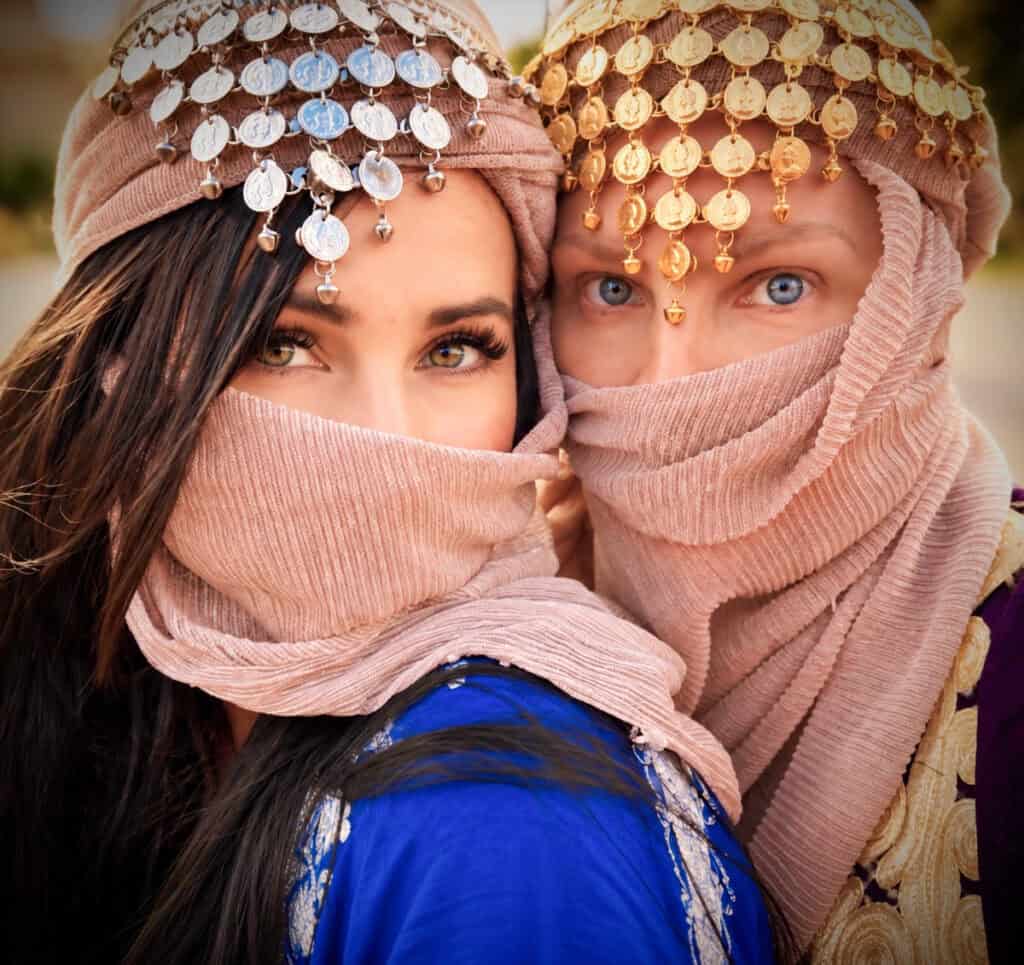
To better understand these contrasting narratives, a comprehensive two-week expedition was conducted in October 2026. The journey began with an independent two-day solo exploration of Marrakech, followed by a ten-day group itinerary traversing the Atlas Mountains, the Sahara Desert, and the historic city of Fes, organized in partnership with Your Limitless Adventures.
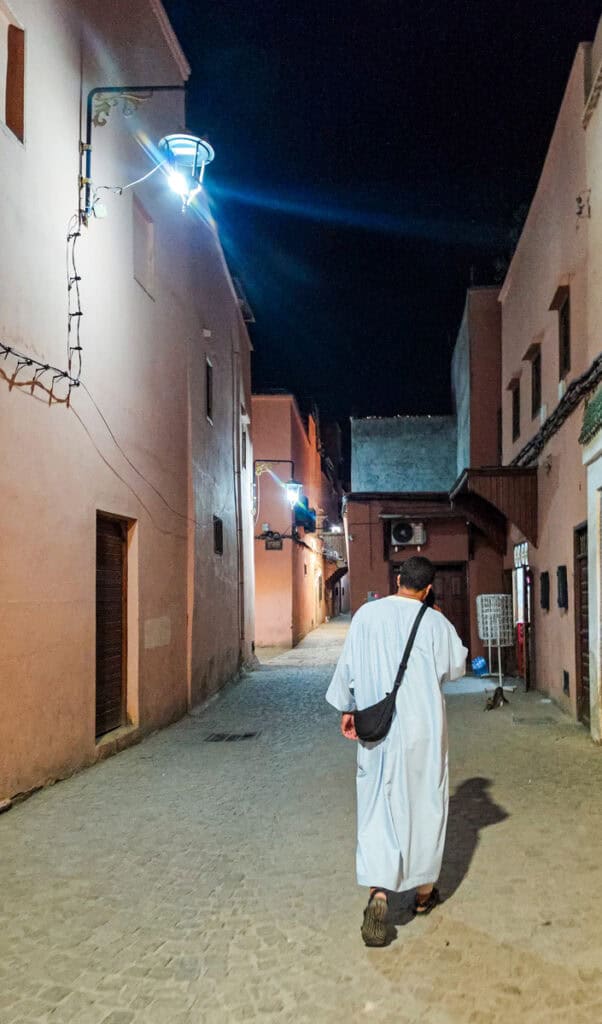
The initial phase in Marrakech tested urban navigation and situational awareness. Arriving without a preexisting escort, the itinerary included a nighttime street food tour and solo transits through narrow residential quarters during late evening hours. Consultations with local hospitality staff and experienced guides established baseline safety parameters. While localized hustle and bustling crowds required constant vigilance, urban sectors after 9:00 PM displayed a notable absence of alcohol-fueled disorder, contributing to an overall atmosphere of grounded security.
Navigating the Labyrinth of Fes
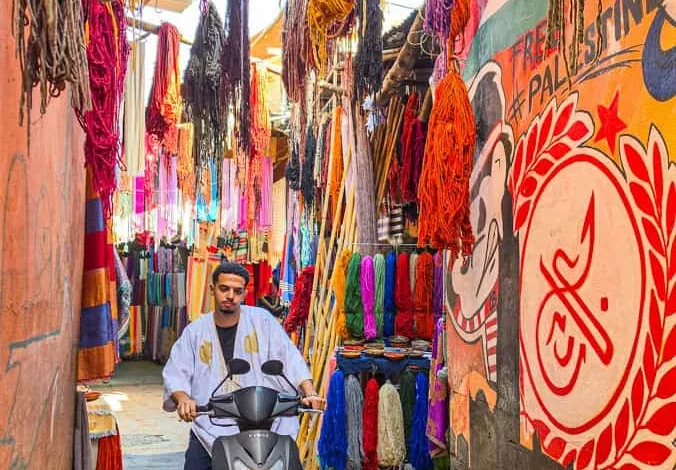
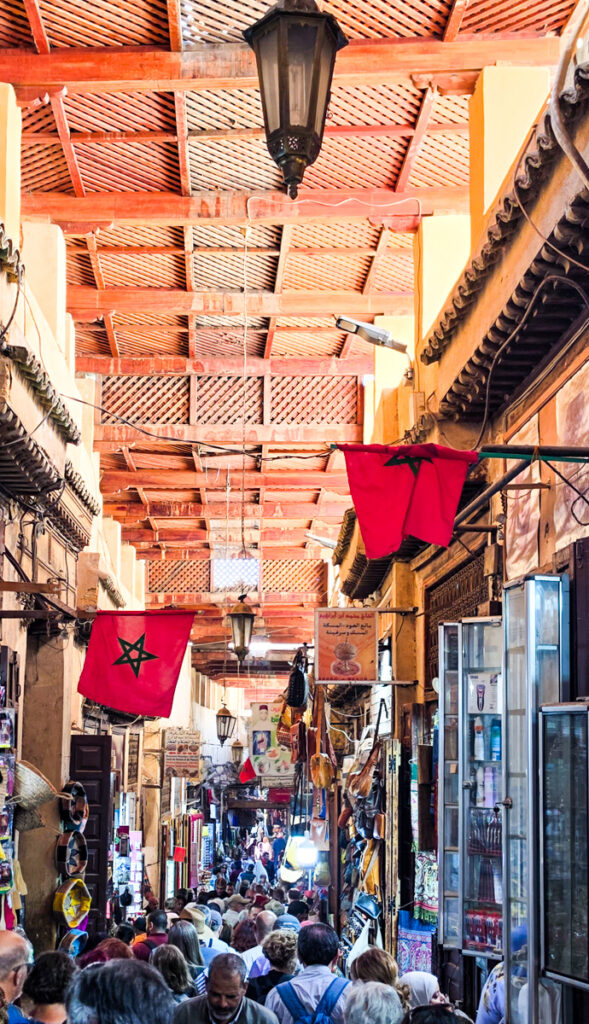
Transitioning from Marrakech to Fes introduced distinct logistical and geographical complexities. Unlike the relatively open and commercialized souks of Marrakech, the Fes medina is characterized by an intricate network of exceptionally narrow, high-walled passageways with minimal commercial signage.
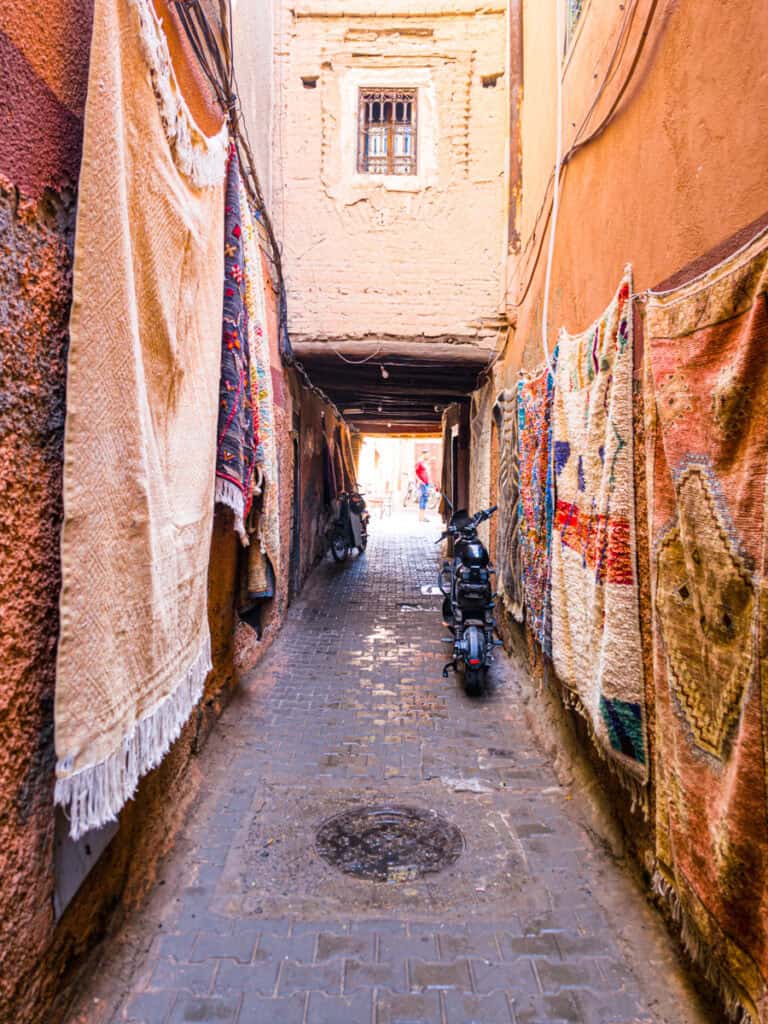
During an afternoon excursion intended to reconnect with separated group members, unexpected navigation errors led to isolated sectors with sparse foot traffic. Although brief moments of disorientation elicited heightened vigilance—echoed by local street naming conventions where "derb" denotes a dead end—the experience underscored the importance of preparation. Relying on verified mapping applications, maintaining local currency reserves, and lodging in accommodations positioned immediately outside restrictive medina walls mitigated potential risks.
Common Operational Challenges: Scams and Financial Logistics
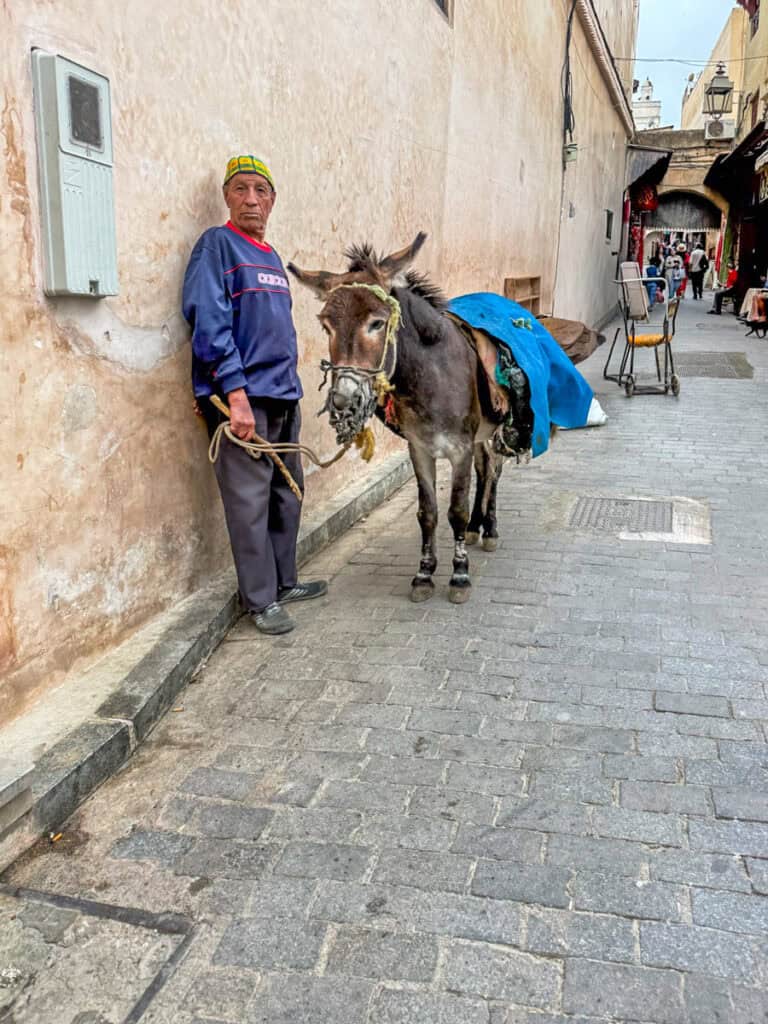
While physical safety remained intact throughout the expedition, participants encountered routine logistical hurdles typical of high-traffic tourist destinations. The most notable incident involved an unauthorized guide in Fes who solicited payment under the pretext of leading travelers to a non-existent local establishment. Industry professionals note that such unofficial guiding practices represent a common localized nuisance rather than a violent threat. Standard preventive measures, including a firm verbal refusal and reliance on authorized personnel, effectively neutralized these encounters.
Financial transactions presented secondary operational friction. Instances of malfunctioning point-of-sale card terminals at dining establishments underscored the necessity of carrying adequate local currency—Moroccan dirhams—at all times. Remote regions, particularly desert encampments, lack electronic infrastructure, making cash reserves essential for uninterrupted transit and emergency provisions.
Cultural Context and Social Interactions
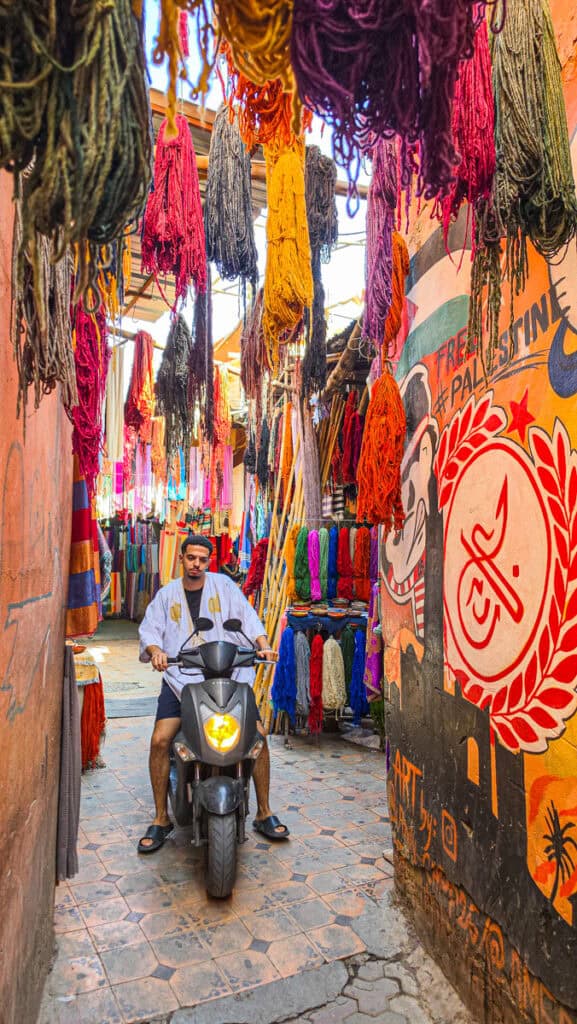
A defining characteristic of travel throughout Morocco is the predominance of male workers in the tourism, hospitality, and retail sectors. From riad receptionists and culinary staff to taxi drivers and artisan cooperatives, daily interactions heavily involve male counterparts. Traditional gender roles within the predominantly Muslim society mean that female-centric spaces, such as traditional hammams or specific artisan workshops, are localized rather than ubiquitous.
Observational analysis indicates that while casual conversation and polite hospitality are standard cultural norms, travelers may occasionally encounter unsolicited attention or perceived flirtation. Experienced guides emphasize that distinguishing between harmless local hospitality—such as lighthearted banter regarding cultural traditions—and intrusive behavior is a critical skill for visitors. Maintaining clear personal boundaries while respecting local customs ensures a harmonious cross-cultural exchange.
Transportation and Infrastructure Evaluation

Transport logistics form a crucial pillar of travel safety in Morocco. Railway networks, private transfer vans, and municipal taxi services operate under varying regulatory frameworks. Urban transit relies primarily on authorized "petit taxis," for which travelers are advised to pre-negotiate fares or ensure meters are utilized.
Regarding regional road travel, government advisories caution against poor driving practices and advise against driving after dark. However, organized group travel utilizing professional drivers subjected to regulated rest periods and speed-tracking technology offers a secure alternative to self-driving. Highway checkpoints further reinforce passenger safety by verifying seatbelt usage and vehicle compliance.

Implications for Independent Versus Group Travel
The comparative analysis of solo travel versus structured group participation reveals distinct advantages for each approach. Independent exploration fosters deep cultural immersion and flexibility, provided the traveler possesses strong navigational instincts and situational awareness. Conversely, participation in organized women’s group itineraries eliminates the administrative burdens of itinerary planning, navigation through complex medinas, and financial dispute resolution.

Ultimately, empirical findings from the October 2026 expedition suggest that Morocco remains a viable and rewarding destination for female travelers, provided they balance adventurous curiosity with prudent preparation, respect for local cultural norms, and adherence to foundational travel safety protocols.