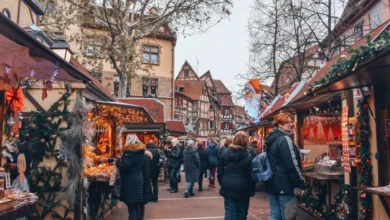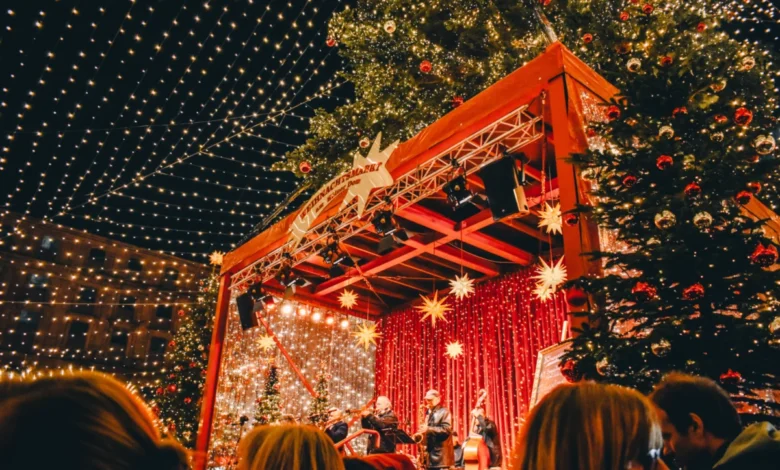
The Heidelberg Christmas market, known locally as the Weihnachtsmarkt, stands as a premier example of traditional German holiday festivities, drawing hundreds of thousands of visitors to the Neckar River valley annually. Situated within the historic Altstadt, the event spans five interconnected squares, creating a cohesive, walkable experience that integrates the city’s 17th-century architectural heritage with long-standing regional traditions. For the 2026 season, the market is scheduled to operate from November 23 through December 22, with specific satellite locations extending their services through January 1, 2027.

Historical Context and Cultural Significance

Christmas markets in Germany have evolved from medieval winter fairs, where citizens purchased essential supplies for the colder months, into elaborate cultural celebrations. In Heidelberg, the market’s significance is amplified by its location. The city, which served as the capital of the Electoral Palatinate for centuries, provides a dramatic backdrop for the festivities. The presence of the Heidelberg Castle, looming over the Altstadt, serves as a focal point for the market’s aesthetic. While the castle previously hosted its own localized market, the city has shifted the concentration of events to the town squares to manage logistics and preserve the historic site.
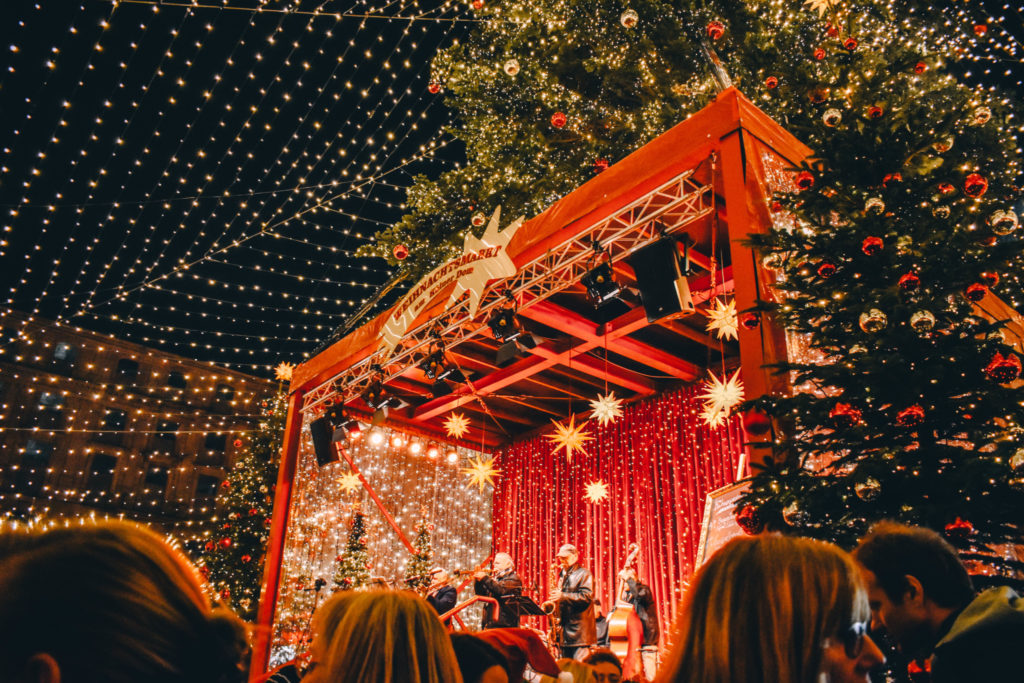
The evolution of the Heidelberg market reflects a broader trend in European tourism, where historical authenticity is balanced with modern infrastructural requirements. City planners and local chambers of commerce have carefully curated the vendor list to include traditional artisans—woodcarvers, glassblowers, and candle makers—who maintain centuries-old techniques. This focus on "authentic" craftsmanship is designed to distinguish the market from more commercialized holiday attractions found elsewhere in Europe.

Chronology and Operational Framework

The 2026 iteration of the market will follow a structured timeline:

- General Market Operations: November 23 – December 22, 2026.
- Operating Hours: Sunday through Friday, 11:00 a.m. to 9:00 p.m.; Saturdays, 11:00 a.m. to 10:00 p.m.
- Extended Seasonal Offerings: Select locations, including the "Winterwäldchen" (Winter Woods) at Kornmarkt and the market at Bismarckplatz, will remain open through January 1, 2027.
The layout is designed as a linear progression. Visitors typically begin at Bismarckplatz, the primary transit hub where tram and regional rail lines converge. From there, the route flows through Anatomiegarten, Universitätsplatz, Marktplatz, and Kornmarkt, concluding at the ice-skating rink at Karlsplatz. This geographical arrangement is intentional, designed to guide foot traffic through the Hauptstrasse, which is recognized as one of the longest pedestrian zones in Europe.

Economic and Tourism Impact

The Heidelberg Christmas market is a vital economic driver for the city’s tourism and hospitality sectors. Based on pre-pandemic and recent performance data, the market contributes significantly to the local economy during the "shoulder season." Local business associations report that hotel occupancy rates in the Altstadt frequently approach capacity during the weekends leading up to Christmas.

The shift toward longer operating hours for specific zones reflects a strategic response to tourist demand for post-Christmas travel. While the main market closes before December 25, the extension of the "Winterwäldchen" and the ice rink until the new year allows the city to capture the secondary wave of travelers who visit during the holiday break. This extension is a calculated effort to maintain economic activity into the first week of January, a period that historically sees a decline in regional travel.

Culinary Traditions and Vendor Regulation

A critical component of the market’s regulatory framework involves the standardization of food and beverage offerings. The market is strictly governed by health and safety ordinances that require vendors to adhere to regional culinary standards. Common offerings include Glühwein (mulled wine), which is served in souvenir ceramic mugs that change annually, and local delicacies such as bratwurst, flammkuchen, and various regional pastries.

The introduction of Feuerzangenbowle—a traditional alcoholic beverage involving rum-soaked sugar loaves set aflame over mulled wine—serves as a performance-based attraction. Local authorities monitor these stalls closely due to the open-flame nature of the preparation. Furthermore, the presence of specialized vendors, such as the Käthe Wohlfahrt holiday store, ensures that visitors have access to high-quality, regulated goods, moving the market away from mass-produced plastic novelties and toward artisanal products.

Environmental and Urban Planning Considerations

The decision to relocate activities away from the Heidelberg Castle was driven by both environmental and logistical concerns. Reports from municipal heritage experts and wildlife biologists indicated that the influx of tourists and the associated noise pollution threatened the local bat populations residing within the castle ruins. This move highlights the intersection of modern urban management and environmental conservation in historic European cities.

Furthermore, the city’s reliance on the Hauptstrasse as the central axis for the market necessitates strict traffic management. During the market season, the city implements temporary pedestrian-only zones, requiring coordination between the Heidelberg transport department and local businesses. The reliance on public transit, specifically the tram system at Bismarckplatz, is a key component of the city’s effort to reduce the carbon footprint of the event, encouraging visitors to arrive via train rather than private vehicle.

Analysis of Market Positioning

Heidelberg’s approach to the Christmas market is often described by industry analysts as "boutique" when compared to the massive, sprawling markets in Cologne or Nuremberg. The focus on five distinct, themed squares allows for a more intimate experience. For instance, the Kornmarkt is tailored toward families with children, featuring smaller, slower-paced attractions, whereas Universitätsplatz caters to those seeking traditional crafts and historical ambiance.

This segmentation strategy allows the city to accommodate different demographics simultaneously, preventing the overcrowding that often plagues larger, centralized markets. The implication for future growth is that Heidelberg is likely to prioritize quality of experience over the total volume of visitors, a strategy that aligns with the city’s long-term sustainability goals for tourism.

Recommendations for International Visitors

For international travelers planning to attend the 2026 market, experts recommend a minimum stay of two to three days. This duration allows for a comprehensive exploration of the five squares during both daylight and evening hours, as the atmospheric lighting—particularly the illumination of the castle and the festoon lights along the Hauptstrasse—provides two distinct experiences.

Logistically, securing accommodation in the Altstadt is advisable for those who wish to be within walking distance of the market, as parking in the city center is severely restricted during the holiday season. The use of the German rail network (Deutsche Bahn) is the most efficient method of arrival, as the central train station is well-connected to the tram system that feeds directly into Bismarckplatz.

In summary, the Heidelberg Christmas market serves as a model for how a mid-sized historic city can leverage its heritage to create a sustainable, high-value tourism product. By balancing the demands of modern commerce with the preservation of local traditions and environmental stewardship, the city maintains its reputation as a premier destination for those seeking a traditional German Advent experience. The 2026 season is expected to continue this trend, with a strong emphasis on maintaining the authentic, historical character that has defined the event for generations.