The Redesigned Farmer’s Cottage Suite at Coworth Park Offers an Unrivaled Blend of Seclusion and Five-Star Luxury

The Dorchester Collection’s flagship country estate, Coworth Park, has unveiled a comprehensive design evolution of its storied residential offerings, signaling a strategic shift toward providing guests with the autonomy of a private home paired with the seamless service of a luxury hotel. Situated in the heart of Berkshire, the estate’s recent renovation project—spearheaded by renowned British designer Martin Hulbert—focuses on the property’s nine individual cottages and stable rooms. This initiative, which officially reached completion in June, represents the latest chapter in the estate’s long-standing reputation as one of England’s premier retreats.
The renovation serves as a bookend to a narrative that began in 2010 when Coworth Park first opened its doors. Martin Hulbert, the original visionary behind the hotel’s interior aesthetic, was commissioned to return to the property to re-evaluate the guest experience within the estate’s more secluded accommodations. By integrating the surrounding landscape into the fabric of the suites, the design team has sought to anchor the guest experience in the property’s deep-rooted equestrian heritage and the seasonal shifts of the Berkshire countryside.
Architectural Heritage and Design Philosophy
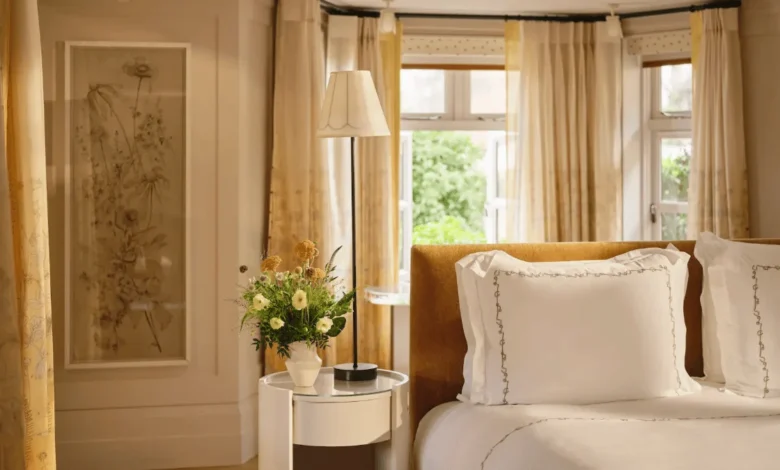
The cottages at Coworth Park are characterized by their charming, traditional brick facades and distinctive black-painted front doors. While the exterior retains the historic character of the estate’s agricultural roots, the interiors have undergone a significant transformation. The design language employed by Hulbert focuses on tactile, natural materials and a palette dictated by the shifting colors of the English seasons.

Central to this renovation is the integration of artisanal details. The suites now feature Irish linen adorned with hand-drawn, block-printed motifs of native British wildflowers. Furthermore, the furniture selection serves as a functional nod to the estate’s history, with leather upholstery echoing the materials found in traditional equestrian tack. Perhaps the most striking design element is the inclusion of bespoke resin tables, which preserve dried flowers harvested directly from the meadows of Coworth Park, effectively bringing the estate’s 240 acres of grounds into the living space.
The Farmer’s Cottage Suite: A Case Study in Independence
The Farmer’s Cottage Suite serves as the pinnacle of this new design ethos. Spanning nearly 1,000 square feet, the duplex residence is structured to provide a sense of residence rather than a traditional hotel stay. The ground floor features a spacious living and dining area, centered around a functional fireplace, while the upper level hosts a primary bedroom and an expansive dressing room. The addition of a freestanding copper roll-top bath serves as a focal point for the bathroom, reinforcing the sense of indulgence associated with the property.
The logistical appeal of the cottage is the balance between privacy and connectivity. While the suites are positioned as independent residences, the hotel provides an on-demand buggy service to bridge the short distance between the cottages and the main mansion house. This service model addresses a growing market demand among luxury travelers for "frictionless" travel, where the need for seclusion is met without sacrificing access to high-end amenities.
Chronology of Development
The evolution of Coworth Park has been steady since its acquisition by the Dorchester Collection. Following the 2010 debut, the hotel established itself as a hub for both luxury leisure and professional polo, owing to its status as the only hotel in the United Kingdom with its own polo fields.

The decision to renovate the cottages follows a broader trend in the hospitality sector: the "residentialization" of hotel stays. Data from recent hospitality industry reports suggest that high-net-worth individuals are increasingly seeking accommodations that offer kitchens, private entrances, and outdoor garden access, particularly for extended stays. By expanding the terrace and garden areas of the cottages, Coworth Park has positioned itself to capture this segment of the market, offering a domestic comfort level that is rarely found in traditional urban luxury hotels.
Gastronomic Integration and Michelin-Starred Standards
A cornerstone of the Coworth Park experience is its dining program, anchored by the Michelin-starred restaurant, Woven by Adam Smith. The restaurant’s interior design, like the cottages, shifts with the seasons, ensuring that the visual environment remains in dialogue with the culinary offerings.
Chef Adam Smith’s approach to the menu is characterized by a "playful nostalgia," utilizing British ingredients to reframe classic dishes. The tasting menus are not merely meals but are curated to reflect the history of British culinary traditions. For example, the use of grouse in pies, the inclusion of turbot with lobster, and the focus on regional produce like Dorset crab highlight a commitment to local sourcing.
The dining experience extends to the breakfast service, where the hotel has moved beyond standard continental offerings to include inventive, high-end comfort food such as loaded cruffins filled with artisanal sausage and bacon. This attention to detail—from the honeycomb served directly at the table to the curated selection of snacks in the cottage larders—reflects the Dorchester Collection’s overarching strategy of personalized, anticipatory service.

Wellness and Estate Infrastructure
The estate’s wellness facilities, particularly the spa, function as a critical differentiator in the competitive Berkshire hospitality landscape. The spa’s architecture is notable for its integration of light and natural elements. The indoor swimming pool, which is flush with the floor, features an amethyst-lined base and an underwater sound system, providing a sensory experience that complements the physical nature of the treatments.
The partnership with brands such as ishga reflects a commitment to seaweed-based, marine-derived wellness products, which are then integrated into bespoke treatments like the "Warming" massage. These services are designed to provide physiological benefits, such as lymphatic drainage and tension relief, further cementing the estate’s status as a comprehensive wellness destination.
Implications for the Luxury Hospitality Sector
The successful implementation of the cottage redesign at Coworth Park carries several implications for the future of luxury travel. First, it demonstrates the viability of retrofitting historic assets to meet modern, technology-driven expectations. By incorporating high-end kitchen facilities and private outdoor spaces, the estate has successfully bridged the gap between a private manor house and a five-star hotel.
Second, the move highlights the importance of "placemaking" in luxury hospitality. By incorporating local flora into the interior design and utilizing locally sourced ingredients, the estate creates an immersive experience that feels authentic to its location. This is a departure from the generic luxury model of the early 2000s, which often prioritized a uniform look regardless of the property’s geographic context.

Finally, the emphasis on service—exemplified by the on-demand buggy service and the personalized welcome amenities—underscores that even in a post-pandemic world where guests value independence and seclusion, the human element of hospitality remains the primary driver of guest loyalty.
Conclusion
Coworth Park’s latest renovation is more than a mere aesthetic update; it is a strategic repositioning of the estate as a versatile destination capable of catering to both short-term luxury travelers and those seeking a longer-term, more private residence. By marrying the intimacy of the Farmer’s Cottage with the extensive infrastructure of the main mansion—including its Michelin-starred dining, award-winning spa, and 240 acres of manicured grounds—the Dorchester Collection has created a cohesive product that satisfies the modern demand for autonomy, privacy, and impeccable service. As the estate moves forward, it remains a testament to the enduring appeal of the English country house, successfully evolved for the contemporary era.