The debut of Casa Mani earlier this year marks a significant shift in the hospitality landscape of Napa, California. Billed as the city’s first true urban resort, the property represents an ambitious $80 million revitalization project undertaken by the Mani Brothers. By transforming a former Embassy Suites location into a high-end destination, the developers have sought to bridge the gap between the rural charm of wine country and the convenience of a metropolitan getaway. With 203 rooms, a flagship culinary destination, and a strategic location near the Napa County Airport, Casa Mani is positioning itself as a vital anchor for upscale tourism in downtown Napa.
The Evolution of the Property
The transformation of the site serves as a case study in the current trend of repurposing mid-market suburban assets into luxury experiences. For decades, the property served as a standard-issue suite hotel, catering primarily to business travelers and families seeking predictable accommodations. The Mani Brothers’ acquisition and subsequent $80 million capital injection reflect a broader trend in the Napa Valley: the desire to capture a more affluent demographic that prioritizes proximity to urban amenities over the isolation of remote vineyard estates.
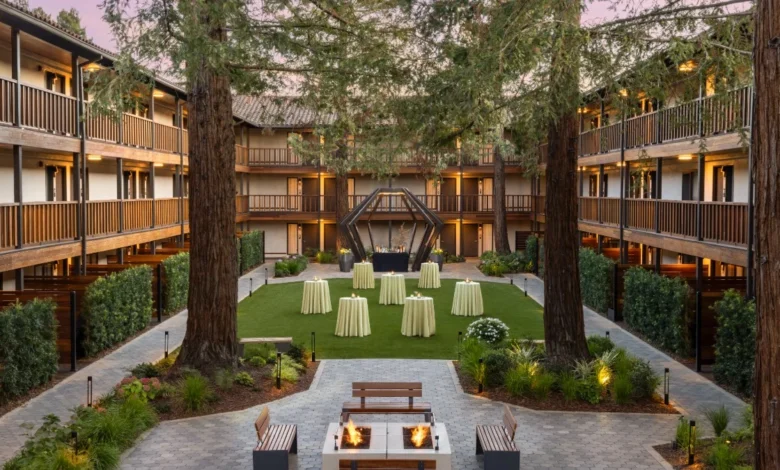
The architectural reimagining of the space focuses on a central, open-air courtyard that functions as the property’s social heart. By arraying 188 standard rooms and 15 expansive suites around a central pool, the designers have created an indoor-outdoor flow that mimics the relaxed atmosphere of a Mediterranean villa, adapted for the Northern California climate.

Operational Infrastructure and Amenities
The operational philosophy of Casa Mani centers on modern, tech-forward convenience. Each guest room is equipped with high-end appliances, including SMEG kettles and Dyson hair dryers, signaling a commitment to a sophisticated, contemporary aesthetic. The property’s decision to prioritize in-room wellness—specifically through the inclusion of select suites featuring integrated Peloton bikes—aligns with the growing demand for health-conscious travel.
The logistical advantages of the hotel are bolstered by its strategic location. Situated a short walk from the culinary corridors of downtown Napa, the hotel allows guests easy access to local institutions like the Moulin bakery. Furthermore, the 15-minute proximity to the Napa County Airport is a key selling point for high-net-worth individuals utilizing semi-private aviation services such as JSX. By streamlining the transit process from Southern California to the valley, the property effectively minimizes the friction associated with regional travel, a significant competitive advantage in the luxury hospitality sector.
Culinary Integration: The BOA Steakhouse Arrival
Perhaps the most significant development in the hotel’s launch is the introduction of the first Napa Valley location of BOA Steakhouse. The restaurant, a staple of the Los Angeles, Austin, and Las Vegas dining scenes, brings a high-energy, modern steakhouse concept to a region traditionally dominated by farm-to-table vineyard dining.
The integration of BOA is intended to drive local traffic to the hotel, transforming the lobby and patio areas into a destination for residents and visitors alike. The presence of a high-profile, recognizable brand like BOA provides the property with instant credibility in a market known for its world-class gastronomy. By offering a robust raw bar and tableside culinary theater, the restaurant satisfies a specific niche: the desire for an evening of metropolitan-style nightlife that is often absent in the more tranquil corners of the valley.

Strategic Partnerships and Wine Country Access
Casa Mani has sought to integrate itself into the local viticultural economy through strategic partnerships, most notably with Lawrence Wine Estates. This collaboration allows the hotel to function as a satellite tasting room for prestigious labels such as Heitz, Burgess, and Ink Grade. For the casual traveler, this eliminates the need for extensive scheduling and transportation between scattered estate properties, providing an on-site, curated wine experience.
To further encourage exploration, the hotel provides guests with access to a fleet of Tesla vehicles. This initiative reflects the property’s awareness of its environmental footprint and its alignment with the modern traveler’s preference for sustainable transportation. It also addresses the practical need for reliable transit between the downtown hub and the more distant wineries located in St. Helena or Calistoga.
Performance Metrics and Guest Experience
In evaluating the property through the lens of a 10-point luxury assessment, Casa Mani secures a 7.5 rating. This score reflects a balance between high-end service, modern infrastructure, and a lack of certain ultra-exclusive amenities, such as a dedicated butler for every room.
The absence of full-service room-delivered caviar or heated floors in every guest bathroom is offset by thoughtful inclusions, such as heated Japanese-style toilet seats and full-sized, spa-grade toiletries from Red Flower. The choice of 250-thread-count Bellino Fine Linens indicates a focus on durable, high-quality comfort, though it stops short of the ultra-high thread counts found in the world’s most opulent "six-star" properties.

Economic and Regional Implications
The opening of Casa Mani comes at a time when downtown Napa is undergoing a concerted effort to reinvent itself as a primary destination rather than a secondary stopover. The investment of $80 million in a single project is indicative of strong confidence in the long-term viability of the Napa hospitality market, despite broader economic fluctuations.
By providing a base that is both urban and resort-like, Casa Mani addresses the demographic shift of the "work-from-anywhere" traveler. The ability to transition from a morning of business calls in a well-appointed suite to an afternoon of vineyard touring, followed by an evening at a high-end steakhouse, creates a frictionless itinerary that appeals to the modern luxury consumer.
Analysis of Market Positioning
From a market analysis perspective, Casa Mani occupies a unique "bridge" position. It is not as prohibitively expensive as the boutique estates of the valley, nor is it as commoditized as the legacy chain hotels. This middle-ground strategy—offering high-end, contemporary luxury with excellent logistics—is likely to prove resilient.
However, the property will face challenges in maintaining its competitive edge as other downtown properties modernize. The reliance on the BOA brand and the Lawrence Wine Estates partnership is a strong start, but long-term success will depend on the hotel’s ability to maintain its facility standards and service quality. As the property settles into its operational phase, industry observers will be watching to see if the "urban resort" model can effectively sustain year-round occupancy rates in a market that is heavily dependent on seasonal tourism.

Conclusion: A Foundation for Future Growth
Casa Mani succeeds as a high-quality, well-conceived hospitality asset. It provides the essential elements of a premium Napa Valley experience—access to fine wine, high-quality dining, and a refined living environment—while removing the logistical complexities that often hinder a relaxed getaway.
While the property may lack the singular, historic charm of a century-old vineyard manor, it compensates with a forward-looking design that prioritizes functionality and comfort. For travelers seeking a reliable, upscale, and conveniently located home base, Casa Mani offers a compelling argument for the merits of urban-resort living. As the property continues to refine its service offerings, it is poised to remain a prominent fixture in the evolving narrative of downtown Napa, serving as a testament to the value of thoughtful, large-scale revitalization in the luxury travel sector.
Related posts: