Unlocking Golden Bay: A Travel Chronicle of Isolation, Conservation, and Natural Splendor at the Top of New Zealand

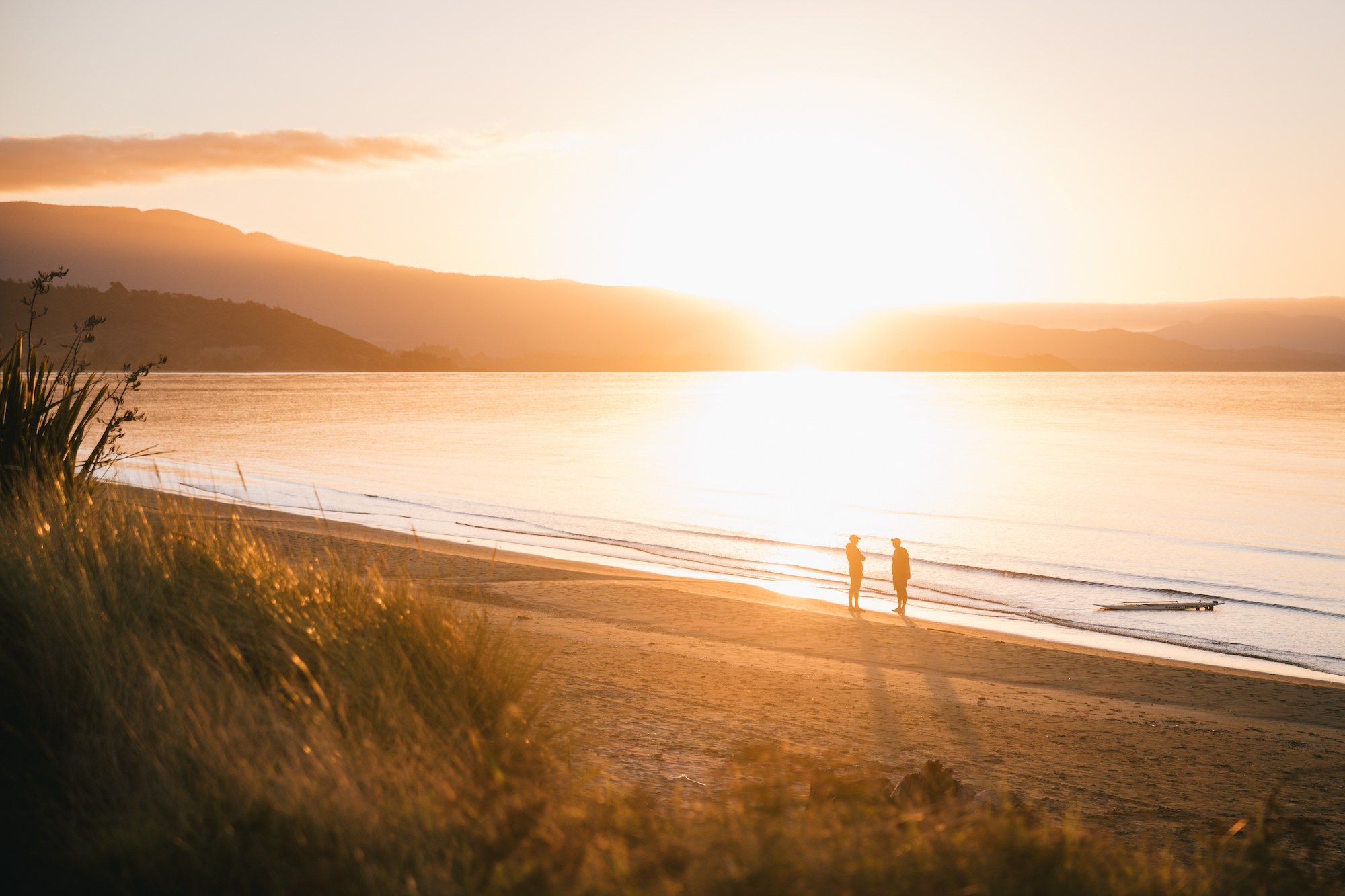
Nestled at the northernmost extremity of New Zealand’s South Island, Golden Bay has long remained a geographic and cultural anomaly. While regions like Wānaka and Queenstown grapple with rapid commercial expansion, escalating living costs, and heavy tourist infrastructure, Golden Bay preserves a distinct, retro atmosphere reminiscent of the late 20th century. Recently, travel writers and regional observers have turned their attention back to this isolated enclave, evaluating its unique blend of affordability, microclimate advantages, and stringent environmental conservation efforts.
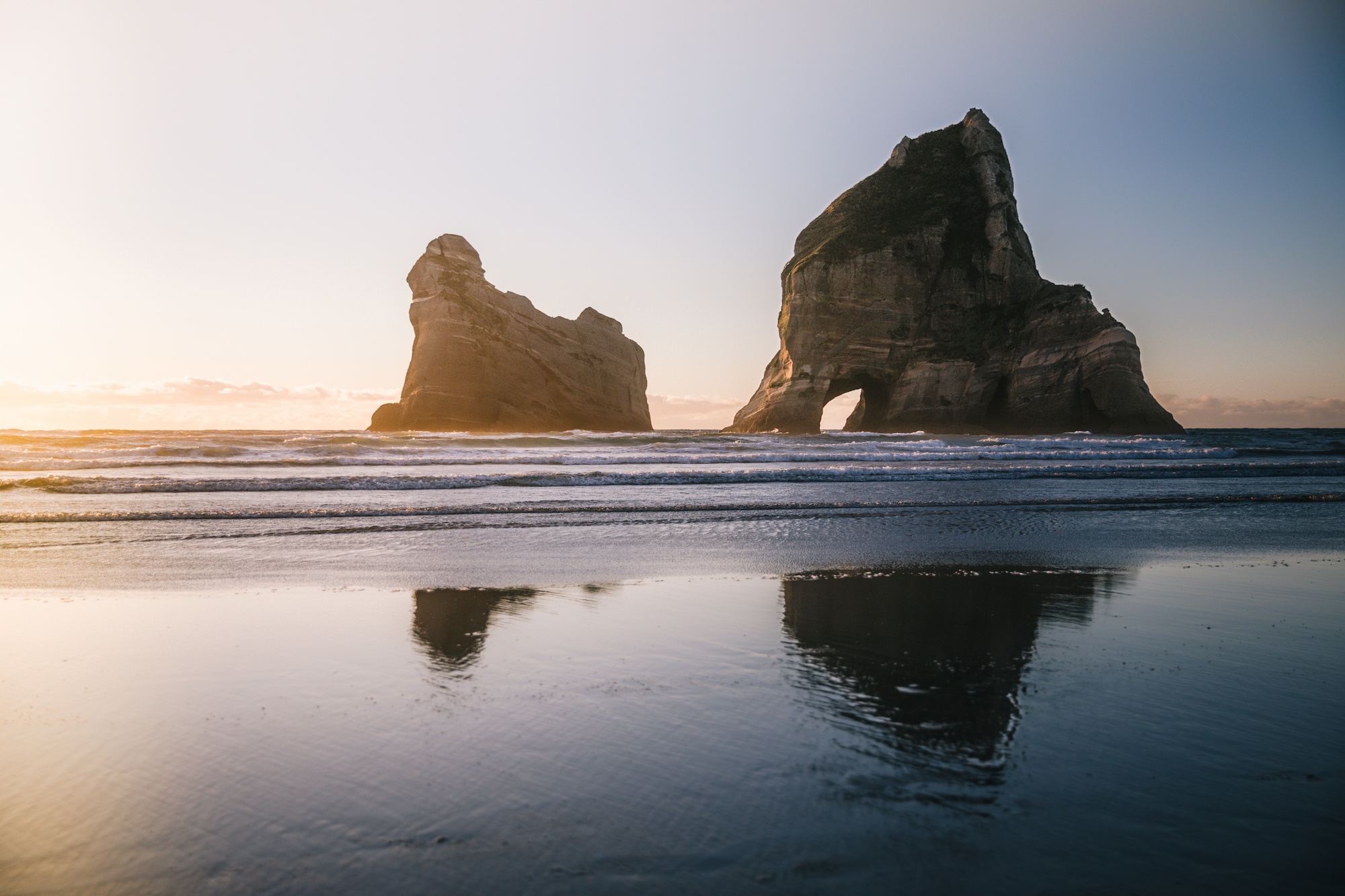
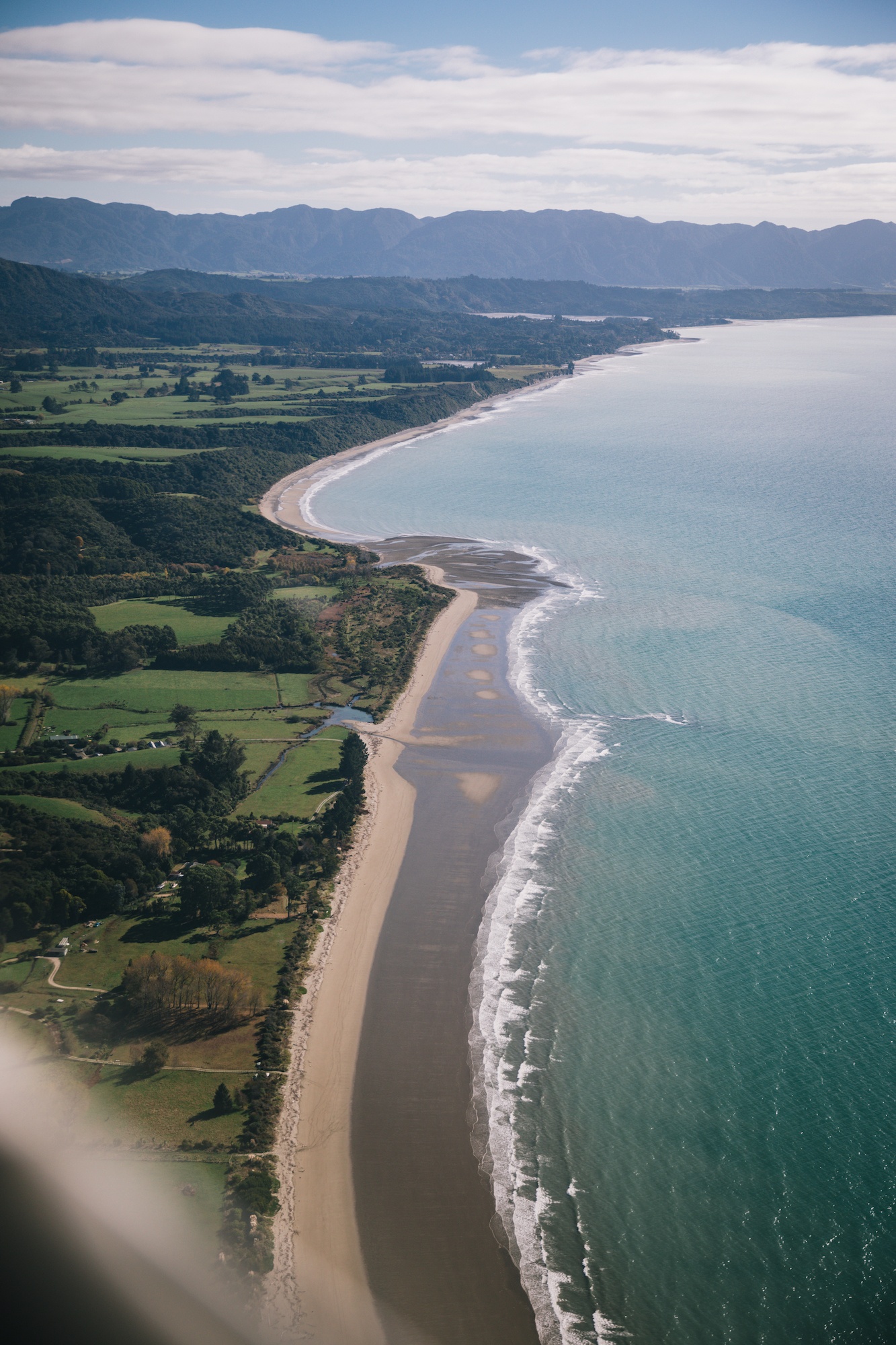
The region’s geographic configuration—sweeping in a pristine "C" shape from the edge of Abel Tasman National Park to the 26-kilometer-long Farewell Spit—creates a natural fortress of isolation. Accessible primarily via the notoriously winding Takaka Hill road or specialized regional carriers such as Golden Bay Air, the bay demands a deliberate journey from visitors. Despite the logistical hurdles, the area has increasingly attracted travelers seeking respite from more congested tourist circuits, offering a case study in sustainable regional tourism and rural community resilience.
Chronology of the Expedition and Logistical Framework
The journey to Golden Bay typically intersects with some of the South Island’s most strenuous backcountry routes. Following the completion of the four-day Heaphy Track, a premier multi-day hike situated within Kahurangi National Park, travelers frequently utilize local aviation services to bridge the vast distances between trailheads. Golden Bay Air coordinates regional logistics, offering small-plane transfers that bypass what would otherwise be a grueling overland transit requiring substantial fuel expenditures and hours of driving.
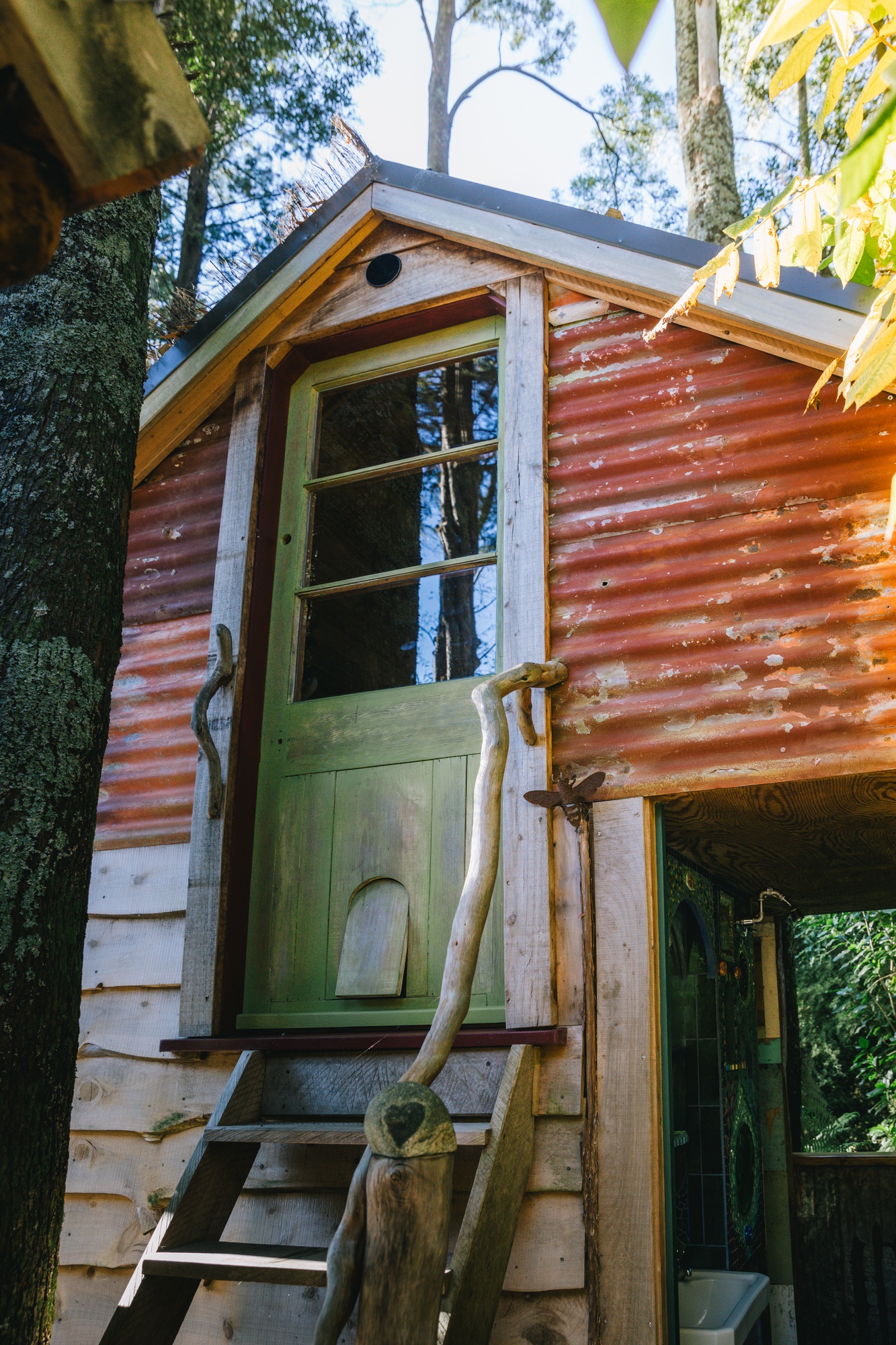
Upon arriving at the modest airstrip outside Takaka, visitors are introduced to the unhurried pace characteristic of the Tasman District. The local economy relies heavily on independent growers, organic farming, and honesty-box fruit stands that dot the rural roadways—a stark contrast to the centralized supermarket chains dominating New Zealand’s larger urban centers. Accommodation options in the area have similarly evolved to emphasize low-impact, high-aesthetic integration with the landscape. Properties such as the Rustic ReTreet, constructed by local artisans using timber harvested directly from regional land and repurposed materials, highlight a growing market demand for secluded, design-forward ecotourism.
Geological Significance and Conservation Challenges
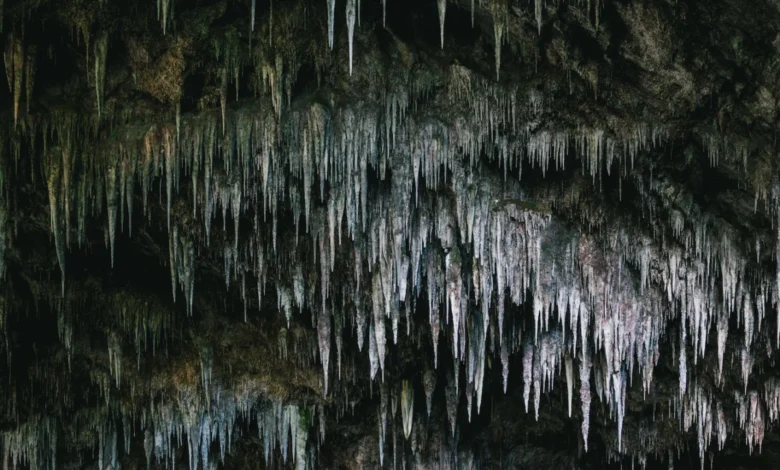
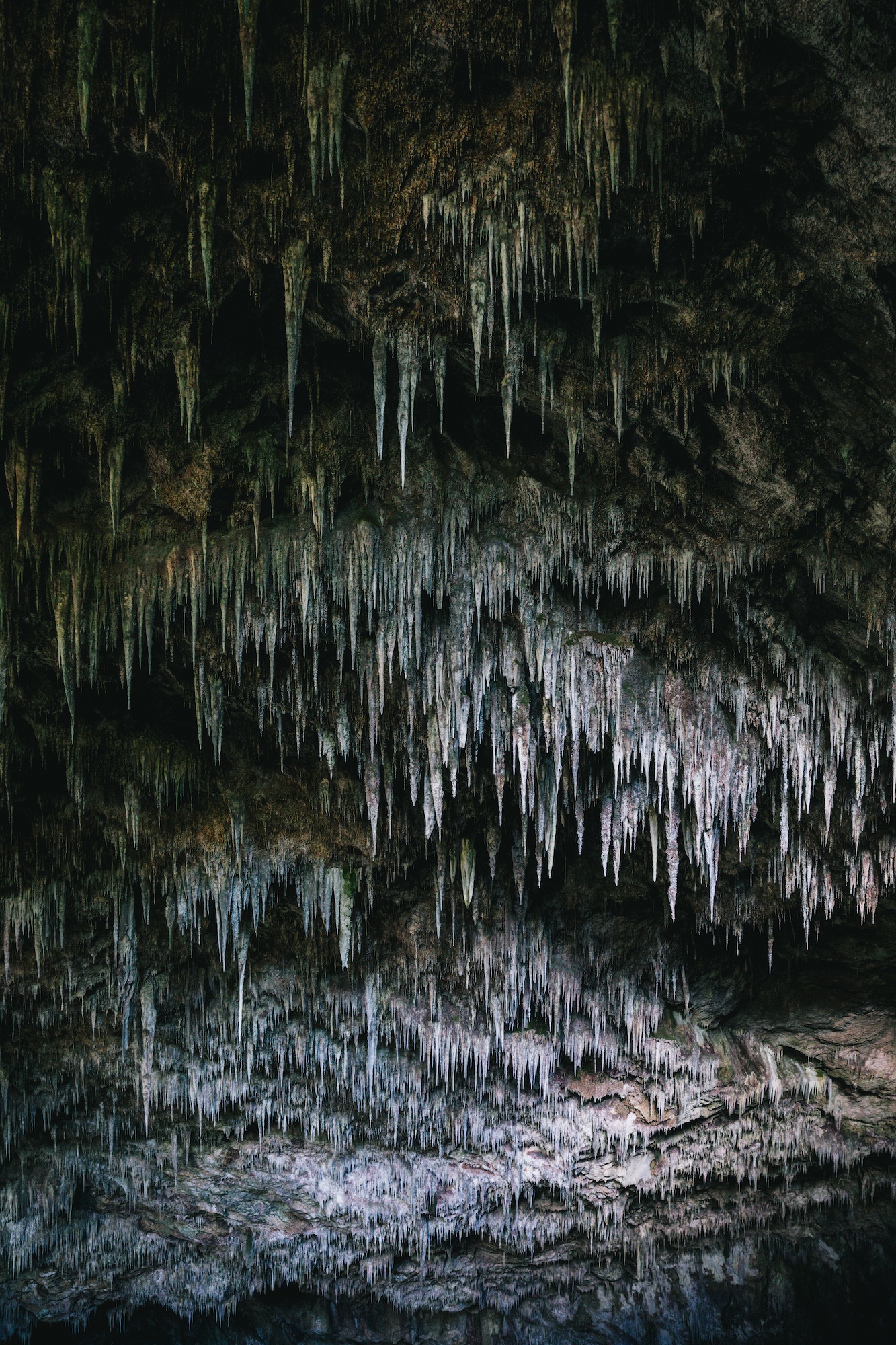
Beyond its pastoral charm, Golden Bay is a landscape defined by dramatic geological formations and profound ecological responsibilities. The Nelson-Tasman region houses some of the country’s most extensive cave networks, carved into ancient limestone through millennia of subterranean water flow. Sites such as the Rawhiti Caves offer accessible windows into these subterranean ecosystems, featuring monumental entrance arches adorned with complex stalactite formations. Further inland, the Te Waikoropupū Springs—recognized as the largest cold-water springs in the Southern Hemisphere—exhibit among the highest optical water clarity levels recorded globally, with horizontal visibility reaching up to 81 meters. Regarded as a taonga (treasure) by local Māori iwi, the springs are strictly protected, prohibiting any physical contact to preserve their pristine hydrological balance.
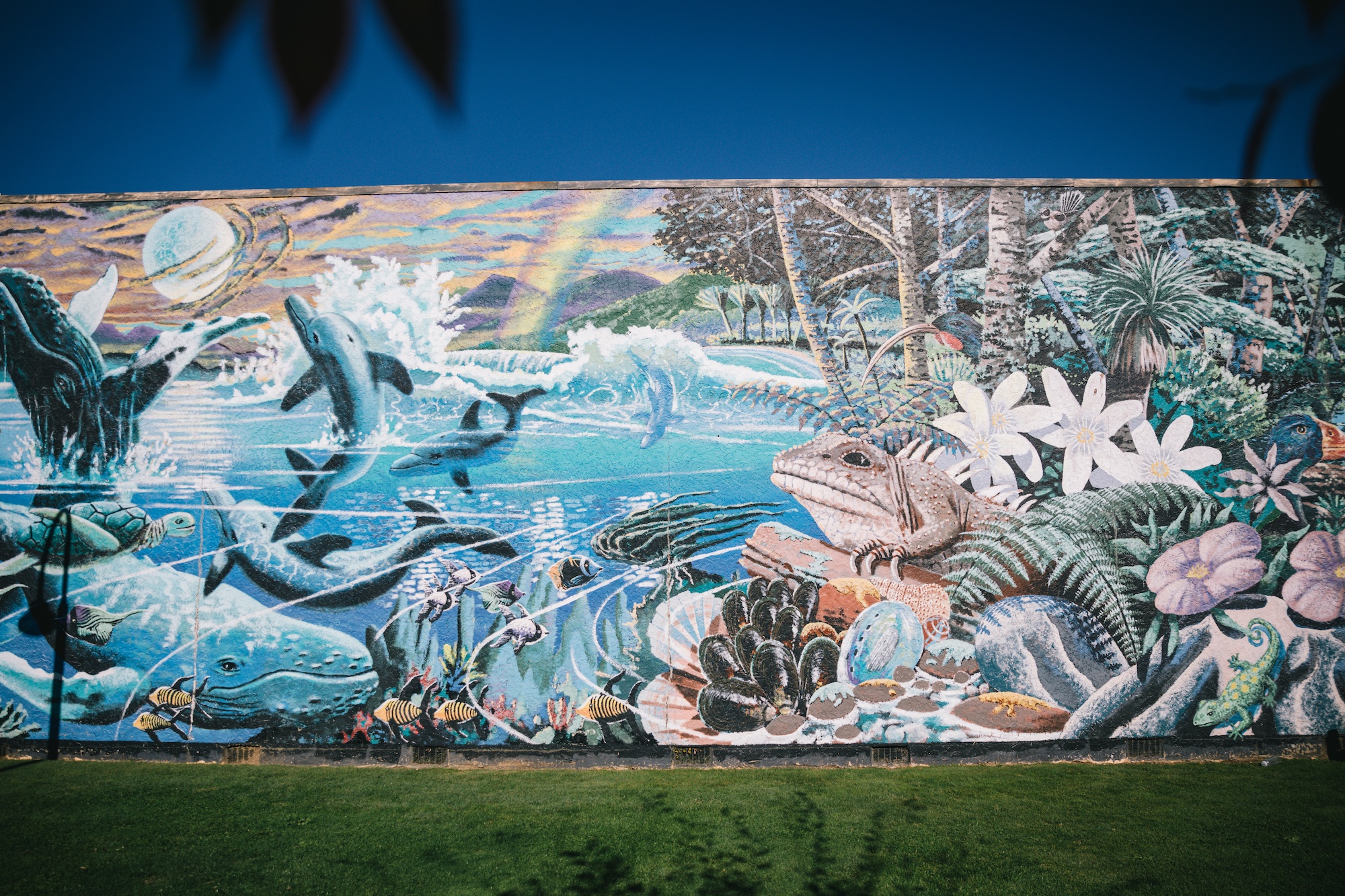
However, the region’s geography also presents severe ecological vulnerabilities, most notably regarding marine mammal strandings. Farewell Spit functions as a notorious natural trap for cetaceans, particularly long-finned pilot whales. Historical data indicates that the gently sloping, shallow sandy beaches combined with intense tidal flows create disorienting navigational challenges for pods navigating deep oceanic trenches nearby.

Major mass strandings, such as the catastrophic event seven years ago that involved over 400 pilot whales, have cemented the area as a focal point for marine conservation groups like Project Jonah. These recurring tragedies have profoundly influenced regional conservation policy, shifting local and national focus toward rapid-response protocols, wildlife rehabilitation, and marine mammal research. Organizations operating in the region continually refine deployment strategies to mitigate mortality rates during stranding events, transforming Golden Bay into a frontline for New Zealand marine biology.

Infrastructure and Regional Accessibility
The economic vitality of Golden Bay is intrinsically linked to its infrastructure, particularly the maintenance of State Highway 60 over Takaka Hill. Often referred to by locals simply as "The Hill," this mountain pass features hundreds of tight switchbacks and steep vertical drops connecting Motueka to Takaka. For decades, the highway has served as the sole major vehicular artery into the bay, making the region acutely sensitive to weather-induced disruptions.
In recent years, severe storm events have caused substantial damage to the pass, resulting in prolonged periods of single-lane restrictions and extended traffic management delays. While civil engineering projects work to permanently stabilize the route, local businesses have navigated fluctuating visitor numbers and supply chain friction. The infrastructural challenges highlight broader infrastructural deficits facing rural New Zealand councils, where low ratepayer bases struggle to fund comprehensive climate-resilient roading networks against the backdrop of increasing extreme weather frequencies.
Socioeconomic Implications and the Tourism Landscape
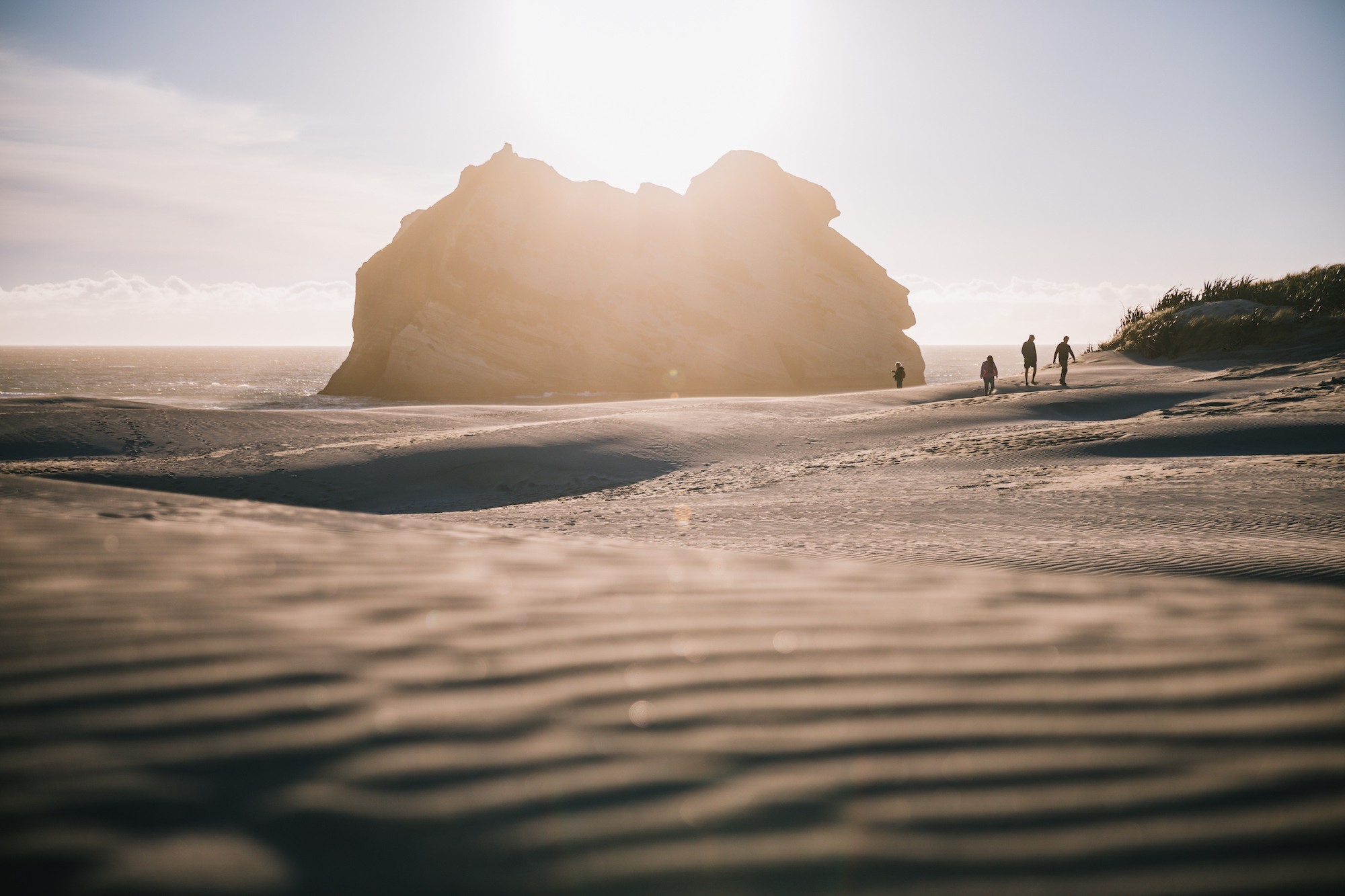
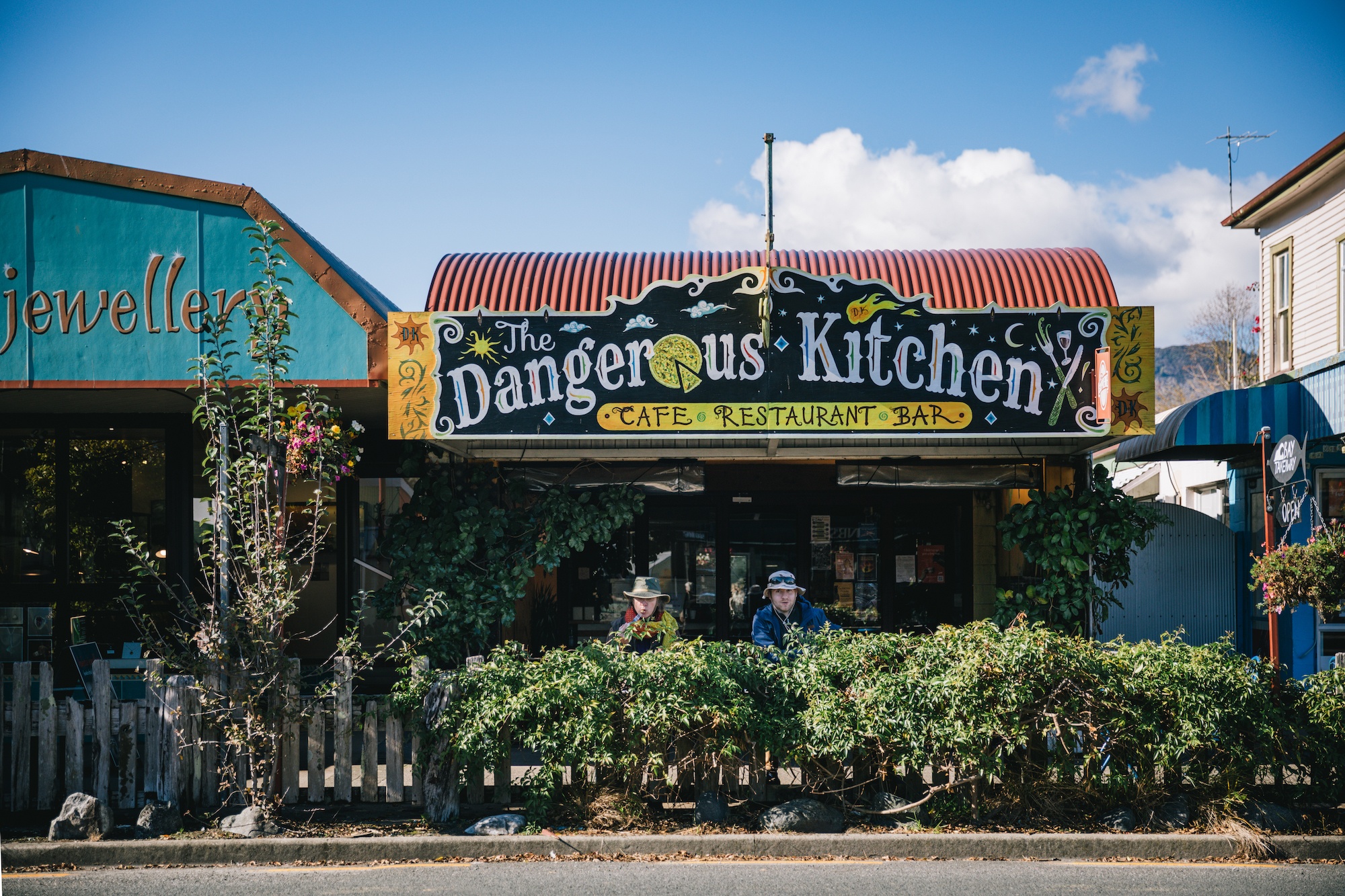
The socioeconomic fabric of Golden Bay presents a compelling model for rural sustainability. Characterized by a high concentration of artists, conservationists, and alternative lifestylers, Takaka and its surrounding settlements maintain a community-centric economy that resists corporate homogenization. Independent enterprises—such as the historic Mussel Inn, which operates as a localized microbrewery and cultural hub—demonstrate the viability of decentralized rural commerce.
Nevertheless, the region faces mounting economic pressures familiar to modern New Zealand. As urban centers experience escalating housing costs, remote areas like Golden Bay witness shifts in real estate dynamics, raising concerns regarding housing affordability for local workforces. Policymakers and regional tourism boards continue to navigate the delicate equilibrium between promoting the bay’s natural assets and protecting the fragile social and environmental ecosystems that make the destination unique.
Ultimately, Golden Bay endures as a testament to New Zealand’s diverse topography and pioneering spirit. Whether viewed through the lens of geological wonder, conservation urgency, or sustainable regional development, the area offers critical insights into the preservation of remote communities in an era of rapid environmental and economic transition.