Beyond the Locks: Exploring Panama’s Caribbean Coast, Portobelo, and Venas Azules

While the Panama Canal remains the primary anchor for international tourism in Central America’s southernmost nation, a short morning excursion toward the Caribbean coast reveals an entirely different historical and ecological landscape. For decades, the majority of visitors to Panama City have limited their itineraries to the engineering marvels of the Miraflores or Agua Clara locks, leaving the dense cultural heritage, Spanish colonial fortifications, and pristine mangrove networks of Colón province largely unexplored.
Recent tourism data highlights a growing demand for experiential day trips that diverge from standard metropolitan sightseeing. Travelers seeking to venture beyond the capital can now access a well-defined regional corridor that seamlessly merges Afro-Caribbean traditions, UNESCO World Heritage architecture, and remote coastal waterways. This comprehensive guide examines the primary destinations along Panama’s Caribbean route, providing logistical frameworks, comparative analyses with alternative regional getaways, and essential insights for navigating the Colón province.
Understanding the Regional Framework: Four Distinct Stops
Many itineraries mistakenly treat Colón, Portobelo, Venas Azules, and Fort San Lorenzo as interchangeable components of a single urban loop. In reality, each destination offers a distinct historical era, ecological profile, and cultural footprint.
Colón serves as the logistical and cultural gateway to the coast, shaped fundamentally by Afro-Caribbean heritage and the continuous socio-economic evolution of the Panama Canal zone. Characterized by vibrant wooden architecture, bilingual communities fluent in both Spanish and Caribbean English, and open-air markets fragrant with fresh seafood, Colón functions best as an immersive cultural stop rather than a conventional monument-ticking exercise.
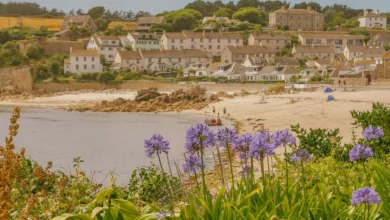
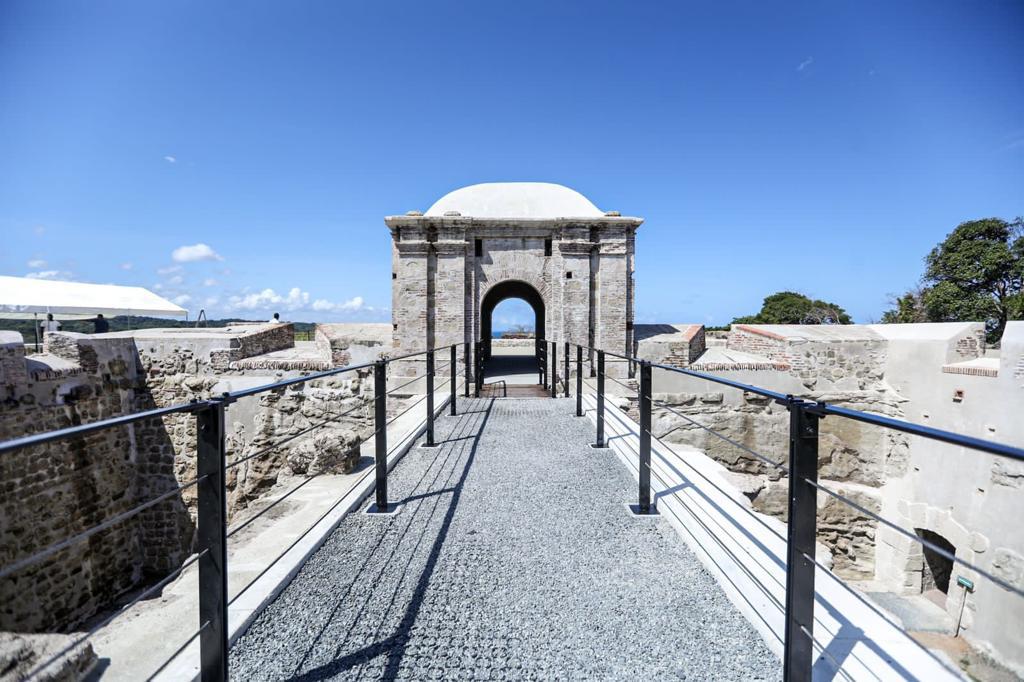
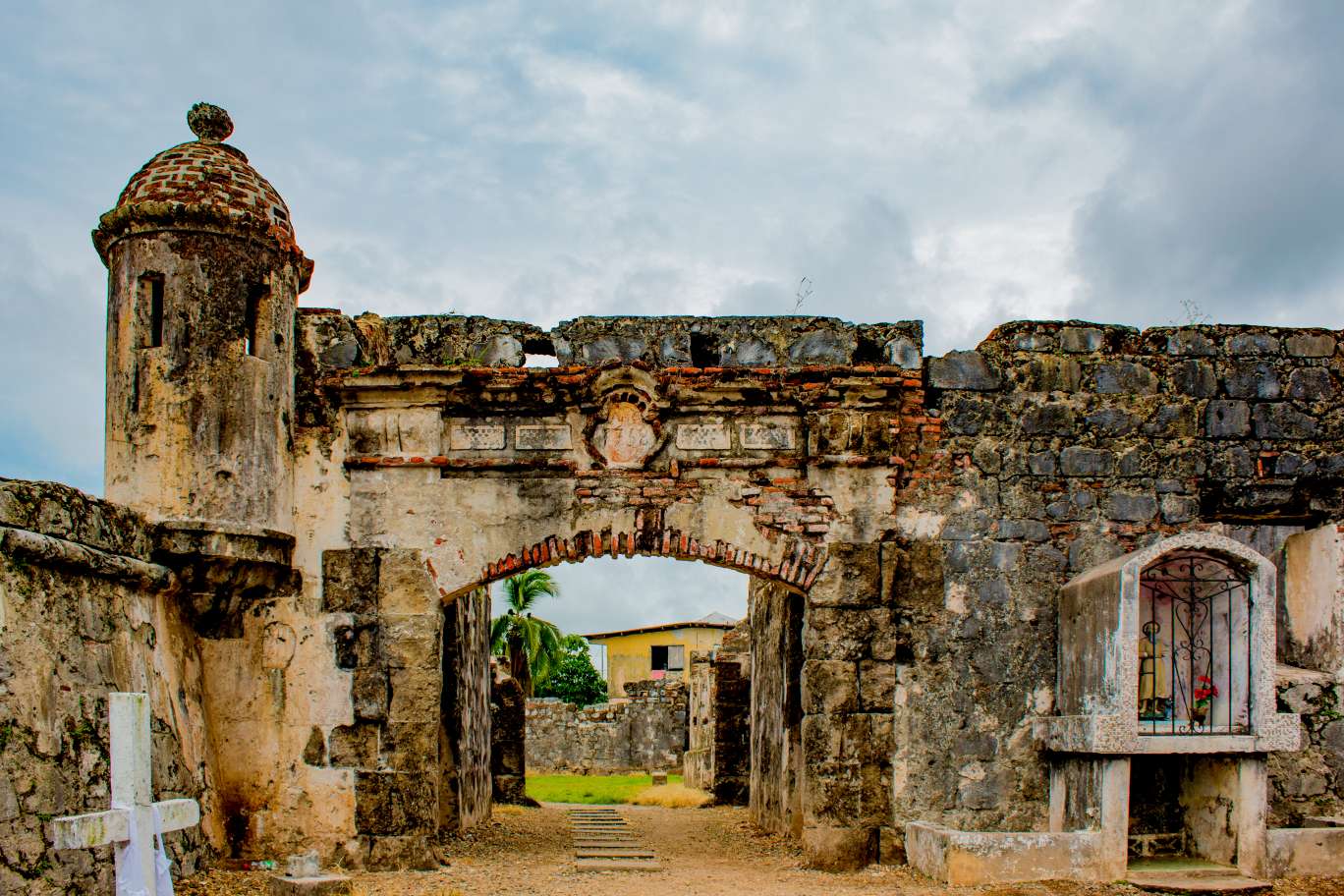
Approximately an hour further along the coast lies Portobelo, the psychological and historical heart of the regional day trip. During the height of the Spanish Empire, Portobelo operated as a critical terminal port for the treasure fleets carrying Peruvian silver and gold back to Europe. Today, the village features formidable stone fortifications overlooking a tranquil natural bay, surrounded by steep tropical hills. The ruins reflect not only the immense wealth of the Spanish crown but also the brutal history of forced indigenous and enslaved African labor. Furthermore, Portobelo serves as the primary maritime launching point for excursions into the protected waters of Venas Azules.
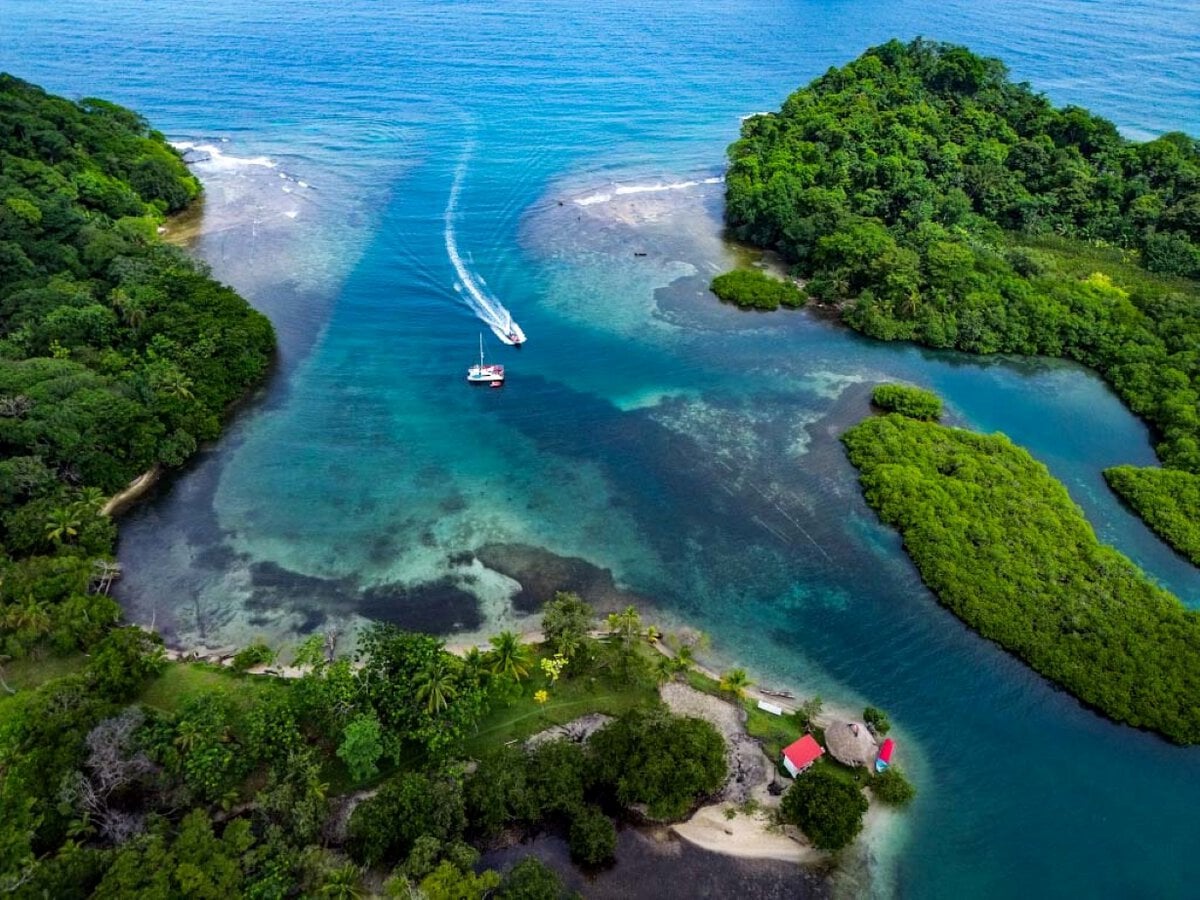
Venas Azules represents the ecological centerpiece of the coastal journey. Accessible exclusively by boat from the Portobelo mainland, this remote system of narrow tidal channels winds through dense mangrove forests and uninhabited green islets. The water is renowned for its striking, iridescent turquoise coloration, though visibility and shade fluctuate depending on tidal movements, recent rainfall, and direct sunlight. Environmental regulations strictly monitor vessel traffic to preserve the delicate marine ecosystem, requiring travelers to verify local access conditions prior to departure.
Finally, Fort San Lorenzo occupies a dramatic headland where the historic Chagres River empties into the Caribbean Sea. Constructed in the late 16th century to defend the river entrance—which served as an early trans-isthmian route for treasure transport—the UNESCO-listed fort is deeply embedded in dense jungle vegetation. Its isolated, wild setting offers a stark contrast to the inhabited waterfront of Portobelo, providing historians and nature enthusiasts with a tangible link to centuries of pirate attacks and colonial defense strategies.
Logistics and Guided Excursions
Coordinating all four locations independently within a single day presents significant logistical hurdles, primarily due to fragmented public transportation networks and the necessity of private maritime transfers for Venas Azules. Consequently, organized regional excursions have seen a steady rise in popularity among international travelers based in Panama City.
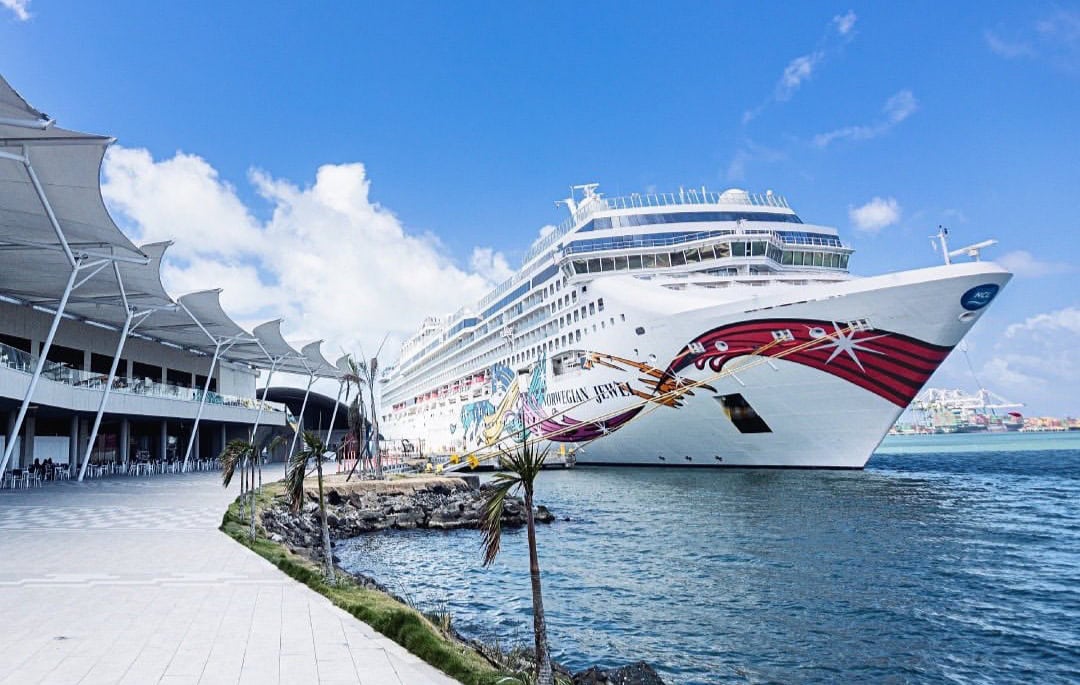
Operator-led day trips typically range from 10 to 12 hours, departing early in the morning from major hotels in Panama City and Playa Bonita, as well as cruise terminals in the capital and Colón. Comprehensive packages—such as those operated by regional specialists like Live Folks, priced upwards of $220 per person—generally include private air-conditioned transport, certified bilingual guides, bottled water, and entrance fees to historical sites like the Agua Clara locks and Fort San Lorenzo. Independent travelers relying on public buses from Albrook Terminal to Colón must budget additional time for local connections to Portobelo, making a pre-booked tour or private vehicle hire the most efficient choice for a single-day itinerary.
Culinary Heritage: The Flavors of Portobelo
No exploration of Panama’s Caribbean coast is complete without engaging with the region’s distinct Afro-Caribbean gastronomy. Too often, visitors bypass the village center of Portobelo, rushing directly from the colonial fortifications to the boat docks. Food historians emphasize that this oversight misses a vital dimension of the local identity.
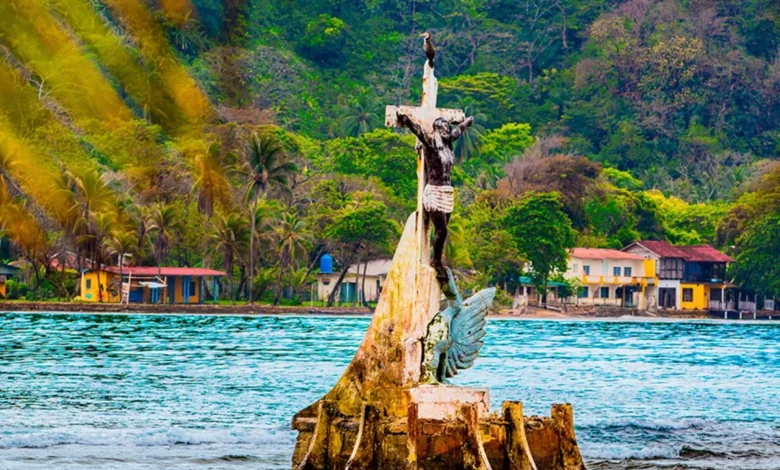
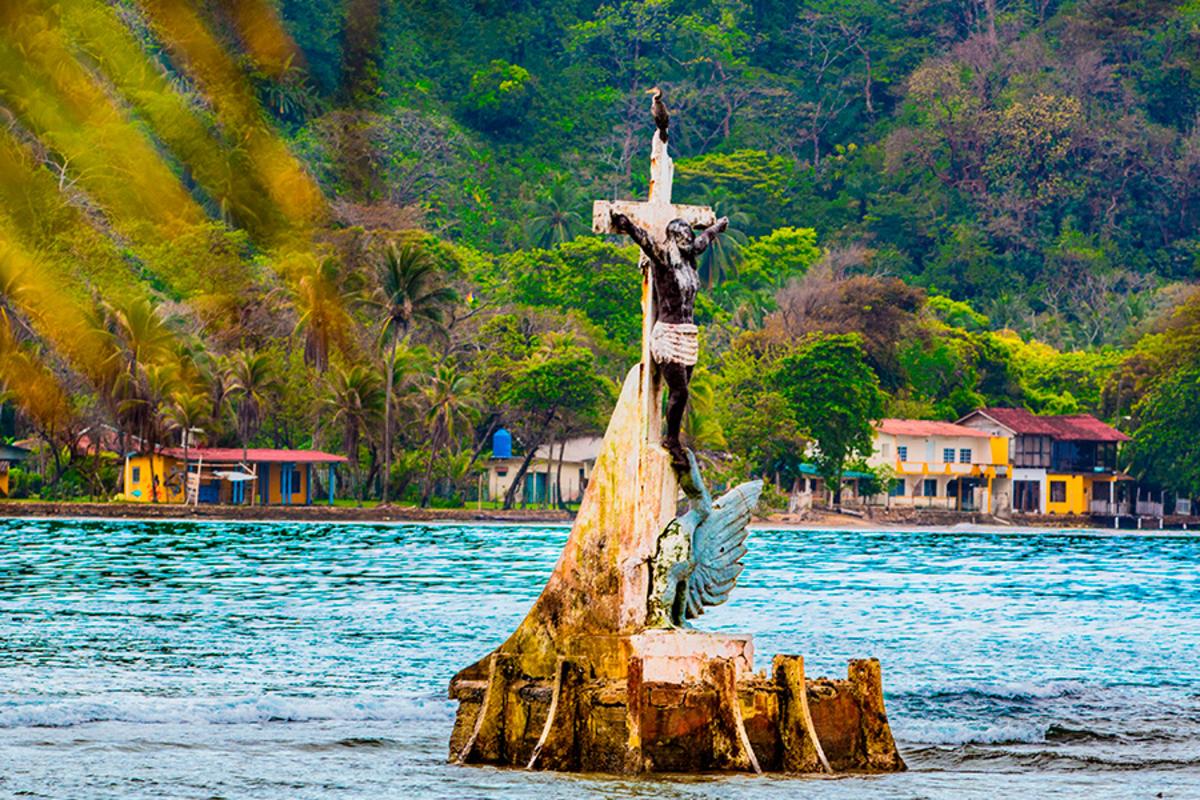
Portobelo’s culinary tradition relies heavily on coconut milk, fresh seafood, plantains, and aromatic root vegetables. Local dining establishments, known locally as fondas, serve staples such as rondón—a rich, savory seafood stew combining fish, crab, tubers, and coconut milk—alongside standard plates of whole fried fish, coconut rice, and patacones (twice-fried green plantains). Waterfront venues like Casa Congo Restaurante and Las Anclas offer travelers an opportunity to engage directly with local residents, whose oral histories preserve traditions such as the October pilgrimage of the Black Christ, thereby enriching the context of the physical landscape.
Comparative Analysis: Portobelo versus El Valle and Guna Yala
Travelers basing themselves in Panama City frequently weigh the Caribbean coast itinerary against two other prominent regional day trips: El Valle de Antón and Guna Yala (San Blas). Each option caters to fundamentally different traveler preferences and budgetary allocations.
| Expense Category | Portobelo and Venas Azules | El Valle de Antón | Guna Yala (San Blas) |
|---|---|---|---|
| Primary Transit | Included in packages or private hire | Public bus (~$9–$10 return) | Included in organized day tours |
| Core Activity Cost | Boat hire $35–$50 (excl. transport) | Attraction fees $3–$10 each | Day tour package $114–$225 |
| Dining Expenses | Billed separately; coconut rice is a side | Variable (local fondas to restaurants) | Lunch typically included in tour |
| Additional Fees | Minimal beach/dock fees (~$1) | Variable per nature reserve | Territorial entry fee ($22 foreign / $7 resident) |
| Optimal Approach | Pre-booked tour or public bus + boat | Independent bus travel and hiking | Comprehensive all-inclusive tour |
For travelers prioritizing marine biodiversity, colonial history, and cultural immersion, Portobelo and Venas Azules offer the most balanced profile. Conversely, El Valle de Antón—situated inside an extinct volcanic caldera—caters to hikers and nature lovers seeking a cooler mountain climate, accessible via economical public bus routes. Meanwhile, Guna Yala represents the premier destination for white-sand island-hopping and snorkeling within an autonomous indigenous territory, though it commands a significantly higher price point and strict community governance.
Seasonal Weather Patterns and Practical Planning
Navigating Panama’s Caribbean coast requires careful attention to seasonal precipitation cycles. While the country experiences distinct wet and dry seasons, the Caribbean slope receives significantly more rainfall throughout the year than the Pacific side.
The optimal window for maritime excursions and outdoor historical tours extends from mid-December through April, coinciding with the drier regional weather. February through April typically provides the most reliable sea conditions for boat transit into Venas Azules. Conversely, the rainy season from May through November brings lush tropical foliage and warmer temperatures, but afternoon downpours can severely impact water visibility, disrupt boat schedules, and limit access to remote jungle ruins. October and November mark the peak of the wet season, during which heavy precipitation can temporarily close outdoor attractions, though these months also host major cultural events such as the Festival of the Black Christ in Portobelo.
From a safety perspective, standard urban precautions apply. Travelers should keep valuable electronics secure, confirm all tour inclusions and maritime fees in advance, and maintain flexibility in their daily schedules to accommodate variable traffic conditions along the Transístmica Highway. By planning methodically and moving beyond the immediate perimeter of the Panama Canal, visitors uncover a vibrant, historically layered coastal frontier that defines the deeper narrative of modern Panama.