Exploring Turkey with a Baby and Toddler: A Comprehensive Guide to a Family-Friendly Mediterranean Adventure

Turkey has rapidly emerged as one of the premier destinations for international travelers seeking a blend of rich history, diverse landscapes, and warm cultural hospitality. For families navigating the complexities of international travel with infants and toddlers, the country offers a surprisingly accommodating environment. A recent two-week excursion across Istanbul, the Aegean coast, and Cappadocia serves as a case study for the logistical viability and cultural rewards of family-oriented tourism in the region.

The logistics of international travel with young children require meticulous preparation. Turkey’s infrastructure, particularly in major hubs like Istanbul, is vast and bustling. While the country is well-connected by air, the primary point of entry for many is Istanbul’s Sabiha Gökçen International Airport. Navigating the city upon arrival remains a critical challenge for parents. Local experts and experienced travelers advise against attempting to drive personally in Istanbul. The city’s complex traffic patterns, limited parking availability, and dense urban sprawl render car rentals counterproductive for short-term stays. Instead, travelers often opt for pre-arranged private transfers or verified taxi services. Services such as Welcome Pickups provide a distinct advantage for families, offering the ability to pre-book child safety seats and ensuring English-speaking drivers, which mitigates the stress of negotiating fares in a high-traffic environment.

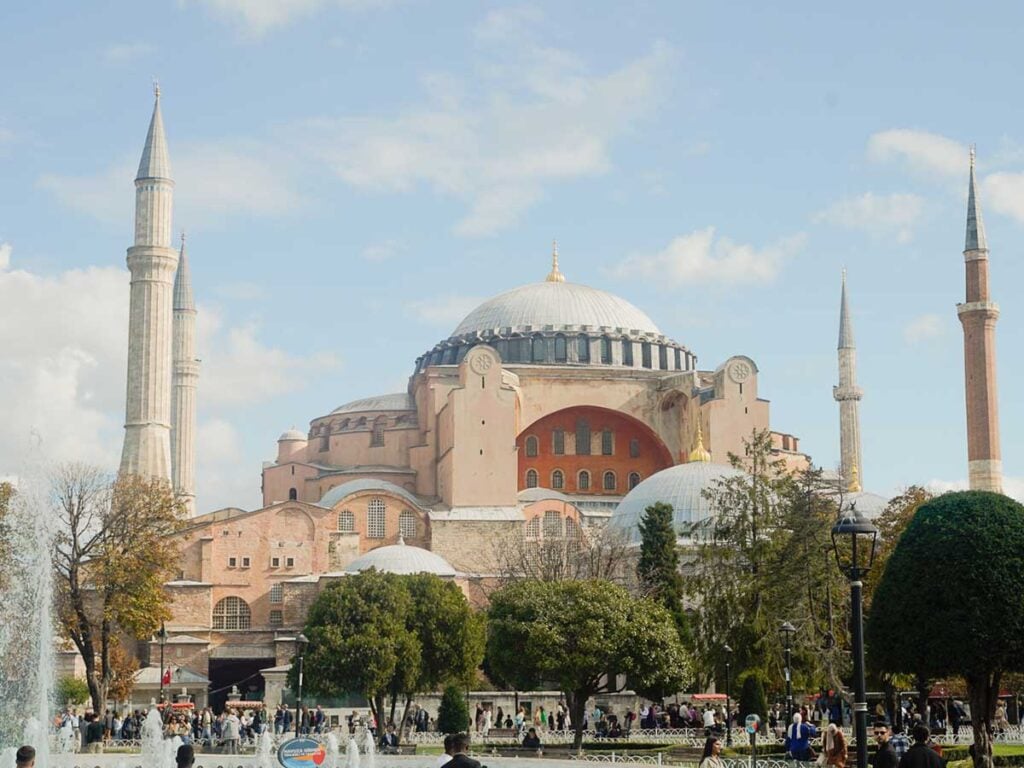
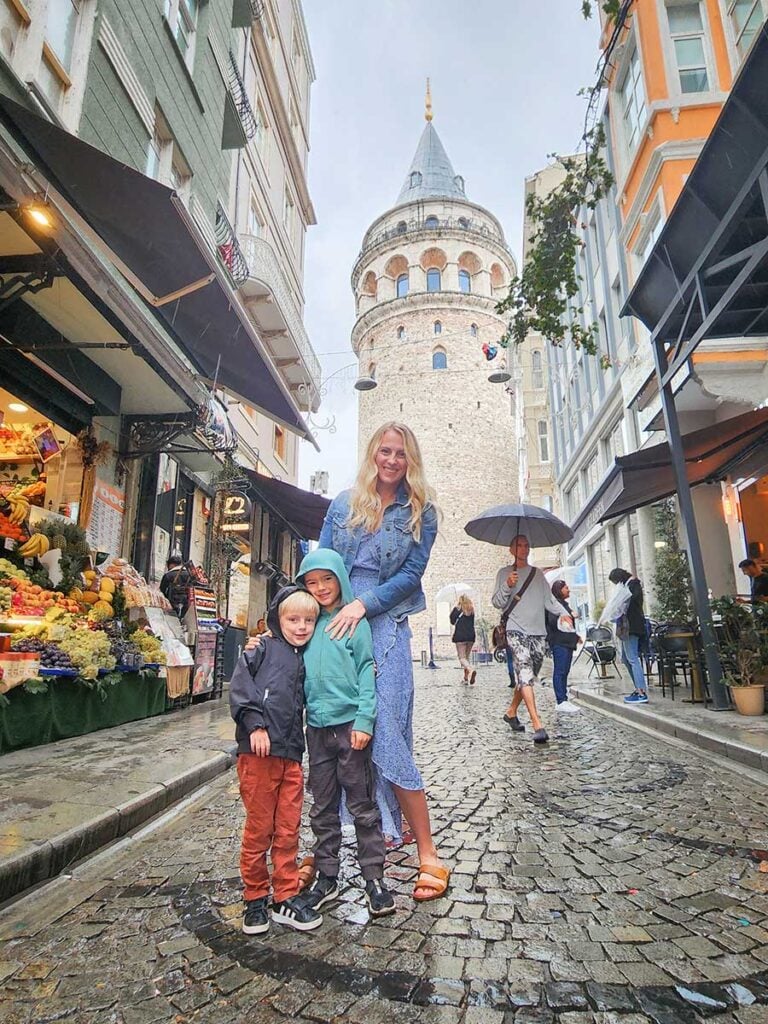
The historical significance of Istanbul, as a bridge between Europe and Asia, provides a unique educational backdrop, even for the youngest travelers. The city’s most prominent landmarks, such as the Hagia Sophia and the Blue Mosque, are architectural marvels that require strategic timing to visit with children. Historical data on tourism patterns in Istanbul indicates that cruise ship arrivals significantly impact crowd density at major sites. By scheduling visits to these landmarks in the late afternoon—typically after 5:00 PM—families can avoid the peak congestion that often leads to multi-hour wait times. Furthermore, while stroller accessibility is restricted inside many of these ancient structures, the use of ergonomic baby carriers is a standard and widely accepted practice that allows for mobility while maintaining proximity to the child.
Cultural etiquette in Turkey plays a vital role in the experience of family travel. The country possesses a deep-rooted tradition of valuing children, often reflected in the public’s response to young visitors. In Turkish society, it is common for strangers to offer gestures of warmth, such as touching a child’s cheek or offering small tokens of affection. The phrase Mashallah, a common expression of gratitude and protection, is frequently heard. This cultural nuance provides a sense of community support that is often absent in more individualistic Western travel destinations. Business owners, such as rug merchants and café proprietors, frequently integrate children into the social fabric of their shops, often serving tea and sweets to younger guests, reinforcing a cultural philosophy that people are to be prioritized over transactional interactions.

Beyond the urban center of Istanbul, the Aegean coast offers a distinct shift in pace, characterized by archaeological wonders and Mediterranean relaxation. The city of Izmir serves as an ideal gateway for a regional road trip. Unlike Istanbul, this area is highly conducive to renting a vehicle, which provides the autonomy necessary for traveling with young children. A logical itinerary for the Aegean region includes the coastal town of Çeşme, celebrated for its clear waters and beach-side amenities, and the inland wonder of Pamukkale.

Pamukkale, a UNESCO World Heritage site, represents one of Turkey’s most significant geological features. The site consists of white travertine terraces formed by calcium-rich mineral springs. The adjacent ancient city of Hierapolis offers a profound look into Roman history, with ruins that are largely accessible to families. The thermal pools, including the legendary Cleopatra’s Pool, remain a major draw for tourists. Scientific observation of these sites suggests that while they are historically resilient, they require careful navigation, especially for toddlers, due to the natural terrain. Preparing with appropriate footwear and standard swimming gear is essential for maximizing the experience at these natural hot springs.

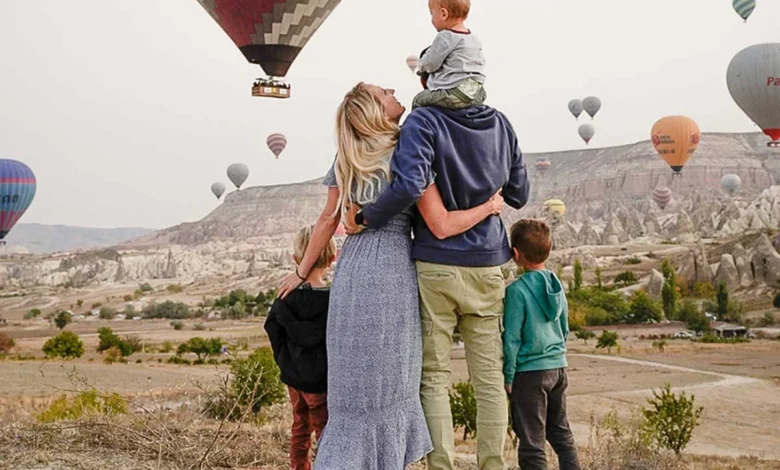
The final leg of a comprehensive Turkish itinerary typically leads to Cappadocia, a region defined by its volcanic landscape and historical ingenuity. Located in central Turkey, this area is famous for its "fairy chimneys"—tall, cone-shaped rock formations—and expansive underground cities. For families, the region offers the unique experience of staying in cave hotels, which are often carved directly into the volcanic tuff. These accommodations provide not only a unique historical immersion but also practical benefits, such as natural insulation and distinctive, secure room configurations that can be safer for mobile toddlers than traditional high-rise hotels.

The chronology of a Cappadocia visit usually prioritizes the early morning hours, which are dominated by the spectacle of hundreds of hot air balloons ascending at sunrise. While many children under the age of six are restricted from boarding these flights due to safety regulations, the experience of viewing them from the ground is considered a cultural highlight. Strategic viewing points, identified through digital mapping tools, allow families to observe the balloons at close range without the risks associated with the flight itself. This, combined with visits to the Göreme Open Air Museum, provides an educational and visually stimulating environment for young children.

From a broader economic and social perspective, the rise in family-centric tourism in Turkey has prompted an evolution in the hospitality sector. Hotels and service providers are increasingly adopting family-friendly policies, ranging from the provision of specialized amenities to more flexible dining arrangements. This shift is not merely a service improvement but a reflection of the country’s broader strategy to diversify its tourism portfolio, moving beyond traditional sightseers to attract longer-stay, high-value family travelers.
However, the implications of such travel go beyond the hospitality industry. The integration of young families into the Turkish travel landscape fosters a cross-cultural exchange that challenges traditional stereotypes about travel in the Middle East. By exposing children to the diverse, vibrant, and welcoming nature of Turkish culture, parents are contributing to a more nuanced understanding of the region.

Ultimately, a successful two-week trip through Turkey with infants and toddlers relies on the balance between ambitious exploration and the recognition of children’s physiological needs. The transition from the bustling, historic streets of Istanbul to the serene, natural beauty of the Aegean coast, and finally to the surreal, geological wonder of Cappadocia, demonstrates that Turkey is a versatile destination. While the logistical demands—such as managing transportation, adhering to cultural norms, and planning for daily naps and hydration—are significant, the result is an enriched travel experience.

For future travelers, the recommendation remains consistent: prioritize flexibility. The ability to pivot plans based on the temperament of the children, while maintaining a firm grasp on the fundamental logistics of transport and accommodation, is the hallmark of successful family travel. As Turkey continues to refine its infrastructure and maintain its reputation for exceptional hospitality, it will likely remain a top-tier destination for families seeking an adventure that is both deeply historical and profoundly welcoming. The memories created in such a landscape—from the morning ritual of watching balloons over the fairy chimneys to the shared experiences in the quiet corners of ancient ruins—serve as a testament to the enduring appeal of Turkey as a global center for family-inclusive travel.