Culinary Tourism Surge in Northern Malaysia Highlights Kelantanese Nasi Ulam as a Regional Gastronomic Anchor

The northernmost peninsular state of Kelantan, Malaysia, has increasingly established itself as a premier destination for culinary tourism, anchored by its signature dish, Nasi Ulam—often translated as "Herb Rice." While Malaysia is widely recognized internationally for multicultural street food staples such as Nasi Lemak and Nasi Kerabu, the distinct agrarian and coastal traditions of Kelantan offer a unique regional flavor profile that merges jungle-foraged produce with abundant maritime harvests. Central to this culinary landscape is D’Umi Nasi Ulam, a prominent local establishment situated near the Thai border, which has drawn both domestic travelers and international food researchers seeking authentic preparations of northern Malay cuisine.
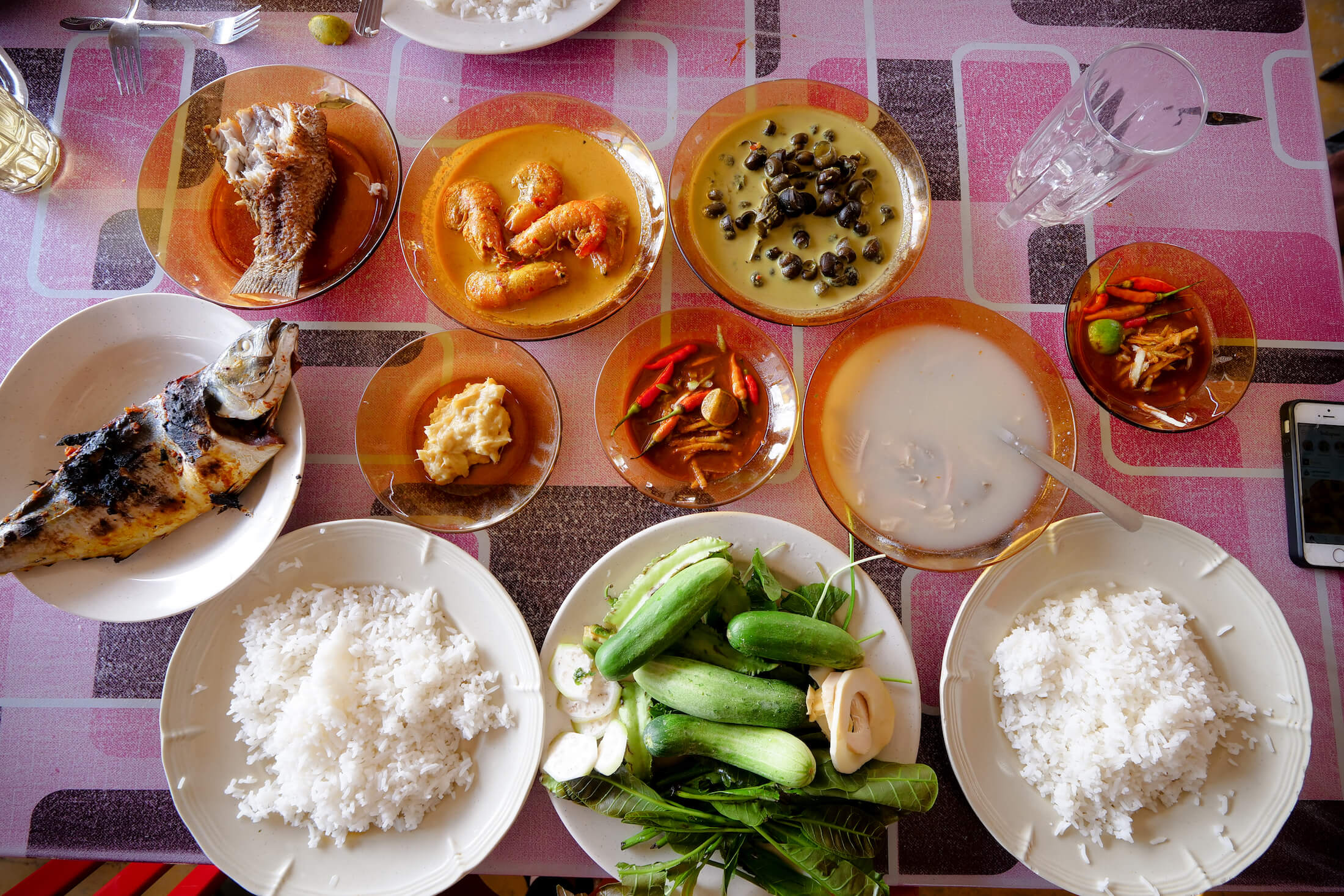
The Anatomy of Nasi Ulam: Ingredients and Nutritional Profile
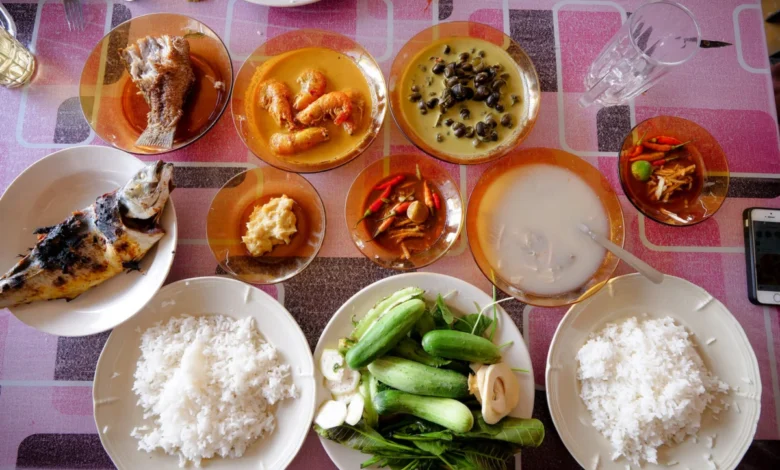
Nasi Ulam is fundamentally defined by its integration of white rice with a voluminous assortment of raw herbs, foraged greens, and fermented accompaniments. Unlike standard rice dishes, the vegetable component often outweighs the grain in sheer volume, reflecting traditional dietary practices that emphasize locally gathered flora.
At restaurants like D’Umi Nasi Ulam, the botanical selection includes jungle pepper (Piper sarmentosum), cashew tree leaves, mango tree leaves, Indian pennywort (Centella asiatica), Vietnamese mint, and betel nut leaves. Nutritional and anthropological studies of traditional Southeast Asian diets indicate that these raw greens provide significant dietary fiber, antioxidants, and micronutrients.

Complementing the herbaceous base are foundational condiments unique to the East Coast of Peninsular Malaysia, specifically Kelantan and Terangganu. Chief among these is Budu, a traditional fermented anchovy sauce rich in umami and halophilic probiotic bacteria. Historical food preservation methods in the region relied on high-salinity fermentation to store surplus catches from the South China Sea, yielding a liquid seasoning comparable in function to Southeast Asian fish sauces or fermented fish pastes, yet distinct in its deep, earthy profile.
Furthermore, the cuisine makes extensive use of Tempoyak, a fermented durian paste produced by preserving durian flesh with salt in sealed containers over several days or weeks. When combined with Budu, bird’s eye chilies, and lime juice, Tempoyak forms a complex, high-acidity dip that cuts through the richness of grilled marine proteins.

Chronology and Operational Logistics at D’Umi Nasi Ulam
Operating in a border zone has shaped the unique business hours and logistical framework of D’Umi Nasi Ulam. Strategically positioned along key transportation routes utilized by cross-border commercial freight and night-transit logistics operators traveling between Thailand and Malaysia, the establishment deviates from standard daytime dining hours. While peak operations center around the traditional midday meal service, the restaurant maintains extended operations, remaining open until 5:00 AM daily, with closures observed on Fridays in accordance with state observances in Kelantan.
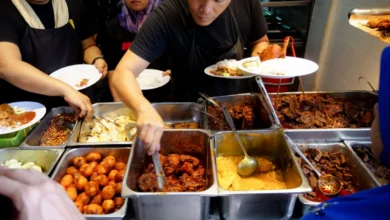
Diners navigating the establishment typically engage in a cafeteria-style selection process. Patrons first select protein mains from a rotating display of fresh catches—including oversized ocean shrimp cooked in coconut-based turmeric curries, sea shells prepared in spiced broth, and Ikan Bakar (grilled fish, predominantly large mackerel)—before proceeding to assemble customized vegetable platters and condiment bowls.

The preparation of Ikan Bakar at the restaurant diverges from central and southern regional practices found in Kuala Lumpur or Melaka. Rather than applying chili sambal exclusively to the exterior of the fish, local culinary techniques involve stuffing the spice paste directly into the cavity of the mackerel before secondary grilling. This method allows the woodsmoke and aromatic spices to permeate the thick white flesh from the inside out, enhancing flavor retention in mature, oily fish species.
Socio-Economic and Cultural Implications of Kelantanese Gastronomy
The growing emphasis on Kelantanese cuisine within Malaysia’s broader tourism strategy reflects a deliberate shift toward promoting regional heritage as an economic driver. According to tourism data from the Ministry of Tourism, Arts and Culture Malaysia, gastronomic tourism constitutes a substantial percentage of domestic travel expenditures, with regional specialties serving as primary motivators for interstate mobility.

Food historians and cultural anthropologists note that Kelantan’s cuisine bears distinct geographic and historical influences from neighboring Southern Thailand, resulting in a flavor palette characterized by heightened acidity, salinity, and heat compared to the milder, coconut-milk-heavy dishes of the western coast. The reliance on fermentation techniques—such as those seen in Budu and Tempoyak—underscores historical reliance on food preservation methods designed to withstand tropical climates prior to widespread refrigeration.
Public health perspectives have also increasingly focused on traditional Malay diets. Nutritionists point out that the high consumption of raw herbs (ulam) and fermented probiotics aligns with contemporary dietary recommendations favoring unrefined plant foods and gut health-supporting fermented items. However, public health officials also note that high sodium levels in fermented condiments like Budu require moderation for individuals managing hypertension or cardiovascular conditions.

Industry Reception and Future Outlook
Culinary researchers and travel journalists document D’Umi Nasi Ulam as a benchmark for traditional Kelantanese dining, noting that despite commercial modernization, establishments in the Kota Bharu area preserve labor-intensive preparation methods. The sourcing of wild-foraged leaves and the meticulous maintenance of multi-month fermentation vats for Budu and Tempoyak rely on generational knowledge passed down through local culinary practitioners.
As regional tourism infrastructure continues to develop under national economic frameworks, destinations offering hyper-local culinary heritage are expected to see sustained interest. For travelers navigating Northern Malaysia, culinary institutions like D’Umi Nasi Ulam provide empirical insight into the intersection of geography, trade, and dietary evolution in Southeast Asia.