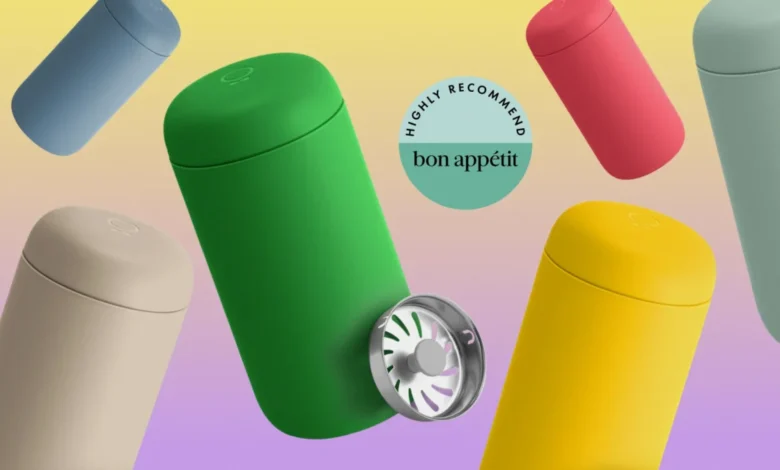
The evolution of portable beverage technology has undergone a significant transformation over the last decade, shifting from utilitarian, industrial-grade thermos designs to lifestyle-focused accessories that prioritize the sensory experience of the consumer. At the forefront of this shift is the Fellow Carter Move Mug, a product that has gained significant traction in both the specialty coffee industry and the broader consumer goods market. Developed by the San Francisco-based company Fellow, this vessel represents a departure from traditional travel mug design, focusing on the preservation of flavor, aromatics, and heat retention through advanced engineering.
The Origins of Fellow and the Design Philosophy
Founded 13 years ago by Jake Miller, Fellow initially established its reputation by disrupting the home brewing space with high-end gooseneck kettles and precision grinders. Miller’s vision was to bridge the gap between laboratory-level coffee equipment and consumer-friendly design. However, as the brand matured, the company identified a recurring pain point among its customer base: while enthusiasts could brew café-quality coffee at home, existing travel mugs often compromised the final product due to metallic aftertastes, poor heat retention, or lids that obstructed the aroma.
The development of the Carter Move Mug began as an attempt to translate the experience of drinking from a ceramic cup or a wine glass into a portable format. Miller and his design team sought to solve the "lid-gasket" dilemma—a common failure point in the thermal mug industry that often leads to leaks or heat loss. By focusing on the ergonomics of the drinking lip and the internal coating of the vessel, the team moved away from the standard stainless-steel interiors that often impart a metallic tang to hot beverages.
Chronology of the Product’s Market Penetration
The product’s trajectory mirrors the growth of the third-wave coffee movement, which emphasizes the origin and roasting profile of beans.
- 2011: Fellow is founded in San Francisco with a focus on brewing hardware.
- 2018-2019: Following years of development, Fellow launches the Carter series, specifically targeting the commuting professional who demands high-quality coffee on the go.
- 2020: The COVID-19 pandemic alters consumer habits, as home brewing and "take-away" culture become the primary way individuals consume coffee. The Carter Move Mug sees a surge in demand as remote workers look for premium desk accessories.
- 2021-2024: The brand expands its color palette and introduces modular accessories, such as splash guards and specialized lids, responding to direct consumer feedback and data collected through social media engagement and customer support channels.
Technical Engineering and Material Science
The performance of the Carter Move Mug is rooted in vacuum insulation physics. Vacuum insulation works by removing air from the space between two stainless steel walls. This prevents heat transfer through conduction and convection, which are the primary ways that thermal energy escapes from a liquid to the environment.
The interior of the mug is finished with a true ceramic coating. This is a critical distinction from standard insulated mugs, which often feature exposed stainless steel. Stainless steel is reactive; when hot, acidic liquids like coffee come into contact with it, ions can be released, resulting in a metallic taste. The ceramic barrier ensures that the flavor profile—the "notes" and "acidity" of the bean—remains unaltered, a priority for specialty coffee consumers.
Furthermore, the design of the drinking lip mimics the taper of a wine glass. This allows for a more open drinking experience, which is essential for capturing the aroma of the coffee. According to sensory science, a significant portion of what humans perceive as "flavor" is actually olfactory input. By allowing the steam to reach the nose more effectively than a standard "sippy-cup" style lid, the mug facilitates a more nuanced sensory experience.
Market Implications and Consumer Trends
The success of the Carter Move Mug reflects a broader trend in the kitchenware market: the "premiumization" of everyday objects. Consumers are increasingly willing to pay a premium—often between $30 and $35—for items that serve a dual purpose of high-level utility and aesthetic appeal.
Industry analysts suggest that the rise of brands like Fellow is part of a "democratization of luxury." While the average price of a standard travel mug might range from $10 to $15, the specialty coffee consumer views the vessel as an essential component of their daily ritual. The willingness of consumers to invest in these higher-end products suggests that the market is moving away from disposable culture. By providing a durable, high-performance container, companies are aligning with the growing consumer demand for sustainability and waste reduction.
Customer-Driven Iteration
Jake Miller has frequently noted that the evolution of the Carter line is largely driven by user data. For instance, the introduction of a splash guard—a small, removable component that prevents liquid from sloshing out during movement—was a direct response to commuters reporting spills while walking or driving.
The integration of a cup-holder-friendly base size was another calculated decision, acknowledging that for many, the travel mug is not just a desk ornament but a mobile tool. By keeping the design modular, Fellow has managed to keep the product relevant in a fast-paced market. Accessories like straws for iced coffee and alternative lid designs allow the user to customize their experience, effectively extending the lifecycle of the product and reducing the likelihood of the consumer needing to purchase a new, different mug.
Performance Under Extreme Conditions
Field reports and testing suggest that the vacuum seal on these units is among the most effective in the industry. The design of the gasket-tight lid is specifically intended to minimize heat loss, which is usually the weakest point in any thermal container.
In controlled environments, the mug has demonstrated the ability to maintain internal temperatures for extended durations, even in sub-freezing temperatures. This level of insulation is attributed to the thickness of the double-walled vacuum cavity and the precision-engineered seal of the lid. For the consumer, this translates to a product that is not just a container, but an active thermal regulator.
Broader Impact on the Coffee Industry
The impact of the Carter Move Mug extends beyond its own sales figures; it has influenced how coffee shops interact with their customers. Many independent cafes now offer discounts for customers who bring their own mugs, and the "aesthetic" of the Carter mug has made it a staple in the social media feeds of coffee influencers. This has created a virtuous cycle for Fellow, as their product becomes a visual signifier of the user’s commitment to quality coffee.
As the industry moves forward, the focus will likely remain on integrating sustainable materials and further refining the user experience. The success of this specific model suggests that there is a significant, underserved market for products that treat coffee consumption with the same level of seriousness as wine or craft beer appreciation.
Ultimately, the Carter Move Mug serves as a case study for modern product design: by identifying a niche need, leveraging advanced material science to improve the sensory experience, and maintaining a constant feedback loop with the user base, a company can transform a commodity item into an essential lifestyle accessory. As urban mobility and coffee culture continue to intersect, the demand for high-performance, aesthetically pleasing, and flavor-preserving vessels is only expected to grow.