Mastering the Art of Family Photography with Toddlers: Expert Strategies for Stress-Free Travel Portraits

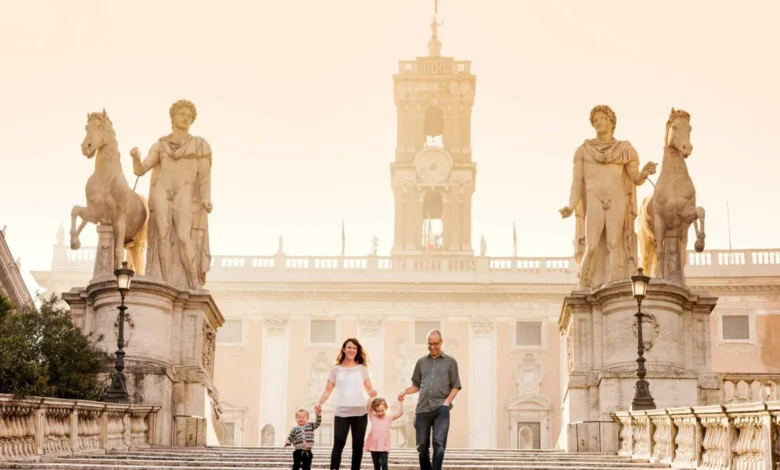
Capturing high-quality family photographs while traveling with a toddler presents a unique intersection of logistical challenges and creative demands. Parents frequently find that the spontaneity of childhood development, combined with the unpredictable nature of travel environments, can transform a standard portrait session into a stressful ordeal. However, by shifting the focus from rigid, posed photography to a more fluid, documentary-style approach, families can secure high-quality imagery that serves as a lasting record of their formative travel experiences. This guide synthesizes professional techniques and industry-standard practices to assist parents in navigating the complexities of photography with young children.

The Psychological and Logistical Dynamics of Toddler Photography
The primary challenge in photographing toddlers lies in their limited capacity for sustained attention and their frequent resistance to structured tasks. Professional photographers operating in the family travel sector emphasize that a successful session is predicated on managing expectations. Unlike adult portraiture, which relies on conscious cooperation, child-focused photography requires the photographer to adapt to the child’s pace and emotional state.
Industry data suggests that children between the ages of 18 and 36 months operate best within windows of high alertness, typically occurring shortly after the start of the day. Forcing a session during periods of fatigue or hunger is statistically correlated with a higher rate of behavioral distress. Consequently, the consensus among professionals is that early-morning scheduling is the most effective mitigation strategy for potential disruptions.

Chronology of a Successful Session: Strategic Planning
The methodology for a successful family photoshoot begins long before the camera is engaged. A well-structured timeline involves:
- Pre-Session Preparation (Weeks Prior): Researching local photographers who specialize in candid, natural light photography. Booking these professionals at least four to six weeks in advance ensures alignment with local golden hour timing—the period shortly after sunrise when the light is most diffuse and flattering.
- Environmental Selection (Days Prior): Choosing locations that align with the child’s interests. If a toddler exhibits curiosity toward nature, a park or a botanical garden is preferable to a crowded, high-traffic monument. This reduces the child’s anxiety and encourages organic movement.
- The Session Day (Execution): The session should be treated as a playdate rather than a performance. Allowing the child to arrive with familiar comfort items—such as a favorite snack or toy—provides the photographer with "props" that encourage natural interaction rather than forced engagement with the lens.
- Post-Production (Review): Allowing the child to participate in the selection process can foster a positive association with the experience, ensuring that future sessions are met with enthusiasm rather than apprehension.
Data-Driven Approaches to Lighting and Location
Lighting remains the most critical technical factor in professional photography. The "golden hour," defined by the sun’s low position in the sky, minimizes harsh shadows and reduces the likelihood of "raccoon eyes" under the brow. In Mediterranean or tropical climates, the period between 11:00 AM and 3:00 PM is often avoided due to high-contrast overhead light, which can create unappealing shadows on facial features.

Furthermore, location selection serves as a logistical tool. By opting for early-morning sessions at major landmarks, families can benefit from lower tourist density. This not only results in cleaner backgrounds that emphasize the subjects but also provides the toddler with a wider, safer space to explore without the interference of crowds, which can be overwhelming for a young child.
Professional Perspectives on Candid vs. Posed Imagery
The shift toward "documentary family photography" represents a significant evolution in the industry. Where previous generations favored studio-style, static portraiture, current trends prioritize the "lived experience." Professional photographers emphasize that the most valuable images are those that capture a child’s genuine reaction to their environment.

In statements regarding best practices, photographers often note that "the camera is a third wheel." By encouraging parents to interact with their children—playing, walking, or talking—rather than looking directly at the camera, the photographer can capture authentic expressions. This technique bypasses the "forced smile" phenomenon, which often occurs when children are explicitly told to pose.
Mitigating Stress: The Role of Parental Composure
A significant factor often overlooked in family photography is the emotional state of the parents. A study of family dynamics during travel suggests that children mirror parental anxiety. If a parent is visibly frustrated by a child’s lack of cooperation, the child is likely to escalate their behavior.

Professional advice dictates that the parent’s role during the session is to facilitate, not to manage. If a child begins to exhibit distress, the most effective response is a brief intermission—a pause to eat, drink, or engage in a non-photo activity. This "reset" allows the child to recalibrate their mood. Photographers who specialize in this field view these pauses not as lost time, but as essential components of the workflow, as they often lead to the most relaxed and natural imagery of the entire session.
Economic and Cultural Implications of Professional Travel Photography
The rise of on-demand photography platforms, such as Flytographer, has democratized access to professional portraiture in global destinations. This shift has broader implications for the travel industry, as families increasingly prioritize "experience-based" souvenirs over material goods. A professional, one-hour session in a foreign city can cost between $200 and $500, a price point that many families now weigh against the value of long-term memory preservation.

From a sociological perspective, the documentation of family travel serves as a tool for reinforcing familial bonds and chronicling the developmental milestones of children against the backdrop of global exploration. As digital consumption increases, the demand for high-quality, professionally curated imagery has surged, leading to the integration of such services into mainstream travel planning.
Conclusion: Adapting to the Unpredictable
The overarching lesson for parents planning family photography with a toddler is the importance of flexibility. While technical expertise in lighting, composition, and location scouting remains the domain of the professional, the success of the images ultimately rests on the ability of the adults involved to maintain a lighthearted, patient environment.

By prioritizing the child’s comfort, scheduling around natural energy cycles, and embracing the chaotic, unpredictable nature of toddlers, families can produce a portfolio of images that transcend the standard "tourist photo." The result is a historical, high-quality document of a family’s journey—one that captures not just the location, but the emotional landscape of the trip itself. As global travel continues to integrate with personal photography, the ability to effectively manage these sessions will remain an essential skill for the modern, travel-oriented family.