Open Tab: Digital Vulnerabilities, Legislative Shifts, and the Changing Landscape of Modern Consumer Culture

The intersection of technology, public policy, and evolving social dynamics has created a complex environment for consumers and businesses alike. From the systemic risks posed by cyberattacks on critical infrastructure to the legislative battles shaping the food industry and the sociological shifts impacting personal relationships, this week’s developments reflect a broader period of transition. As digital connectivity deepens, the vulnerabilities of our physical infrastructure—specifically the food supply chain—have become increasingly apparent, while local political victories are recalibrating the cultural norms surrounding culinary traditions and economic identity.
The Emerging Threat of Industrial Refrigeration Hacking
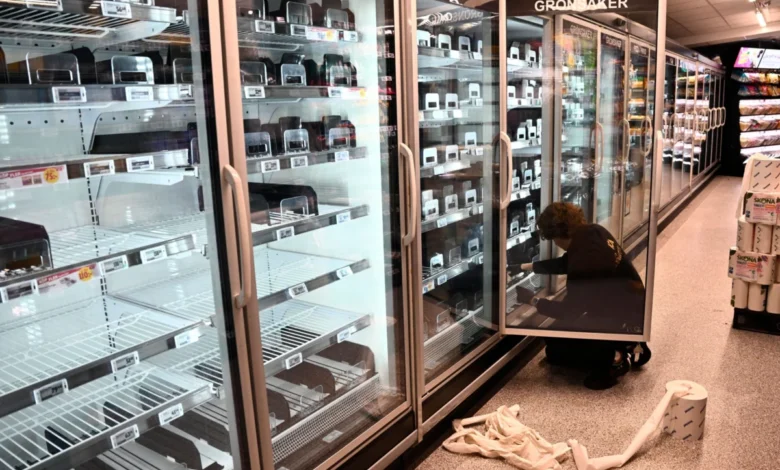
A wave of sophisticated cyberattacks targeting industrial refrigeration systems across Europe has signaled a new frontier in cyber-warfare. Over the past seven days, dozens of supermarkets in seven countries have reported unauthorized access to their climate control systems. In a coordinated disruption, hackers remotely shifted commercial freezers into defrost mode, causing temperatures to spike to as high as 122 degrees Fahrenheit (50 degrees Celsius). This systematic sabotage has resulted in the loss of significant quantities of perishable inventory, causing substantial financial damage to retailers.
The timeline of these events began roughly three weeks ago, when similar incidents were reported in France. These initial breaches served as a precursor to the wider European campaign observed this week. Security experts are currently working to trace the origins of these intrusions, though the perpetrators remain unidentified. Analysts from various cybersecurity firms have suggested that the complexity of the attacks indicates either state-sponsored actors—with Russia and Iran frequently cited as entities of interest—or highly skilled, politically motivated hacktivists. However, the possibility of decentralized actors or juvenile actors engaging in high-stakes pranks has not been ruled out.
The United States has not remained insulated from these threats. In August, the Department of Defense reported suspicious malfunctions at six military installations across the country, involving similar refrigeration technology. The Pentagon has since initiated a formal investigation into these events as potential cyber-sabotage. In response, the FBI issued an urgent advisory on Thursday, warning domestic retailers and infrastructure operators of "malicious cyber activity targeting industrial refrigeration and cold-chain monitoring systems." This warning underscores the potential for systemic instability if such vulnerabilities are not addressed. Experts argue that the reliance on interconnected IoT (Internet of Things) devices within commercial cold chains has created a massive, often under-secured attack surface that requires urgent, industry-wide hardening.
Legislative Shifts: The Washington, D.C. Foie Gras Ban
In the legislative sphere, the recent midterm election results in Washington, D.C., were accompanied by a significant ballot initiative that will fundamentally alter the city’s culinary landscape. Voters approved a measure to ban both the sale and production of foie gras, a delicacy traditionally produced by force-feeding ducks or geese. The move marks a victory for animal welfare advocates who have long campaigned against the practice, citing it as inhumane.
The ban, scheduled to take effect on July 1, 2027, has triggered a contentious debate among local restaurateurs, legal experts, and city officials. Critics of the measure, including prominent chefs, argue that the ban is an infringement on culinary freedom and an unnecessary intrusion into the marketplace. Legal challenges are already in the planning stages; a major New York-based foie gras producer has publicly announced its intent to sue, arguing that the legislation is unconstitutional. Furthermore, the implementation of the ban faces significant fiscal hurdles. The D.C. Chief Financial Officer has projected that enforcement and administrative oversight will cost the district upwards of $300,000 over four fiscal years—a sum that is currently absent from the approved budget.
Despite the legislative mandate, industry pushback remains intense. Bart Hutchins, a chef and co-owner of Butterworth’s, has publicly declared his intent to continue serving the product, setting the stage for a potential civil disobedience campaign within the D.C. restaurant scene. The conflict highlights a growing friction between local regulatory efforts and established culinary practices, raising questions about the enforceability of lifestyle-based legislation in an urban environment.
The Sociological Impact of GLP-1 Medications on Relationships
Beyond infrastructure and policy, the rapid adoption of GLP-1 receptor agonists—a class of drugs primarily used for diabetes management and weight loss—is creating ripples in the domestic sphere. As these medications become more accessible, researchers are beginning to observe "GLP-1 gap relationships," a term describing the strain placed on partnerships when one individual undergoes a significant physiological change that the other does not share.
The Washington Post recently documented how these medical interventions can disrupt established household routines, particularly regarding dining habits and social life. The transition to a GLP-1 medication often necessitates a complete overhaul of an individual’s relationship with food, which can inadvertently create friction in relationships where shared meals are a primary bonding activity.
While clinical data on the long-term impact of these drugs on divorce rates is currently insufficient, psychologists are looking to historical data from bariatric surgery patients for context. Statistics regarding bariatric procedures suggest that couples face a higher risk of divorce following the surgery, often due to the shifting power dynamics and changing identity markers associated with rapid weight loss. The phenomenon serves as a case study in how medical advancements can have unintended sociological consequences, necessitating a more comprehensive approach to patient counseling that includes their support systems.
Economic Symbolism in Political Victory
The recent midterm elections also served as a backdrop for a symbolic moment in American political culture. As Democrats celebrated a wave of victories, including the historic election of Michigan’s first Muslim senator, New Hampshire’s first openly gay senator, and Georgia’s first Black woman governor, the flipping of Texas from red to blue captured significant media attention.
The celebration of Senator-elect James Talarico and Governor-elect Gina Hinojosa at a Whataburger location became a viral image, serving as a potent symbol of "affordability politics." In an era of high inflation and economic anxiety, the choice to celebrate a major political milestone at a fast-food chain resonated with voters who feel disconnected from the elite political establishment.
This act was more than a mere photo opportunity; it functioned as a deliberate alignment with the working-class demographic that was central to the Democratic platform this cycle. By grounding their victory in a common, accessible cultural institution, the candidates effectively communicated an understanding of the economic realities facing their constituents. This incident highlights the ongoing importance of "relatability" in political branding and suggests that, in a polarized climate, the most effective symbols are often those rooted in the everyday experiences of the electorate.
Broader Implications and Future Outlook
The events of this week—ranging from the high-tech vulnerability of our food supply to the deeply personal shifts caused by medical advancements—illustrate the volatility of the current era. The refrigeration hacks, in particular, demonstrate that as our infrastructure becomes more digitized, it also becomes more susceptible to disruption, requiring a shift in how both the private and public sectors approach cybersecurity.
Simultaneously, the D.C. foie gras ban and the discourse surrounding GLP-1 relationships reflect a society in the midst of negotiating its values. Whether through legislative action or personal medical choice, individuals and communities are constantly recalibrating their boundaries. As these issues continue to develop, the role of clear, fact-based reporting becomes essential in distinguishing between transient cultural trends and systemic shifts that will define the coming decade. The intersection of these disparate stories—cyber-threats, legislative reform, and human behavior—reminds us that progress is rarely linear and that every technological or political gain carries with it a new set of challenges that must be addressed with transparency and foresight.