The annual tradition of Thanksgiving serves as a cornerstone of American culture, characterized by a massive communal consumption of food that often leads to significant physiological discomfort. As the holiday approaches, millions of Americans engage in extensive meal planning, often spending days in the kitchen preparing elaborate feasts. This culinary marathon frequently concludes with a common, yet seldom discussed, physical phenomenon: acute abdominal distension and the subsequent need for restrictive clothing relief. For many, the transition from the dining table to a state of sedentary recovery is complicated by the choice of attire. Rigid, high-waisted denim and structured trousers, while aesthetically appropriate for formal gatherings, are often cited as the primary contributors to post-meal malaise.

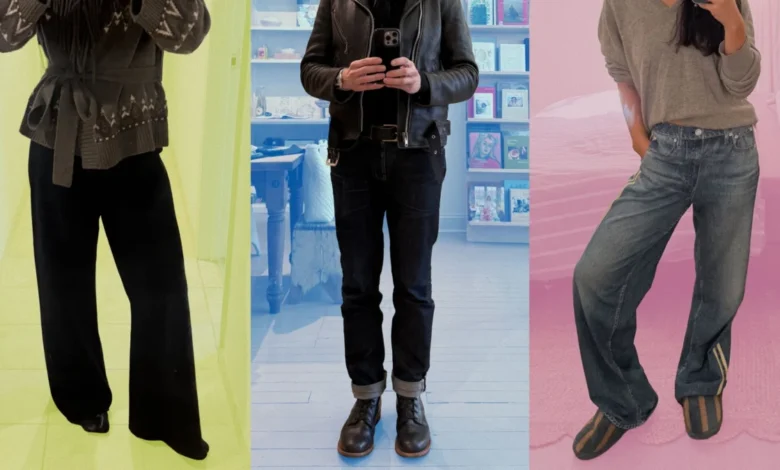
In recent years, a shift in fashion preferences has emerged, reflecting a growing consumer demand for garments that bridge the gap between polished, social-ready attire and the functional comfort of loungewear. This trend has gained significant traction among professionals, including editors at major food and lifestyle publications, who are increasingly prioritizing ergonomic design in their wardrobe selections for long-duration meals and social functions.
The Physiology of the Post-Meal Bloat
The sensation of being "too full" is more than a subjective feeling; it is a clinical reality rooted in the body’s digestive process. When an individual consumes a large, calorie-dense meal—such as a traditional Thanksgiving dinner—the stomach expands to accommodate the volume of food. This physical expansion is often exacerbated by the intake of carbonated beverages, sodium-rich foods, and complex carbohydrates, which can lead to gas production and fluid retention.

When an individual is wearing a non-stretch, high-waisted garment, the waistline acts as a physical barrier to the natural expansion of the abdomen. This constriction can increase intra-abdominal pressure, potentially hindering digestion and causing discomfort. Medical professionals often suggest that wearing loose-fitting or elasticized clothing can mitigate these symptoms, allowing the digestive system to function without external mechanical impedance.
The Evolution of "Polished Comfort"
The fashion industry has responded to this need by innovating with textiles and construction methods that mimic the look of structured clothing while providing the mechanical advantages of activewear. Key to this development is the integration of high-stretch fibers, such as elastane (Spandex), and the adoption of innovative manufacturing techniques, including digital fabric printing.

For example, high-end brands like Rag & Bone have utilized digital printing technology to apply the visual texture of denim—complete with artificial stitching, button details, and pocket shadowing—onto soft cotton terry fabrics. This "denim-look" apparel provides the wearer with the visual credibility of traditional trousers while maintaining the flexibility of a track pant. This allows for a seamless transition from a professional or formal social setting to a relaxed environment without the necessity of changing clothes.
A Curated Selection of High-Performance Apparel
Industry experts and editorial staff have identified several specific garment categories that address the "post-meal" requirement while maintaining a high standard of aesthetics.

1. The Elasticized Waistband Revolution
The return of the drawstring and elastic waist to mainstream fashion has been driven by a demand for versatility. Items such as the "Luna" line by J.Crew, crafted from breathable cotton poplin, represent a departure from the traditional structured trouser. These pants utilize a low-to-mid-rise fit that sits below the primary expansion zone of the abdomen, ensuring that the wearer remains comfortable during prolonged periods of sitting.
2. Premium Lounge Materials
Cashmere and velour have become the materials of choice for those seeking to elevate the "sweatpant" archetype. Brands like Quince and Guest in Residence have introduced straight-leg trousers in these premium fibers. Unlike traditional cotton fleece, which can appear overly casual, cashmere offers a refined drape and thermal regulation, making it suitable for both indoor gatherings and public settings. These items are frequently marketed as "everywear," emphasizing their utility across various scenarios.

3. The Performance Linen Shift
Linen, traditionally associated with warm-weather, casual attire, has been re-engineered for year-round utility. The Reformation "Olina" pant is a prime example of this shift. By combining a wide-leg silhouette with a heavy-weight linen and a drawstring closure, these garments provide the structural appearance of a high-end slack with the breathability and ease of movement required for long travel days or extended dining events.
Economic and Consumer Implications
The trend toward comfortable, multi-purpose clothing is not merely a fleeting aesthetic choice but reflects broader shifts in the retail landscape. Since 2020, the "athleisure" market has expanded significantly, and retailers have noted that consumers are less willing to sacrifice physical comfort for traditional sartorial norms.

Market data indicates that consumers are increasingly investing in "cost-per-wear" items. A garment that functions as both a dining pant and a work-from-home essential is viewed as a higher-value purchase than a strictly formal item. This has pressured brands to innovate at a faster rate, resulting in the widespread availability of "stretch-selvedge" denim—a product that combines the rugged, long-lasting appeal of raw denim with a 2% to 3% elastane content. This specific blend allows the fabric to conform to the body’s changes throughout the day, a feature that appeals to a wide demographic of working professionals.
Chronology of the Trend
- Pre-2015: The "legging as pants" debate dominated the fashion conversation, with a sharp divide between athletic wear and formal office attire.
- 2015–2019: The rise of high-stretch denim and the "jegging" phenomenon attempted to bridge the gap but were often criticized for lacking the authentic texture of true textiles.
- 2020–2022: The global pandemic necessitated a shift toward comfort-first clothing. During this period, the "Zoom-ready, sweatpant-bottom" aesthetic became the standard, fundamentally altering consumer expectations.
- 2023–Present: The current phase is defined by "luxury comfort." The focus has shifted from simple lounge clothes to elevated, sophisticated garments that incorporate elastic waists, silk blends, and tailored cuts, effectively formalizing the "comfy" trend.
Analysis of Future Impacts
As this trend continues to evolve, the fashion industry is likely to see further integration of "smart" textiles. Future iterations of dinner-ready trousers may include moisture-wicking properties, advanced stain resistance (already seen in some premium poplin lines), and temperature-regulating fibers.

Furthermore, the social stigma associated with wearing comfortable clothing in formal settings is diminishing. Industry analysts suggest that the "comfort-first" movement is becoming a permanent feature of professional and social dress codes. For the consumer, this represents a liberation from the restrictive standards of the past. As we move into future holiday seasons, the data suggests that the "Thanksgiving outfit" will no longer be defined by a choice between style and comfort, but by the convergence of the two.
Ultimately, the shift toward these adaptable garments demonstrates a broader cultural acknowledgment: that the enjoyment of food, the comfort of the body, and the maintenance of a professional appearance are not mutually exclusive. By selecting fabrics that accommodate the human body’s natural fluctuations, individuals can participate in long-standing social traditions without the unnecessary physical constraints that have historically accompanied them. This synthesis of form and function marks a significant milestone in modern consumer behavior, prioritizing the long-term well-being of the wearer without sacrificing their personal style.