The Essential Guide to Selecting the Best Baby Sun Hats for Travel and Outdoor Protection

Protecting an infant’s delicate skin from ultraviolet (UV) radiation is a critical component of pediatric health and parental responsibility, particularly during travel or extended outdoor exposure. Unlike adults, infants under six months of age have underdeveloped melanin production and skin that is significantly thinner and more permeable, making them highly susceptible to UV-induced damage. As pediatric dermatologists and organizations such as the American Academy of Pediatrics (AAP) and the Food and Drug Administration (FDA) frequently emphasize, the primary defense against sun damage for infants is physical protection rather than chemical sunscreens.
The Scientific Necessity of Sun Protection for Infants
Sun damage is cumulative, and early-life exposure is statistically linked to an increased risk of developing skin cancers, including melanoma, later in life. According to the Skin Cancer Foundation, the goal of sun safety for babies is to prevent sunburns, which can cause significant distress and long-term cellular damage.

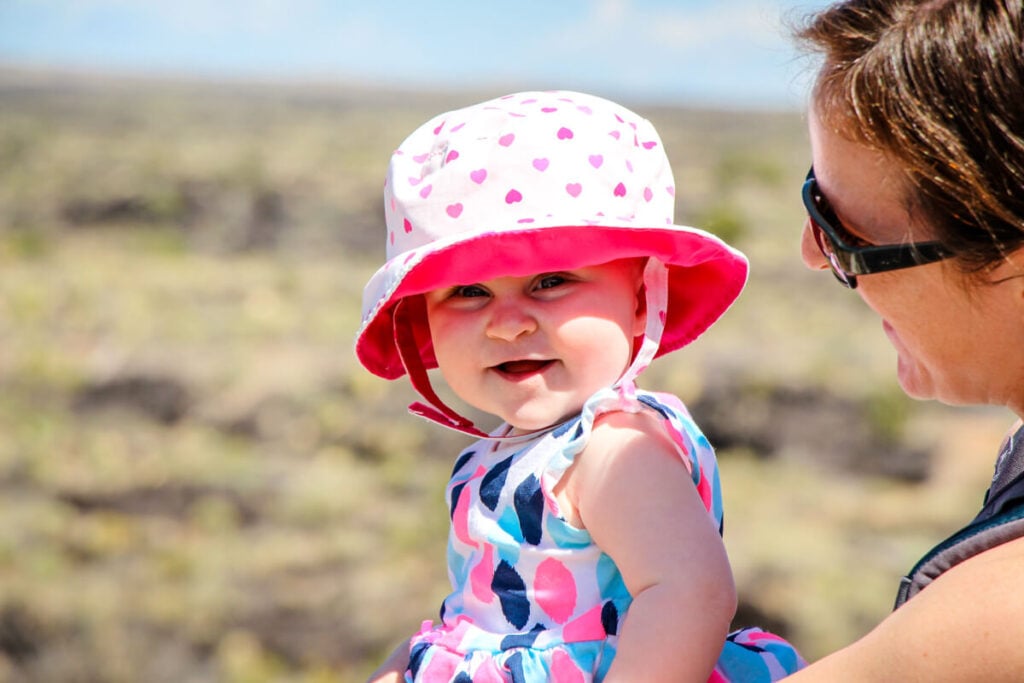
While parents are often advised to keep infants under six months completely out of direct sunlight, the realities of modern travel—whether at a coastal destination, hiking in high-altitude environments, or navigating city centers—often make complete shade impossible to maintain. In these scenarios, a high-quality sun hat serves as a vital barrier. Medical professionals consistently recommend a wide-brimmed hat that provides coverage not only for the face but also for the ears and the back of the neck, areas frequently overlooked by standard headwear.
Evaluating Key Features in Infant Headwear
When selecting headwear for an infant, functionality must be prioritized over aesthetics. A comprehensive evaluation of available products reveals that the most effective hats incorporate several engineering features designed to accommodate the unique physical requirements of babies and toddlers:

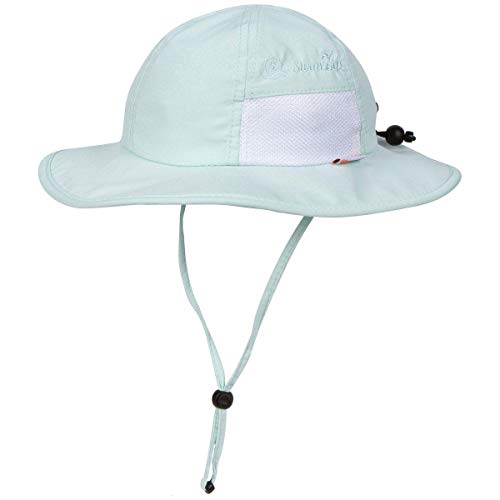
- Brim Geometry and Neck Protection: The most effective designs utilize a 360-degree brim with a minimum width of three inches. For added protection, many modern designs now include a rear neck flap, which provides a physical screen against low-angle UV rays.
- Material Science and UPF Ratings: Not all fabric is created equal. High-performance sun hats utilize materials rated with a Ultraviolet Protection Factor (UPF) of 50+. A UPF 50+ rating indicates that the fabric allows less than 2% of UV radiation to penetrate, effectively blocking 98% of harmful rays.
- Adjustability and Ergonomics: Because infants undergo rapid growth phases, adjustable head-circumference bands are essential for ensuring a secure fit. This prevents the hat from slipping during movement or being easily removed by the child.
- Safety Mechanisms: The use of chin straps is recommended to keep the hat in place, particularly in windy conditions. However, safety standards dictate that these straps should feature a "breakaway" or "no-choke" fastener. This mechanism is designed to release if the strap becomes snagged on an object, thereby mitigating the risk of accidental strangulation.
- Thermal Regulation: Infants have a limited ability to regulate their core body temperature. Hats constructed from moisture-wicking, breathable fabrics—often supplemented with mesh ventilation panels—are critical for preventing heat exhaustion and overheating during summer months.
Market Leaders and Performance Standards
In the current consumer market, several manufacturers have emerged as leaders by adhering to these stringent safety and comfort criteria.

The "Gro-With-Me" design concept, pioneered by brands like Jan & Jul, has set a benchmark for longevity. By utilizing internal adjustment toggles, these hats can transition from an infant size to a toddler size, offering a practical solution for parents looking to maximize the utility of their gear. Similarly, brands such as SwimZip have focused on the material properties necessary for water-based activities, emphasizing quick-dry synthetic fabrics that maintain their shape and protective qualities after being submerged in chlorinated pools or saltwater.
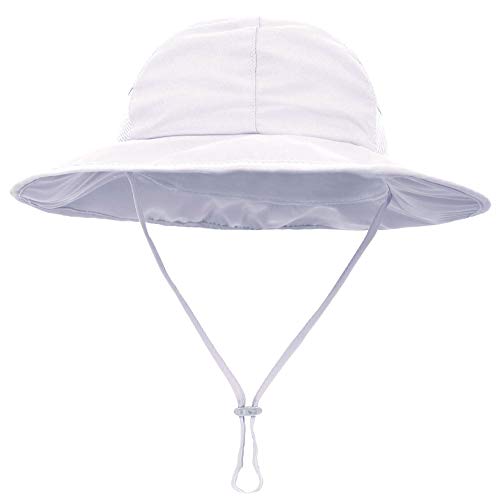
For parents prioritizing neck coverage, manufacturers like Green Sprouts have refined the classic "flap hat" design. By incorporating lightweight, moisture-wicking liners, these hats provide a robust shield against the sun while remaining comfortable enough for the child to wear during naps in a stroller or carrier. Furthermore, premium outdoor brands like Sunday Afternoons offer technical headwear for infants that includes bluesign-certified fabrics, ensuring that the manufacturing process meets high environmental and chemical safety standards.

Strategic Integration into Travel Planning
For families planning travel, the "baby sun hat" should be viewed as a cornerstone of a broader sun safety checklist. This checklist typically includes:

- Temporal Management: Planning outdoor activities during the early morning or late afternoon when the sun’s UV index is significantly lower.
- Physical Barriers: Utilizing strollers with high-coverage canopies, hiking carriers with integrated sun shades, and portable beach tents to create a micro-environment free of direct sunlight.
- Auxiliary Protection: Pairing the sun hat with infant-rated sunglasses. The eyes of an infant are more susceptible to retinal damage from high-intensity light, and wraparound sunglasses provide necessary protection that a hat brim alone cannot offer.
- Logistical Efficiency: Choosing gear that is easily packable. The best hats are those that fold or roll into compact shapes, allowing them to fit into a diaper bag without losing their structure or protective integrity.
Analysis of Regulatory and Medical Guidance
The shift in consumer behavior toward high-protection sun gear aligns with evolving public health directives. The FDA’s position on sunscreen usage for infants under six months—specifically that it should be avoided due to the potential for absorption and irritation—has inadvertently made high-quality protective clothing the only viable defense for parents.

This has created a measurable market impact. Manufacturers are now under increased pressure to provide transparency regarding the technical specifications of their products, such as precise UPF ratings and the presence of breakaway safety features. As parents become more educated on the risks of UV exposure, the demand for "technical" infant apparel has grown, leading to a more competitive market where manufacturers must balance safety, comfort, and ease of use to remain relevant.

Conclusion: A Proactive Approach to Sun Safety
Ultimately, the choice of a sun hat for an infant is not merely a purchase of apparel, but an investment in preventative health. By prioritizing UPF 50+ materials, ensuring proper fit, and utilizing features that enhance breathability and security, parents can significantly reduce the risk of sun-related complications. As climate patterns continue to fluctuate and the intensity of UV radiation remains a persistent environmental factor, the use of specialized protective headwear stands as a simple yet highly effective strategy for safeguarding the health of the next generation during their early developmental years.

Parents are encouraged to verify the specifications of any headwear before purchase, ensuring that the product meets current safety standards and is appropriate for the intended environment, whether that be a local park, a mountain trail, or a tropical beach. Through informed selection and consistent usage, the dangers posed by the sun can be effectively managed, allowing families to enjoy outdoor experiences with greater peace of mind.