The Cursed Village That Turned Witchcraft into a Badge of Honor: How Spain’s Trasmoz Defied the Church and Revived Its Fortunes


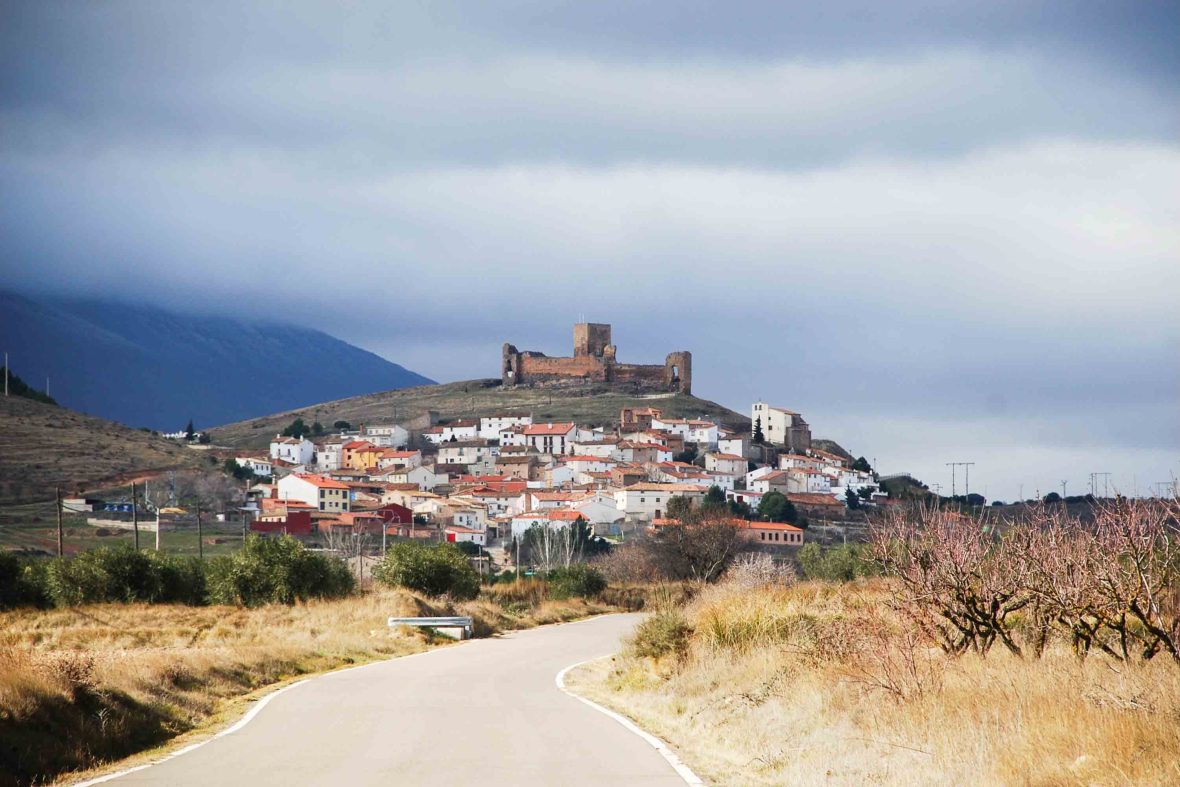
Nestled against the dramatic, snow-capped backdrop of the Moncayo mountain range in northwestern Spain lies Trasmoz, a medieval village that commands a rocky hill crowned by an ancient castle. Home to fewer than 100 permanent residents, this Aragonese hamlet holds a singular and peculiar distinction in modern European history: it is the only municipality in Spain officially and perpetually excommunicated and cursed by the Catholic Church. Yet, rather than shunning this dark reputation, contemporary residents have ingeniously transformed a legacy of religious ostracization and medieval politics into a vibrant cultural identity, a thriving tourism engine, and an antidote to rural depopulation.
Main Facts and the Modern Reality of Trasmoz
Today, Trasmoz operates as a living museum of folklore and female empowerment. While the village lacks immediate commercial and municipal infrastructure—relying on the nearby town of Tarazona, located approximately 10 miles away, for advanced healthcare, banking, and government services—it has experienced a modest demographic revival. Mayor Jesús Andía notes that the registered population has climbed from 68 to 103 residents in recent years, with secondary homes fully occupied and summer numbers swelling to roughly 500.

The village’s streets are traffic-free, characterized by weathered stone architecture, whimsical witch-themed street art, and tiled plaques celebrating the annual "Witch of the Year." Far from hiding its controversial past, Trasmoz actively markets its unorthodox history, drawing thousands of visitors annually to its medieval castle, its onsite Witchcraft Museum, and its signature cultural festivals.
Chronology of Conflict: From Coin Counterfeiting to Papal Curses
The origins of Trasmoz’s supernatural reputation are rooted not in dark magic, but in medieval geopolitics, economic rivalry, and a clever diversionary tactic.
The 13th-Century Rumors
In the 1200s, rumors of witchcraft began to swirl around the village. According to local lore, residents of the Trasmoz castle were secretly counterfeiting coins. To deter prying eyes and frighten away superstitious outsiders, the inhabitants deliberately manufactured terrifying noises at night, spreading stories that the metallic hammering was actually local witches forging cauldrons.

The First Excommunication (1252)
The ruse triggered friction with the neighboring Monastery of Veruela. Tensions boiled over regarding disputes over valuable timber harvesting rights and the persistent witchcraft rumors. Around 1252, the monastery persuaded the ecclesiastical authorities to excommunicate the village. At the time, Trasmoz was a wealthy, pluralistic fiefdom inhabited by Christians, Jews, and Muslims. Unfazed by the decree, the affluent residents refused to repent.
The Second Conflict and the Papal Curse
Over two and a half centuries later, hostilities flared once more. The Monastery of Veruela was accused of cutting off Trasmoz’s vital water supply. Armed conflict ensued, and the village ultimately emerged victorious. Seeking retribution, the monastery orchestrated a formal curse—a rare, solemn religious ritual so severe that, under canonical tradition, only the Pope holds the authority to lift it.
Despite the gravity of these edicts on paper, historians note that their practical impact was largely symbolic. While technically barred from receiving holy sacraments, the villagers were still baptized, meaning Christian worship never ceased in Trasmoz. Today, the Catholic Church views these decrees as long-forgotten relics of medieval jurisdictional disputes, while the village treats them as foundational myths.
Historical Persecution and the Subversion of the Witch Narrative
Beneath the whimsical tourism marketing and decorative broomsticks lies a sobering history of female persecution. Unlike Salem, Massachusetts, or the Pendle Hill trials in Lancashire, England, Trasmoz did not experience mass witch hysteria or judicial auto-da-fés. However, vulnerable individuals were frequently scapegoated during times of crisis.
In the 19th century, the village was home to two families of traditional healing women—known locally as the Cascas and the Galgas. A stark monument in the castle courtyard commemorates La Tía Casca, a 19th-century herbalist and midwife who was blamed for an inexplicable local epidemic and ultimately murdered by an angry mob.
Modern residents are acutely aware of this dark history. Women like Lola Ruiz, designated the ninth "Witch of the Year" in a tradition established in 2000 by the cultural association El Embrujo de Trasmoz, view their titles as a reclamation of female autonomy. Ruiz, who trained in chemistry and utilizes local plants to create herbal infusions, cosmetics, and remedies, points out the historical parallel: "That’s what witches did back then: They were healers and midwives who helped people, yet they were punished for it."
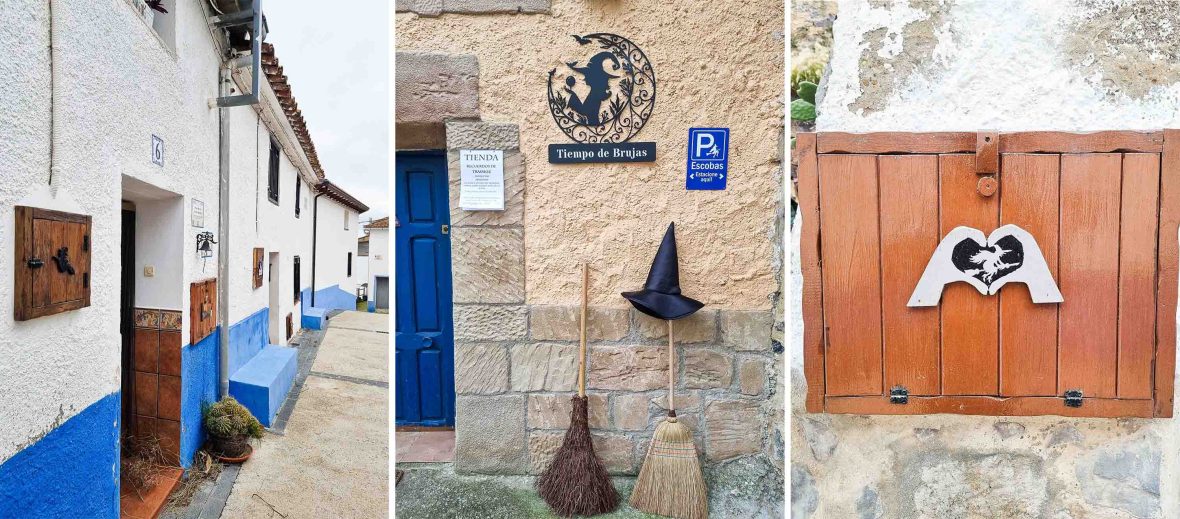
The criteria for becoming the "Witch of the Year"—decided by popular vote among residents—require no supernatural abilities, only residency or familial roots in Trasmoz and a demonstrated commitment to preserving local heritage. Noelia Macaya, a recent recipient of the title, emphasizes the philosophical weight of the designation: "Witches knew about plants, observed the phases of the moon, healed livestock, and did things that were different from what was usual. There is no need to be afraid of being different. In today’s world, there should be more witches—that is, more people who seek knowledge and pursue their goals regardless of conventional expectations."
Economic Implications and the Fight Against España Vaciada
The intentional cultivation of a witchcraft identity has served as a vital economic lifeline for Trasmoz, helping it combat the broader national crisis known as España vaciada (the emptied Spain). Like many rural interior regions of the country, Trasmoz suffered severe depopulation over the centuries, accelerated by historical expulsions of religious minorities and modern migration waves toward industrial cities and coastal tourism hubs. From a peak medieval population estimated at 10,000 residents, the village dwindled to near abandonment by the late 20th century.
The turning point arrived in 2000 with the formation of the Asociación Cultural El Embrujo de Trasmoz, which instituted structured events to capitalize on the village’s unique folklore. Among these are the Luz de las Ánimas (Light of the Souls) held every October 31, and the flagship Witchcraft Fair on the first Saturday of July. The July fair routinely draws approximately 6,000 visitors—transforming the sleepy hamlet into a bustling arena for medieval re-enactments, witch trials, and historical pageantry.
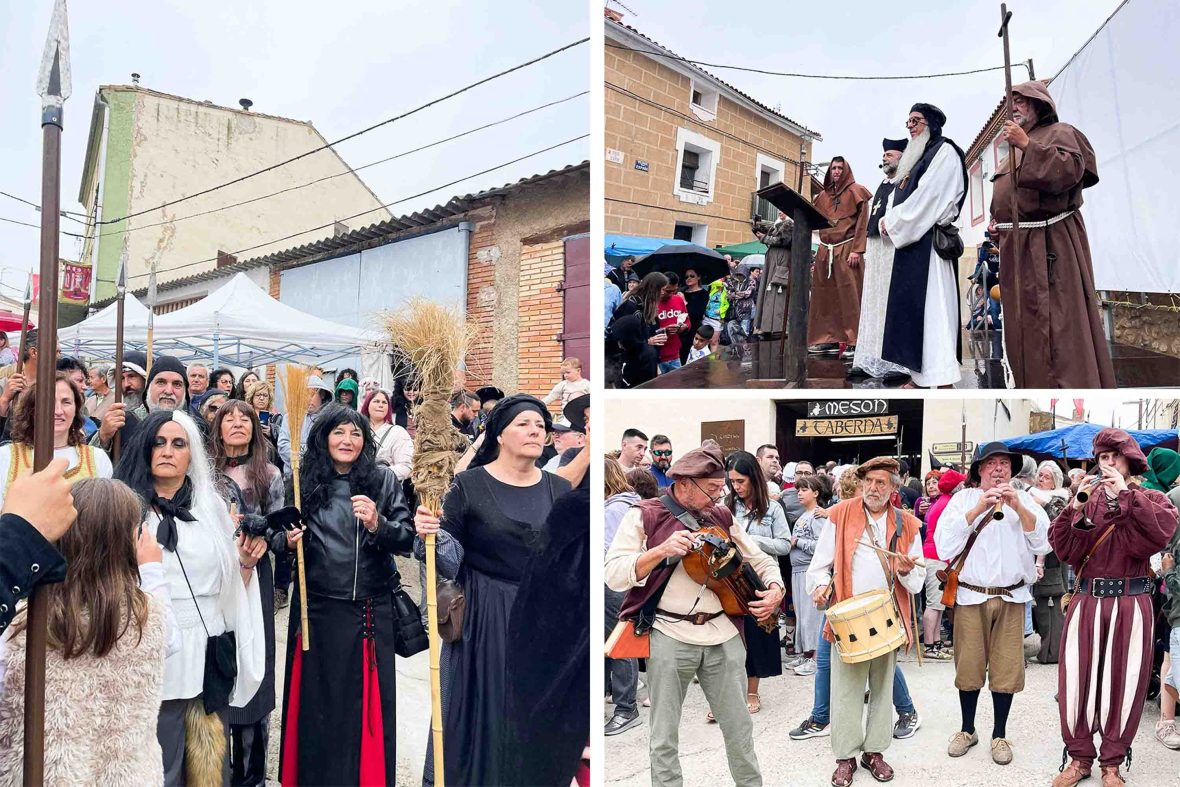
This influx of cultural tourism has stabilized the local property market, attracted remote workers and retirees seeking tranquility, and stimulated micro-enterprises, including artisanal cheese dairies, rural vacation rentals (casas rurales), and local hospitality venues like Bar El Aquelarre.
Broader Impact and Conclusion
The evolution of Trasmoz offers a compelling case study in rural heritage management and community resilience. By pivoting away from historical shame and transforming a papal curse into a celebration of non-conformity and female empowerment, the village has achieved what few depopulated rural districts manage to accomplish: sustainable economic revitalization without compromising its historical architectural integrity.
In embracing its identity as Spain’s cursed village, Trasmoz has proven that cultural narratives can be rewritten—turning the ghosts of medieval persecution into the architects of a modern renaissance.