Queenstown New Zealand Destination Guide 2026: Balancing Alpine Adventure and Sustainable Tourism in the Southern Lakes


Nestled along the shores of the crystal-clear Lake Wakatipu and sheltered beneath the dramatic peaks of the Remarkables mountain range, Queenstown, New Zealand, stands as a premier global destination for alpine tourism. Long before it gained international renown as the birthplace of commercial bungy jumping and modern jet boating, this stunning South Island enclave attracted travelers seeking relaxation in a serene natural setting. Today, the destination manages a delicate equilibrium between its identity as the undisputed adventure capital of the world and a burgeoning hub for luxury travel, culinary tourism, and eco-conscious exploration. As local authorities and tourism boards implement new infrastructure and zoning regulations for 2026, Queenstown continues to redefine how a small alpine town absorbs millions of global visitors while safeguarding its foundational charm and environmental integrity.
Historical Evolution and the Rise of Adventure Tourism
Queenstown’s modern economic foundation is deeply rooted in innovation, resilience, and outdoor recreation. The region’s trajectory shifted significantly in 1947 with the opening of Coronet Peak, New Zealand’s first commercial ski field, which established the area as a viable winter destination. Two decades later, in the 1960s, the pioneering spirit of local engineers gave birth to the jet boat, designed specifically to navigate the shallow, braided rapids of the nearby Shotover River.
However, the defining moment for global tourism arrived on November 12, 1988. AJ Hackett and Henry van Asch commercialized the world’s first bungy jump off the historic Kawarau Bridge, located 23 kilometers east of Queenstown. This single act of calculated daredeviltry permanently stamped Queenstown onto the global backpacking and adventure map. Over the ensuing decades, the menu of adrenaline-fueled activities expanded exponentially to include tandem skydiving, canyon swinging, whitewater rafting, and heli-mountain biking. Despite this high-octane reputation, municipal planners and regional tourism organizations have intentionally diversified the local economy, cultivating a robust hospitality, wine-tasting, and wellness sector that appeals equally to travelers seeking a tranquil lakeside retreat.
Seasonal Overview and Strategic Travel Planning
Queenstown operates under a dynamic four-season model, each period offering distinct appeals for international travelers. Winter, running primarily from June through October, transforms the region into a snowy wonderland. Skiers and snowboarders flock to world-class alpine resorts, including Coronet Peak, The Remarkables, Cardrona Alpine Resort, and Treble Cone near the neighboring town of Wanaka.
Conversely, the southern summer—spanning December through February—brings long, sun-drenched days where twilight lingers past 9:30 PM. This peak season is ideal for hiking, mountain biking along the extensive Queenstown Trail network, and partaking in water sports on Lake Wakatipu. Travelers planning a summer holiday must secure accommodations well in advance, as lodging capacity frequently reaches maximum occupancy.
For those seeking milder weather and fewer crowds, the shoulder seasons provide exceptional alternatives. Autumn (March to May) dazzles photographers and nature lovers with vibrant foliage changes across the landscape and grape harvests in the nearby Gibbston Valley wine region, renowned for its Central Otago Pinot Noir. Spring (September to November) offers crisp alpine air, blossoming gardens, and optimal conditions for regional exploration without the dense summer congestion.
Navigating New Zealand Entry Requirements and Border Levies
International travelers planning a trip to Queenstown must navigate specific pre-departure administrative requirements established by Immigration New Zealand. Most foreign visitors require a New Zealand Electronic Travel Authority (NZeTA) prior to boarding their flights. The NZeTA costs NZ$17 when processed through the official mobile application or NZ$23 via the online web portal.
Additionally, visitors are subject to the International Visitor Conservation and Tourism Levy (IVL), which is fixed at NZ$100. This brings the combined baseline entry cost to between NZ$117 and NZ$123 per person. The NZeTA remains valid for a two-year period and permits multiple visits of up to three consecutive months per stay. Authorities strongly advise travelers to submit their applications at least 72 hours prior to international departure to prevent boarding delays. Citizens and permanent residents of Australia, as well as New Zealand passport holders, are exempt from both the NZeTA requirement and the conservation levy.

Infrastructure, Transportation, and Transit Management
Queenstown Airport (ZQN), located approximately eight kilometers from the downtown core in Frankton, serves as the primary international gateway to the Southern Lakes region. The airport is internationally celebrated for its dramatic, mountainous approach, requiring specialized pilot training and modern aircraft navigation systems. Direct trans-Tasman flights connect ZQN with major Australian hubs including Sydney, Melbourne, Brisbane, and the Gold Coast via carriers such as Air New Zealand, Qantas, Jetstar, and Virgin Australia. Domestically, frequent services link Queenstown directly with Auckland, Wellington, and Christchurch.
Upon arrival, visitors face a compact urban layout where the downtown commercial center spans roughly 1.5 square kilometers. Because parking in central Queenstown is severely limited and often costly, transportation authorities strongly discourage renting personal vehicles for urban exploration. Instead, municipal transit provides efficient alternatives. The Orbus public bus network connects the airport and surrounding neighborhoods to the town center. Fares are structured through the Bee Card system, offering affordable transit options, though cash transactions carry a higher premium.

To combat downtown congestion, new zoned Orbus public transport fares took effect on November 1, 2026, aligning with broader regional sustainability goals. Furthermore, the vast majority of commercial tour operators, adventure companies, and ski fields offer complimentary or low-cost shuttle services directly from central pickup points, minimizing the need for private automotive transport within the town center.
Must-Do Attractions and Iconic Experiences
Queenstown offers a diverse array of attractions that cater to varied physical capabilities and travel preferences. Among the most popular non-ski activities are the Skyline Gondola and Luge, high-speed jet boating, and excursions into the breathtaking Fiordland National Park.
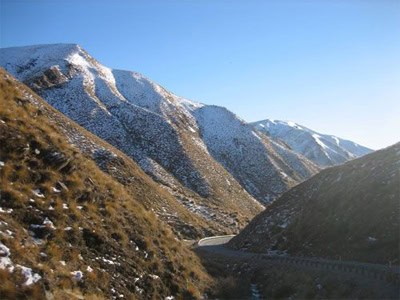
The Skyline Gondola transports passengers 480 meters above the town to the summit of Bob’s Peak, delivering panoramic views of Lake Wakatipu and the surrounding Southern Alps. Recent infrastructure upgrades feature larger 10-person cabin systems designed to increase passenger throughput and reduce wait times during peak hours. At the summit, visitors can access gravity-fuelled luge tracks suitable for both beginners and experienced riders.
For water enthusiasts, the Shotover Jet operates within the dramatic, narrow rock walls of the Shotover River canyon at Arthurs Point. Operating under exclusive commercial rights, these specialized twin-jet-unit watercraft execute high-speed 360-degree spins just inches from canyon walls.
Further afield, the region serves as the primary access point for Milford Sound (Piopiotahi) within Fiordland National Park. While many visitors opt for organized day-coach tours and scenic cruises, others choose to experience the landscape via fixed-wing aircraft, helicopters, or multi-day treks along the legendary Milford Track. Securing permits for the Milford Track requires meticulous planning; bookings for the Department of Conservation’s Great Walks season routinely sell out within minutes of opening. Travelers who miss out on independent hut spaces frequently utilize guided walks that feature private backcountry lodges.
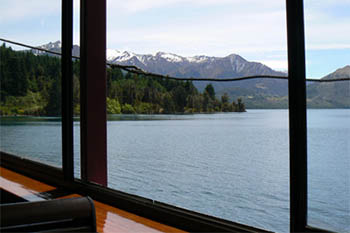
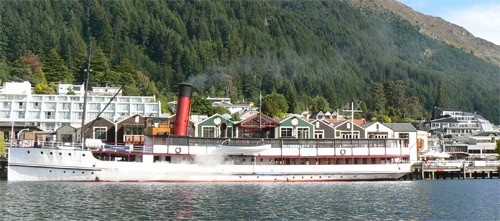
For a more relaxed maritime experience, the historic coal-fired steamship TSS Earnslaw—affectionately known as the "Lady of the Lake"—has been navigating Lake Wakatipu since 1912. Operating daily departures from Steamer Wharf, the vintage vessel transports passengers to the remote Walter Peak High Country Farm for agricultural demonstrations, gourmet dining, and equestrian adventures.
Accommodation Landscape and Economic Impact
Queenstown’s accommodation sector reflects its status as a premier global destination, featuring a wide spectrum of lodging options ranging from backpacker hostels to ultra-luxury alpine lodges and boutique hotels. However, high demand during peak summer and winter seasons exerts upward pressure on nightly tariffs, positioning Queenstown at the upper echelon of New Zealand’s travel pricing scale.
Budget-conscious travelers can utilize centrally located hostels, such as Haka House on the lakefront or Nomads Queenstown, as well as municipal holiday parks including the Queenstown Lakeview Holiday Park positioned near the base of the Skyline Gondola. Mid-range motels and premium properties, such as the Hotel St Moritz, cater to visitors seeking upscale amenities within walking distance of the central business district. Tourism analysts note that sustained high occupancy rates continue to drive local economic growth, supporting thousands of hospitality and tourism jobs while prompting ongoing investments in sustainable infrastructure and public amenity upgrades.
Dining, Entertainment, and Culinary Scene
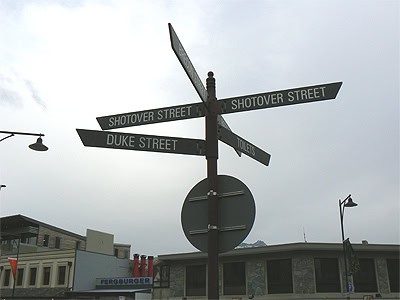
The culinary landscape of Queenstown has evolved rapidly, transforming from a traditional pub-and-meat-pie fare into a sophisticated gastronomic destination. The town is globally famous for Fergburger, a culinary landmark on Shotover Street renowned for its gourmet oversized burgers and notoriously long queues that persist deep into the night.
For upscale dining, establishments like The Bunker offer intimate, hidden atmospheres paired with contemporary New Zealand cuisine and extensive cellars featuring Central Otago wines. Traditional Irish pubs, craft breweries, and contemporary cocktail bars line the downtown streets, offering vibrant nightlife for both extreme sports enthusiasts and relaxed holidaymakers.
Health, Safety, and Sustainable Travel Initiatives
Queenstown maintains an exemplary standard of public health, modern medical infrastructure, and low rates of serious crime. Tap water across the municipal district is safe for consumption. However, environmental hazards require mindful preparation. New Zealand’s Southern Hemisphere location beneath a depleted ozone layer results in extremely high ultraviolet (UV) radiation levels during the summer months, necessitating immediate and consistent sunscreen application. Rapidly changing alpine weather systems also mandate that visitors carry appropriate rain gear and layered thermal clothing regardless of the season.

Given the prevalence of adventure tourism, travel insurance policies must be carefully reviewed. Standard international insurance packages frequently exclude coverage for hazardous or extreme sports; travelers participating in bungy jumping, skydiving, or whitewater activities are strongly advised to purchase specialized adventure sports riders.
As Queenstown looks toward the future, local government and tourism operators remain committed to sustainable destination management. Through initiatives promoting carbon reduction, public transport utilization, and infrastructure enhancement, Queenstown aims to preserve its fragile alpine ecosystem while continuing to welcome the global community to its shores.
Related posts: