The global tourism industry has witnessed a significant shift in consumer behavior over the last decade, with solo travel emerging from a niche market to a mainstream powerhouse. Statistical data from travel platforms and hospitality analysts indicate that the success of an individual’s first solo excursion is the primary determinant of whether they will continue to pursue independent travel. Selecting an appropriate destination involves a complex interplay of safety metrics, linguistic accessibility, infrastructure reliability, and the availability of social engagement opportunities. For the uninitiated, the initial choice acts as a foundational experience that either builds self-efficacy or discourages future exploration.
The Economic and Social Rise of Solo Travel
The solo travel sector has experienced a compound annual growth rate (CAGR) that outpaces many traditional family or group travel segments. According to data from Solo Traveler World’s annual surveys and Booking.com’s trend reports, approximately 25% of travelers across various demographics considered a solo trip in 2023. This trend is driven by a desire for autonomy, personalized itineraries, and the increasing ease of digital navigation.
Industry analysts observe that the "solo economy" has prompted hotels, cruise lines, and tour operators to rethink their offerings. Historically, solo travelers faced "single supplements"—additional fees for occupying a double room. However, modern hospitality trends show a gradual elimination of these fees in certain markets as businesses recognize the long-term value of the solo demographic. The psychological benefits, including increased confidence and problem-solving skills, further solidify solo travel as a significant cultural phenomenon.
Strategic Framework for Selecting a Debut Destination
For those embarking on their first independent journey, experts recommend a selection process based on five critical pillars. These criteria are designed to mitigate "travel friction," which refers to the stress caused by logistical hurdles or cultural disconnects.
1. Linguistic Familiarity and Ease of Communication
Navigating a new environment requires constant negotiation, from reading transit signs to ordering meals. For a first-time solo traveler, choosing a destination where they are fluent in the primary language reduces cognitive load. While many global hubs offer English signage, the ability to communicate fluently during a stressful situation—such as a missed flight or a medical inquiry—is a vital safety net.
2. Verified Safety Rankings
Safety remains the paramount concern for solo travelers, particularly women and seniors. Reliable selections are often based on the Global Peace Index (GPI) and local crime statistics. Destinations with high levels of social trust, low rates of petty theft, and reliable emergency services provide the psychological security necessary for a successful first trip.
3. Logistical Simplicity
The complexity of reaching a destination can impact the overall experience. A "beginner-friendly" location typically offers direct flights and a seamless transition from the airport to the city center. Experts suggest that a first trip should avoid multi-leg transfers or regions requiring complex visa processes or specialized transportation.
4. Structured Social Opportunities
Solo travel does not equate to perpetual isolation. Successful destinations offer "soft landing" opportunities, such as walking tours, cooking classes, or communal dining experiences. These structured environments allow travelers to interact with others without the pressure of constant social navigation.
5. Managed Popularity
While overtourism is a concern for environmental sustainability, a first-time solo traveler benefits from a destination that is "just popular enough." A well-established tourism infrastructure ensures that services like hostels, boutique hotels, and English-speaking guides are readily available.
Top North American Destinations for Solo Beginners
North America offers a diverse array of urban and natural landscapes that cater to those seeking a domestic or near-domestic first solo experience.
- Savannah, Georgia: Known for its historic districts and Victorian architecture, Savannah offers a walkable environment that is both aesthetically pleasing and culturally rich. Its reputation as a budget-friendly destination makes it accessible to a wide range of travelers.
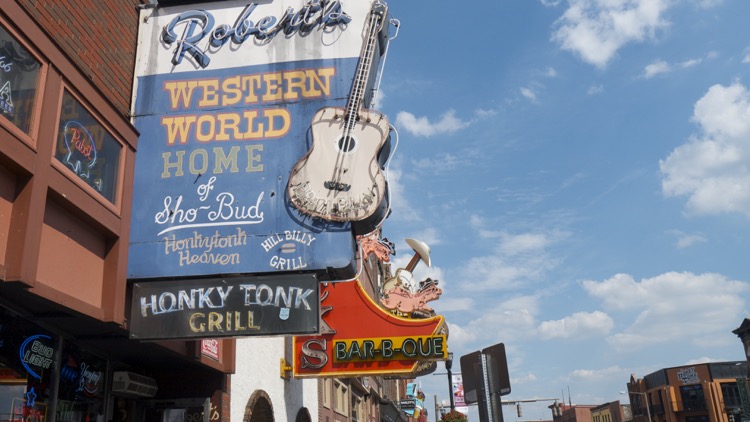
- Nashville, Tennessee: The city’s "Downtown Ambassadors" program provides a visible layer of security and assistance, making the music-centric city easy to navigate for those unfamiliar with urban solo travel.
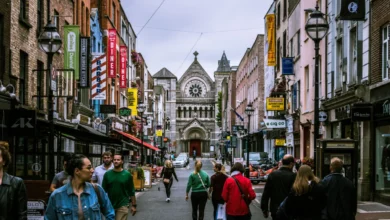
- Montreal, Quebec: For travelers seeking an "international feel" without leaving the continent, Montreal provides a European atmosphere. The city’s bilingual nature allows for ease of communication while offering a distinct cultural shift.
- Vancouver, British Columbia: Vancouver is frequently cited for its proximity to nature. The city’s public transit system provides direct access to hiking and skiing, allowing solo travelers to experience the outdoors safely.
- San Francisco, California: With its iconic cable cars and distinct neighborhoods, San Francisco offers a compact urban environment that is easy to explore via public transit and foot.
International Entry Points for the Solo Traveler
Expanding beyond North America requires a greater emphasis on infrastructure and safety. The following international locations are recognized for their welcoming environments for solo explorers.

- London, England: As a global transport hub, London is an ideal starting point. Its extensive Underground (Tube) system and world-class museums—many of which offer free admission—provide a structured yet flexible environment.
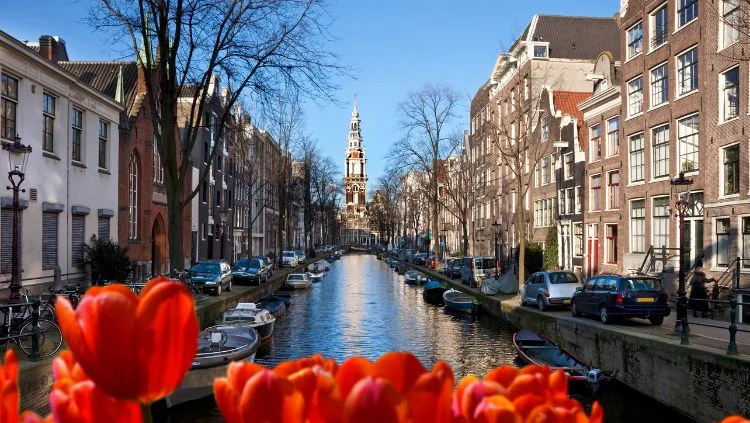
- Amsterdam, Netherlands: Frequently ranked among the top cities for English proficiency among non-native speakers, Amsterdam is highly accessible. Its canal-based geography and high bike-ability make it a manageable city for independent navigation.
- Reykjavik and Iceland: Iceland consistently ranks at the top of the Global Peace Index. For solo travelers interested in nature, the country’s "Ring Road" offers a straightforward route for a solo road trip through some of the world’s most unique landscapes.
- Sydney, Australia: Australia’s friendly social culture and high safety standards make Sydney a premier choice for those willing to endure a long-haul flight. The city’s blend of urban beaches and cultural landmarks provides a diverse itinerary.
- Dublin, Ireland: Ireland’s reputation for hospitality is a significant draw. Dublin offers a compact city center and a vibrant social scene centered around its historic pubs and literary history.
Chronology of a First Solo Trip: From Conception to Departure
A successful solo journey is often the result of a deliberate planning timeline.
- Phase 1 (3-6 Months Prior): Identification of goals. Is the trip for relaxation, cultural immersion, or adventure? Research destinations based on the five pillars of selection.
- Phase 2 (2-3 Months Prior): Booking of core logistics. This includes direct flights and centrally located accommodations. Experts advise staying in "socially active" areas where services are within walking distance.
- Phase 3 (1 Month Prior): Activity scheduling. Booking one or two group activities (e.g., a food tour or a day hike) ensures social interaction is built into the itinerary.
- Phase 4 (1 Week Prior): Safety preparation. This involves sharing the itinerary with a trusted contact, scanning important documents, and researching local emergency numbers.
Industry Implications and Broader Impact
The rise of solo travel has forced a transformation in the travel industry. Tourism boards in cities like Nashville and London have invested in "ambassador" programs and enhanced lighting in tourist corridors to specifically attract the solo demographic. Market research by Euromonitor International suggests that the solo travel market will continue to expand as remote work and "bleisure" (business and leisure) travel become more prevalent.
Furthermore, the surge in solo travel has positive implications for local economies. Solo travelers often spend more per capita on dining and local experiences than those in groups, as they are not constrained by the collective budget or preferences of a party. This "autonomous spending" supports small businesses and niche cultural venues that might be overlooked by larger tour groups.
Conclusion: The Long-term Value of the First Trip
Choosing the best destination for a first-time solo trip is a strategic exercise in risk management and self-discovery. By prioritizing safety, language, and infrastructure, travelers can ensure that their initial experience is empowering rather than overwhelming. As the travel industry continues to adapt to the needs of the individual explorer, the barriers to solo travel are lower than ever before. A successful first trip not only opens the door to the world but also fosters a sense of independence that extends far beyond the confines of a vacation.