Beyond the Mouse: The Comprehensive Guide to Florida’s Premier Non-Theme Park Family Destinations

While the state of Florida is internationally celebrated as the home of the world’s most famous mouse and sprawling Central Florida theme parks, the sprawling peninsula possesses a diverse geography of coastal cities, historic towns, and ecological sanctuaries tailor-made for family travel. Offering reliable sunshine and warm temperatures throughout the calendar year, the Sunshine State remains a premier destination for travelers looking to venture beyond the traditional roller coaster itinerary. Whether families choose to bypass Orlando entirely or seek to seamlessly integrate a cultural or beach excursion into a broader vacation, Florida offers an abundance of multifaceted regional experiences.

Industry data from Visit Florida underscores the economic and cultural significance of the state’s non-theme park tourism. While millions of visitors flood Orlando annually, coastal counties along the Gulf of Mexico and the Atlantic seaboard capture billions of dollars in tourism revenue through eco-tourism, historical heritage sites, and multi-generational beach getaways. Tourism boards across the state increasingly emphasize sustainable travel, encouraging visitors to explore state parks, marine sanctuaries, and barrier islands that showcase the natural ecosystem of the American tropics and subtropics.
Southern Coastlines: Miami and Key Biscayne
Moving away from the conventional perception of Miami as solely a nightlife hotspot, the greater Miami area and its surrounding barrier islands offer rich educational and recreational opportunities for families. Key Biscayne, situated just south of the bustling metropolis, serves as a tranquil oasis defined by pristine beaches and conservation areas. The Bill Baggs Cape Florida State Park allows visitors to tour a historic 1825 lighthouse while enjoying coastal dunes and cycling trails. Furthermore, the Miami Seaquarium provides marine life education, though animal welfare advocates increasingly point toward rehabilitation and conservation-focused programming as the modern standard for such facilities.

For logistics, travelers frequently optimize their itineraries by leveraging both Miami International Airport (MIA) and Fort Lauderdale-Hollywood International Airport (FLL), often booking open-jaw flights to secure competitive rates and minimize regional driving times. Additionally, the Port of Miami—the busiest cruise passenger port in the world—allows families to easily pair a land-based South Florida vacation with a Caribbean cruise excursion. Just north of the city, upscale enclaves like Aventura offer family-friendly resorts featuring expansive water parks, such as Tidal Cove at the JW Marriott Turnberry, providing a balanced resort experience away from the urban core.
The Historic Northeast: Amelia Island and St. Augustine
Occupying the northernmost stretch of Florida’s Atlantic coast, Amelia Island offers a sharp geographic and atmospheric contrast to the subtropical climate of South Florida. Characterized by 13 miles of sweeping quartz-sand beaches, maritime forests, and marshlands, the island functions as a prime destination for nature lovers and multi-generational families seeking a quieter pace. Because of its northern latitude, winter temperatures are notably cooler than in the southern peninsula, requiring seasonal packing adjustments for travelers.

Just a short drive south lies St. Augustine, proudly holding the designation of the nation’s oldest continuously occupied European-established settlement. Founded in 1565 by Spanish admiral Pedro Menéndez de Avilés, the city anchors its tourism sector in deep historical heritage. The Castillo de San Marcos National Monument—a massive 17th-century Spanish stone fortress built to protect St. Augustine from foreign attacks—remains a premier educational landmark for visiting families. Alongside historical reenactments and maritime museums, the city features localized eco-tours, wildlife reserves, and pedestrian-friendly brick-paved streets lined with colonial-era architecture.
Gulf Coast Paradises: Clearwater, Sarasota, and Destin
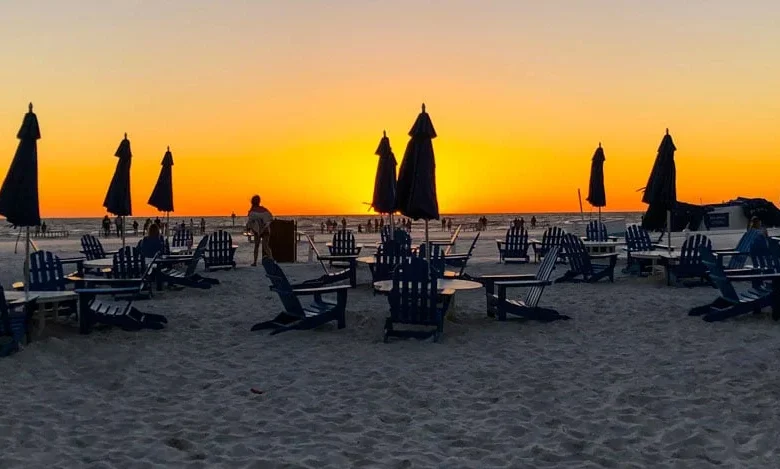
On the state’s western coast, the Gulf of Mexico delivers a distinct coastal environment characterized by gentle wave action, expansive shallows, and powdery white-sand beaches frequently topping national travel rankings. Clearwater Beach, a perennial favorite in national hospitality surveys, supports comprehensive family infrastructure, including year-round professional lifeguarding and accessible beachfront parks. The Clearwater Marine Aquarium serves as a cornerstone for regional tourism, shifting public focus toward marine mammal rescue, rehabilitation, and release programs, famously highlighted by the legacy of Winter the dolphin.

Further south, the Sarasota barrier islands—including Lido Key and Longboat Key—offer sophisticated eco-tourism adventures. Visitors frequently engage in guided kayak excursions through dense mangrove tunnels, observing native wading birds, manatees, and dolphins in their natural habitats. Culturally, Sarasota houses the John and Mable Ringling Museum of Art, a sprawling estate that includes the historic Circus Museum, showcasing the profound historical impact of the American circus industry on the region’s development during the early 20th century.
Along the Florida Panhandle, the Emerald Coast presents a radically different cultural and geographical landscape heavily influenced by Southern hospitality. Destin and Fort Walton Beach are renowned for their striking white quartz sand—eroded from the Appalachian Mountains thousands of years ago—and vibrant emerald-green waters. The Destin Harbor Boardwalk functions as a central hub for commercial fishing fleets, charter boat excursions, and waterfront dining. Economically, the region heavily relies on drive-in tourism from neighboring Southern states, though the expansion of Destin-Fort Walton Beach Airport (VPS) has significantly increased national air connectivity.

The Cultural Landscape of Southwest Florida and the Keys
The southwestern corridor, encompassing Fort Myers, Naples, and Marco Island, blends wildlife conservation with affluent coastal living. Fort Myers serves as a major hub for Major League Baseball spring training, drawing thousands of sports enthusiasts every March to facilities such as Hammond Stadium. Beyond athletics, the region provides critical winter habitats for the Florida manatee, particularly at Manatee Park, where warm-water discharges from local power plants attract herds of the federally protected marine mammals during cooler months.
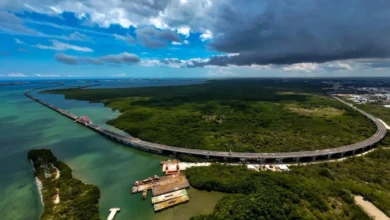
Extending southward into the Straits of Florida, the archipelago of the Florida Keys offers a distinct tropical island culture. Accessible via the historic Overseas Highway—a marvel of civil engineering featuring 42 bridges spanning open water—Key West marks the southernmost point of the continental United States. The island’s economy is deeply rooted in maritime history, literature, and tourism. Key West’s historic district features the Ernest Hemingway Home and Museum, where descendants of the author’s famous six-toed cats roam freely, alongside the Mel Fisher Maritime Museum, which displays recovered Spanish treasure galleon artifacts. Day trips further west to Dry Tortugas National Park offer travelers remote access to 19th-century Fort Jefferson and pristine coral reef ecosystems, emphasizing the ecological importance of protecting America’s barrier reef tracts.

Strategic Planning and Travel Implications for Visitors
Navigating a multi-destination Florida vacation requires careful logistical planning, particularly given the state’s expansive geography. Driving from Pensacola in the far northwest to Key West in the deep south spans over 800 miles and requires upwards of 12 hours of continuous transit, making regional airport utilization essential for efficient itineraries. Transportation analysts recommend monitoring seasonal pricing trends across Florida’s numerous international and regional airports, including Orlando (MCO), Tampa (TPA), Miami (MIA), and Jacksonville (JAX), to optimize travel costs.
Furthermore, economic analysts point out that Florida’s tourism industry is acutely sensitive to seasonal weather patterns and climate phenomena. The Atlantic hurricane season, running officially from June 1 through November 30, necessitates comprehensive travel insurance and contingency planning for families visiting during late summer and early autumn. Conversely, peak winter and spring break periods demand advance reservations several months in advance to secure lodging and avoid inflated pricing across high-demand coastal markets.

Ultimately, while the allure of Central Florida’s amusement parks remains undeniable, shifting travel trends indicate a growing consumer preference for balanced itineraries. By incorporating the historical depth of St. Augustine, the ecological wonders of Sarasota’s mangrove estuaries, and the coastal conservation efforts of the Gulf and Keys into family vacations, travelers gain a more holistic appreciation of the Florida peninsula’s enduring natural and cultural heritage.