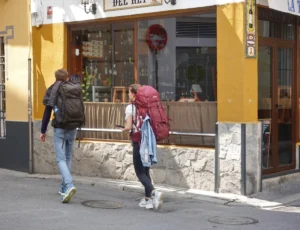
How to Dress Like a Local: A Comprehensive Guide to Men’s Fashion and Avoiding Tourist Traps in Europe

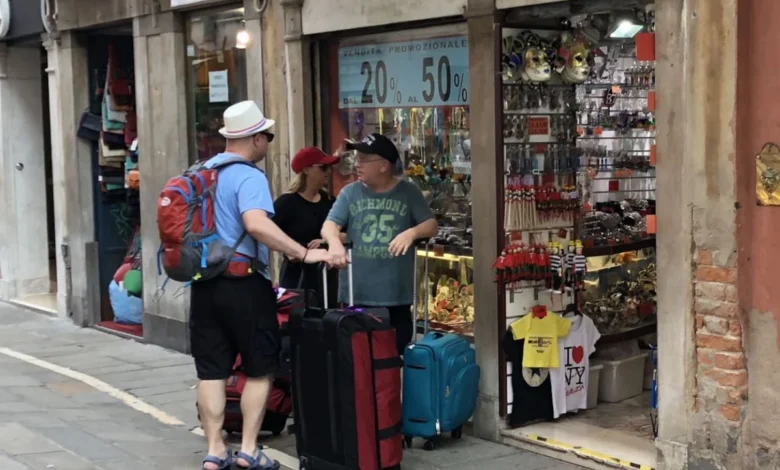
The globalization of retail and digital media has fundamentally transformed international travel attire, narrowing the once-vast sartorial divide between North American tourists and European residents. As international tourism rebounds to historic levels following years of pandemic-related disruptions, travel analysts and fashion consultants report a shifting paradigm in how visitors approach foreign wardrobes. Rather than attempting to adopt complex, localized European subcultures—which vary distinctly from the rainy streets of London to the sunlit plazas of Barcelona—travel experts emphasize a more practical objective: blending in sufficiently to avoid the unwelcome attention of pickpockets and scammers, all while maintaining optimal comfort for miles of daily walking.
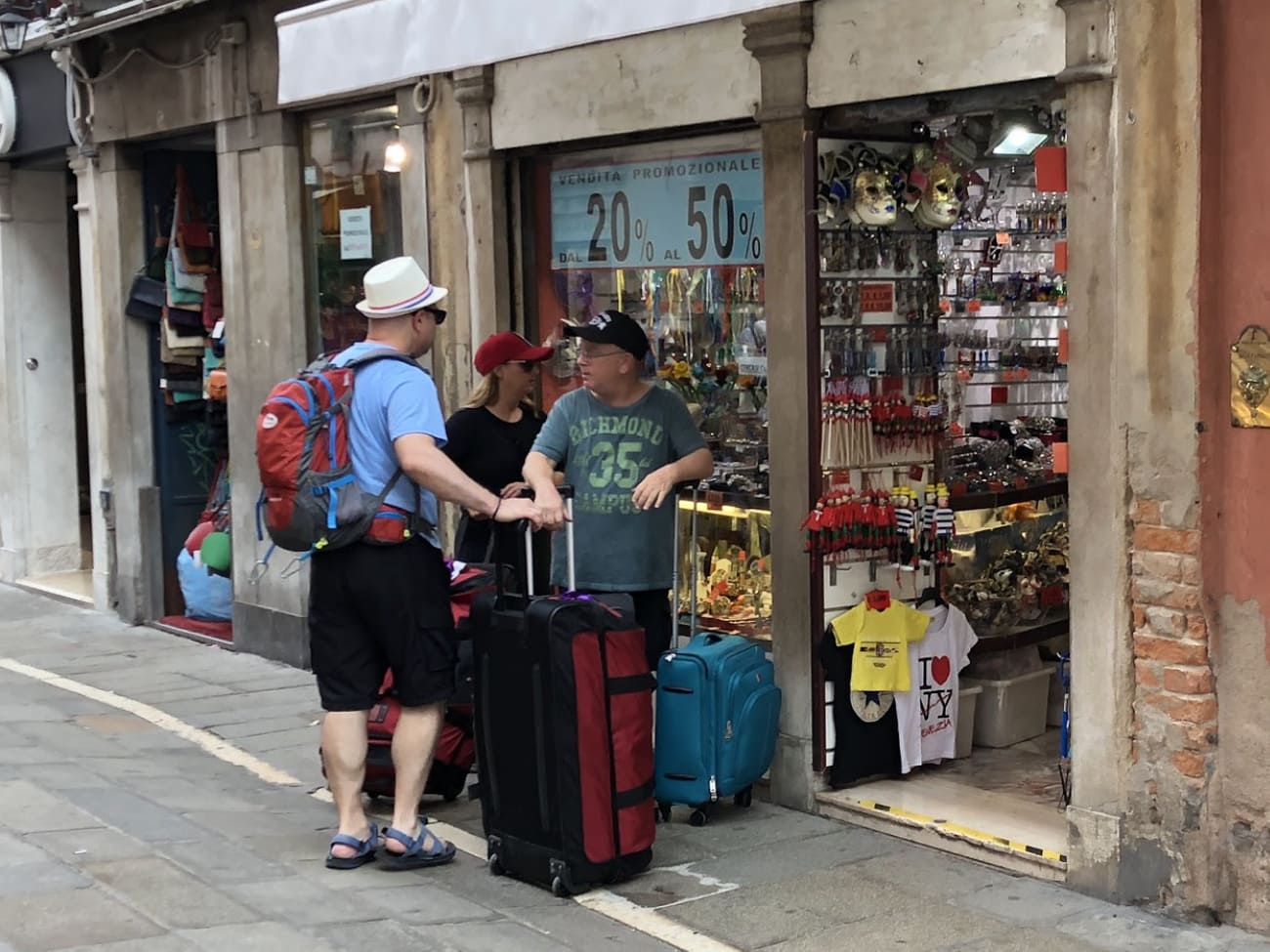
The evolution of international travel style is largely rooted in late-20th and early-21st-century economic shifts. The universal accessibility of fast-fashion conglomerates and global athletic brands like Nike, Adidas, and New Balance means that a twenty-something consumer in Chicago and their counterpart in Milan frequently pull from identical stylistic inventories. Consequently, the distinct visual markers that once immediately identified an American tourist a hundred yards away have evolved. Modern travel advice no longer focuses on mimicking a runway model, but rather on avoiding specific, highly visible missteps that signal a lack of cultural awareness or situational vulnerability.
Decoding the Tourist Signifiers: What Not to Wear
Security and tourism studies consistently highlight that visible foreign markers can make travelers prime targets for petty crime, including pickpocketing and targeted scams. According to international travel safety briefings, minimizing these risks often begins with wardrobe adjustments. The single most prominent identifier of a North American traveler abroad remains the full athletic leisure ensemble. While Europeans certainly embrace sportswear, cultural norms typically dictate a more balanced approach. Wearing head-to-toe athletic apparel—such as running shorts paired with compression leggings, a moisture-wicking jersey, and heavy-duty running shoes—remains a definitive indicator of an out-of-town visitor.

Footwear presents a particular dichotomy for travelers navigating historic European urban centers characterized by cobblestone streets and medieval architecture. Walking an average of eight to twelve miles per day necessitates supportive footwear, rendering stiff formal dress shoes impractical. However, fully technical, neon-accented running shoes immediately broadcast a tourist profile. Travel stylists recommend transitioning toward "athletic lifestyle" sneakers or minimalist low-profile leather alternatives. These options provide the necessary ergonomic support for long-distance urban exploration while aligning more closely with contemporary European urban aesthetics.
Similarly, clothing items deeply embedded in North American casual culture often fail to translate smoothly overseas. Flip-flops, traditionally reserved strictly for coastal or poolside environments in many European nations, look out of place when worn for urban sightseeing. Furthermore, while shorts are increasingly common during intense summer heatwaves—particularly in Southern European destinations like Spain, Italy, and Greece—the specific silhouette matters. Khaki cargo shorts outfitted with multiple bulky pockets remain a persistent stereotype associated with foreign visitors. Sweatpants and traditional athletic warm-up pants are likewise discouraged for daytime public wear, as local populations reserve such garments primarily for home settings or designated fitness facilities.

National identity markers, including baseball caps emblazoned with local Major League Baseball or National Football League franchises, serve as immediate beacons of foreign origin. While baseball-style caps are worn across the continent, sporting domestic team logos instantly identifies the wearer as a tourist. Conversely, overcompensating by dressing in excessively formal or avant-garde attire can prove equally problematic. Industry analysts note that travelers who overdress in high-end, runway-inspired garments often project an image of affluence that similarly attracts predatory attention from urban scammers.
The Pragmatic Travel Wardrobe: Striking the Right Balance
Establishing a functional, low-risk wardrobe for European travel requires balancing aesthetic integration with luggage efficiency. Experienced travel writers emphasize that packing light remains paramount; hauling an oversized suitcase across multi-city train networks and historic staircases filled with cobblestones quickly overshadows any stylistic ambitions.
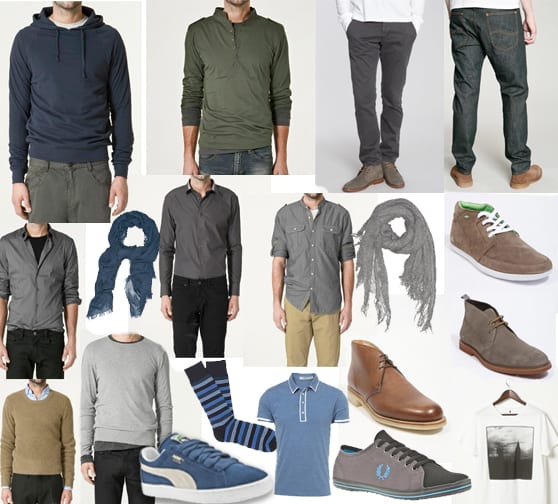
The foundation of a successful travel wardrobe relies on well-fitting, versatile basics. European urbanites heavily favor tailored silhouettes over oversized or overly baggy garments. A simple cotton t-shirt or a classic button-up shirt, provided it fits properly, elevates casual daytime wear effortlessly. To maximize packing efficiency, fashion experts recommend adhering to a neutral color palette. Black, charcoal gray, navy blue, and earthy neutral tones not only align with the understated elegance favored in many major European capitals but also offer practical advantages, such as easily concealing minor stains and resisting visible wrinkles over long travel days.
Layering serves as both a stylistic choice and a functional necessity given Europe’s diverse and rapidly changing microclimates. Incorporating a durable denim jacket, a chore coat, or a lightweight trench coat over a casual button-up instantly elevates an outfit while providing crucial insulation against sudden temperature drops or coastal winds.

Accessories should also be chosen with utility and subtlety in mind. Travel advisors frequently advocate for wearing a simple, dependable analog wristwatch. Beyond offering a classic aesthetic touch, a watch reduces reliance on smartphones in crowded public spaces, where handling expensive electronic devices can invite opportunistic theft. Furthermore, travel consultants suggest selecting watches featuring 24-hour or military time displays, as railway systems, public transit networks, and European businesses universally operate on a 24-hour clock.
Daytime Practicality Versus Evening Elegance
Navigating the daily rhythm of a European vacation requires a strategic transition between daytime sightseeing and evening dining or social activities. Daytime itineraries are invariably defined by high-volume pedestrian traffic, museum queues, and architectural exploration. During these hours, absolute comfort and weather-appropriate fabrics take precedence. Lightweight, breathable linens and cottons are essential for summer months, while water-resistant outerwear and thermal layers are required during winter explorations.
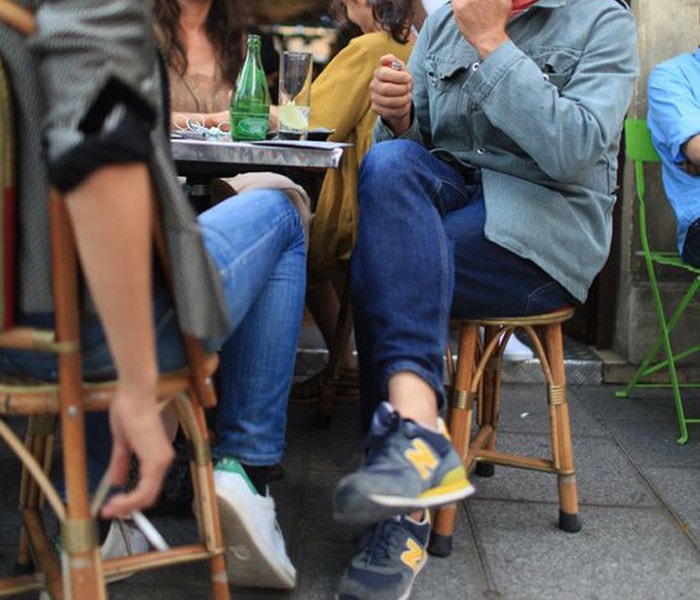
As daylight fades and locals transition to evening socializing, expectations around dress codes shift slightly, particularly in metropolitan dining and entertainment districts. While ultra-exclusive venues require formal attire, the vast majority of restaurants, bars, and cafes do not demand extreme formality. A standard evening template for male travelers involves swapping a daytime t-shirt for a well-fitted button-up shirt, paired with dark denim jeans and clean, minimalist leather sneakers. This combination bridges the gap between casual comfort and respectful presentation, satisfying the dress expectations of 99% of standard European establishments.
The Evolution of Specialized Travel Apparel
Over the past two decades, the market for specialized travel clothing has undergone a significant transformation. Pioneered by early-adopting backpackers in the mid-2000s, technical travel apparel was initially characterized by bulky, utilitarian outdoor gear constructed from stiff synthetic fabrics. Modern textile engineering, however, has successfully married high-performance functionality with contemporary fashion design.
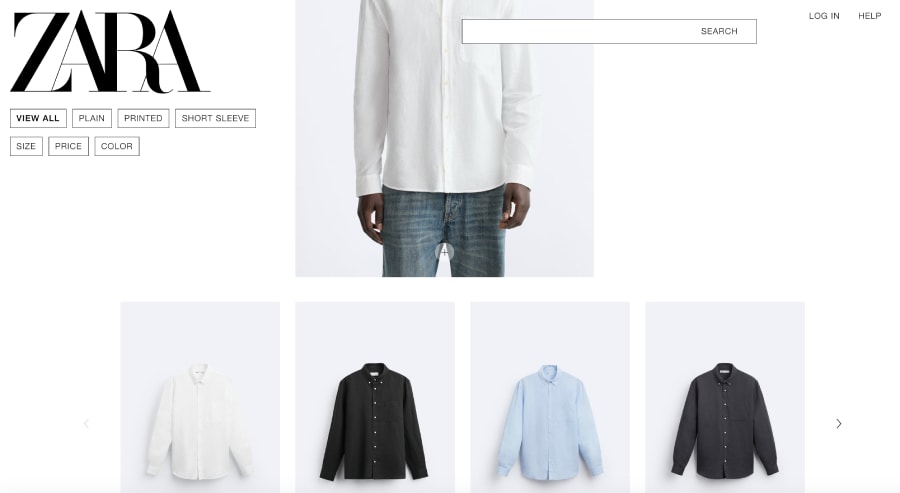
Today’s travel-specific garments—ranging from wrinkle-resistant merino wool shirts and moisture-wicking undergarments to weather-repellent travel trousers—frequently mimic the visual texture and drape of traditional cotton and wool. While specialized travel clothing is by no means mandatory for a successful trip, integrating a few technical pieces can dramatically reduce luggage weight, enhance comfort during transit days, and streamline laundry routines for extended journeys.
Ultimately, expert consensus suggests that travelers should avoid overthinking their wardrobes. The contemporary European landscape is remarkably diverse, multicultural, and pragmatic. By prioritizing well-fitting basics, versatile layering pieces, supportive yet understated footwear, and practical situational awareness, international visitors can navigate foreign cities with confidence, comfort, and discretion.