For decades, the archetype of the digital nomad has been tethered to the concept of self-employment—the freelancer, the consultant, or the creative entrepreneur building a business from the corner of a coffee shop. However, a significant shift in the global labor market is challenging this narrative, as professional, location-independent employment increasingly becomes a viable alternative to the volatility of the gig economy. Data from various labor market analysts suggests that the rise of "remote-first" corporate cultures, accelerated by the global pandemic, has fundamentally altered how multinational organizations source and retain top-tier talent.

The traditional path for those seeking a location-independent lifestyle often involved high levels of personal risk. Nomads were required to act as their own human resources, accounting, and sales departments. According to recent industry surveys, the "feast-or-famine" cycle remains the primary cited cause of burnout among long-term freelancers, with nearly 40% of independent contractors reporting that the administrative burden of client acquisition often consumes as much time as the professional services they provide.
A Chronology of the Remote Revolution
The transition toward global employment did not happen overnight. In the early 2010s, digital nomadism was largely synonymous with blogging, affiliate marketing, or small-scale freelance writing. As high-speed internet became more accessible globally, the profile of the digital worker began to diversify.
By 2018, the conversation began shifting from "work-from-home" to "work-from-anywhere." The 2020 global pandemic acted as a catalyst, forcing Fortune 500 companies to abandon their reliance on centralized offices. This period served as a mass proof-of-concept for remote operations. By 2022, HR departments began grappling with the legal complexities of "distributed teams," leading to the rapid growth of the Employer of Record (EOR) industry. This sector, which provides the legal infrastructure for companies to hire individuals in countries where they lack a physical office, has since become a pillar of modern international labor mobility.
The Mechanics of Global Employment
The primary hurdle to international remote work has historically been compliance, not capability. When an employee moves from one country to another, they trigger a cascade of regulatory requirements regarding social security, tax residency, and employment law. This is where the Employer of Record (EOR) has become a transformative force. An EOR acts as the legal employer, handling the complexities of local payroll, benefits, and tax filings while the employee continues to perform their duties for the primary organization.

Industry analysts note that this model offers a "middle path" for professionals. It provides the security of a permanent contract, including access to health insurance and retirement contributions, while simultaneously offering the freedom to reside in a jurisdiction of the employee’s choice. For employers, the EOR model provides access to a global talent pool without the capital expenditure required to establish legal subsidiaries in every country where they hire.
Supporting Data and Labor Market Trends

Recent labor market reports indicate that the demand for international remote roles is at an all-time high. A 2024 analysis of remote job postings showed that mentions of "global remote" or "hiring across time zones" have increased by 25% year-over-year. Furthermore, companies that explicitly state they are open to international talent report a 30% higher applicant conversion rate compared to those requiring local residency.
Economists observing this trend suggest that this is a structural shift rather than a temporary trend. Companies are increasingly viewing the world as a single, borderless labor market. The competition for specialized roles, particularly in software development, project management, and digital marketing, has incentivized firms to look beyond their own national borders to secure the best human capital.
Implications for the Modern Professional
This shift requires a change in how candidates present themselves to prospective employers. The "digital nomad" brand, which emphasizes lifestyle, is being replaced by a more outcome-oriented professional identity. Hiring managers at remote-first organizations prioritize candidates who can demonstrate reliability, asynchronous communication skills, and a clear understanding of legal and tax compliance.

For the modern professional, this means that while the dream of living in Lisbon, Chiang Mai, or Mexico City remains attainable, the focus must shift from the "freedom of travel" to the "reliability of output." Applicants are now encouraged to be transparent about their tax residency and time zone availability, as this clarity reduces the friction that often prevents companies from approving international remote arrangements.
Addressing Regulatory and Cultural Challenges
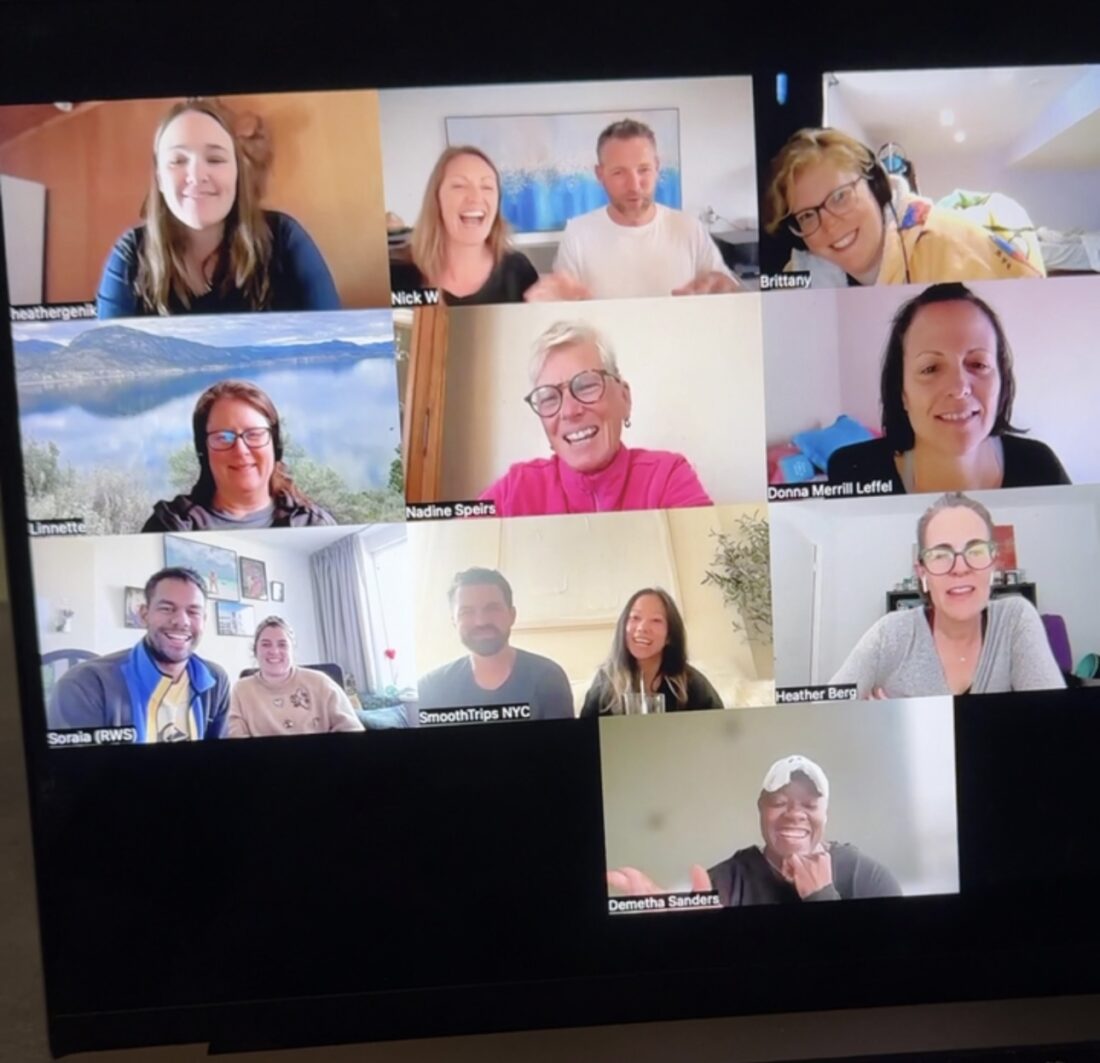
Despite the growth of this model, challenges persist. Many companies still operate within legacy systems that are not yet equipped for global distribution. Issues such as tax nexus—the point at which a company creates a tax obligation in a new country by employing someone there—remain a concern for legal departments.
However, as the EOR sector matures and the legal framework for "digital nomad visas" expands across Europe, Southeast Asia, and Latin America, these risks are being mitigated. Governments are beginning to recognize the economic benefits of hosting remote professionals who contribute to the local economy without competing for local entry-level jobs. This symbiotic relationship between nomad-friendly nations and global companies is expected to further stabilize the future of international remote work.

The Path Forward
The evolution from freelance nomadism to global employment represents a maturation of the digital economy. It suggests that the desire for autonomy does not necessarily require the sacrifice of stability. For many, the "nomad" label is becoming secondary to the professional role, as the focus shifts toward the ability to contribute to complex projects from any location.

The modern digital worker is no longer a freelancer by default. They are increasingly an international employee—a professional who navigates the complexities of global regulation to secure the benefits of a corporate career while enjoying the personal freedom that comes with global mobility. As more organizations adopt EOR solutions and remote-first policies, the distinction between a local employee and a global one will continue to blur, effectively democratizing access to high-value careers regardless of one’s geographic coordinates.
This transition marks the end of the "laptop-on-the-beach" mythos and the beginning of a more rigorous, stable, and sustainable era of work, where geography is a choice rather than a constraint. For the next generation of workers, the ability to work internationally is no longer just a lifestyle experiment—it is a sophisticated career strategy backed by the global infrastructure of the modern corporate world.
Related posts: