The Ultimate Modern Traveler’s Guide to Navigating Europe’s Complex and Iconic Rail Networks

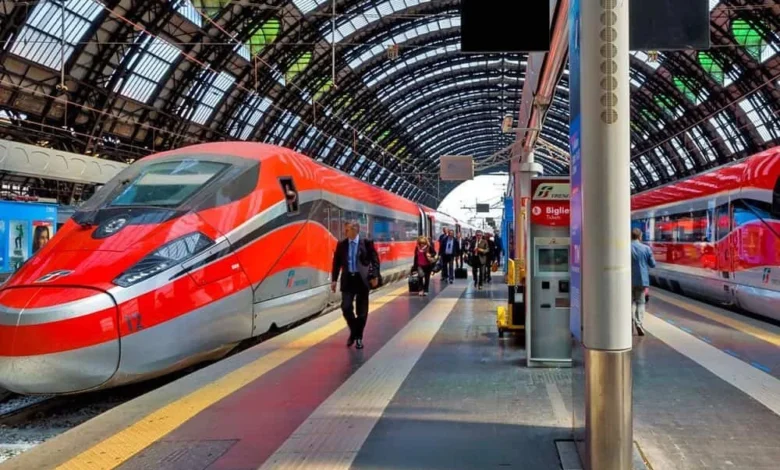
European train travel has long captured the global imagination, symbolizing an era of romanticism, efficiency, and inspiring scenic journeys. For international visitors, particularly those arriving from regions where passenger rail is less prominent, navigating the intricate network of European tracks can initially appear mysterious. However, with modern technological integrations, expanding high-speed networks, and a deeper understanding of ticketing structures, mastering European rail transit is entirely achievable for travelers of all experience levels.
Understanding the Mechanics of European Rail Networks
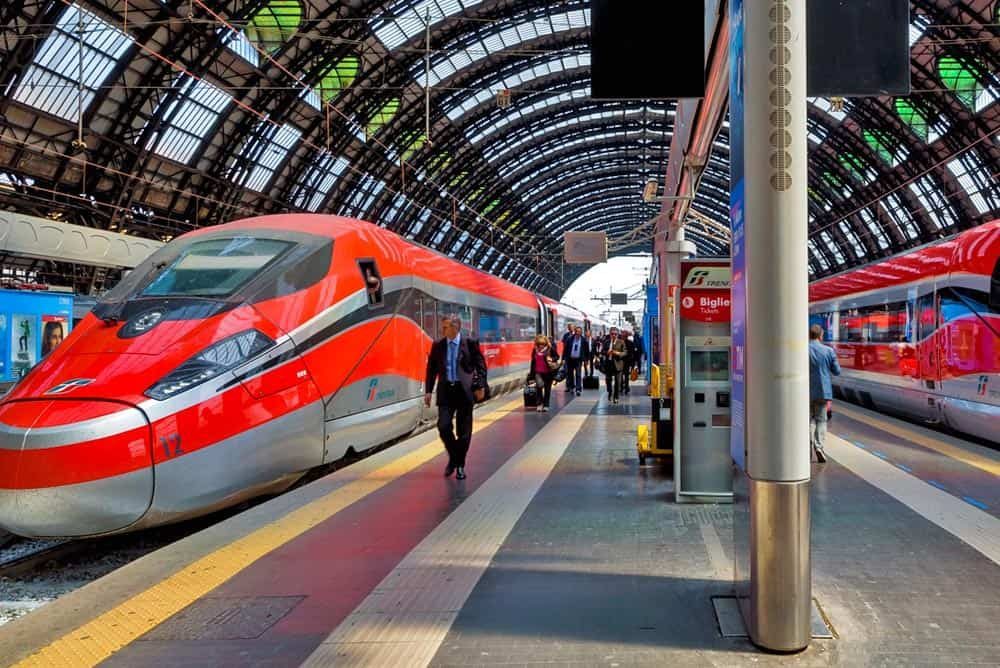
To successfully tour Europe by rail, travelers must first grasp how the continent’s vast transportation infrastructure operates. Unlike centralized systems found in some single-nation states, Europe’s rail network is a mosaic of national railway operators, private companies, and international high-speed lines. Each country manages its own primary transit system—such as Deutsche Bahn in Germany, SNCF in France, and Trenitalia in Italy—while collaborating across borders to facilitate seamless cross-continental journeys.
The integration of electronic ticketing has revolutionized how passengers interact with these systems. Today, physical paper tickets are increasingly being replaced by mobile-friendly digital passes and QR codes. Consequently, maintaining reliable mobile data connectivity on smartphones has become an essential travel requirement. Travelers are strongly advised to secure international roaming plans or local European SIM cards prior to departure to ensure uninterrupted access to digital train tickets, schedule updates, and platform changes.
Evaluating the Advantages and Disadvantages of Rail Travel
While rail transit remains the preferred method for exploring the continent, it presents a distinct set of operational benefits and challenges. On the positive side, trains offer unmatched comfort, generous luggage policies, and city-center-to-city-center arrivals that bypass the congestion and security delays typical of major airports. Passengers can enjoy spacious seating, onboard dining cars, and the freedom to move about during transit. Furthermore, rail travel carries a significantly lower carbon footprint compared to regional aviation, aligning with growing global demands for sustainable tourism.
Conversely, drawbacks do exist. High-speed rail tickets can become expensive when purchased at the last minute, and navigating multi-platform stations during peak travel hours can be intimidating for novices. Additionally, occasional labor strikes—most notably in countries like France and Germany—can disrupt schedules, requiring travelers to maintain flexible itineraries and monitor transit alerts closely.
Pre-Trip Planning and Route Optimization Strategies
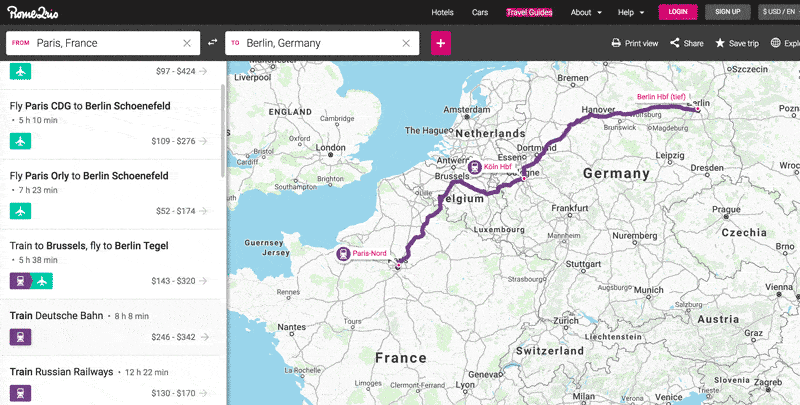
Effective journey planning is the cornerstone of a successful European rail adventure. Industry experts recommend utilizing comprehensive digital tools to compare transportation modes before finalizing bookings. Platforms such as Rome2Rio allow users to evaluate train routes alongside bus, car, and flight options, providing initial cost estimates and travel times.
For precise train scheduling, the German Railways official website (Bahn.de) remains an invaluable resource, offering exhaustive timetables for virtually every train operating across the European continent. While booking direct international tickets on national portals is sometimes necessary for specific regional promotions, third-party aggregators like Omio and Trainline are widely praised for their user-friendly interfaces, multi-currency support, and comprehensive ticket listings.
Decoding Train Ticket Pricing: Fixed Versus Variable Fares

Purchasing European train tickets requires an understanding of the two primary pricing structures: variable fares and fixed fares. High-speed and long-distance trains typically operate on variable pricing models. Similar to airline ticket economics, these fares fluctuate based on demand, seasonality, day of the week, and how far in advance the purchase is made. Securing tickets weeks or months ahead of time on high-speed routes often results in substantial financial savings, with advance-purchase discounts regularly cutting ticket costs by half or more.
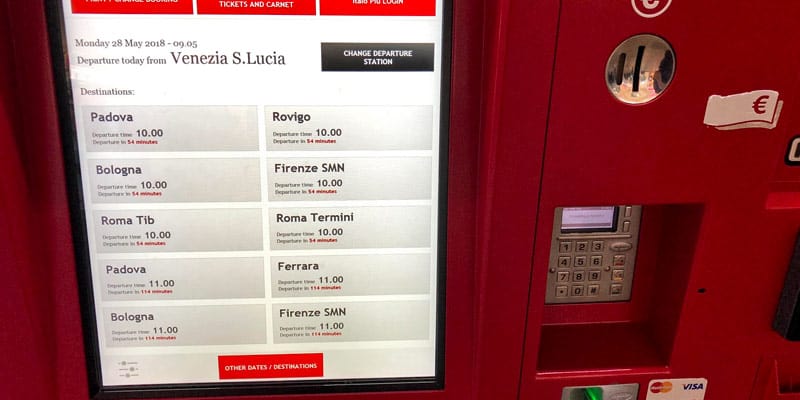
In contrast, regional and local trains operate on fixed-price fares. These ticket costs are calculated strictly by the distance traveled, meaning the price remains identical whether purchased months in advance or minutes before departure at an automated station kiosk. For regional travel, advance booking yields no financial benefit, preserving spontaneity for travelers exploring rural or non-high-speed corridors.
The Eurail Pass Alternative: Maximizing Flexibility
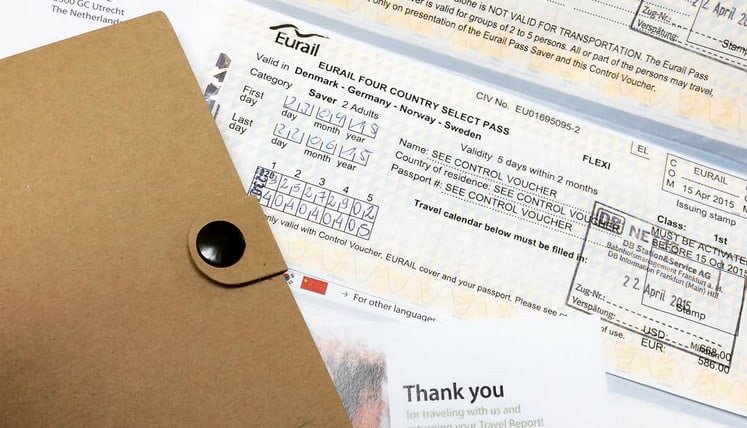
For travelers prioritizing spontaneity over rigid scheduling, Eurail Passes offer an alternative approach. A Eurail Pass functions as a broad travel credential, permitting holders to board designated rail networks across multiple countries without purchasing individual point-to-point tickets. Passes are available in continuous formats—allowing unlimited travel over a set number of weeks—or flexible formats, which grant a specific number of travel days within a broader timeframe.
While rail passes can deliver significant savings for intensive multi-country itineraries, travelers must account for potential caveats. Certain high-speed and international routes require mandatory seat reservations for pass holders, which often carry separate supplementary fees. Assessing whether individual advance-ticket purchases or a rail pass is more cost-effective requires mapping out a preliminary itinerary and calculating cumulative point-to-point fares.
Navigating Major European Train Stations
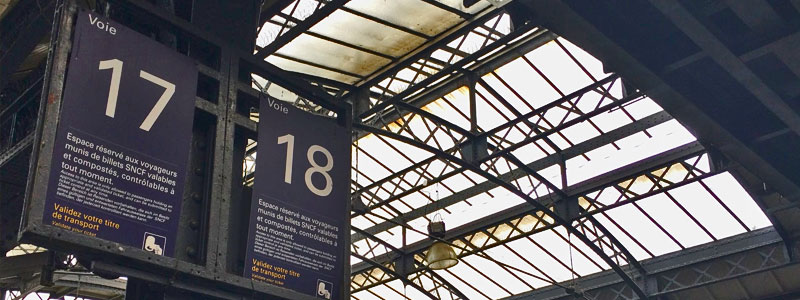
Upon arrival at a European train station, travelers encounter bustling transportation hubs that serve as the focal points of urban transit. Major metropolitan areas frequently house multiple stations—Paris, for instance, operates six distinct terminal hubs—making it crucial to confirm the precise departure station in advance.
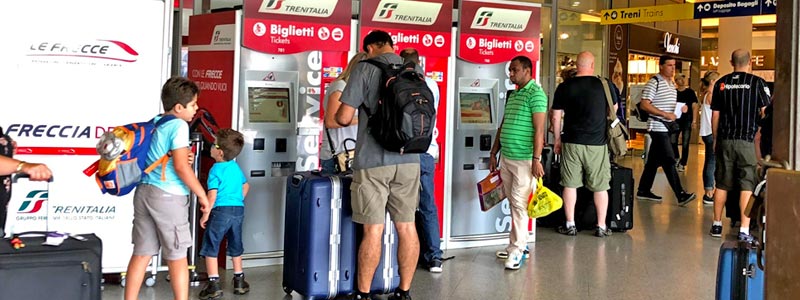
Station infrastructure typically includes amenities such as currency exchange bureaus, cafes, retail shops, restrooms (often fee-based), and secure luggage storage lockers. However, the high volume of transient passengers also attracts opportunistic pickpockets and scammers. Travelers are strongly cautioned to maintain constant vigilance over their belongings and to politely decline unsolicited assistance from strangers at automated ticket kiosks.
Decoding Departure Boards and Platform Logistics
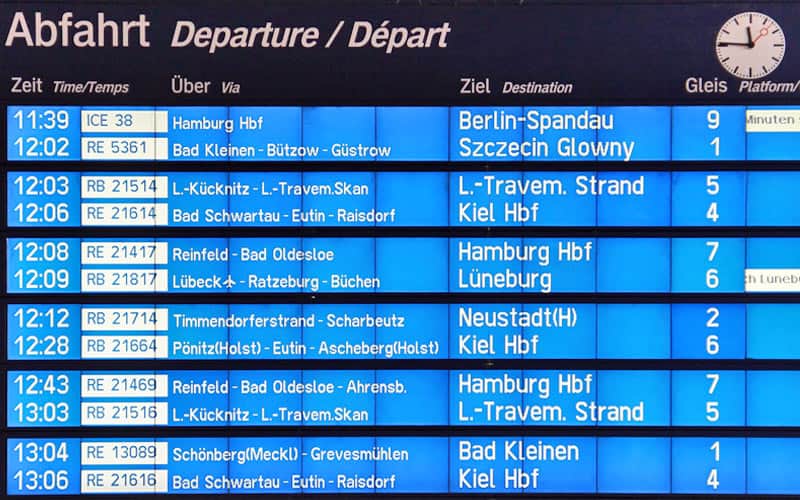
Successfully boarding a train depends on accurate interpretation of station departure boards. While tickets display scheduled departure times and train numbers, platform assignments are frequently withheld until 10 to 15 minutes before departure to manage platform congestion. Passengers must monitor main electronic departure boards closely to identify their assigned platform as soon as it is posted.
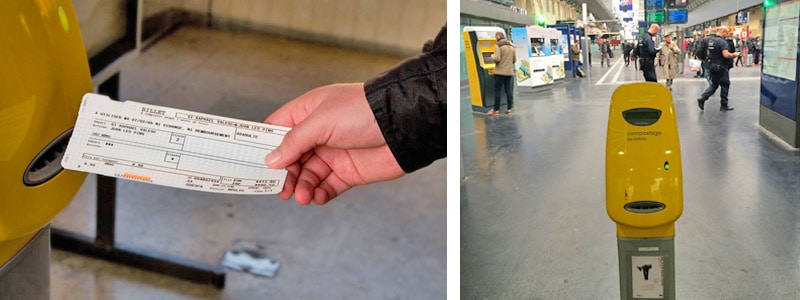
Once the platform is announced, travelers navigate to the designated track. For physical paper tickets issued by certain national railways, validating the ticket in yellow or orange stamping machines located near platform entrances is mandatory before boarding. Failure to validate physical tickets can result in steep on-board fines from ticket conductors. Electronic tickets displayed on mobile devices generally do not require manual validation, as they are tied to specific scheduled departures.
Boarding, Seating, and Onboard Etiquette

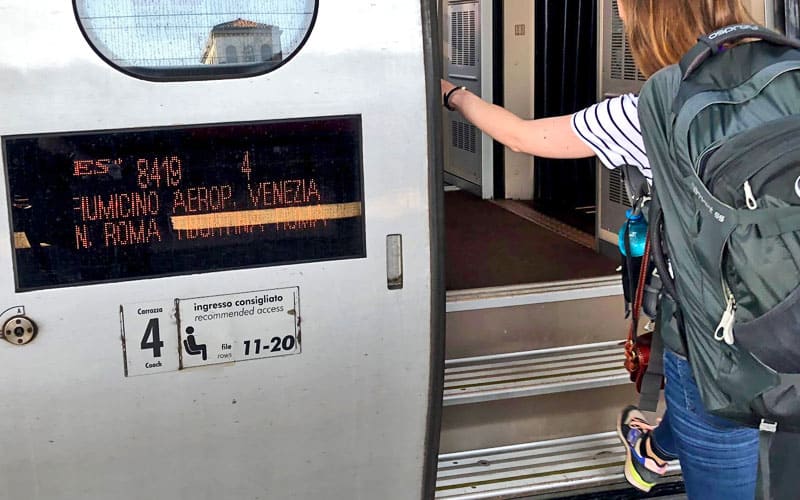
Upon locating the correct train, passengers must verify their assigned coach and seat numbers, which are indicated on their tickets and displayed on electronic or physical signage alongside the exterior of each railcar. Overhead racks and dedicated luggage compartments at the car entrances accommodate baggage of varying sizes.
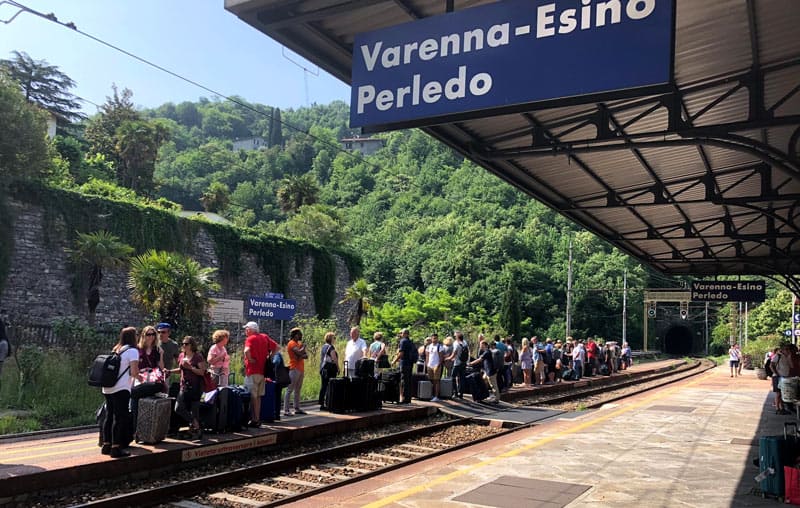
Shortly after departure, a train conductor will walk the aisle to inspect tickets and digital passes. Throughout the journey, passengers enjoy the freedom to utilize onboard amenities, visit the dining car, or simply observe the changing landscape. Upon reaching the destination, travelers must remain alert to station announcements, paying careful attention to secondary stops that share similar names to the primary urban terminus to ensure they disembark at the correct location.

Broader Economic and Tourism Implications
The efficiency and ubiquity of Europe’s rail network continue to serve as a vital economic engine for the tourism sector, facilitating regional mobility and distributing economic benefits beyond major capital cities into smaller towns and rural communities. As European transportation authorities continue to invest in cross-border high-speed rail corridors and night-train revivals, rail travel is projected to maintain its status as the gold standard for sustainable, continent-wide exploration.