The Ultimate Guide to Travelling on the Eastern & Oriental Express: A Journey Through Malaysia

The Eastern & Oriental Express, operated by Belmond, represents one of the most sophisticated travel experiences in Southeast Asia. This luxury train service, which traverses the lush landscapes of the Malay Peninsula, offers a unique intersection of colonial-era elegance and modern, high-end hospitality. Starting from Singapore, the journey functions not merely as a mode of transit but as an immersive cultural experience, allowing passengers to witness the diverse geography of Malaysia—from the bustling urban centers to the serene, verdant countryside—within the confines of meticulously restored, world-class carriages.

Historical Context and Operational Background

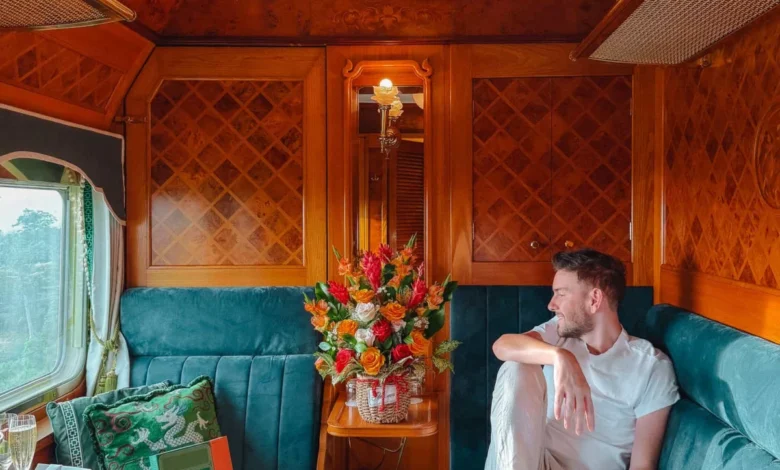
The train service, famously known as the sister to the legendary Venice Simplon-Orient-Express, has been a cornerstone of luxury rail travel in the region since it first began operations in 1993. The train itself is a masterpiece of design, with carriages that evoke the golden age of travel, featuring intricate wood paneling, silk upholstery, and period-appropriate fixtures.

The route typically originates at the Woodlands Train Checkpoint in Singapore. This location serves as the primary gateway for the journey, requiring passengers to navigate necessary international border formalities before embarking on the train. Once the immigration process is completed, the transition into the world of the Eastern & Oriental Express is stark, moving from the utilitarian environment of a border station into the polished, refined atmosphere of the train’s interior. The logistical precision of the operation is a hallmark of the Belmond brand, which manages to streamline what could otherwise be a complex border crossing into a seamless, white-glove experience.

The Logistics of Luxury Rail Travel

Traveling on the Eastern & Oriental Express requires significant pre-departure planning, a process that reflects the high level of service expected from such a premium offering. Passengers are typically contacted by an onboard concierge approximately one month prior to their departure. This proactive communication is essential for organizing a bespoke itinerary, including the selection of excursions and the scheduling of services at the onboard Dior Spa.

Because capacity within the spa facilities is limited, advance booking is not just recommended but necessary. Furthermore, the train’s operational constraints necessitate careful luggage management. Due to the limited physical space within the sleeping cabins, the train staff employs a system where larger pieces of luggage are securely stored in a separate, dedicated baggage carriage. This system allows passengers to maintain a comfortable living space in their staterooms while having easy access to smaller, hand-luggage-style bags for daily essentials.

Accommodations: Pullman, State, and Presidential Categories

The sleeping arrangements on the Eastern & Oriental Express are tiered into three distinct categories: the Pullman Cabin, the State Cabin, and the Presidential Suite. Each category provides a different level of space and amenities, but all maintain the same aesthetic standard of luxury.

The Pullman Cabin, while the most compact, is designed for efficiency and comfort, featuring bunk-style beds that provide an authentic rail-travel experience. The State Cabin, a more popular mid-tier option, provides a more spacious environment with two convertible single beds that function as comfortable lounge sofas during the daylight hours. At the pinnacle of the train’s accommodation offerings is the Presidential Suite, which provides the most expansive living area and premium amenities.

A defining feature of the onboard service is the role of the personal butler assigned to each cabin. These staff members are responsible for the transformation of the cabins from daytime lounging areas into sleeping quarters during the evening hours, typically while guests are occupied with dinner service. This level of service ensures that guests are never burdened with the logistics of their own living space.

Communal Carriages and Social Dynamics

Despite the clear separation of private cabins, the Eastern & Oriental Express is designed to foster a sense of community among passengers. The train is equipped with several communal areas, including the Observation Car and the Piano Bar, which serve as the social hubs of the journey. The Observation Car is situated at the rear of the train, offering panoramic views of the Malaysian landscape. It is widely regarded as the most peaceful area of the train, providing a perfect setting for quiet reflection or a midday drink.

The Piano Bar is the heart of the train’s evening social life. Here, live musicians provide entertainment, creating an atmosphere that is both lively and sophisticated. The bar offers an extensive selection of cocktails, fine wines, and champagne. Unlike many other luxury rail services that can feel somewhat exclusionary, the Eastern & Oriental Express encourages guests to interact. The dining arrangements, which rotate seating assignments between various table sizes, facilitate conversation between different groups of travelers. While the service is attentive and formal, it is notably warm and avoids the "stiff" atmosphere often associated with traditional high-end travel.

Gastronomy and Service Standards

Dining is a central component of the experience on the Eastern & Oriental Express. The train features two dedicated restaurant carriages, where guests are served a curated menu that highlights both international culinary standards and regional Malaysian flavors. The quality of the food is consistent with the high price point of the journey, with menus changing to reflect the freshest local ingredients sourced during the train’s various stops.

The service is highly choreographed. Each meal—breakfast, lunch, and dinner—is served in the restaurant cars, with staff moving through the train to ensure that every guest is accommodated. The rotation of dining companions is a deliberate choice by the operators, aimed at encouraging guests to form connections, though they remain flexible for those who prefer more private dining experiences.

The Wellness Component: The Dior Spa

A significant development in the train’s recent history is the integration of a dedicated Dior Spa carriage. This facility marks a departure from standard luxury rail amenities and speaks to the evolving expectations of the modern luxury traveler. The spa features two treatment rooms and a retail space where guests can purchase branded merchandise, including champagne flutes and tiffin boxes—the latter being a nod to the local culinary heritage of the region. Given the high demand for spa services, guests are encouraged to secure their appointments during the initial pre-departure concierge contact, as availability is strictly limited.

Routes and Seasonal Considerations

The most popular route, and the one that defines the "Essence of Malaysia" journey, takes passengers through key historical and cultural sites including Langkawi, Penang, and the city of Ipoh. These excursions are fully included in the ticket price, which is a significant value-add for the passenger. The excursions are diverse, ranging from guided historical tours to immersive cooking classes, providing a comprehensive look at the regions the train traverses.

It is important for potential travelers to note that seasonality has a significant impact on both the pricing and the availability of these journeys. Due to the limited number of carriages and high demand, booking several months in advance is the standard for securing a preferred date.

Broad Impact and Industry Implications

The Eastern & Oriental Express occupies a unique niche in the global travel market. By combining the romantic nostalgia of the train era with the modern branding of partners like Dior and the hospitality expertise of Belmond, the service has remained relevant in a market increasingly dominated by high-speed air travel. The success of this model suggests that there is a growing segment of the travel market willing to pay a premium for "slow travel"—journeys where the experience of movement is as important as the final destination.

While the train offers a high-end experience, it is not without the realities of rail travel. Even on a luxury line, the physical motion of the train is present, and guests are advised that the experience is best suited for those who find the rhythm of the rails relaxing rather than disruptive.

For those interested in exploring beyond the Malaysian route, the broader Belmond rail network offers a variety of similar experiences, including the legendary Venice Simplon-Orient-Express in Europe, the newly introduced Britannic Explorer in the United Kingdom, and the Andean Explorer in Peru. Each of these services, while distinct in its regional identity, shares the same DNA of luxury, attention to detail, and a commitment to preserving the tradition of the grand railway journey. As global travel trends continue to shift toward experiential and sustainable luxury, the Eastern & Oriental Express stands as a testament to the enduring appeal of the rail journey.