Off the Beaten Path: 12 Unorthodox Global Adventures for 2027 and Beyond

The modern travel landscape is increasingly dominated by overtourism, homogenized resort corridors, and viral social media hotspots that often leave visitors yearning for authenticity. Challenging this conventional approach to global exploration, adventure travel operator Intrepid Travel has released its strategic lineup of experiential itineraries for 2027, anchored by its annual "Not Hot List." Drawing inspiration from Henry David Thoreau’s existential philosophy that self-discovery begins in the unfamiliar, these newly curated routes intentionally bypass mainstream destinations. Instead, they steer travelers toward remote wildernesses, deeply preserved indigenous cultures, and alternative geographic escapes designed to challenge comfort zones and foster genuine human connection.
The Shift Toward Regeneration and Low-Density Tourism
The release of the 2027 adventure roster reflects a broader macroeconomic and sociological shift within the global tourism industry. According to recent market analysis from tourism boards and independent hospitality groups, traveler demand has pivoted sharply away from passive, mass-market vacations toward active, knowledge-based, and regenerative journeys. Destinations that prioritize low-density visitor numbers, local community empowerment, and environmental preservation are seeing a surge in interest.
Intrepid’s annual Not Hot List serves as a direct counter-programming measure against overcrowding at major world wonders. By redirecting tourist capital to lesser-known regions—such as the green highlands of Jordan instead of its desert centerpieces, or Sumba instead of Bali—the travel sector is attempting to distribute economic benefits more equitably while protecting fragile ecosystems from environmental degradation.
- Glimpse Greenland’s Wild West
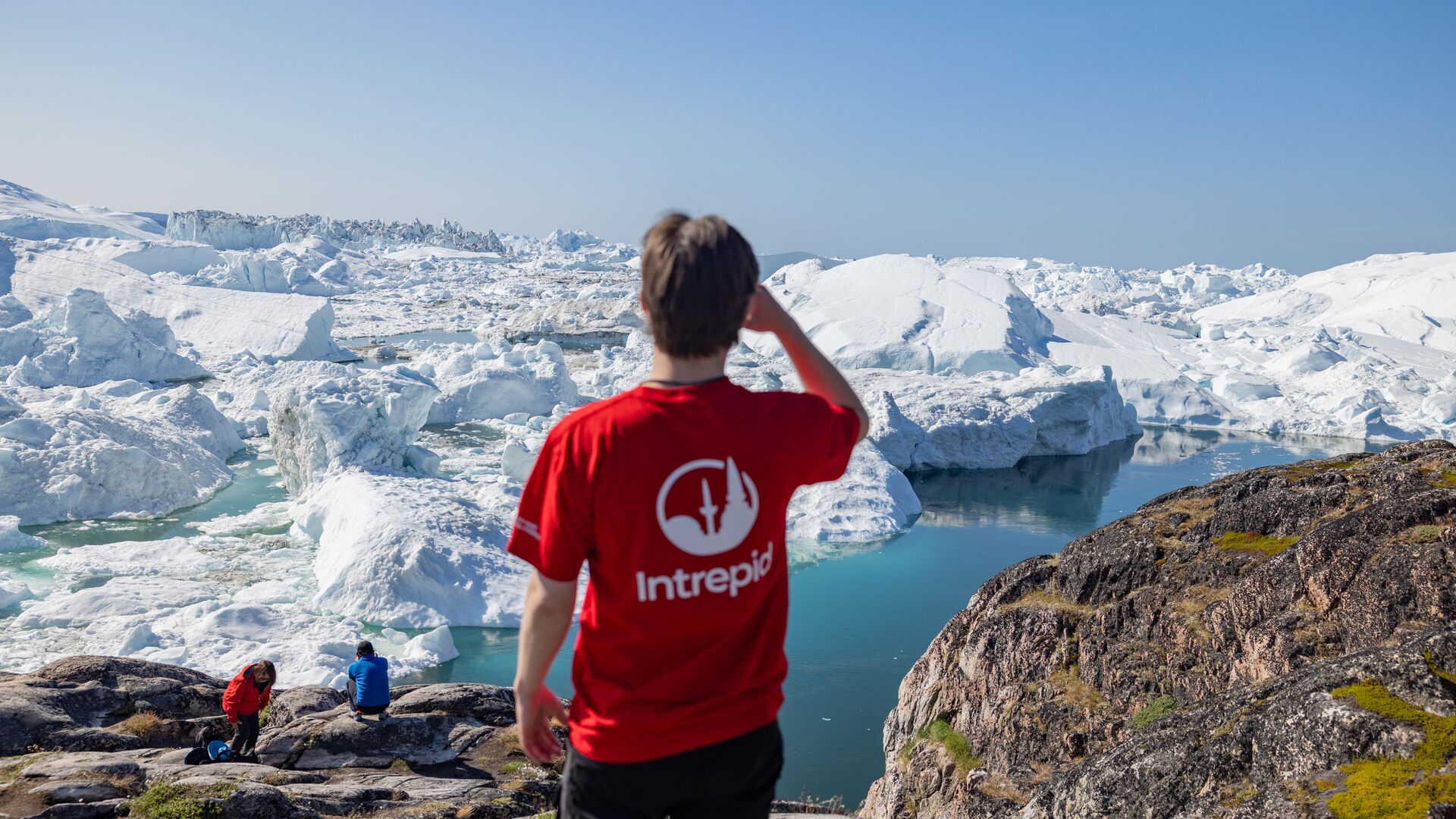
Opening the window to the Arctic’s stark majesty, the western coast of Greenland is stepping into the spotlight through elevated wilderness experiences. Travelers exploring Disko Bay are introduced to a landscape defined by towering architecture of ice, specifically viewed from accommodations like the iceberg-shaped Ilimanaq Lodge.
Contextual background highlights that western Greenland is experiencing increased accessibility due to newly developed regional infrastructure, yet it remains fundamentally pristine. Trips featuring the UNESCO-protected Ilulissat Icefjord allow visitors to witness the massive calving events of the Sermeq Kujalleq glacier. Furthermore, cultural excursions into the historic Inuit settlement of Sermermiut provide critical context regarding Arctic resilience and indigenous heritage, far removed from standard polar cruise corridors.
- Hike Georgia’s Remote Svaneti Mountains
Nestled in the northwestern corner of Georgia, the Svaneti region has long held a mythical status among hardcore mountaineers and trekking enthusiasts. Characterized by forbidding Caucasus peaks, crisp alpine air, and the distinct traditions of the Indigenous Svan people—famous for their medieval defensive towers—the area represents a masterclass in isolated cultural preservation.
Recognized as a premier inclusion on the 2027 Not Hot List, Svaneti is increasingly accessible via sections of the newly integrated Transcaucasian Trail. Explorations here involve physically demanding traverses, including treks to the Chalaadi glacier and the high-altitude meadows surrounding Ushguli, one of the continuously inhabited settlements in Europe at nearly 2,100 meters above sea level.
- Go Deeper in Jordan’s Northern Highlands
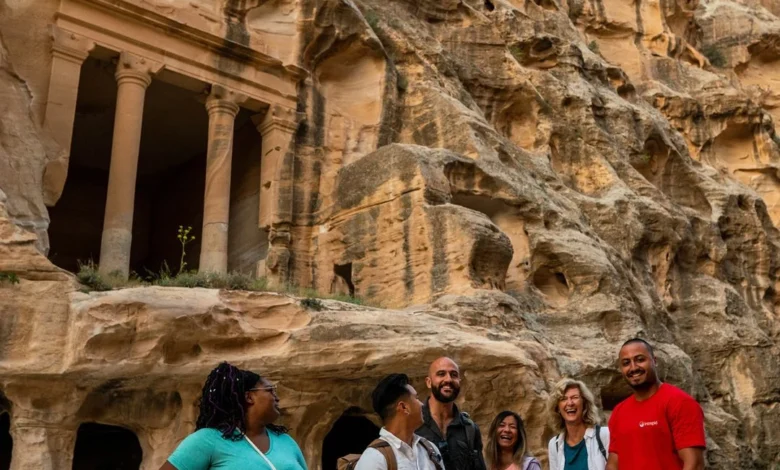
While global travelers have long flocked to the rose-red sandstone of Petra and the sweeping orange dunes of Wadi Rum, Jordan’s ecological diversity extends far beyond its famous deserts. The country’s Northern Highlands present a verdant, fertile alternative that forms the focal point of recent community-based tourism initiatives.

The integration of the Ajloun, Yarmouk, and Dibeen forest reserves into mainstream adventure itineraries marks a strategic effort by regional developers to support rural economies. Travelers engaging with this region participate in grassroots exchanges, working alongside community beekeepers, traditional cheesemakers, and local artisans. Staying in community-run guesthouses underscores Jordan’s deep-rooted traditions of hospitality, offering a socio-economic model that directly benefits rural families rather than centralized resort conglomerates.
- See Rwanda from the Saddle
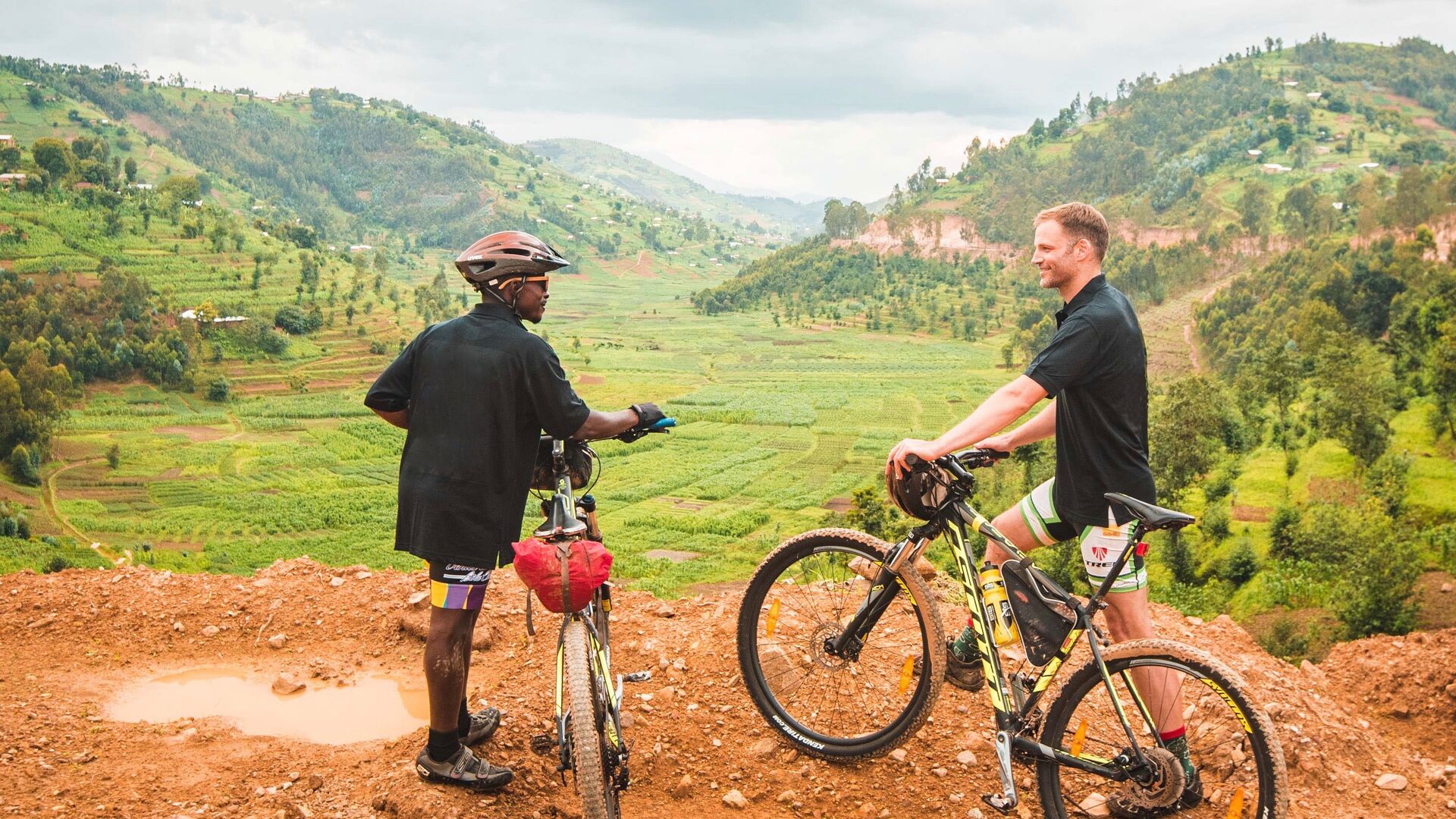
Known globally as the "Land of a Thousand Hills," Rwanda presents an intensely topographic challenge for endurance athletes and cycling enthusiasts. The development of high-altitude cycling infrastructure, including sections of the Congo Nile Trail and routes utilized during the UCI Road World Championship, has opened the country to adventure tourism on two wheels.
This cycling route system bridges the gap between active sports tourism and environmental conservation. Cyclists traverse high-altitude national parks where chimpanzees roam in Nyungwe Forest, descend into the misty valleys of the Virunga Mountains, and retain the option to transition to trekking boots for encounters with endangered mountain gorillas. Economically, this multi-modal tourism model encourages longer visitor stays and higher local expenditure.
- Slow Travel in Whitehorse, Yukon Territory
Canada’s northern territories have historically functioned as transient hubs—places travelers pass through quickly en route to more remote wilderness expeditions. However, urban and rural centers like Whitehorse, the capital of the Yukon, are repositioning themselves as cultural destinations in their own right.
Earning a nomination on the 2027 Not Hot List, Whitehorse is redefining northern tourism through slow travel paradigms. Itineraries featuring extended multi-night stays allow visitors to engage deeply with local First Nations communities. Guided explorations led by Tlingit guides from the Kluane First Nation offer historical and ecological insights into the subarctic environment, complemented by visits to regional hot springs and sustainable wildlife viewing areas.
- An Alternative Island Escape in Sumba
As Indonesia’s primary tourism hub, Bali, grapples with the pressures of overtourism, neighboring islands are emerging as sustainable alternatives. Sumba, located east of Bali, offers a starkly different cultural and geographical experience, characterized by megalithic tombs, traditional thatched-roof villages like Ratenggaro and Prai Ijing, and rolling savanna landscapes.
Tourism development in Sumba is strictly managed to preserve traditional animist customs, traditional weaving practices, and indigenous agricultural methods. Travelers to the island engage in authentic community interactions rather than commercialized shows, complemented by natural attractions such as the turquoise waters of Waikuri Lagoon, the white sands of Puru Kambera, and the photogenic mangrove sunsets of Walakiri Beach.
- Explore Mexico’s Central Heartland
While coastal resorts and Baja peninsulas dominate Mexico’s international tourism profile, the country’s central heartland harbors a rich tapestry of industrial heritage, Indigenous history, and biodiversity. Touring the blue agave fields outside Guadalajara provides immediate context to the production of Mexico’s most famous export, tequila.
Beyond spirits, itineraries traversing Guanajuato delve deep into colonial architecture, regional folk music history, and Indigenous traditions. The journey frequently culminates in the Sierra Gorda biosphere reserve—a lesser-known protected area featuring dramatic cloud forests, steep canyons, and native habitats supporting rare endemic species such as the axolotl, highlighting Mexico’s commitment to interior conservation tourism.
- Stargaze in Kenya’s Samburu National Reserve
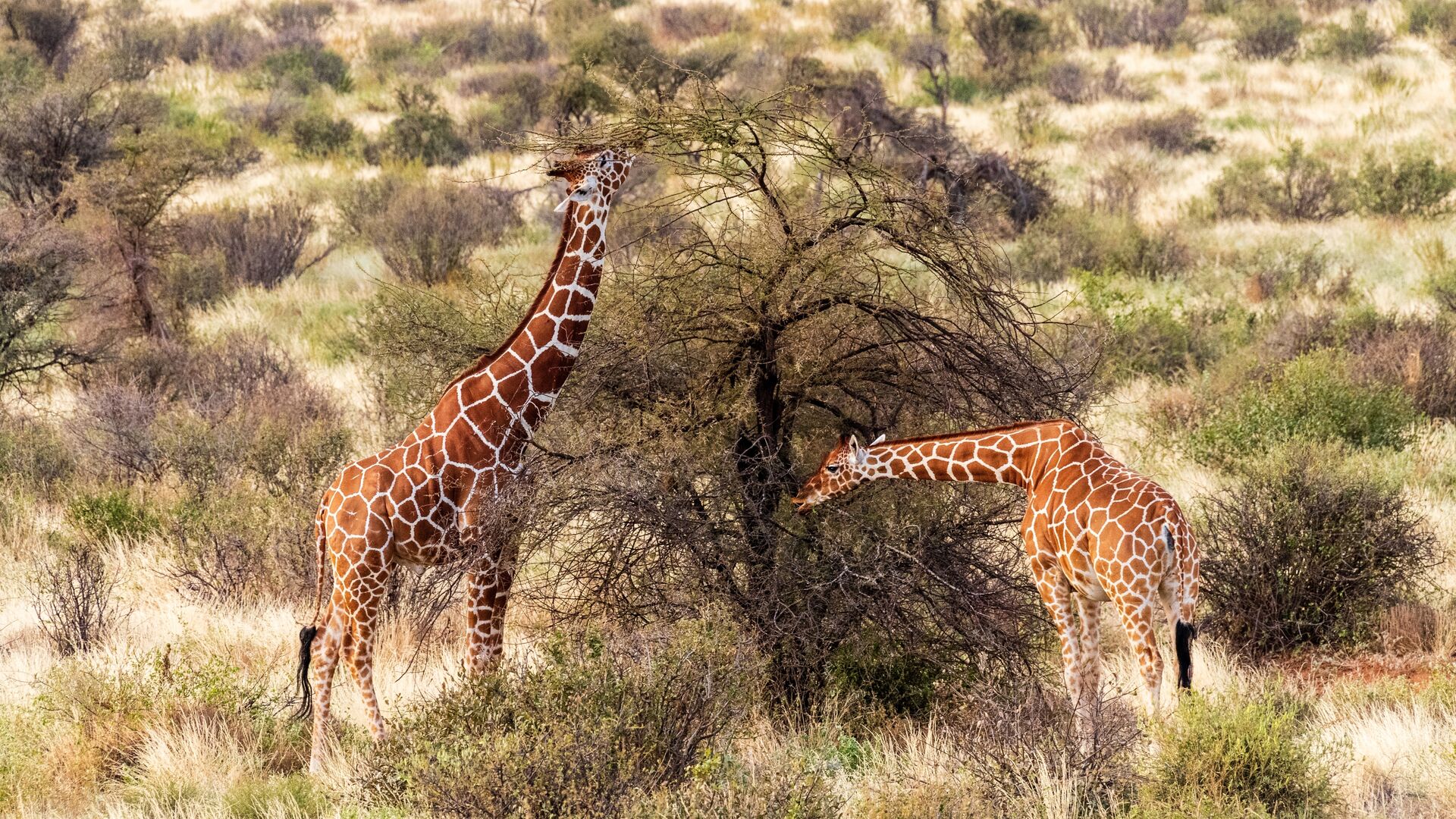
Kenya’s massive wildlife parks, such as the Maasai Mara, frequently attract dense concentrations of safari vehicles. In response, conservation groups and tour operators are drawing attention to northern alternatives like the Samburu National Reserve, which earned a prominent spot on the 2027 Not Hot List.

Samburu offers encounters with the "Samburu Special Five"—rare arid-adapted species including the reticulated giraffe, Grevy’s zebra, Beisa oryx, Gerenuk, and Somali ostrich. Beyond daytime game drives, the region has pioneered astro-tourism initiatives. Evening programs combine indigenous Samburu folklore with professional astronomy, utilizing clear northern skies for stargazing sessions around community-managed campfires, alongside visits to rhino sanctuaries in Ol Pejeta.
- Discover the Authentic Maldives
The popular perception of the Maldives is inextricably linked to ultra-luxury, isolated resort islands catering to high-net-worth honeymooners. However, a significant legislative and infrastructural shift over the past decade has opened up the inhabited local islands to independent travelers through guesthouse tourism.
Adventures focusing on "Maldives Beyond the Beaches" challenge the resort-bubble model by embedding travelers directly into local island communities. Visitors share home-cooked meals on Goidhoo, dine with fishermen on Thuladhoo, and stay in locally operated guesthouses on Thoddoo. This framework ensures that tourism revenue flows directly into local pockets, supporting municipal infrastructure while providing educational insights into marine conservation and coral reef preservation.
- Seek Peace on Sri Lanka’s Pekoe Trail
Sri Lanka’s tourism sector has experienced a remarkable resurgence, supported heavily by the recent establishment of the Pekoe Trail. Spanning 300 kilometers of meticulously mapped footpaths across the island’s central highlands, this long-distance trail system connects historical tea estates, rural villages, and cloud forests.
Recognized as a key destination on the 2027 Not Hot List, the trail allows hikers to bypass congested tourist hubs in favor of the tranquil, mist-shrouded landscapes of Tea Country. The socio-economic implications of the Pekoe Trail are profound, as it breathes new life into rural economies that historically depended solely on plantation agriculture, allowing visitors to camp under the stars amidst historic tea fields.
- Admire Norway’s Arctic Winter Wonderland
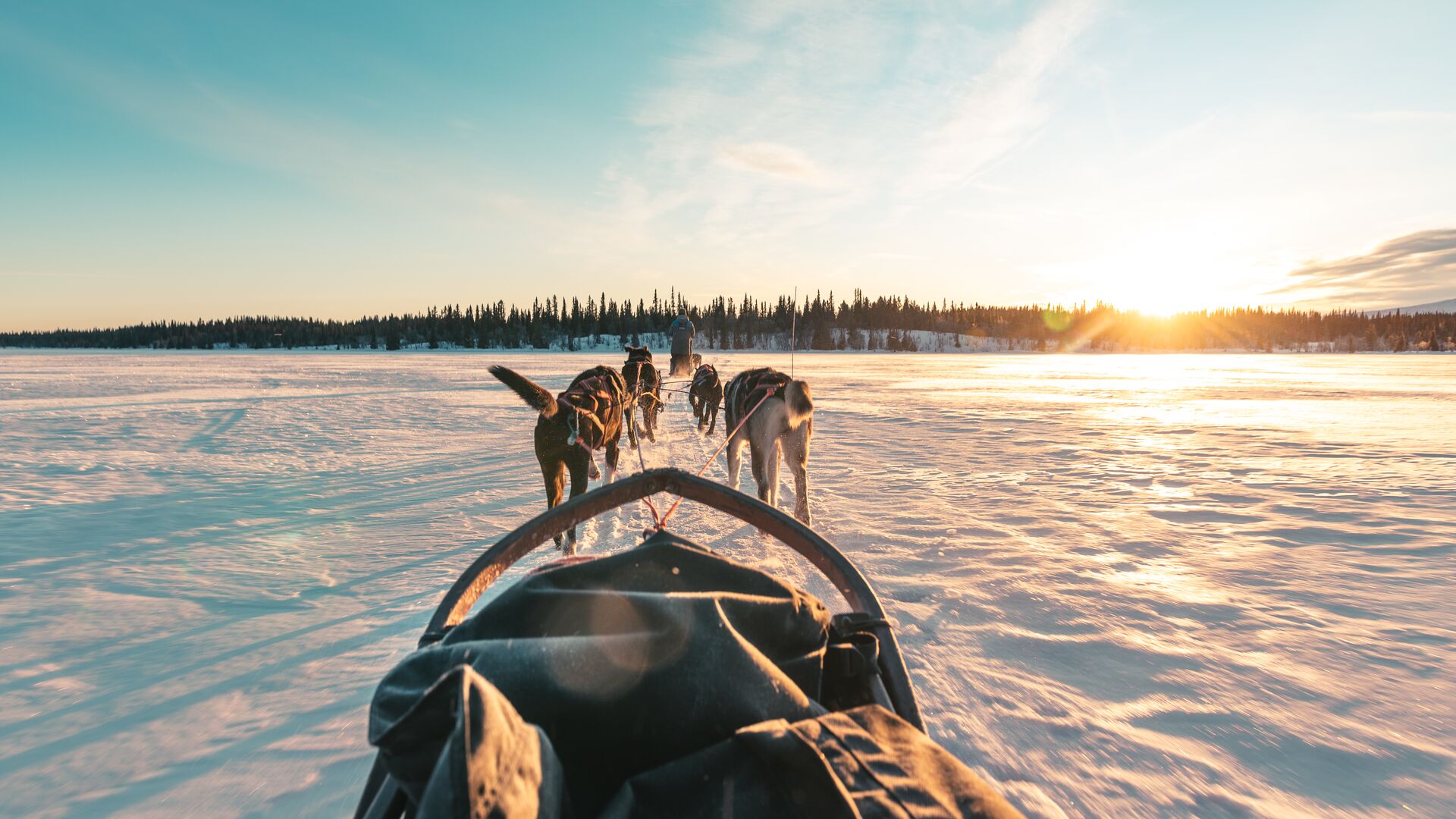
Far above the Arctic Circle, northern Norway offers an intense, dramatic winter climate characterized by polar night conditions, deep fjords, and high probabilities of viewing the aurora borealis. Travel during this period requires specialized preparation and a willingness to embrace extreme weather environments.
Adventures in regions such as the Skjervoy archipelago focus on marine wildlife safaris tracking orcas and humpback whales as they feed on migrating herring stocks. Concurrently, cultural expeditions into Sápmi provide travelers with insights into the Indigenous Sami people, their reindeer-herding traditions, and historical relationships with the Arctic ecosystem, far removed from southern urban centers.
- Take a Immersive Family Trip to Taiwan
Redefining multi-generational travel, family-oriented itineraries in Taiwan are shifting away from generic theme parks and standardized resorts toward immersive culinary and cultural education. Designed for families with children, these routes incorporate hands-on workshops where participants craft bubble tea—invented in Taichung—and learn the intricate techniques required to prepare traditional beef noodle soup and Taiwanese bao.
Urban explorations of night markets are balanced with historical walks along Shifen’s active railway street, bicycle excursions around the perimeter of Sun Moon Lake, and coastal conservation efforts on Lambai Island, a critical nesting habitat for green sea turtles. By engaging directly with indigenous Meixi communities, these itineraries aim to instill cross-cultural awareness and a respect for biodiversity in younger travelers from an early age.
Broader Industry Implications and Future Outlook
The collective pivot toward these unorthodox global destinations signals a maturing travel market. Industry analysts project that as traveler awareness regarding carbon footprints, overtourism, and economic leakage grows, demand for off-the-beaten-path itineraries will continue to outpace traditional mass-market tourism. By distributing tourist traffic across emerging regions, supporting local guesthouse networks, and prioritizing ecological preservation, the travel sector is attempting to forge a more resilient and equitable model for the future.