Navigating the Pandemic: How Rural Tourism and Ecotourism Operators Are Adapting to COVID-19 Realities

The global tourism industry has experienced an unprecedented contraction due to the COVID-19 pandemic, with international travel coming to a virtual standstill in the spring of 2020. Major tour operators worldwide found themselves grounding operations for months, facing severe revenue losses and lingering uncertainty extending deep into 2021. Yet, while urban centers and mass-market tourism destinations saw historic declines, a different narrative began to unfold in the countryside. The great outdoors, characterized by vast open spaces and natural social distancing, offered a distinct advantage. Rural destinations, marked by low population densities and remote settings, emerged as potential safe havens for travelers seeking to escape densely populated virus hotspots.
For businesses specializing in rural excursions, ecotourism, and community-based travel, the pandemic presented a complex paradox: a unique opportunity to capture a specialized market of nature-seeking travelers, balanced against profound logistical hurdles, shifting governmental policies, and the health anxieties of host communities. Examining how these businesses have adapted provides a critical lens into the resilience and evolution of sustainable tourism during a global health crisis.
The Initial Impact and the Shift Toward the Outdoors
When the World Health Organization declared COVID-19 a global pandemic in March 2020, international borders closed rapidly. Airlines grounded fleets, cruise lines paused operations, and land-based tour operators canceled itineraries. For the first several months, the entire ecosystem of global mobility froze.
As lockdowns eased during the summer months of 2020, domestic travel flickered to life in various regions, and a distinct consumer preference emerged. Travelers increasingly favored remote, open-air destinations over crowded urban resorts, theme parks, and capital cities. Rural areas, national parks, and wilderness reserves saw a surge in domestic interest. Proponents of rural tourism anticipated a potential boom, reasoning that wide-open spaces naturally mitigated airborne transmission risks.
However, translating this consumer desire into operational success required navigating an intricate maze of constantly shifting border restrictions, health protocols, and community concerns. To better understand how rural tourism enterprises managed these dynamics, industry experts tracked operations firsthand. Kirsi Hyvaerinen, a member of the Board of Directors at the Global Ecotourism Network, undertook an overland journey between August and October 2020, traveling from Montenegro to Finland and back. Her observations revealed that the rural tourism businesses successfully operating amidst the pandemic shared specific operational traits: transparent communication of safety protocols, deep integration with local health guidelines, flexibility in booking terms, and a strong foundational commitment to the surrounding communities.
Policy-Level Obstacles and Consumer Confidence
Despite the theoretical appeal of rural isolation, tour operators faced severe macroeconomic and regulatory roadblocks largely outside their control. Vicky Smith, a sustainable tourism consultant and founder of Earth Changers—a curated platform for positive-impact travel—highlighted that the primary impediments stemmed from governmental policies rather than a lack of consumer desire.
"The biggest challenges appear perhaps more at a policy level," Smith noted. "In the UK, for example, the Foreign, Commonwealth & Development Office currently advises British nationals against all but essential international travel, with the exemption of some listed countries and territories."
This governmental guidance carried immediate financial consequences. Official advisory warnings against non-essential travel render travel insurance policies null and void for non-exempt destinations, even if airlines are operating routes and health-related risks are manageable for individual travelers. Consequently, potential tourists were legally and financially barred from booking international excursions.
Furthermore, the volatility of government exemption lists crippled consumer confidence. The lists of "safe" or exempt destinations frequently shifted on a weekly basis. Travelers faced the constant threat of mandatory, unplanned quarantines upon their return home. This high degree of unpredictability proved too disruptive for most consumers, resulting in a persistent downward pressure on bookings throughout late 2020 and early 2021.
The Community Dilemma: Protecting Vulnerable Populations
Beyond governmental red tape, rural tourism providers encountered a grassroots challenge: apprehension from local residents. While urban centers often recorded the highest viral infection rates, tourists frequently had to transit through these metropolitan areas to reach remote rural retreats.
Rural communities were acutely aware of this vulnerability. Many remote regions lacked the advanced hospital infrastructure, intensive care unit (ICU) capacity, and medical supplies necessary to manage a localized outbreak. As a result, some rural suppliers and residents viewed incoming travelers not as economic saviors, but as potential vectors for a devastating virus spread. This tension forced tourism operators to carefully balance economic survival with the ethical imperative of community protection.
Prioritizing Local Resilience and Social Responsibility
In response to these multifaceted challenges, successful rural tourism enterprises adopted a strategy that looked far beyond traditional marketing. Rather than focusing exclusively on attracting tourists, resilient operators leaned heavily into supporting their local populations, transforming their businesses into pillars of community welfare.
Industry analysts point to notable examples of this ethos in action. The Grootbos Private Nature Reserve in South Africa leveraged its established foundation to massively scale up its community feeding programs during the pandemic. Facing widespread school closures—which cut off children from their primary source of daily nutrition—the reserve organized a free meals initiative. By June 18, 2020, the program had distributed thousands of meals daily, feeding between 1,700 and 2,300 people per day. By July 7 of that year, the cumulative total reached an astounding 125,502 meals provided to vulnerable community members.
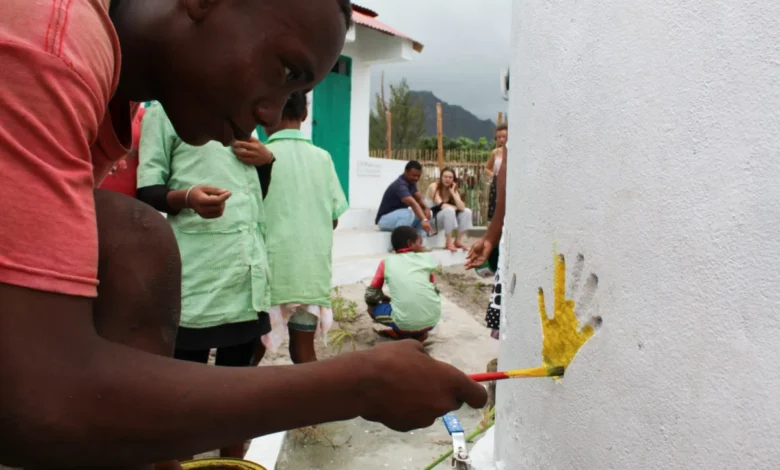
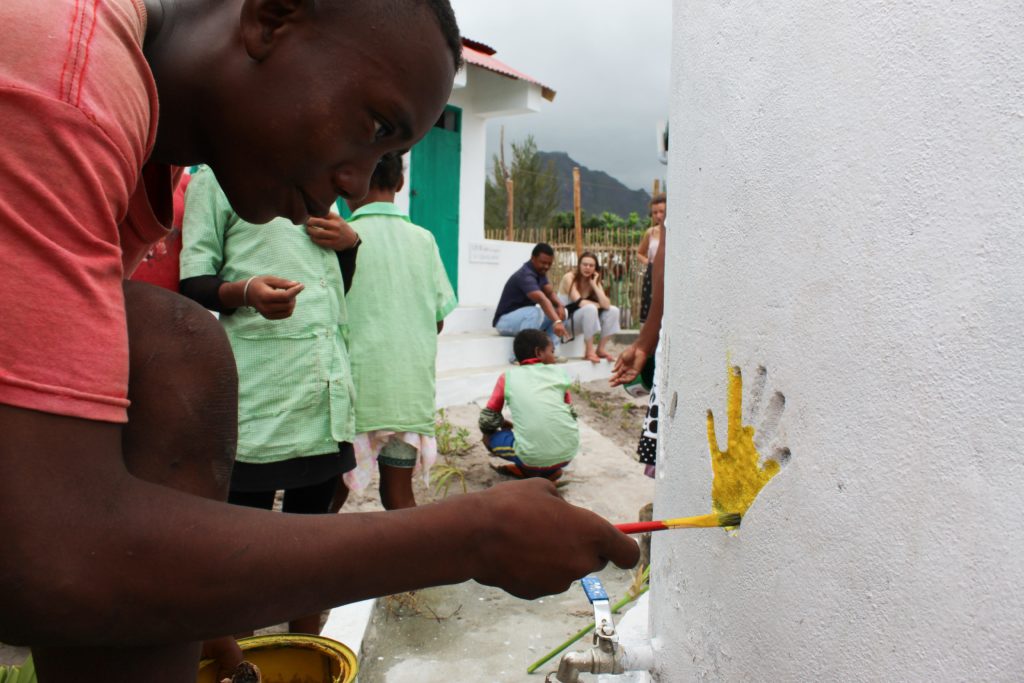
Similarly, the non-governmental organization and conservation group Seed Madagascar demonstrated the vital intersection of tourism operations and public health infrastructure. Welcoming conservation volunteers and travelers under strict protocols, Seed Madagascar directed its resources toward supporting local governmental health initiatives. Throughout the height of the pandemic, the organization purchased and distributed essential medical thermometers for local healthcare facilities, constructed fourteen public hand-washing stations in high-traffic rural areas, and mobilized local workers to manufacture and distribute hundreds of protective face masks.
Experts emphasize that these actions were not merely superficial public relations campaigns, but rather the manifestation of core organizational values. "The pandemic has magnified and clearly demonstrated company values and behavior," Smith observed. "We’ve all seen companies who have behaved irresponsibly in the pandemic, which will be remembered. Those who have stepped up will equally be remembered for their help. This isn’t a cynical PR play, it’s organizations staying true to their values of supporting local people and places, which they’ve always done, and now it’s virtually understood."
Operational Adaptations in the COVID-19 Era
Further insights into managing a tourism enterprise during a global health crisis come from Ariane Janer, a sustainable tourism consultant and the technical director of Instituto Homo Caballus, an NGO and equestrian center that experienced cycles of closure and reopening. Janer and other sustainable tourism leaders stress that operational survival requires strict adherence to health protocols, clear communication with guests, and an agile business model capable of pivoting toward domestic and regional markets when international borders close.
Operators who successfully navigated the crisis implemented rigorous sanitation standards, transitioned to contactless booking and check-in procedures, and redesigned itineraries to eliminate crowded indoor spaces. By pivoting toward hyper-local and domestic tourism markets, these businesses managed to sustain cash flow while international travel restrictions remained in place.
Broader Implications for the Future of Tourism
The convergence of the COVID-19 pandemic and the resilience of rural tourism has triggered a broader reassessment of the global travel industry. For decades, the dominant paradigm in tourism was defined by volume, convenience, and hyper-globalization. Mass tourism often strained local infrastructure, generated excessive carbon footprints, and distanced travelers from the cultural and ecological realities of the destinations they visited.
The pandemic exposed the extreme fragility of this volume-driven model. Conversely, it highlighted the relative durability and ethical grounding of community-based ecotourism and rural travel. By prioritizing local community health, environmental conservation, and authentic, low-density experiences, rural tourism operators have laid down a blueprint for a more sustainable future.
As the global community eventually moves past the acute phases of the COVID-19 pandemic, the lessons learned by rural tour operators, NGOs, and ecotourism advocates are expected to influence industry standards for years to come. Travelers are displaying a heightened awareness of health security, ethical corporate behavior, and environmental impact. While the road to full economic recovery for the tourism sector remains long and complex, the adaptive strategies forged in the crucible of 2020 and 2021 demonstrate that purposeful, community-centered tourism can not only survive global crises, but emerge from them stronger and more deeply valued.