Where to Stay Near America’s Best National Parks for Wildlife and Outdoor Adventure

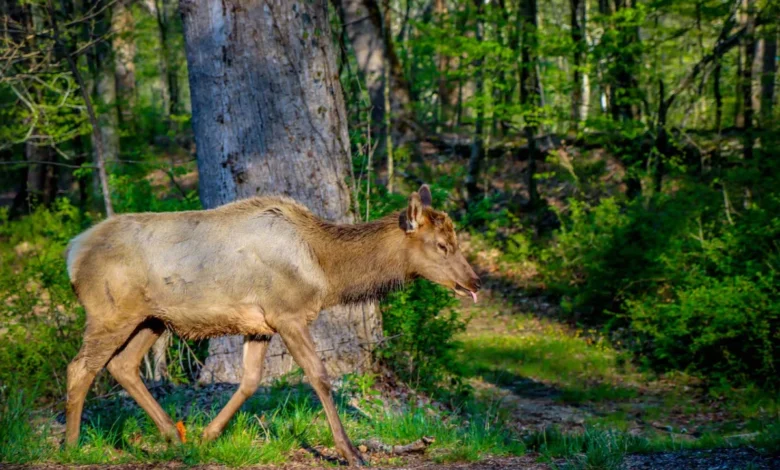
The United States National Park System encompasses more than 85 million acres of protected wilderness, drawing over 300 million recreational visitors annually. From the sweeping, bison-studded valleys of the Mountain West to the subtropical wetlands of the Southeast and the mist-shrouded temperate rainforests of the Pacific Northwest, these public lands represent the nation’s most biologically diverse sanctuaries. However, as visitation numbers continue to strain infrastructure, the logistics of trip planning have evolved. Navigating park boundaries, managing traffic congestion, and securing optimal lodging have become critical components of a successful itinerary.
Strategic base camp selection is no longer merely a matter of convenience; it is a vital conservation and logistical tactic. Staying in close proximity to primary park gates allows travelers to mitigate the environmental and personal costs of prolonged vehicle idling, bypass peak-hour congestion bottlenecks, and access delicate ecosystems during critical dawn and dusk wildlife viewing windows. As tourism economists and park rangers frequently emphasize, where a traveler sleeps dictates how deeply they connect with the landscape and how heavily they impact local resources.

The Evolution of Gateway Communities and Park Logistics
The historical blueprint of visiting America’s national parks relied heavily on rustic in-park lodges, many of which were constructed by the railroad companies and the National Park Service during the early 20th century. Today, historical concession lodging often books out up to a year in advance, shifting the burden of accommodation onto surrounding gateway communities. These municipalities have transformed from sleepy pit stops into vital economic engines and cultural hubs for the outdoor recreation sector.
Modern park planners recommend a hub-and-spoke lodging model, particularly for geographically expansive parks where distinct ecosystems are separated by hours of driving. By selecting accommodations tailored to specific geographical objectives—such as early morning ungulate tracking in alpine meadows or twilight kayaking in coastal estuaries—visitors optimize their travel time while distributing economic benefits to local businesses rather than transient corporate entities.
Rocky Mountain National Park: Alpine Peaks and Valley Ungulates
Situated along the spine of Colorado’s Front Range, Rocky Mountain National Park spans over 265,000 acres of high-altitude terrain. The park is internationally renowned for its dramatic vertical relief, rising from 7,860 feet to 14,259 feet at the summit of Longs Peak. This extreme elevation gradient creates distinct life zones, from lush montane valleys to barren alpine tundra, supporting robust populations of Rocky Mountain elk, bighorn sheep, moose, and mule deer.

Choosing the correct gateway community is essential due to the Continental Divide, which bisects the park and prevents transversal commuting on anything other than Trail Ridge Road—a seasonal alpine highway closed for a significant portion of the year due to heavy snowfall.
- Estes Park (Eastern Gateway): Positioned directly at the eastern entrance, Estes Park functions as the commercial heartbeat for the park’s most visited corridors, including Bear Lake and Moraine Park. Visitors basing themselves here gain immediate access to Trail Ridge Road and an extensive network of alpine trailheads. The town features a robust infrastructure of mountain lodges, independent cabins, and diverse dining establishments, making it ideal for travelers seeking proximity to wildlife-rich meadows alongside urban amenities.
- Grand Lake (Western Gateway): For travelers prioritizing tranquility and proximity to aquatic habitats, Grand Lake offers a quieter, lakefront alternative. Located on the western edge of the park, it serves as the prime launching point for observing moose along the winding corridors of the Colorado River. The town retains a historic frontier aesthetic, anchored by a wooden boardwalk, local art galleries, and access to Colorado’s largest natural lake.
Yellowstone National Park: The Serengeti of North America
Established in 1872 as the world’s first national park, Yellowstone covers nearly 2.2 million acres primarily in Wyoming, extending into Montana and Idaho. Geologically famous for holding roughly half of the world’s geothermal features, including the Old Faithful geyser, the park is equally celebrated for its megafauna. The northern range, particularly the Lamar Valley, functions as a premier wildlife viewing arena where visitors can routinely observe free-roaming bison herds, grizzly bears, black bears, gray wolves, and pronghorn.
Because Yellowstone’s road system forms a massive figure-eight spanning hundreds of miles, lodging outside the park requires careful geographical alignment to avoid multi-hour transit times.

- Gardiner, Montana (Northern Entrance): Situated directly at the historic Roosevelt Arch, Gardiner places visitors immediately adjacent to the northern range and Mammoth Hot Springs. Wildlife is frequently active right outside the town limits, particularly during the winter and spring months when ungulates migrate to lower elevations. Gardiner offers a rugged, year-round economy driven by outfitters, wildlife guides, and local eateries.
- West Yellowstone, Montana (Western Entrance): This historic gateway town provides rapid access to the park’s premier geothermal basins and the Lower and Upper Geyser Basins. Retaining classic frontier architecture and historic saloons, West Yellowstone accommodates high volumes of visitors while maintaining a distinct Old West character and comprehensive logistical services for backcountry excursions.
Olympic National Park: A Triad of Distinct Ecosystems
Located on Washington State’s Olympic Peninsula, Olympic National Park is celebrated for its rare ecological diversity, encompassing nearly one million acres of protected land divided into three distinct habitats: glacier-capped mountains, temperate rainforests, and a wild Pacific coastline. This microclimatic variety supports endemic species such as the Roosevelt elk, sea otters, and black bears.
Due to the physical barrier of the Olympic Mountains, no roads cross the center of the park, making perimeter lodging a necessity.
- Port Angeles (Northern Gateway): Serving as the primary urban gateway on the Strait of Juan de Fuca, Port Angeles grants direct access to Hurricane Ridge and the scenic shores of Lake Crescent. The coastal downtown area offers rich maritime heritage, local seafood dining, and ferry connections to Vancouver Island, British Columbia.
- Forks and La Push (Western Gateway): For travelers focused on exploring the Hoh, Quinault, and Quillayute rainforests alongside the wave-swept Pacific beaches, staying on the western peninsula is imperative. These remote, mist-draped communities provide moody, atmospheric lodging options deeply connected to the timber and fishing heritage of the Pacific Northwest.
Everglades National Park: Subtropical Wilderness and Avian Sanctuaries
Protecting the largest subtropical wilderness in the United States, Everglades National Park spans 1.5 million acres of dynamic wetlands at the southern tip of Florida. Designated as an International Biosphere Reserve, a World Heritage Site, and a Wetland of International Importance, the park safeguards critical habitats for endangered species, including the Florida panther, the West Indian manatee, and the American crocodile, alongside massive wading bird colonies.

- Homestead and Florida City (Eastern Gateways): Located just south of Miami, these agricultural hubs offer direct access to the Ernest F. Coe Visitor Center and the Royal Palm district. Visitors find budget-friendly accommodations, local fruit stands, and logistical staging points before entering the marshlands.
- Everglades City (Western Gateway): Positioned on the Gulf Coast, Everglades City acts as the gateway to the Ten Thousand Islands. It offers quiet accommodations, eco-tour outfitters, and deep-rooted access to kayaking and boating through coastal mangrove estuaries.
Acadia National Park: Granite Peaks and Atlantic Coastlines
Occupying the rugged coast of Maine primarily on Mount Desert Island, Acadia National Park protects more than 49,000 acres of granite peaks, historic carriage roads, and maritime forests. As one of the most visited national parks per acre, managing visitor density is a primary operational challenge for park administrators.
- Bar Harbor (Primary Gateway): As the historic anchor for Acadia tourism, Bar Harbor features a walkable downtown, coastal dining, and immediate access to the Park Loop Road. To mitigate traffic congestion and lower carbon emissions, visitors are encouraged to utilize the Island Explorer—a free, propane-powered shuttle system connecting downtown lodging directly to trailheads.
- Southwest Harbor and Tremont (The "Quiet Side"): For travelers seeking refuge from peak summer tourism, the western side of Mount Desert Island offers a relaxed maritime environment characterized by working lobster wharves, artisan shops, and unhurried access to lesser-known coastal inlets.
Sustainable Tourism Frameworks and Future Implications
As national park visitation stabilizes at record highs, managing ecological impact remains an urgent priority for the National Park Service and local municipalities. The implementation of timed-entry reservation systems in parks such as Rocky Mountain and Acadia reflects a broader management shift toward visitor dispersion and resource protection.
Travelers engaging with these public lands are urged to adhere to standardized Leave No Trace principles. Key protocols include maintaining a minimum distance of 25 yards from most wildlife and 100 yards from bears and wolves, utilizing telephoto equipment rather than approaching animals, remaining strictly on designated trails to prevent fragile alpine and desert soil erosion, and minimizing single-use plastics. By combining strategic lodging choices with responsible outdoor ethics, visitors help ensure the ecological integrity and accessibility of America’s protected wild spaces for future generations.
Related posts: