Beyond the Beaches: Exploring Florida’s Diverse Inland Hiking Trails and Ecosystems

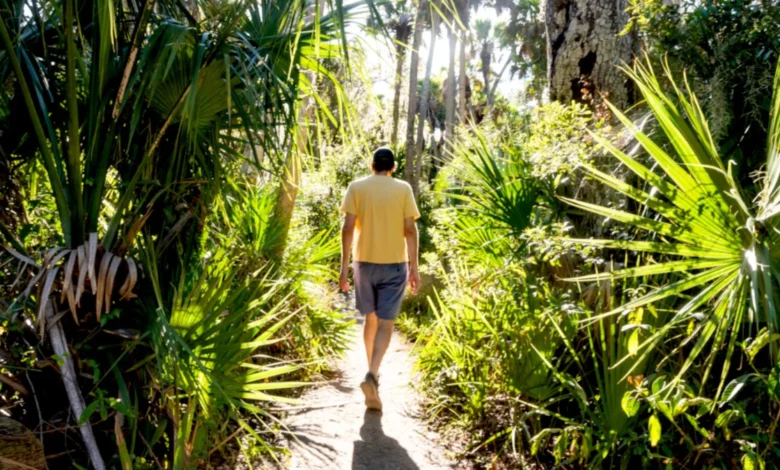
While Florida is globally renowned for its sprawling white-sand coastlines, world-famous amusement parks, and vast subtropical wetlands, venturing inland reveals a dramatically different and surprisingly rugged landscape. Far from the sea level marshes, the state’s interior hosts an intricate network of elevation changes, ancient shorelines, dense hardwood hammocks, and deep, shaded ravines that offer a stark contrast to typical coastal tourism. For outdoor enthusiasts seeking alternatives to month-long thru-hikes, the Sunshine State maintains numerous pet-friendly, all-season trails that span from ancient dunes to dense cypress swamps. Open generally from dawn to dusk—with select locations offering affordable overnight camping options—these six distinct trails highlight the ecological depth and topographical variety hidden just beyond Florida’s metropolitan and coastal hubs.
Azalea Trail at Ravine Gardens State Park: A Historic Depression
Located in Palatka, Florida, the Azalea Trail at Ravine Gardens State Park introduces visitors to terrain vastly different from the state’s flat coastal planes. Encompassing a 2.5-mile loop, this trail takes hikers through steep paths intertwined with the ancient root systems of mature azalea bushes, navigating historic stone staircases and narrow dirt tracks. Two suspension bridges span a spring-fed creek, which cuts through a dense canopy of ferns, mosses, and native hardwood trees.
Established initially as a Works Progress Administration (WPA) project during the Great Depression in the 1930s, Ravine Gardens stands as a testament to historical landscape architecture integrated into a natural geological formation. The ravine itself was formed by water erosion over millennia, creating a rare geographical depression up to 120 feet deep in a predominantly flat state. While the park is accessible year-round for a nominal entrance fee of $5 per vehicle and $2 for pedestrians and bicyclists, its prime operational highlight occurs during the regional azalea blooming season. From late January through March, thousands of flowering shrubs erupt into vibrant displays of pink, red, and white, drawing botanists, photographers, and casual hikers alike.
Myakka Trail at Myakka River State Park: Expansive Prairie and Wetland Ecosystems
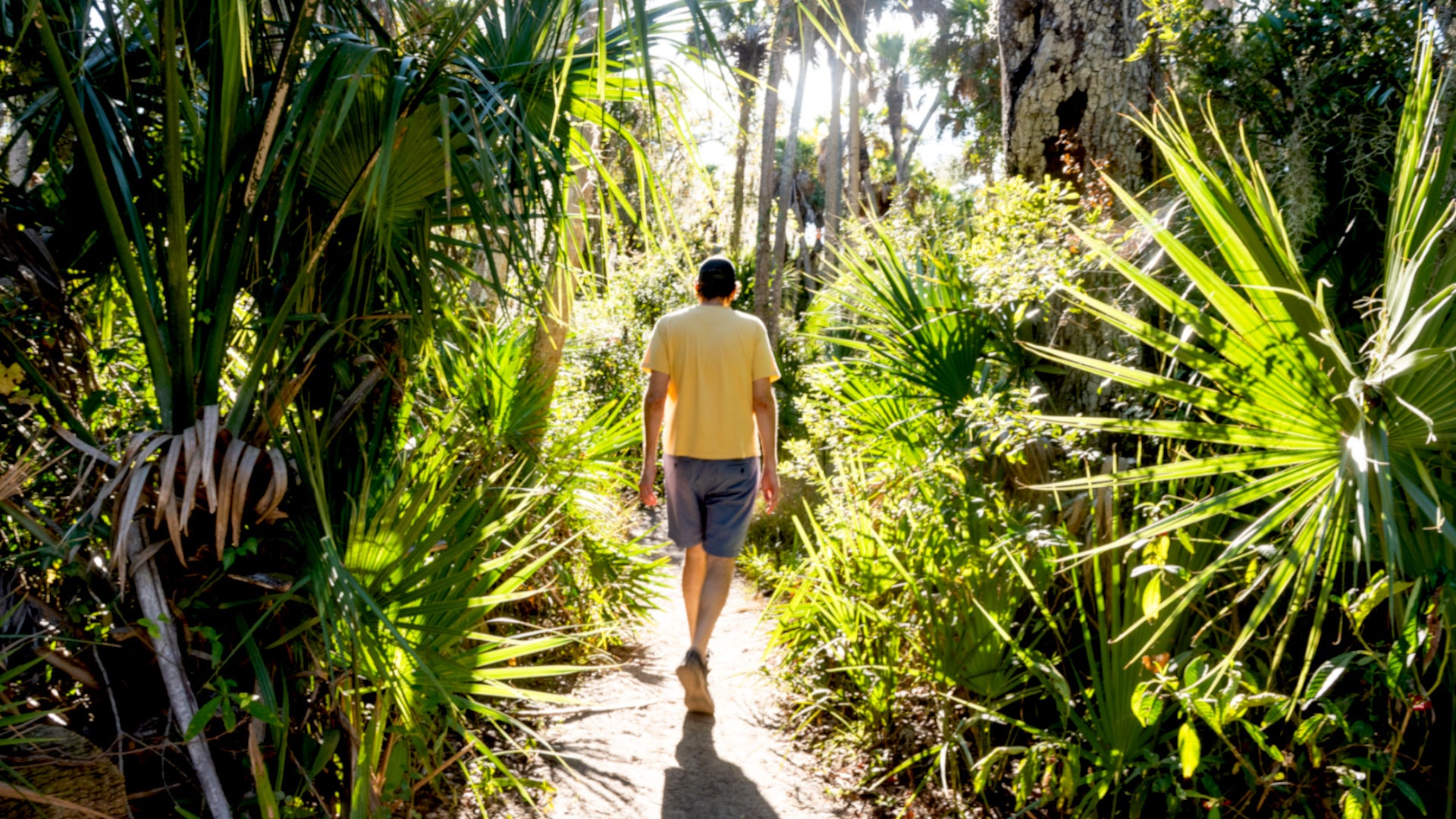
Positioned just east of Sarasota, Myakka River State Park protects approximately 37,000 acres of ecologically diverse wilderness, making it one of the largest and oldest state parks in Florida. The crown jewel of the park’s terrestrial recreation is the Myakka Trail, a demanding 39-mile loop that traverses pine flatwoods, dry prairies, oak and palm hammocks, and seasonal wetlands.
For day hikers seeking less formidable distances, the park offers several viable branch trails, including the 5.4-mile Bee Island Trail and the 8.7-mile Honore Trail. The park’s infrastructure supports extensive recreational programming, featuring three major campgrounds equipped with 90 water and electric hookup sites, alongside six remote primitive campgrounds housing three sites each for backpackers. Park management consistently advises visitors to check current water levels prior to embarking on overnight stays, as seasonal flooding can alter trail accessibility. Wildlife viewing is a primary draw here, with frequent sightings of wild turkeys, wading birds, and American alligators. Conservation authorities strictly mandate that visitors remain on designated paths, particularly when traversing open prairies, to protect both human safety and the sensitive native habitats.
Spring Grove Trail at San Felasco Hammock Preserve State Park
Situated in Alachua, Florida, the San Felasco Hammock Preserve State Park safeguards one of the last remaining continuous hardwood forests in the state. The 5.8-mile Spring Grove Trail serves as an immersive journey through shifting microclimates, including mature hardwood hammocks, upland pine forests, and rolling sandy hills dotted with both dry and water-filled limestone sinkholes.
Managed by the Florida Park Service, the preserve is celebrated for its rich biodiversity and serves as a premier destination for avian research and recreation. Ornithologists and birders frequently encounter species such as the migratory Wood Thrush and the Red-headed Woodpecker, which thrive within the protected canopy. For hikers seeking a shorter excursion, a 2.8-mile loop connecting to the Hammock Cutoff is also available. Operating under a modest entry fee structure of $4 per vehicle and $2 for non-motorized visitors, the park enforces specific pet regulations, prohibiting dogs in certain designated birding zones to minimize disturbance to sensitive wildlife populations.
Black Bear Wilderness Area Trail: Navigating Florida’s Lowland Jungles
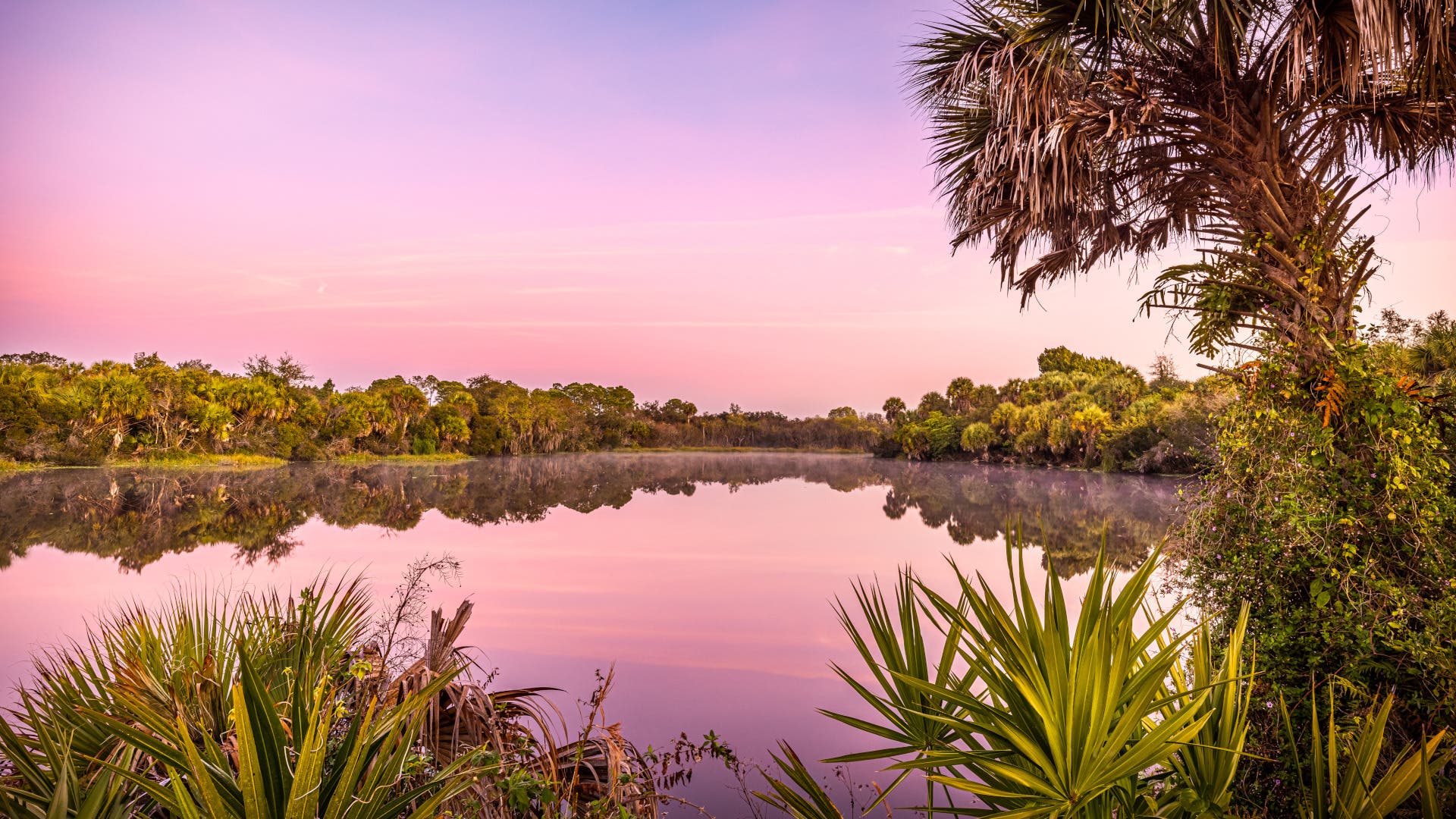
For hikers seeking a rigorous, unvarnished wilderness experience, the Black Bear Wilderness Area in Sanford, Florida, delivers a quintessential southern swamp landscape. Managed by Seminole County, this 7.1-mile loop trail guides adventurers deep into remote lowland habitats, including wet prairies, hydric hammocks, and dense cypress swamps.
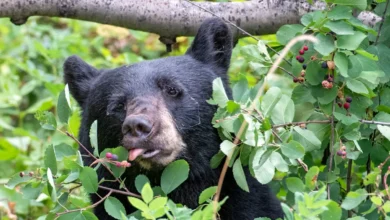
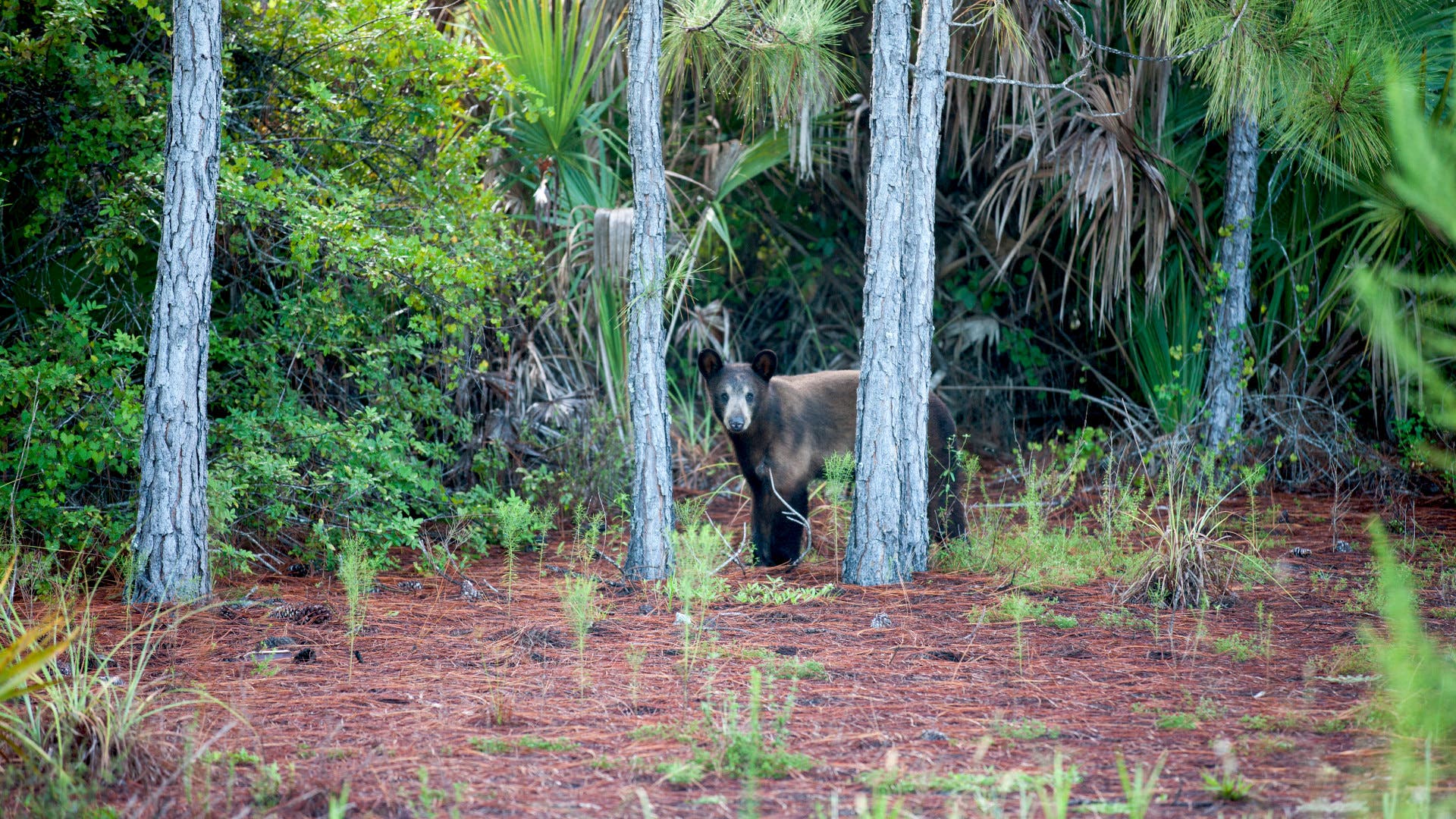
The route presents notable physical challenges, requiring hikers to negotiate exposed tree roots, uneven boulders, and prolonged stretches of deep mud. Combined with the region’s trademark humidity and insect populations, the trail tests the endurance of even seasoned backpackers. However, the environmental rewards are substantial. The area serves as a vital ecological corridor for native fauna, offering high probabilities of encountering white-tailed deer, river otters, alligators, and diverse wading birds. Most notably, the wilderness area lives up to its moniker as a sanctuary for the Florida black bear (Ursus americanus floridanus). Wildlife officials emphasize that successful and safe encounters rely heavily on maintaining strict trail etiquette, keeping noise levels low, and storing food securely.
Catfish Creek Long Loop Trail: Traversing Ancient Geological Formations
Located in Haines City along the historic Lake Wales Ridge, the Allen David Broussard Catfish Creek Preserve State Park protects over 8,000 acres of rare scrub, sandhill, and flatwoods ecosystems. The park sits atop the Lake Wales Ridge, an ancient marine shoreline and sandbar system dating back approximately 350,000 years, making it one of the oldest and most ecologically unique geological formations on the Florida peninsula.
The 5.8-mile Catfish Creek Long Loop Trail navigates terrain that feels vastly removed from modern Florida, characterized by deep, shifting sands and sparse canopy cover that exposes hikers to intense solar radiation. Despite its relatively short distance, the sandy footing significantly increases the physical exertion required to complete the loop. The preserve is a biological hotspot, harboring 21 rare plant species and 31 protected animal species found in few other places globally. Among the notable flora are the scrub morning glory, pygmy fringe tree, and cutthroat grass. Fauna enthusiasts frequently spot the federally threatened Florida scrub-jay and the gopher tortoise. Access to the preserve is free of charge, though overnight stays at primitive campsites require a $5 per night permit. Park rangers strongly advise visitors to carry surplus water and sun protection due to the lack of shade along the ridge.
Torreya Challenge Loop: Elevation and Rugged Terrain in the Panhandle
Offering some of the most dramatic topography in the southeastern United States, the Torreya Challenge Loop at Torreya State Park in Bristol, Florida, defies conventional expectations of Florida geography. The trail hugs the bluffs overlooking the Apalachicola River, guiding hikers across steep limestone formations and dense ravines.
Visitors can tailor their experience by completing a 7-mile single loop for an advanced day hike or doubling the distance to 13 miles by incorporating the connecting secondary loop. Over the course of the full trek, hikers contend with a cumulative elevation gain of 1,646 feet—a figure virtually unheard of in coastal flatlands. The rugged terrain presents typical regional obstacles, including fallen timber, technical climbs, and seasonal tick populations. To accommodate multi-day backpackers, Torreya State Park maintains three primitive backcountry campsites along the route. These sites require advance reservations through the Florida State Parks system and carry a $5 backcountry camping fee.
Economic and Conservation Implications of Florida’s Inland Trails
The increasing popularity of inland hiking trails across Florida highlights a broader shift in state tourism and environmental conservation strategies. While coastal zones continue to drive the state’s multi-billion-dollar tourism economy, land management agencies and conservation groups—such as the Florida Wildlife Corridor—are actively promoting inland state parks and preserves to alleviate ecological stress on fragile beach and dune ecosystems.
State park officials note that diversifying recreational offerings helps distribute visitor density more evenly across the state’s 175+ state parks. Furthermore, maintaining protected green spaces like the Lake Wales Ridge and the San Felasco Hammock serves a critical dual purpose: providing low-impact recreational tourism while preserving endangered endemic species and vital watershed recharge areas. As public interest in eco-tourism and outdoor recreation continues to rise, investments in trail maintenance, bridge restoration, and backcountry infrastructure remain vital to balancing public access with long-term environmental preservation in the Sunshine State.