Navigating Paris Museums with Children: A Comprehensive Family Guide from Iconic Landmarks to Hidden Cultural Gems

Paris boasts an extraordinary inventory of the world’s most celebrated cultural institutions, yet introducing children to monumental art and historical collections often presents a distinct logistical challenge for traveling families. While classic itineraries frequently feature heavyweights such as the Louvre and the Musée d’Orsay, museum fatigue among younger visitors can quickly derail a vacation. Industry data indicates that major European cultural hubs experience millions of annual visitors, with the Louvre alone welcoming approximately 9 million patrons in recent years. Consequently, modern family travel experts increasingly advocate for a strategic approach that pairs high-profile sightseeing with interactive exhibits, manageable scales, and frequent outdoor decompression.
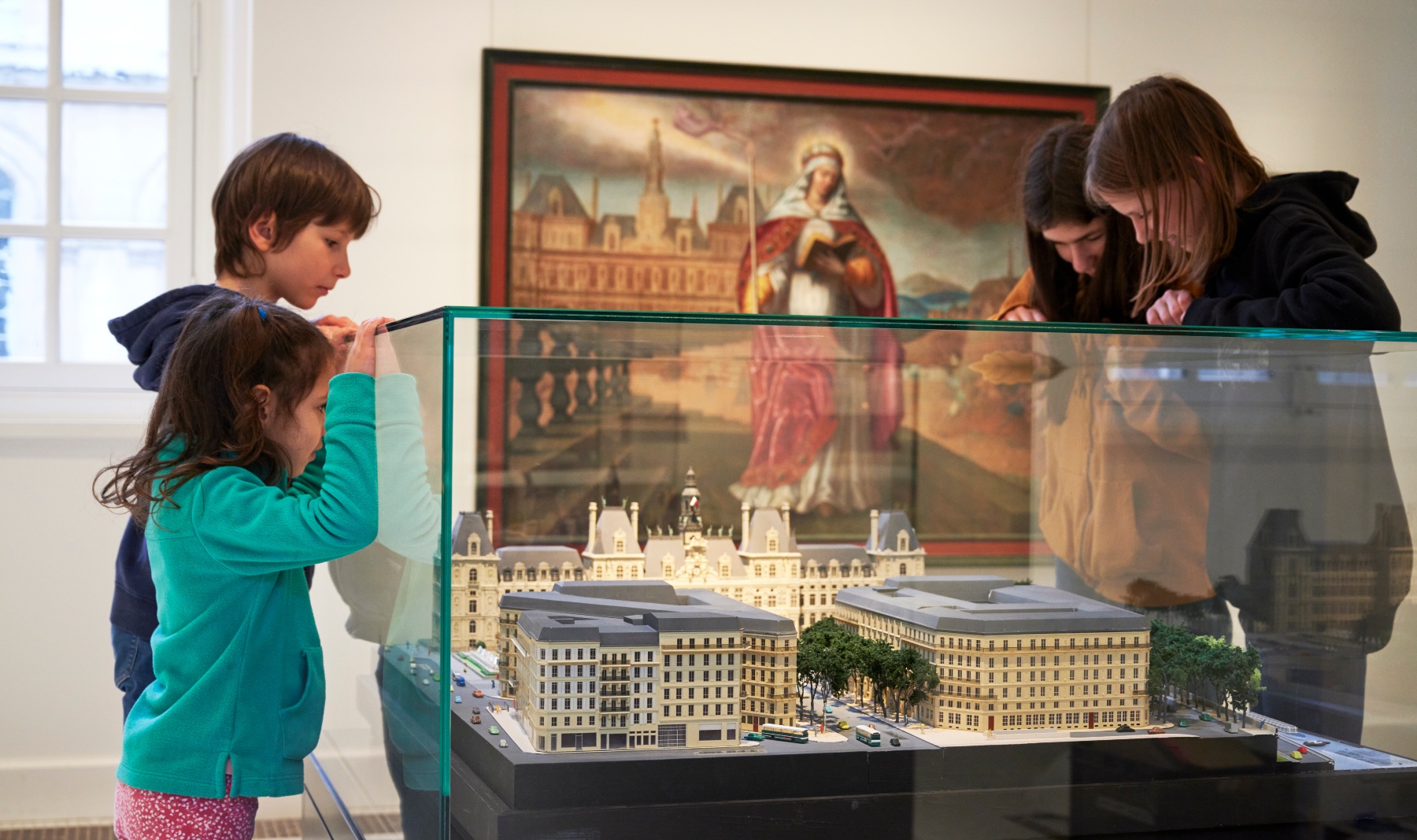
A successful Parisian museum itinerary relies heavily on intentional curation rather than exhaustive endurance. Rather than attempting to traverse sprawling galleries in a single, continuous march, educators and travel specialists recommend leveraging scavenger hunts, thematic concentrations—such as ancient Egyptian mummies or medieval armory—and private, family-oriented guided tours. Furthermore, many of the French capital’s premier cultural spaces are strategically situated adjacent to historic gardens, parks, and green squares, allowing children to transition smoothly from structured gallery engagement to energetic physical play.
Strategic Approaches to the City’s Major Cultural Landmarks
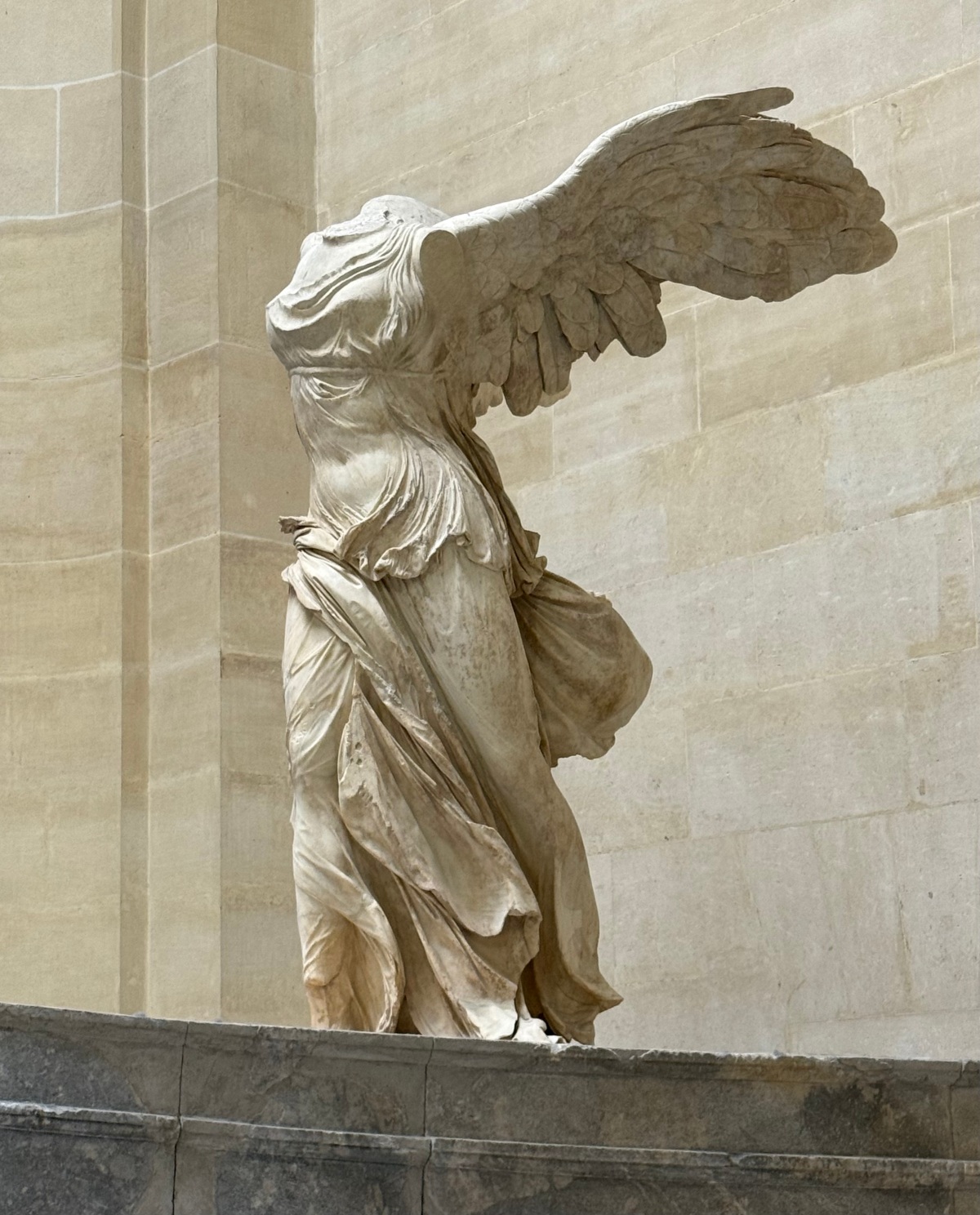
The Louvre, spanning more than 750,000 square feet, remains a daunting prospect for families. To mitigate sensory overload, cultural analysts advise abandoning the notion of viewing the entire collection. Instead, visitors achieve optimal results by focusing on specific highlights, such as the Mona Lisa, the Winged Victory of Samothrace, and the Venus de Milo, or concentrating exclusively on the Egyptian antiquities department. Below the main structure, visitors can also explore the excavated remnants of the medieval fortress that predated the royal palace. To bypass administrative bottlenecks and reduce crowd-induced stress, families frequently utilize private guides or take advantage of the Louvre’s educational facility, "The Studio," which offers family-centric resources, books, and hands-on workshops.
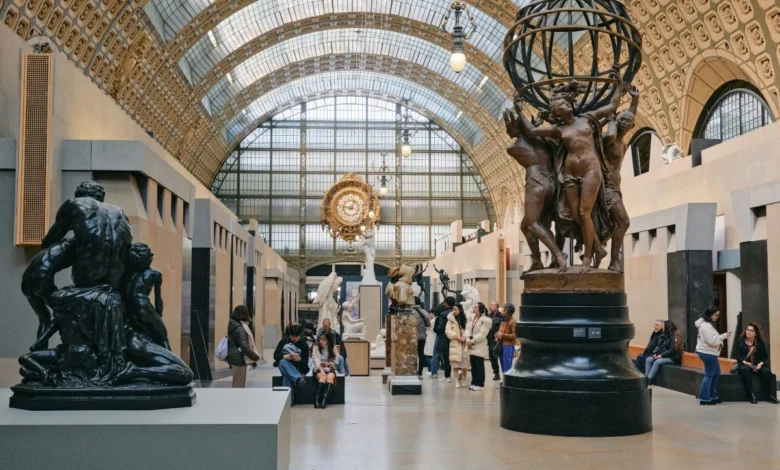
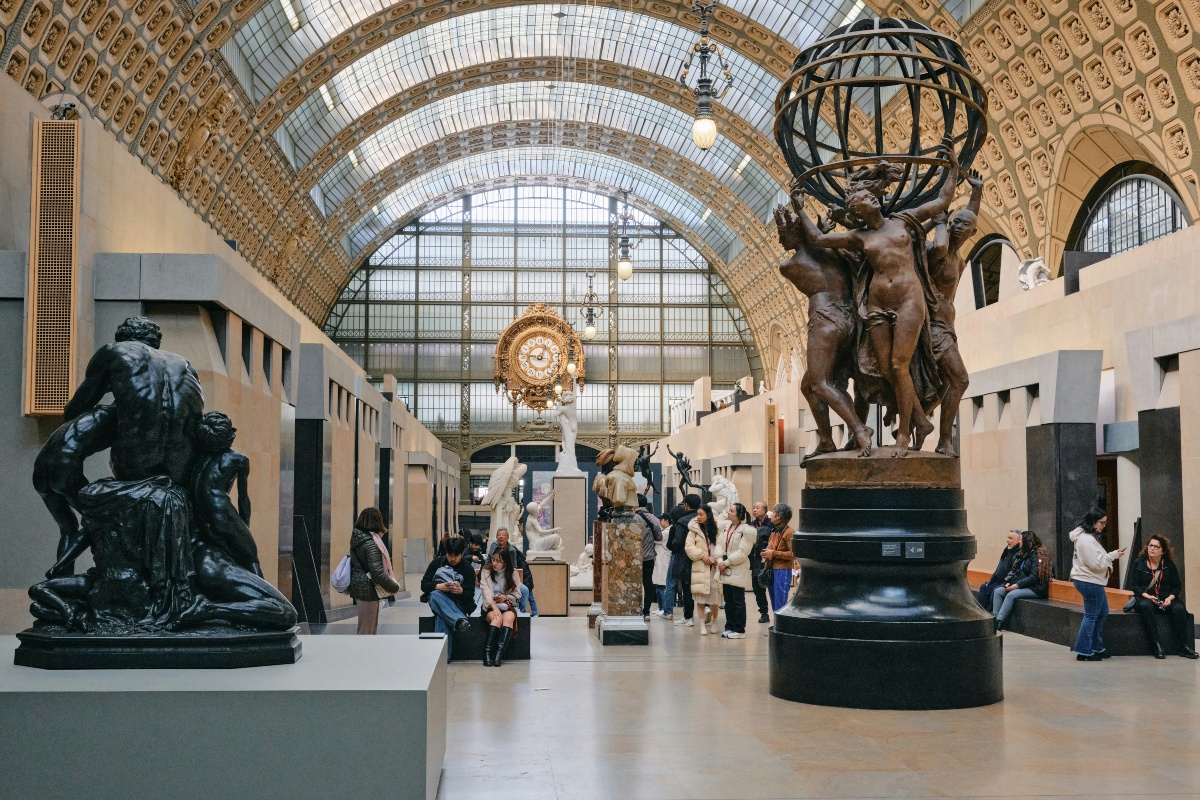
Similarly, the Musée d’Orsay offers an architectural transition from traditional art spaces. Housed within a former Beaux-Arts railway station constructed for the 1900 World’s Fair, the museum’s soaring central nave immediately captures youthful attention. Housing works by Van Gogh, Monet, Renoir, and Degas, the museum maintains a relatively manageable footprint compared to the Louvre. Ascending to the institution’s grand clock provides not only panoramic views of the Parisian skyline but also a memorable backdrop for family photography.
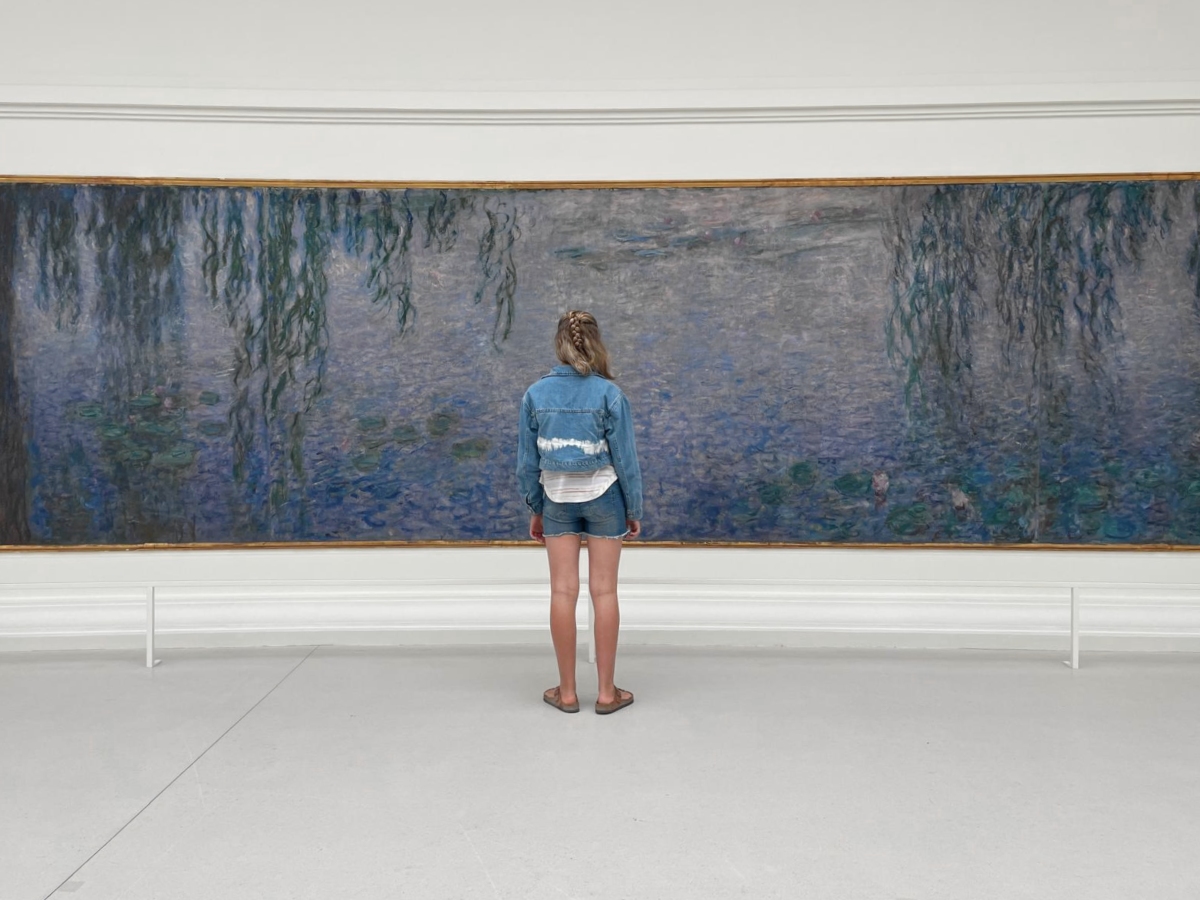
For younger audiences, the Musée de l’Orangerie presents an immersive alternative. Situated within the Tuileries Garden, the museum houses Claude Monet’s monumental Water Lilies within custom-designed oval galleries. This architectural layout envelops the viewer, neutralizing the traditional constraints of framed gallery viewing. The institution complements this visual experience with a dedicated family space featuring sensory activities, storytelling, and paper-craft workshops, bridging the gap between classical art and tactile learning.
Balancing Fine Art with Outdoor Spaces and Play
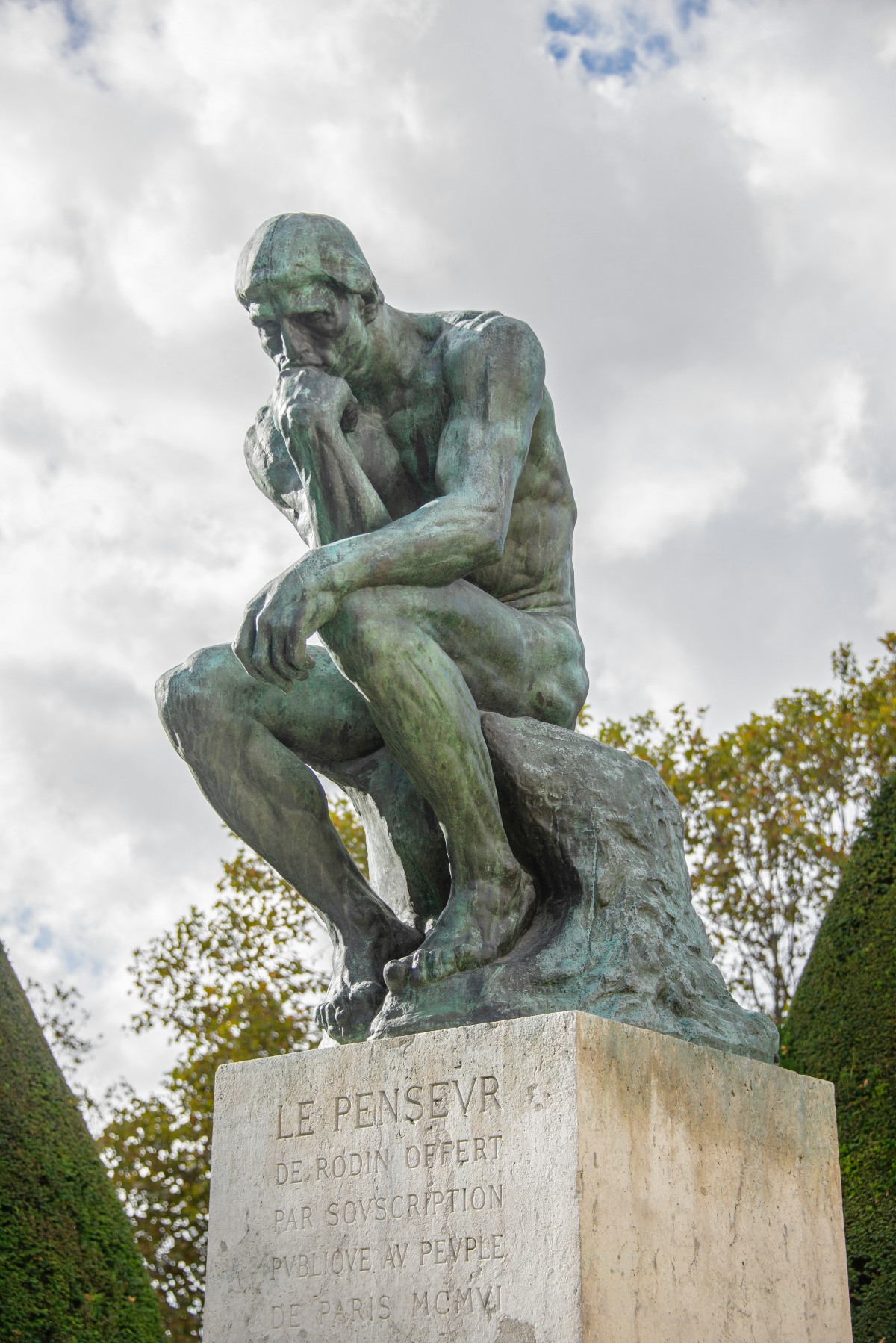
Integrating open-air environments into a cultural itinerary has proven to be an effective methodology for maintaining family morale. The Musée Rodin, located in the 7th arrondissement within the historic Hôtel Biron, exemplifies this balance. Featuring monumental bronze sculptures such as The Thinker and The Gates of Hell distributed across extensive manicured gardens, the venue permits children to experience three-dimensional art within an unrestricted, natural landscape.
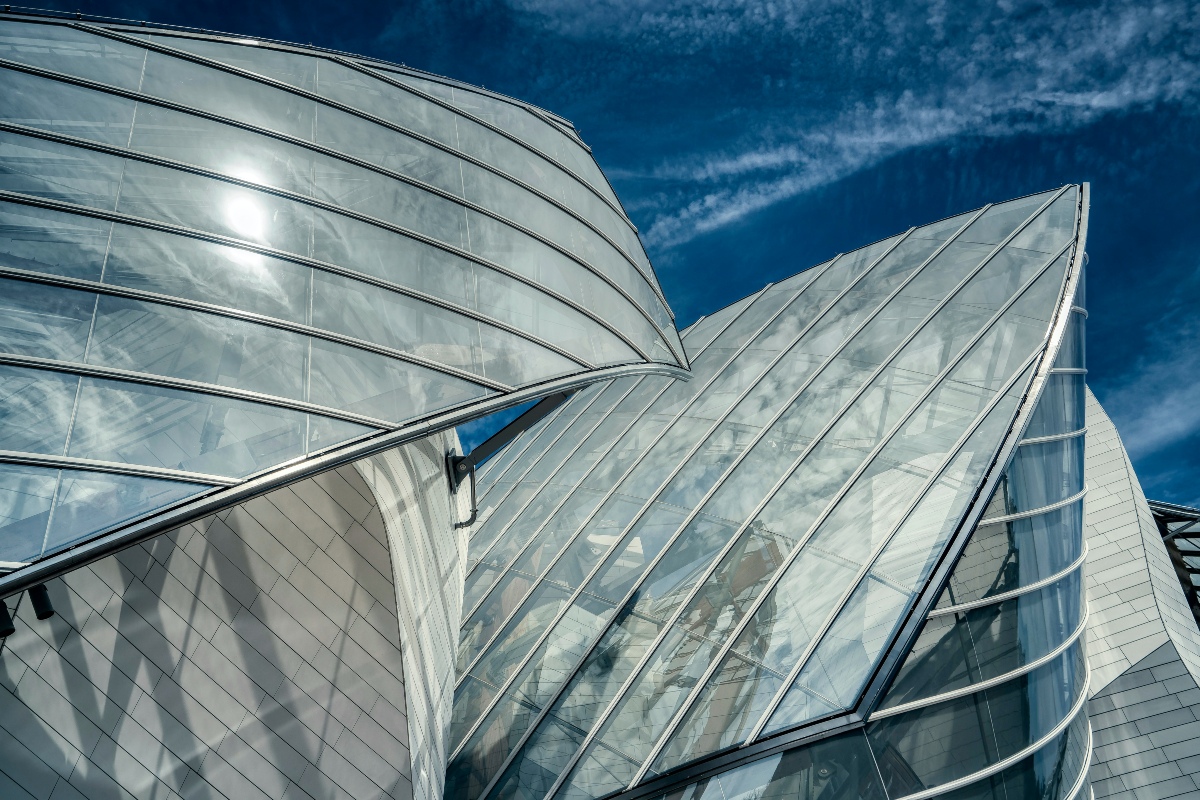
A similar philosophy underpins the Fondation Louis Vuitton, designed by renowned architect Frank Gehry. Located on the periphery of the Bois de Boulogne, the contemporary art center features sweeping glass sails that evoke a ship navigating a maritime breeze. In addition to contemporary exhibitions tailored for youth, the institution’s proximity to the Jardin d’Acclimatation allows families to seamlessly pair high-culture exploration with amusement park attractions and green spaces.
Scientific Exploration, Natural History, and Interactive Institutions
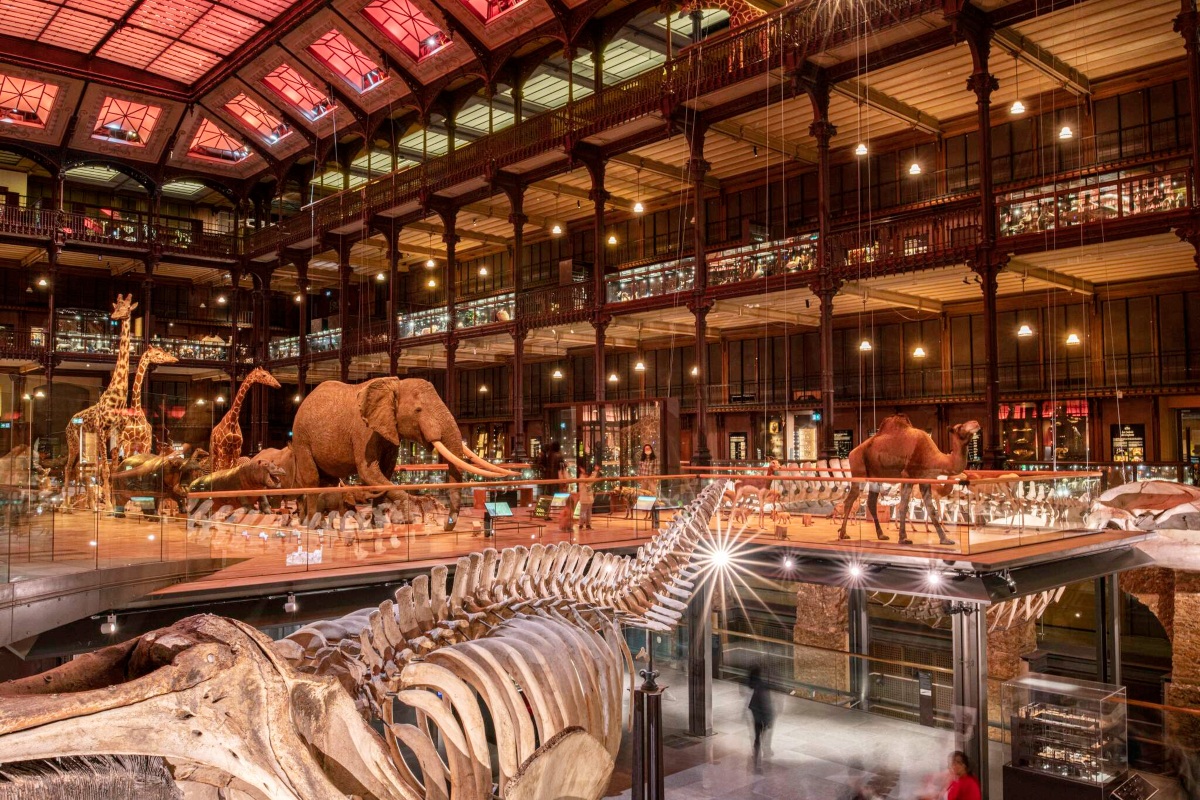
When traditional fine art fails to captivate younger demographics, Paris offers a robust selection of science, natural history, and interactive museums. The Grande Galerie de l’Evolution, nestled within the 60-acre Jardin des Plantes, features a dramatic central hall where a procession of taxidermied African megafauna marches beneath a vaulted glass ceiling, flanked by a suspended whale skeleton. The surrounding complex encompasses comprehensive geological and anatomical collections, alongside eleven botanical gardens, historical greenhouses, and a zoological park.
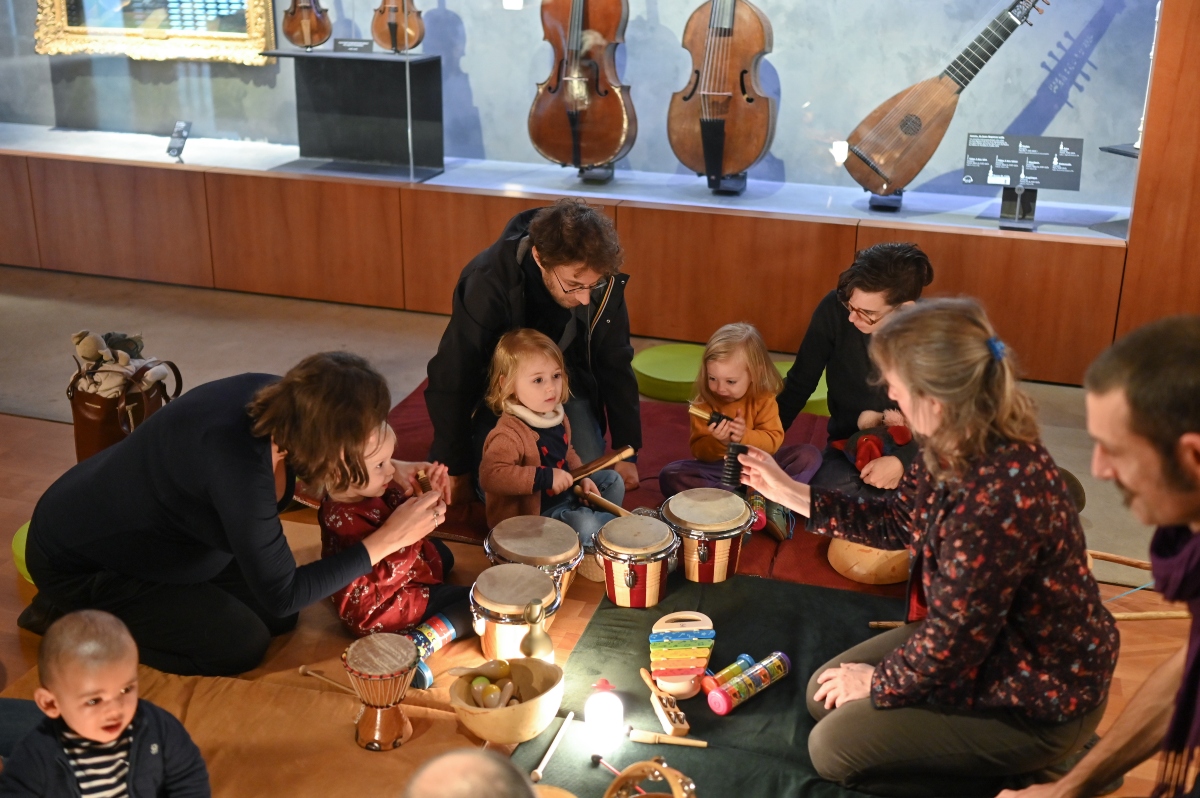
Music education and acoustics take center stage at the Philharmonie de Paris. Located within the Parc de la Villette in the 19th arrondissement, the institution houses the Musée de la Musique, displaying approximately 1,000 international historical instruments. Unlike traditional galleries, the Philharmonie explicitly encourages acoustic participation through interactive workshops and audio stations where children can experiment with sound. The adjacent Parc de la Villette further enhances the district’s appeal, offering expansive lawns, themed playgrounds, and the prominent Cité des Sciences et de l’Industrie.
Cinematic history and technological evolution are equally well represented across the metropolis. The Cinémathèque Française, situated within the Parc de Bercy, celebrates the art of filmmaking through rotating exhibitions and youth-centric animation workshops. Concurrently, the Musée des Arts et Métiers in the northern Marais traces centuries of mechanical engineering, featuring early automobiles, aviation milestones, and Foucault’s Pendulum housed within the atmospheric former church of Saint-Martin-des-Champs.
Uncovering Specialized Collections and Neighborhood Gems
For families seeking specialized or lesser-known cultural experiences, Paris features numerous niche institutions that provide deep contextual understanding of the city’s heritage. The Musée des Arts Forains, located within the Pavillons de Bercy, preserves a rare collection of 19th- and early 20th-century fairground carousels, games, and theatrical artifacts. Operating exclusively via guided reservation, the museum immerses visitors in historical European entertainment history.
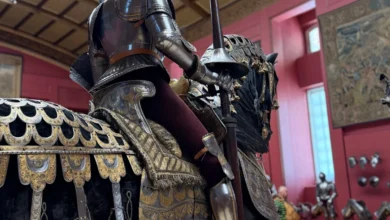
To contextualize the broader urban landscape, the Musée Carnavalet occupies two historic Marais mansions, illustrating the socio-political evolution of Paris from antiquity through the French Revolution. With roughly ten percent of its collection intentionally positioned at a child’s eye level, the municipally funded institution serves as an effective educational primer for school-age travelers. Similarly, the Musée de Cluny offers an examination of medieval civilization, displaying knightly armor, illuminated manuscripts, and the iconic Lady and the Unicorn tapestries within a structure that incorporates ancient Gallo-Roman thermal baths.
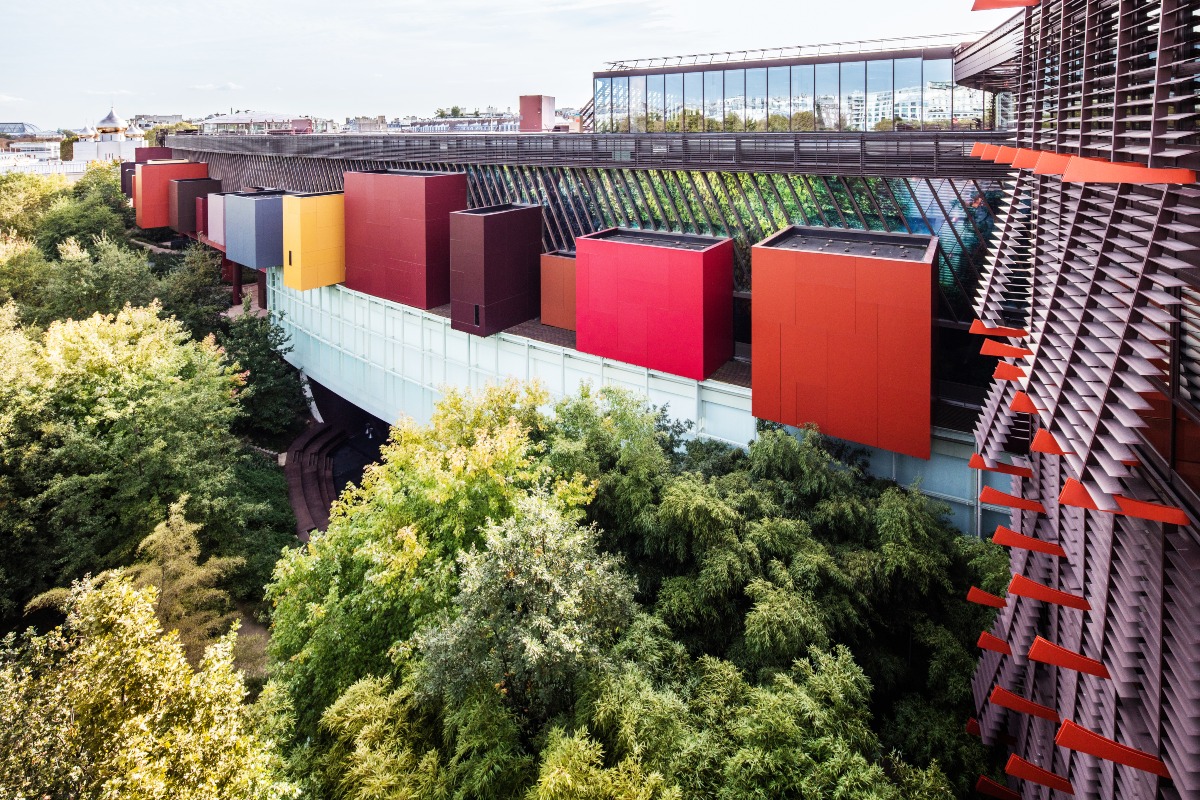
In the historic bohemian district of Montmartre, the Musée de Montmartre occupies a former residence shared by notable artists including Pierre-Auguste Renoir. Offering a human-scale alternative to massive state museums, the venue features recreated studios, shadow theater exhibits, and vineyard views, easily combined with a walking tour of the surrounding historic neighborhood and the nearby Sacré-Cœur Basilica.
Implications and Best Practices for Family Travel
Industry analysts emphasize that the primary pitfall for families visiting Parisian cultural sites stems from misaligned expectations regarding duration and pacing. Successfully navigating these institutions requires abandoning rigid schedules in favor of flexible, interest-driven exploration. By deliberately intertwining monumental masterpieces with interactive learning environments, historical artifacts, and generous periods of outdoor recreation, families can transform potentially stressful itineraries into enriching, memorable experiences. Ultimately, a balanced approach ensures that children depart Paris not with fatigue, but with an enduring appreciation for the city’s diverse cultural landscape.