The bustling atmosphere of Marrakech after dark offers a dynamic culinary and cultural landscape that extends far beyond the ubiquitous tagines typically introduced to international visitors. Recent travel data and culinary tourism reports indicate an increasing demand for immersive, local-led nighttime excursions in North Africa, with visitors increasingly seeking authentic neighborhood flavors over traditional resort dining. This shift toward experiential gastronomy has elevated small-group food tours into a primary vehicle for cultural exchange, safety navigation, and culinary education in historic urban centers.
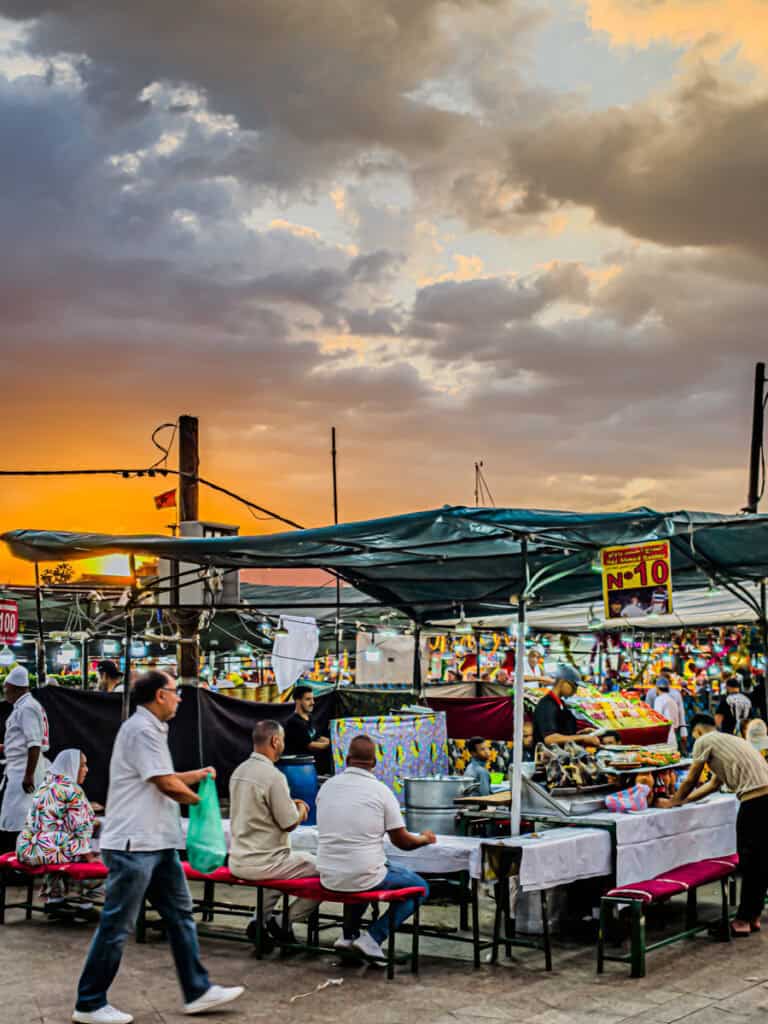
At the heart of this trend is a specialized Airbnb Experience in Marrakech led by former professional chef Mustapha, which has garnered widespread acclaim for its comprehensive introduction to authentic Moroccan street fare. Operating within the bustling parameters of the city’s ancient medina and surrounding quarters, the tour provides participants with an in-depth examination of the local foodways, historical context, and daily routines that define contemporary life for residents of Morocco’s fourth-largest city.
Urban Exploration and Logistics
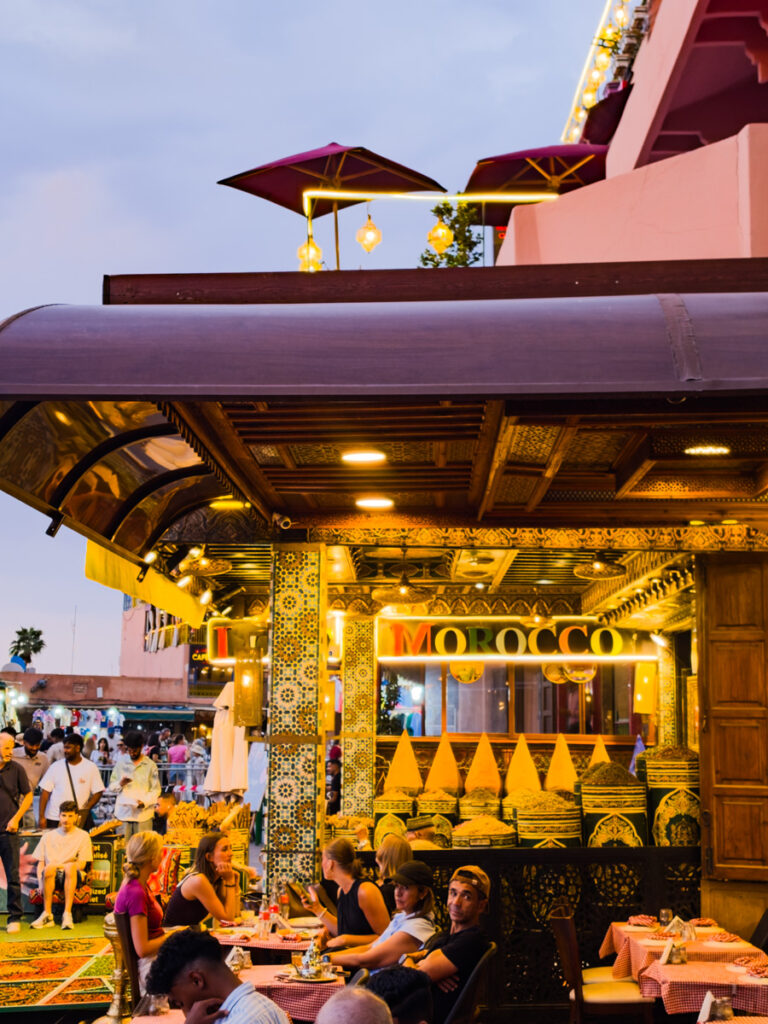
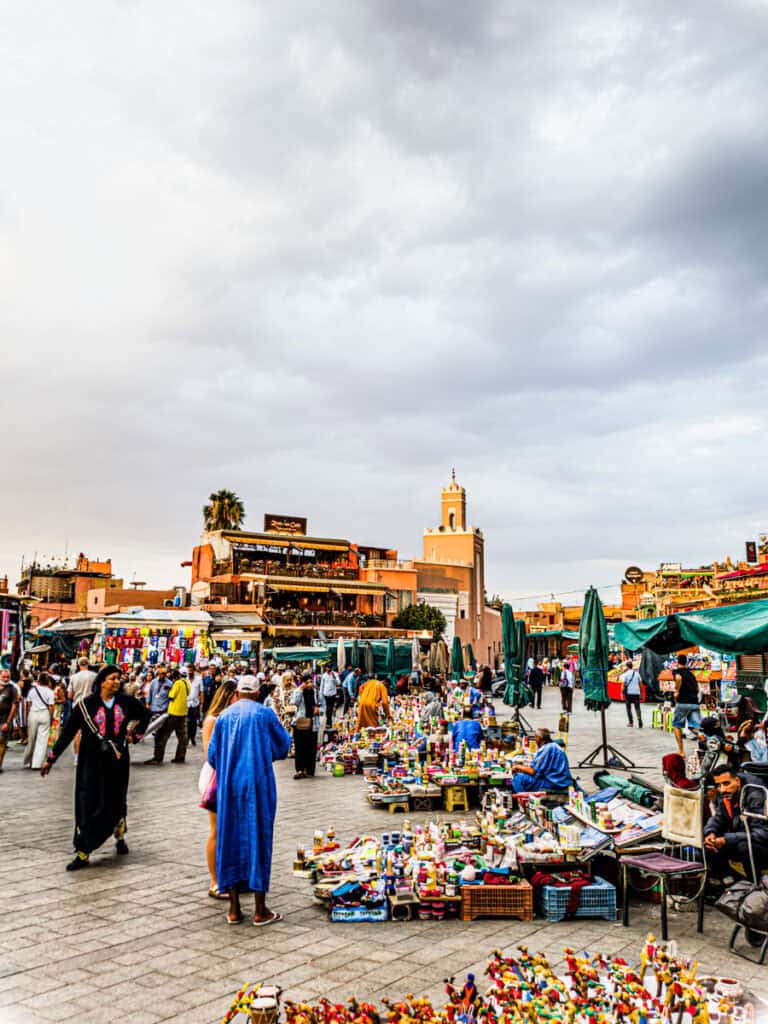
The approximately three-and-a-half-hour excursion typically commences at the iconic Café de France, situated on the perimeter of Jemaa el-Fna square—the historic cultural hub of Marrakech. Guided by Mustapha and certified local guide Omar, small cohorts of international travelers navigate a curated sequence of neighborhood food stalls, family-run soup kitchens, and historic district markets.
Priced competitively starting around $41 per person, the itinerary is structured to deliver a full evening meal distributed across multiple distinct tasting locations. Logistically, the tour is engineered to maximize culinary exposure while addressing common traveler apprehensions regarding nighttime navigation and food safety in unfamiliar urban environments.
Chronology of the Culinary Itinerary
The evening’s gastronomic progression is meticulously mapped to showcase the diversity of Moroccan domestic cuisine, moving sequentially through various historic districts and micro-neighborhoods:
-
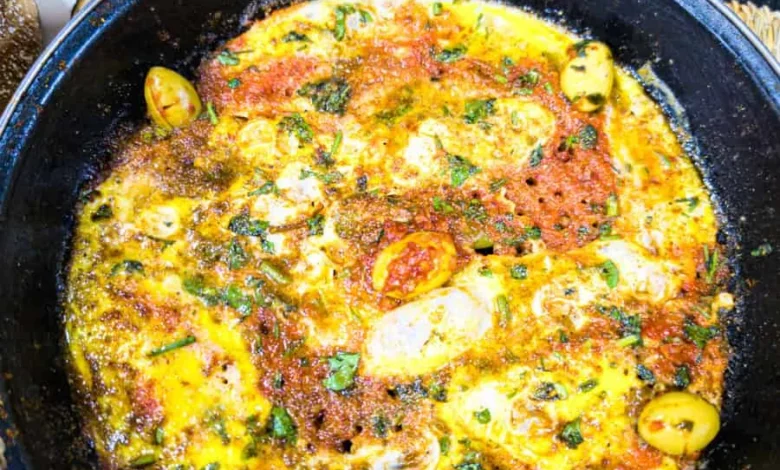
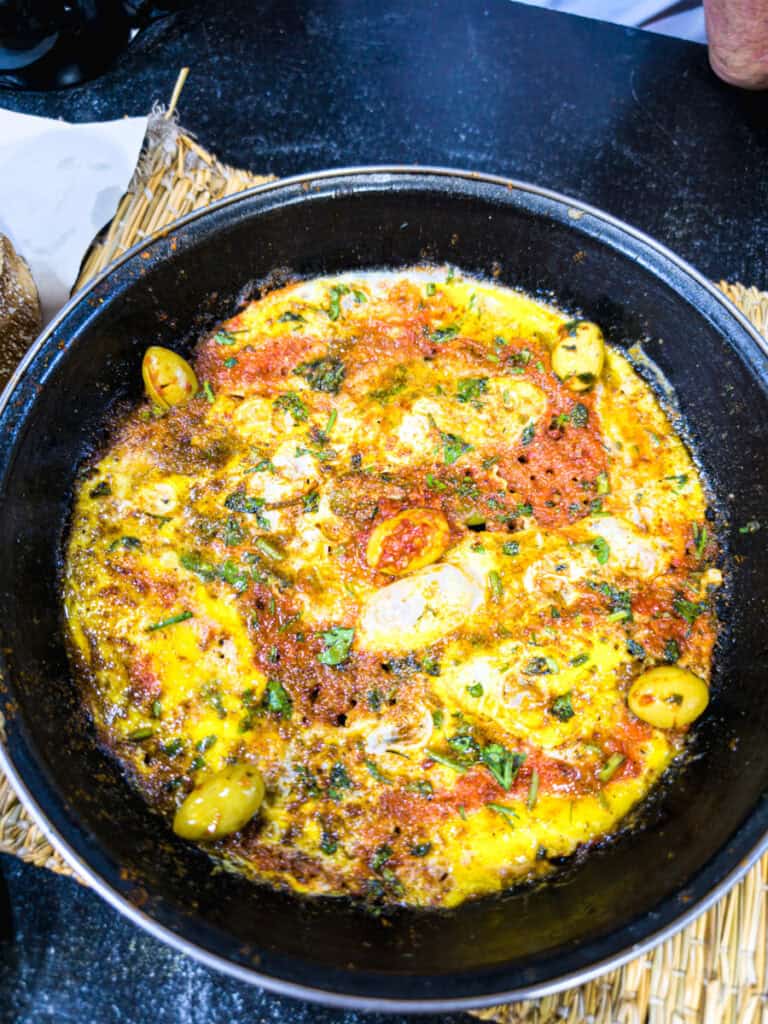
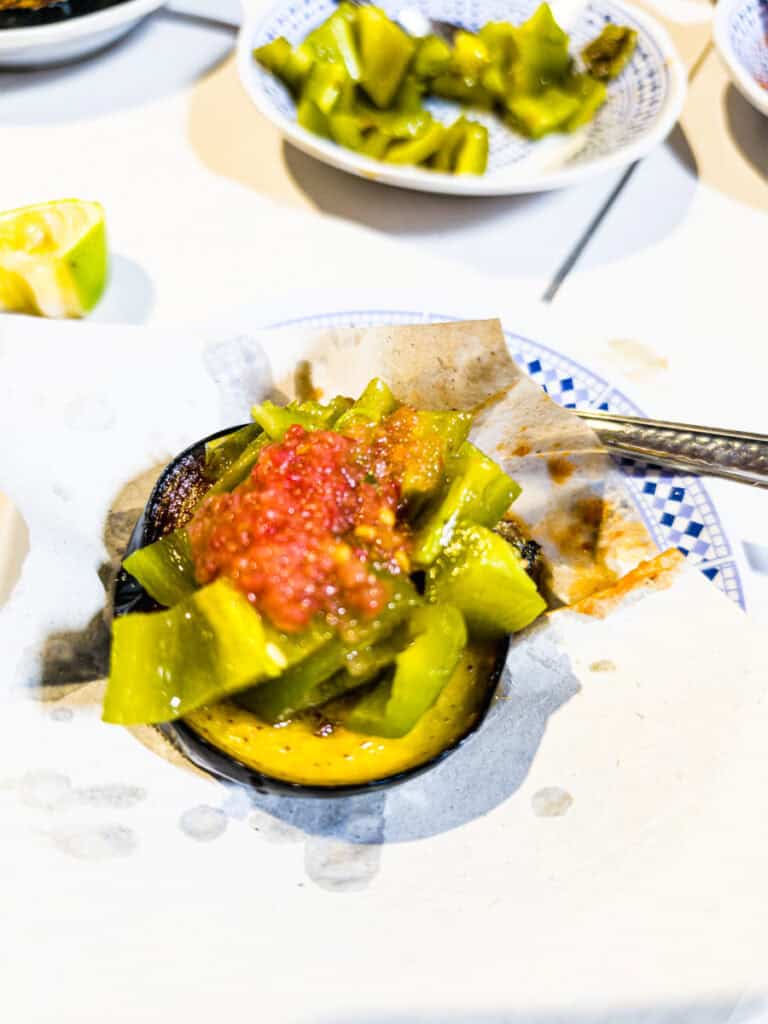
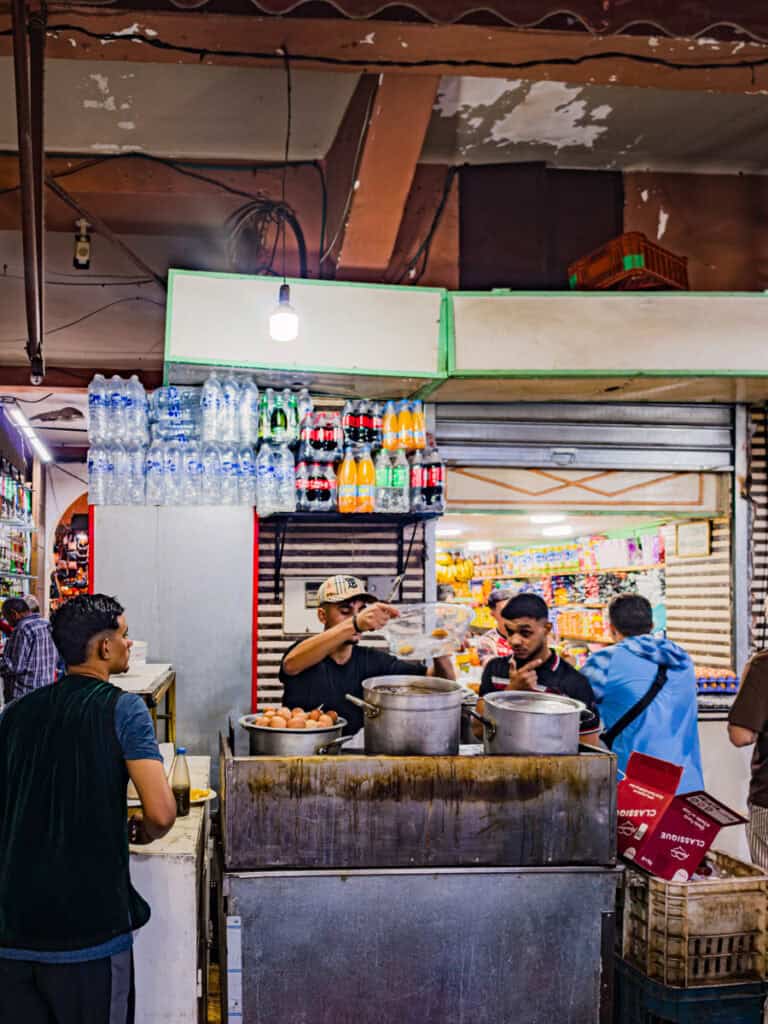
Berber Omelet and Morning Staples: The initial stop introduces participants to a neighborhood soup kitchen near Jemaa el-Fna to sample a Berber omelet. Prepared similarly to a shakshuka, the dish incorporates eggs, tomatoes, olives, and regional spices, served alongside fresh local bread or alternative bases for dietary requirements. Mustapha utilizes this initial gathering to explain the cultural significance of traditional breakfast customs and daily prayer schedules.
-
Fried Sardine Burgers: Transitioning away from the main square through aromatic mint markets, the tour proceeds to a specialized vendor serving seasoned, butterflied sardines. Pressed into a patty configuration with tomato sauce, eggplant, peppers, and harissa, the dish represents the coastal influences embedded within inland Moroccan street culture. To optimize the dining capacity of guests, the traditional bread bun is omitted, ensuring participants retain an appetite for subsequent stops.
-
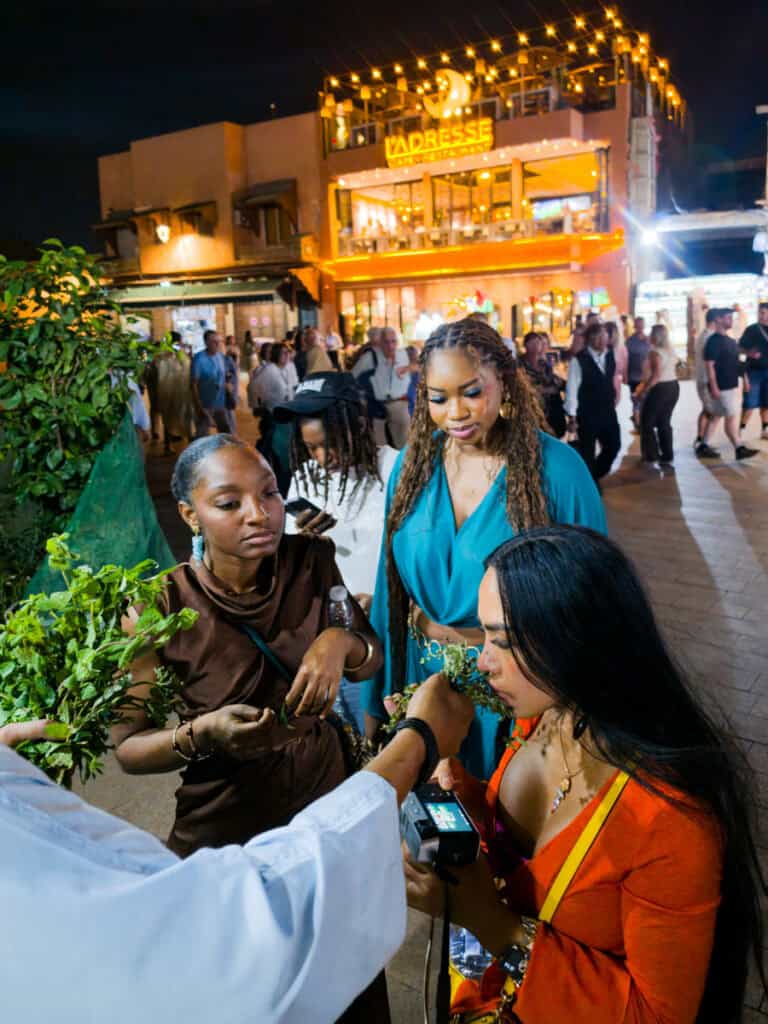
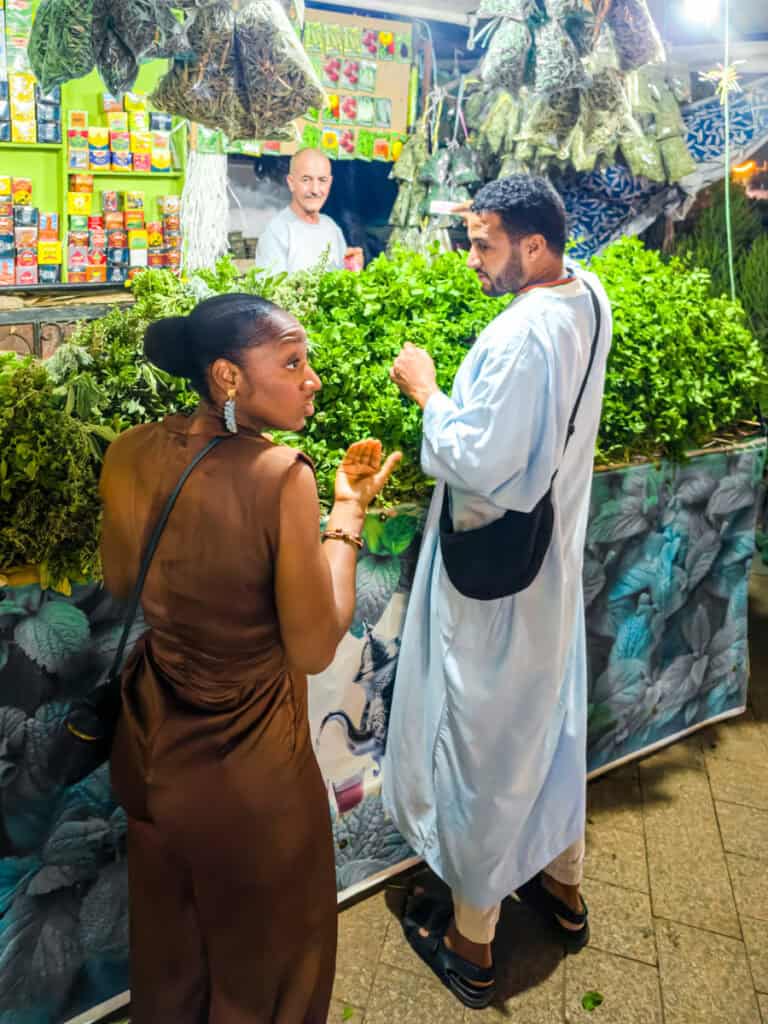
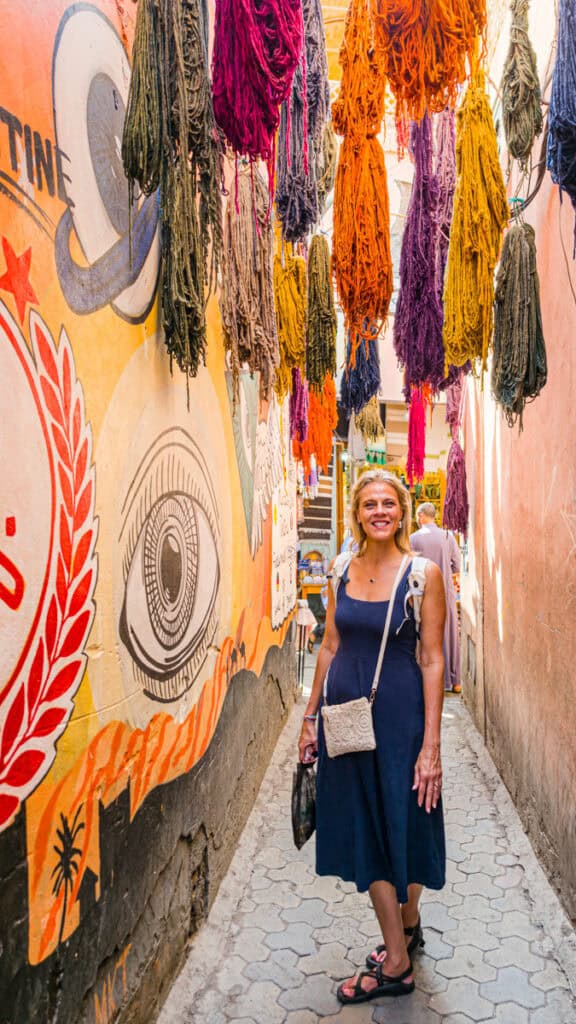
Botanical Education at the Mint Market: A dedicated educational interlude led by Omar involves navigating the local herb markets. Participants are invited to examine and smell various botanicals, including lemon verbena, sage, and multiple varieties of mint. Guide commentary emphasizes traditional preparation techniques, such as avoiding the boiling of leaves to prevent bitterness, which directly informs the subsequent tea-preparation segments.
-
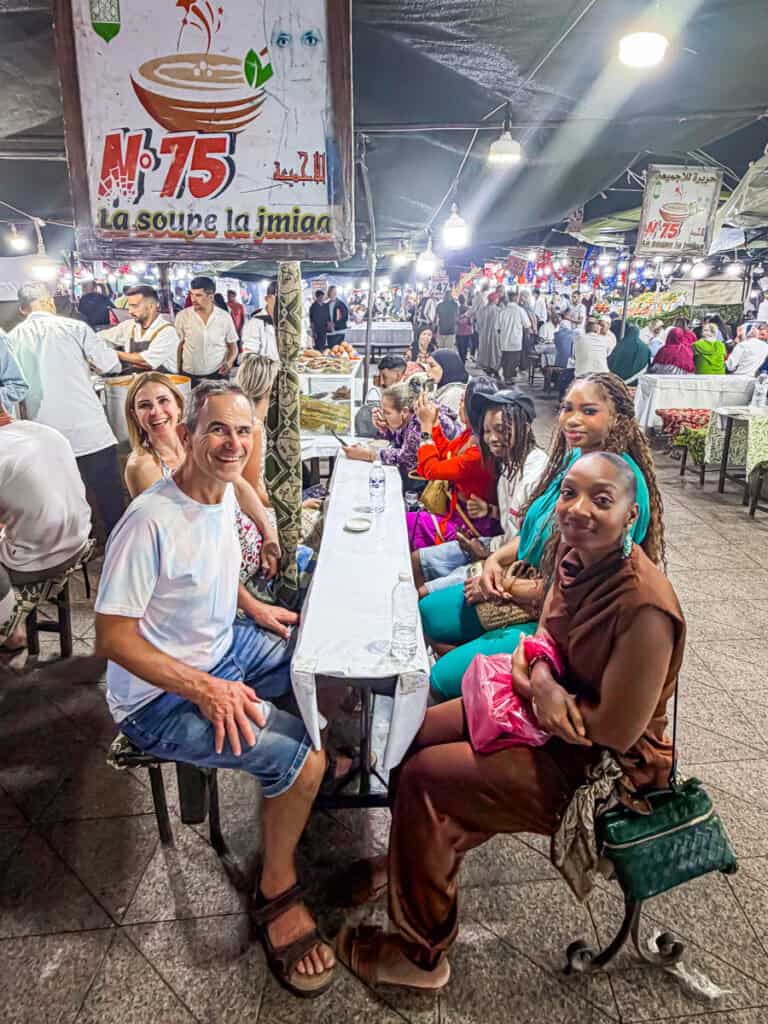
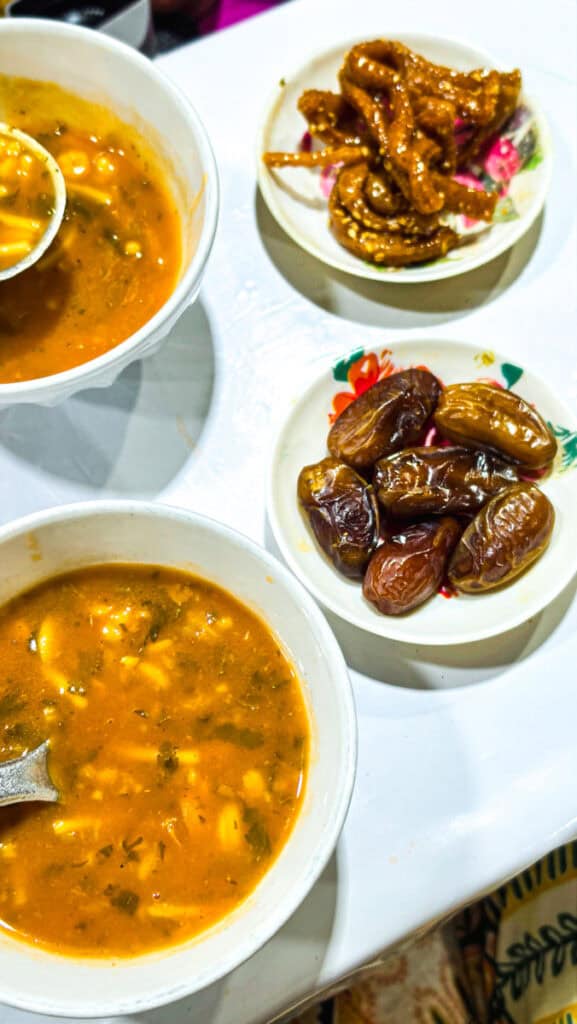
Harira and Dates at Jemaa el-Fna: As evening activity peaks in the central square, the group experiences the vibrant atmosphere of the open-air food stalls. Here, the focus shifts to harira, the traditional tomato and legume-based soup heavily consumed during religious observances such as Ramadan. Following local customs, the savory soup is paired with dates to achieve a balanced flavor profile of sweet and savory notes.
-
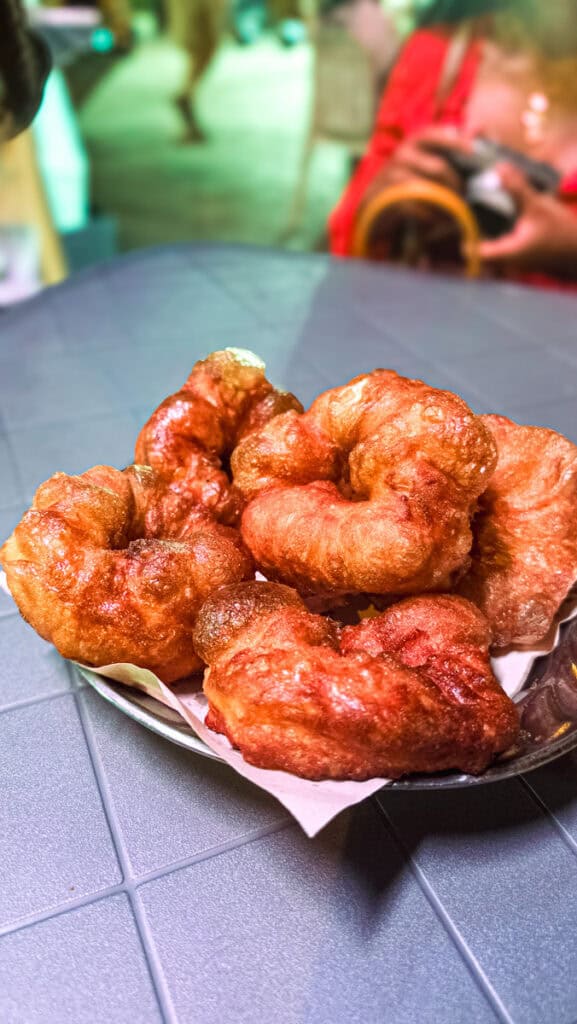
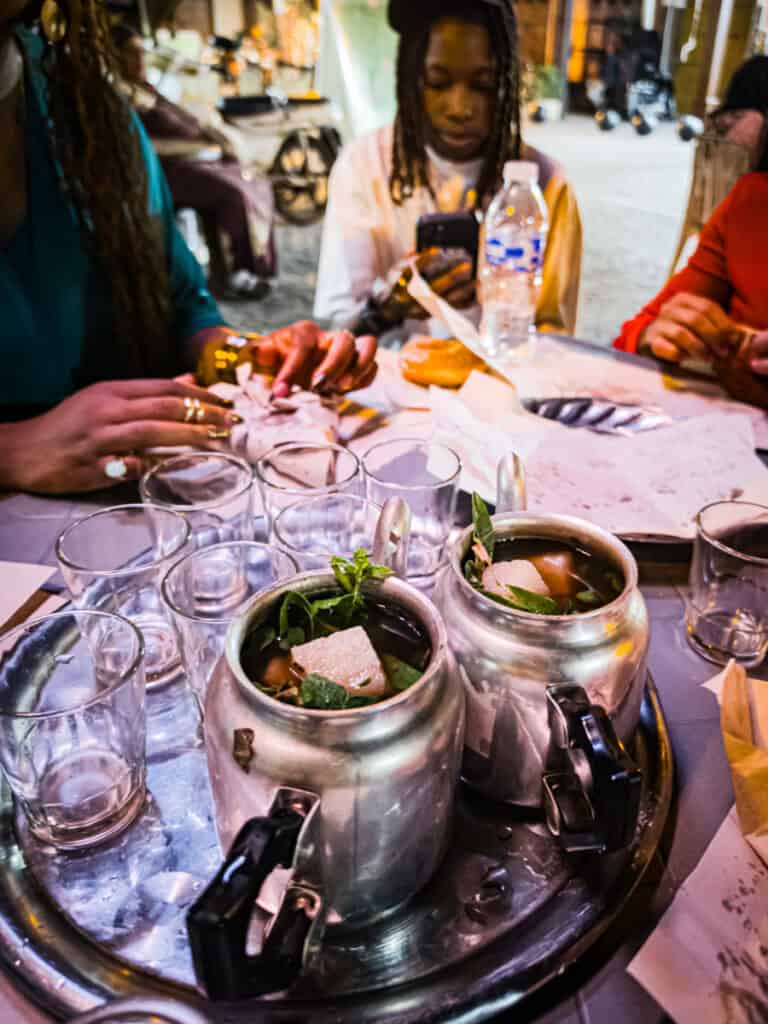
Sfenj and Mint Tea in the Mellah: Entering the historic Jewish quarter known as the Mellah, the itinerary highlights sfenj—traditional Moroccan fried doughnuts considered by culinary historians to be early precursors to modern pastries. Prepared by frying dough in high-heat oil, these items are served alongside freshly brewed green tea infused with market-sourced mint and substantial quantities of sugar, demonstrating the cross-cultural culinary heritage shared among neighborhood communities.
-
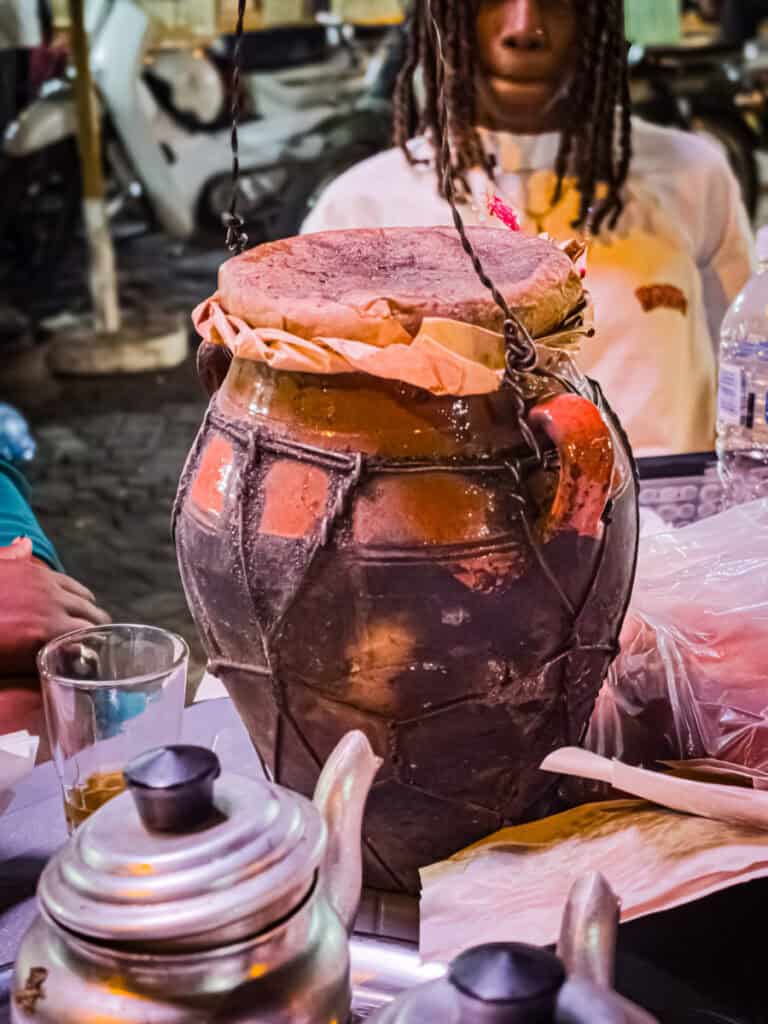
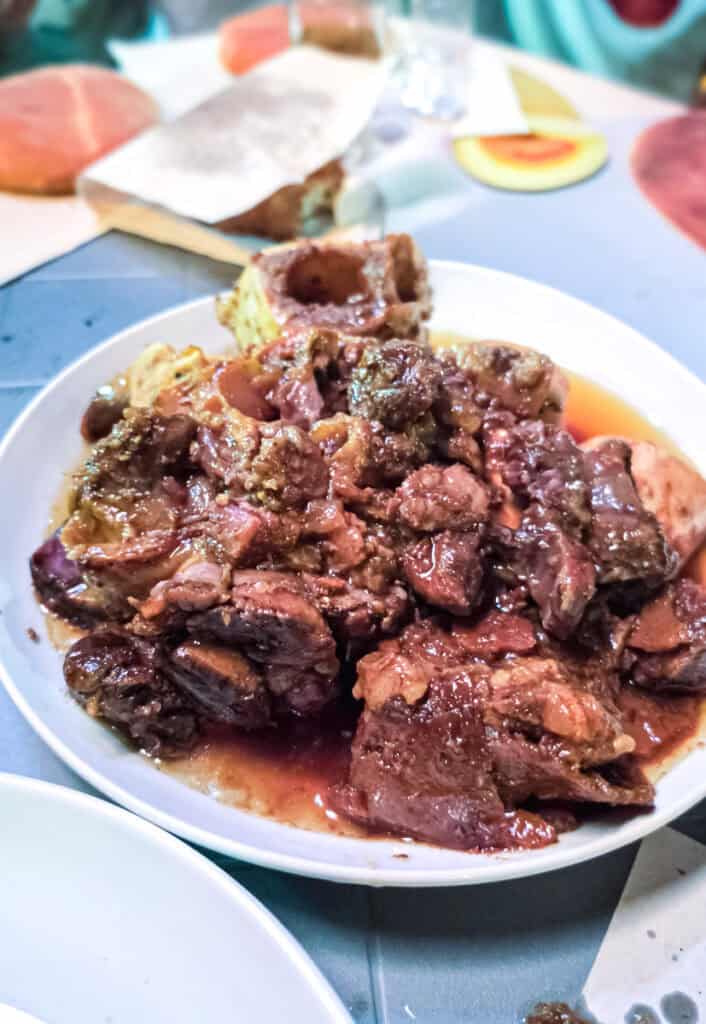
Tanjia Preparation: Representing a signature highlight of the regional cuisine, the tour features tanjia, a slow-cooked beef stew prepared inside a sealed clay urn. Historically associated with the furnace embers of neighborhood hammams (bathhouses), the dish relies on slow rendering with ghee and regional spices to achieve its distinct texture and rich flavor profile.
-
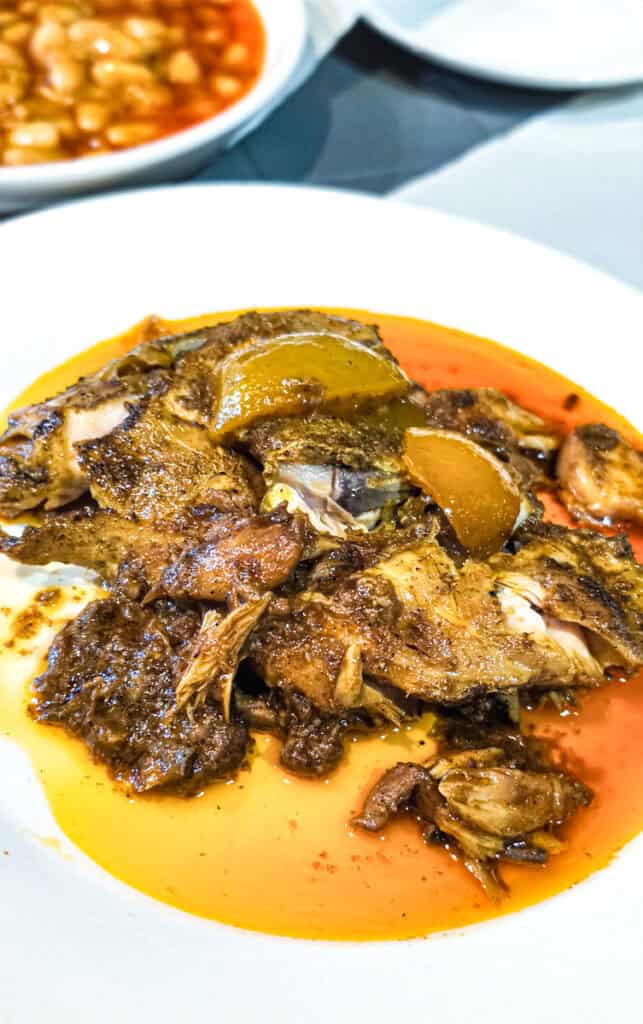
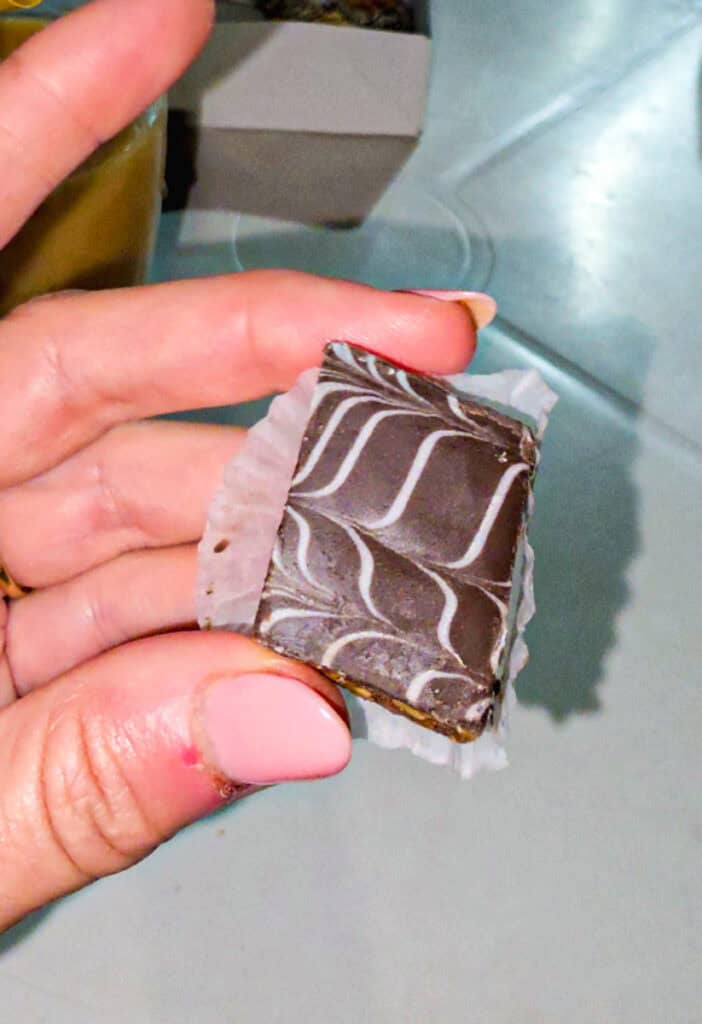
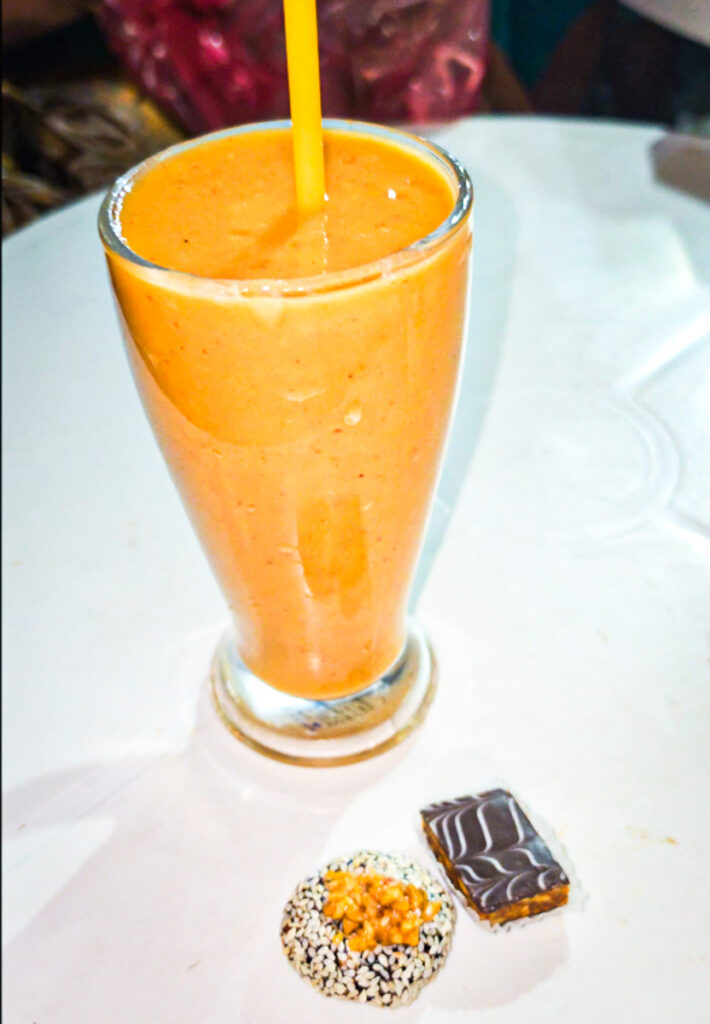
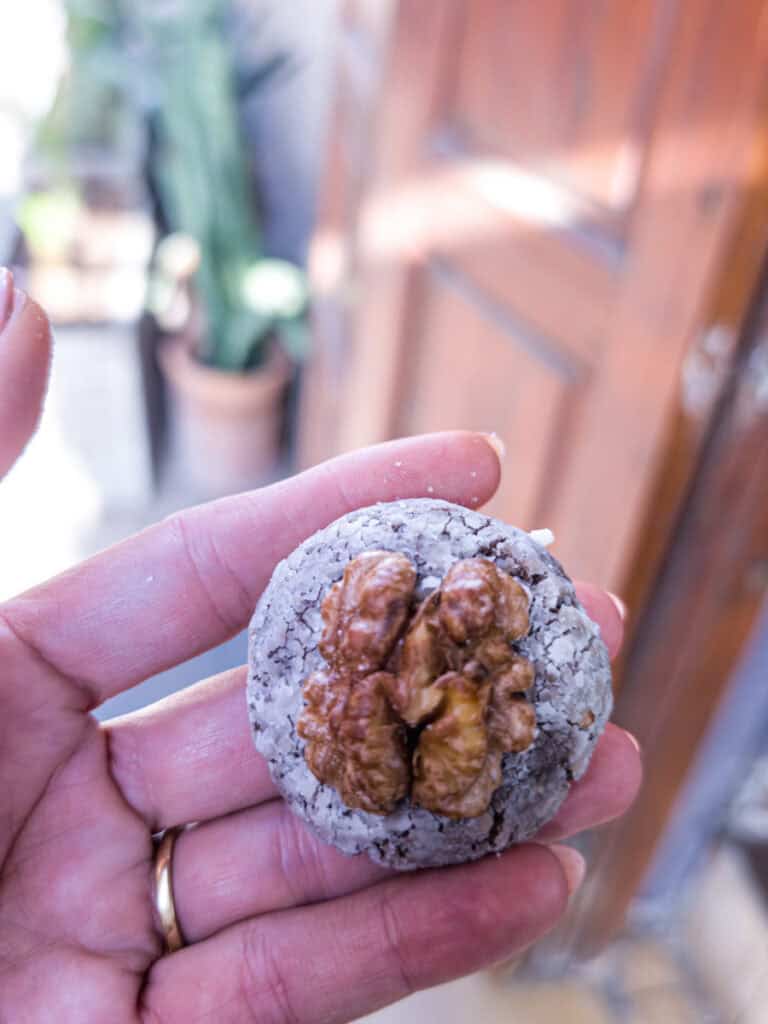
Regional Stews and Final Tastings: The savory portion of the evening concludes in the historic Kasbah quarter with a spiced chicken and white bean dish enriched by preserved lemons. The tour culminates with fresh fruit juices—such as mango and papaya—paired with assorted Moroccan sweets, including the almond and walnut-based pastry known as Walnut Ghriba.
Dietary Accommodations and Accessibility
Navigating specialized dietary requirements within traditional food destinations often presents logistical challenges. However, private and small-group operators in Marrakech have increasingly adapted their itineraries to accommodate global dietary trends, including gluten-free and plant-based alternatives.
Operators note that advance communication regarding dietary restrictions allows for seamless substitutions—such as substituting rice for wheat-based breads or preparing seafood items without flour coatings. Such adjustments ensure that participants with celiac disease or gluten sensitivities can safely engage with regional gastronomy without compromising health or missing the core elements of the culinary presentation.
Cultural Implications and Social Dynamics
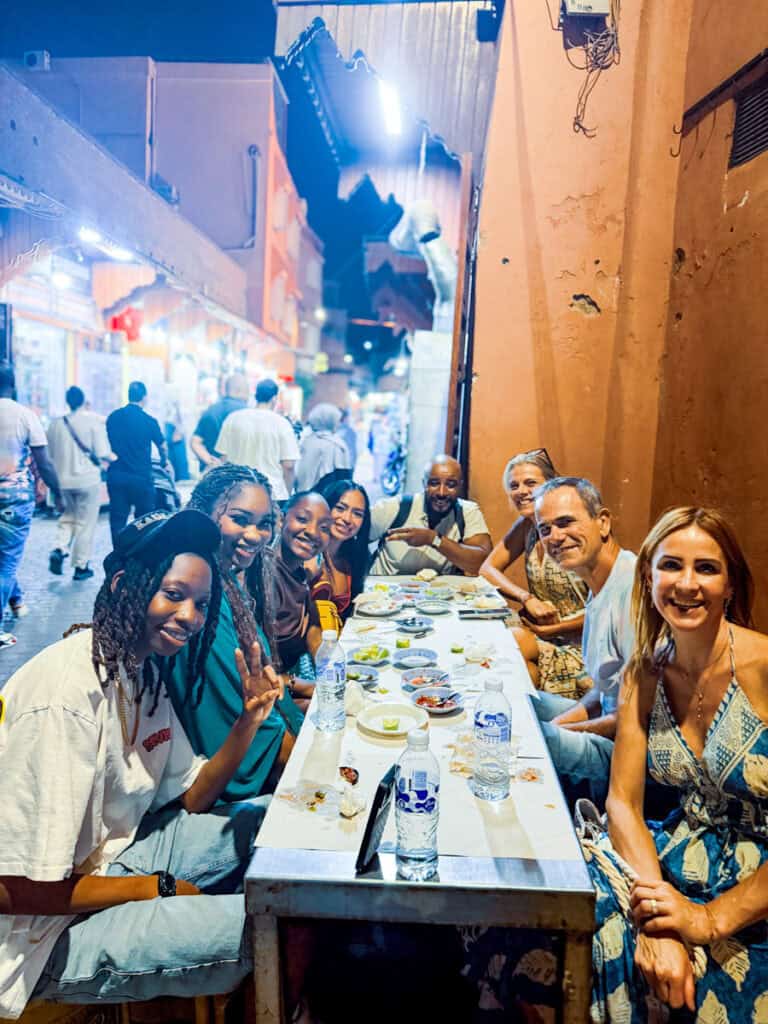
Beyond the immediate consumption of food, structured neighborhood tours serve as critical platforms for intercultural dialogue. Guides frequently utilize meal intervals to discuss the intersection of religious doctrine—specifically the teachings of the Quran—and daily social conduct within modern Moroccan society. Discussions typically encompass local perspectives on alcohol consumption, familial structures, and community organization, fostering an environment of mutual understanding and cross-cultural appreciation.
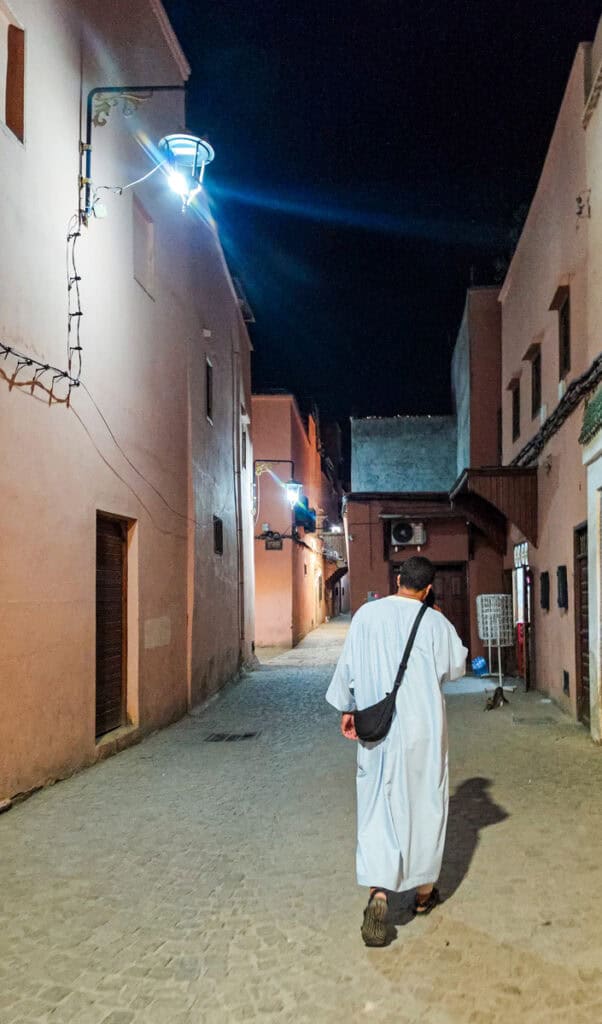
Furthermore, the evening schedule aligns with local social rhythms. Because alcohol consumption is largely absent from traditional public spaces for resident Muslims, evening socialization predominantly revolves around cafes, tea houses, and street-side food stalls. This dynamic contributes to a distinct public atmosphere characterized by family-oriented gatherings and pedestrian activity that extends past midnight, particularly during warmer months.
Safety Considerations for Nighttime Travelers
Urban safety remains a primary consideration for international visitors, particularly solo travelers navigating unfamiliar medinas after dark. While historic districts feature complex networks of unlit or narrow alleyways that can initially induce apprehension, municipal authorities and tourism boards emphasize that core pedestrian routes remain heavily trafficked and policed during evening operational hours.
Expert travel safety guidelines recommend that visitors establish clear navigation routes prior to departure, utilize reputable local guides for initial evening orientations, and maintain situational awareness. Empirical observations from travelers indicate that guided evening excursions significantly mitigate initial anxieties regarding nocturnal navigation, empowering visitors to independently traverse urban centers during subsequent days of their itineraries.
Broader Economic and Tourism Impact
The integration of culinary tourism within Marrakech contributes significantly to the local micro-economy, directing traveler expenditure toward independent vendors, market stall holders, and neighborhood artisans rather than exclusively supporting large-scale hospitality conglomerates. By decentralizing tourist activity away from standard hotel dining rooms and into historical quarters such as the Mellah and the Kasbah, these initiatives support sustainable tourism frameworks that highlight authentic cultural heritage.
As international interest in authentic regional cuisine continues to expand, structured street food tours in destinations like Marrakech offer a replicable model for combining historical education, economic empowerment for local vendors, and safe, immersive urban exploration for global travelers.